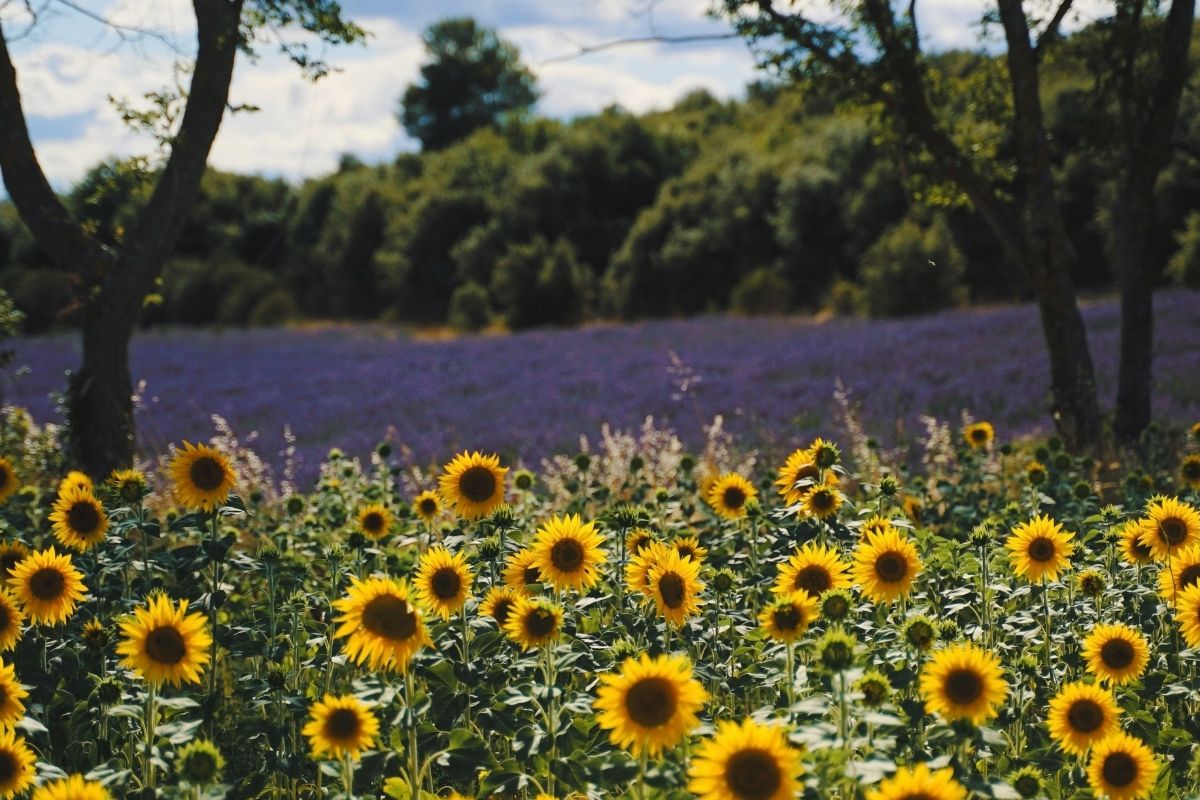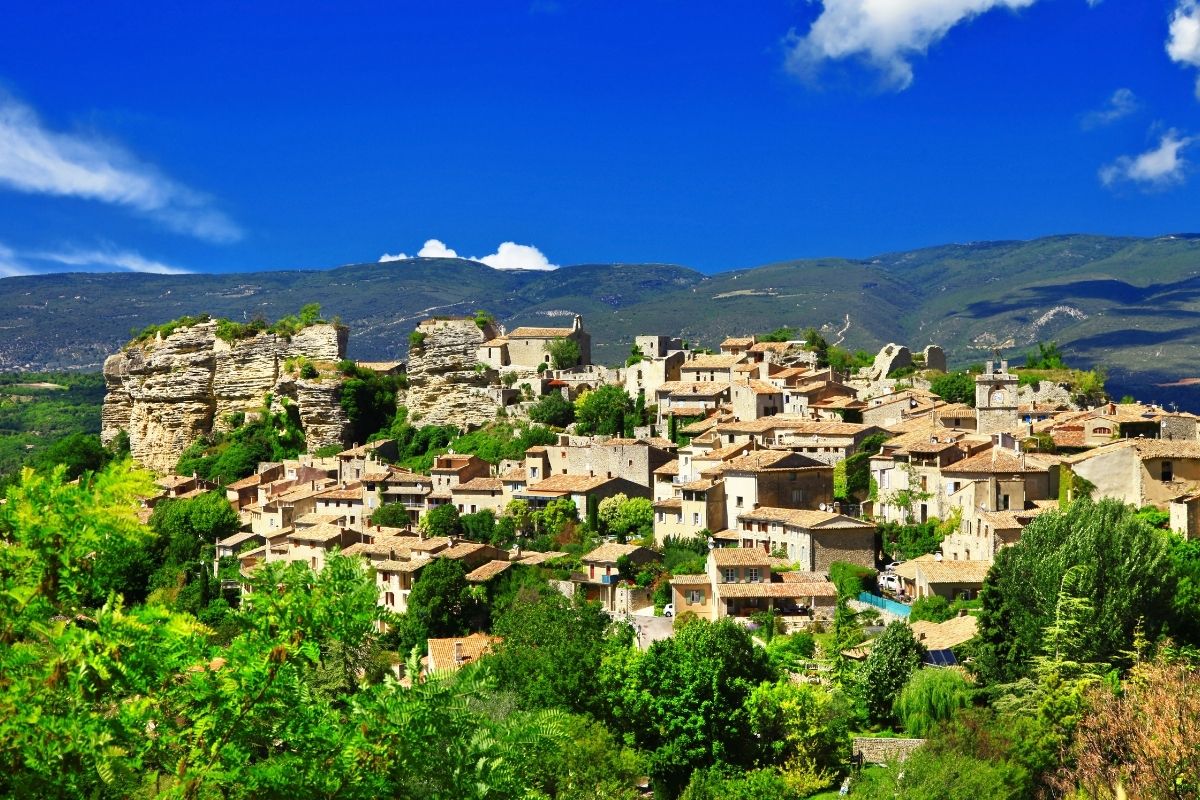

Provence is where history breathes—not just in the monuments and ruins, but in the daily rituals of life. Tucked into southeastern France, this region has long been romanticized for its landscapes of lavender and light, yet its true magic lies in something more profound: an enduring culture shaped by millennia of human presence, creativity, and connection to the land.
The Luberon and Les Alpilles—two emblematic subregions of Provence—offer windows into this culture. From the dry-stone walls that crisscross hillsides to the aroma of fresh bread drifting from a morning market, Provence tells its story not in grand gestures, but in the quiet persistence of tradition.
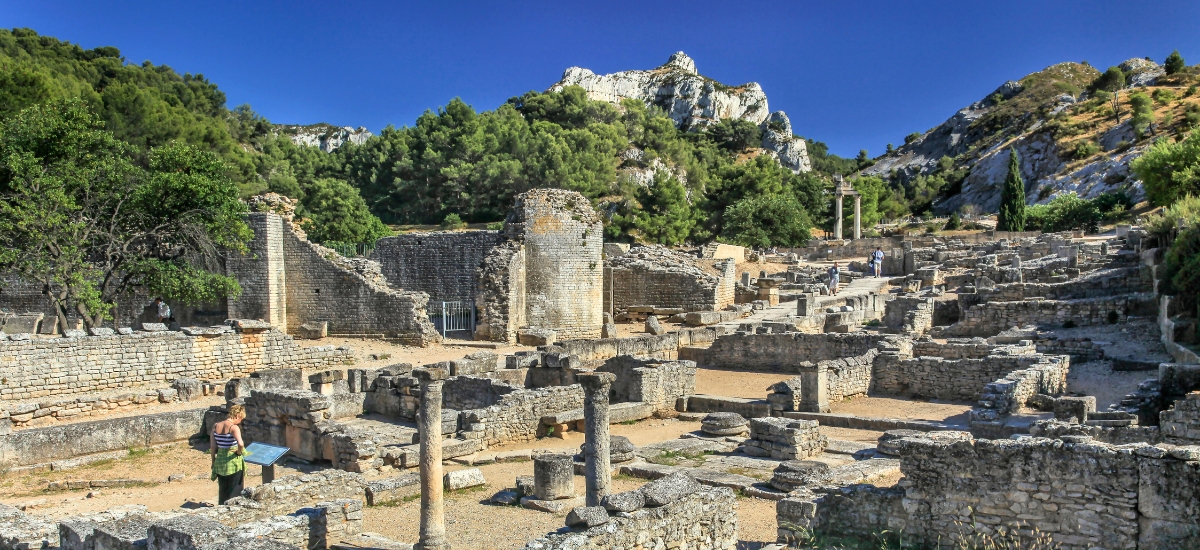
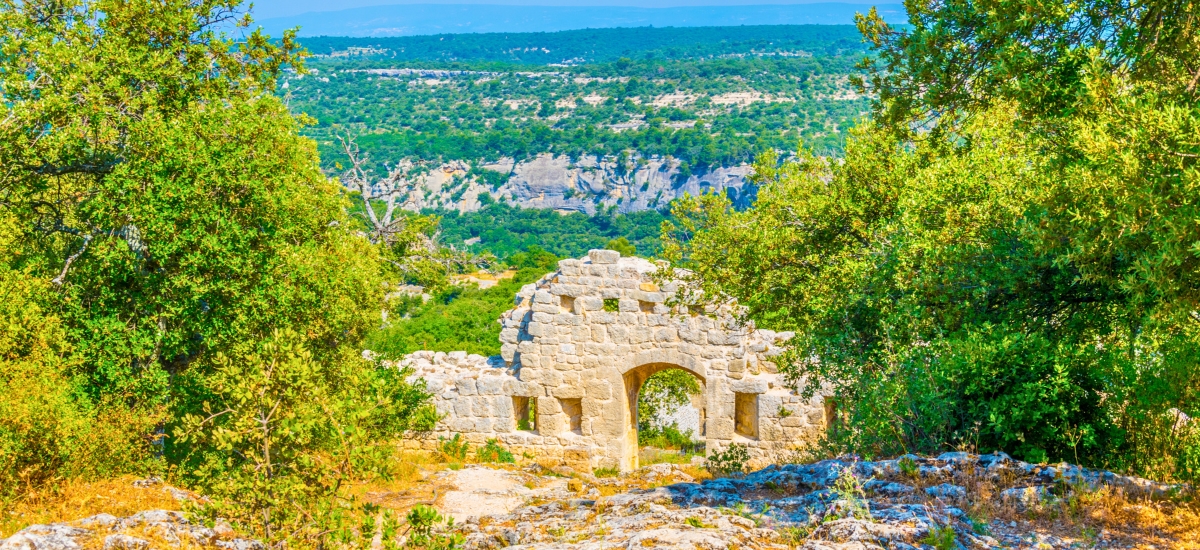
Before Provence was Provence, it was sacred land. Traces of prehistoric life—cave paintings, burial mounds, and ancient trails—dot the hillsides. The region later became part of the Celtic-Ligurian territory, before being absorbed into the Roman Empire as Provincia Romana in the 2nd century BCE. The Romans left behind more than ruins—they established the grid of roads, aqueducts, and forums that would influence settlement patterns for centuries.
But even as empires came and went, Provence developed a cultural identity uniquely its own—one that valued the rhythm of the seasons, the sanctity of local land, and a lifestyle grounded in nature’s pace.
In Provence, the earth itself has always been an artistic collaborator. The ochre cliffs of Roussillon, the limestone ridges of Les Alpilles, and the wind-sculpted plains of the Crau have not only shaped the landscape—they’ve influenced architecture, agriculture, and even language.
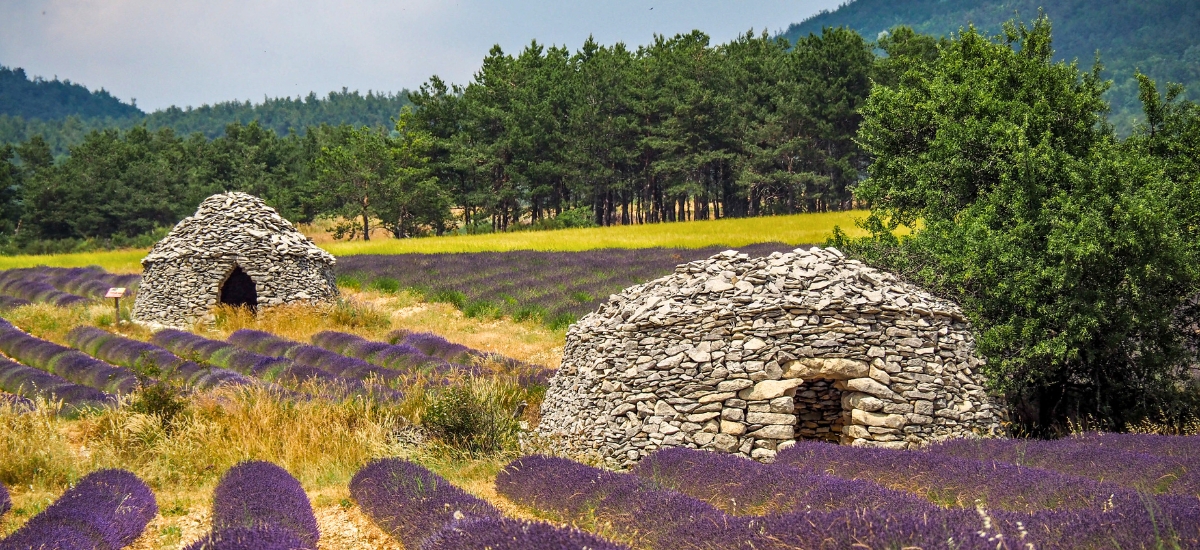
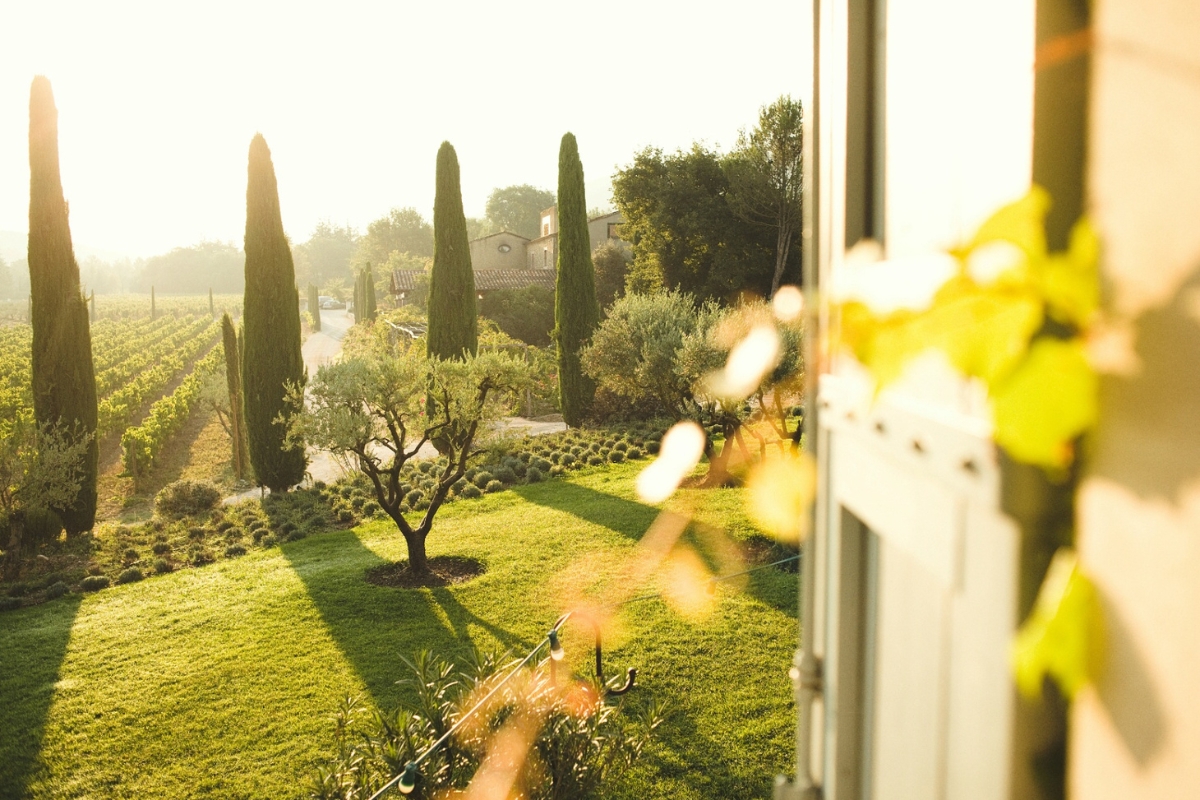
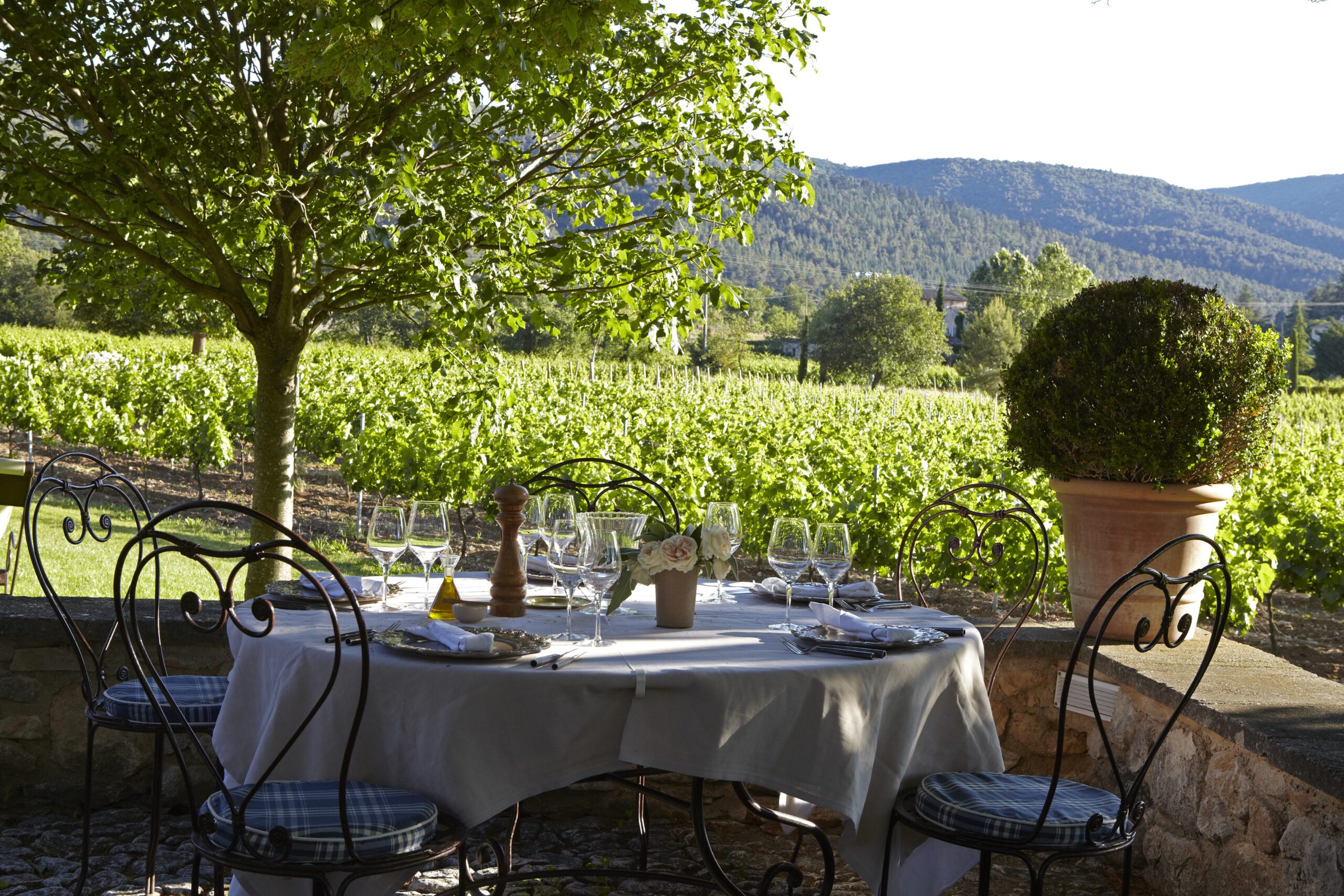
Dry-stone construction, known locally as bories, has been used for centuries to build homes, walls, and shepherd huts without mortar. Olive trees—some centuries old—are tended with the same care and reverence passed down through generations. Vineyards are planted not simply for profit, but as stewards of terroir, an idea rooted in the belief that land, weather, and human hands are inseparable.
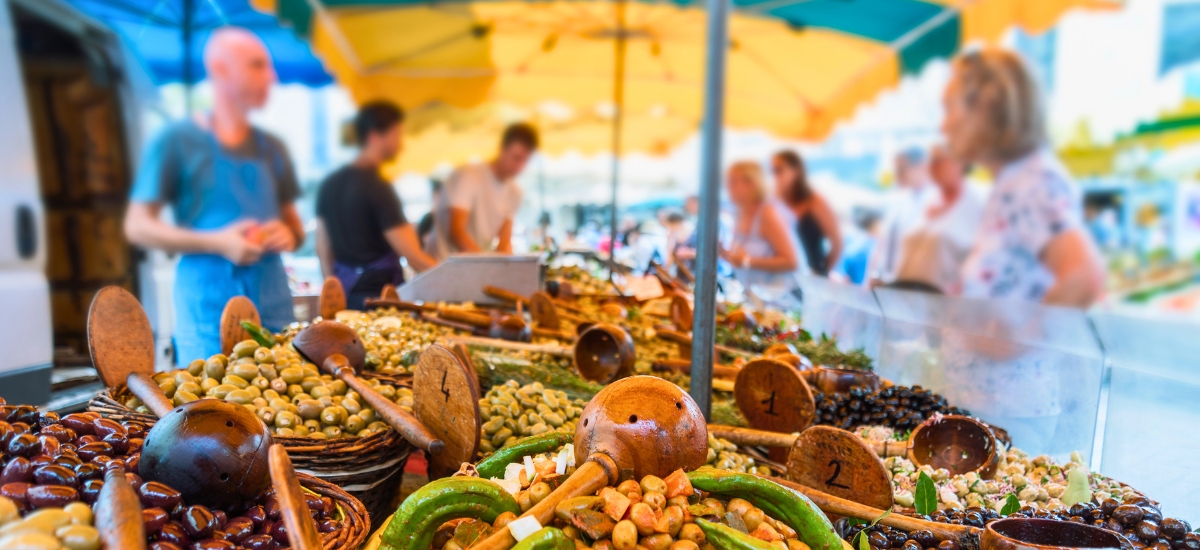
This agricultural legacy is also a cultural one. The market isn’t just where you buy food—it’s where stories are told, dialects survive, and artisans share their labor with pride. Whether it’s truffle hunting in the winter or harvesting lavender in the summer, Provence moves according to the land’s calendar, not the clock.
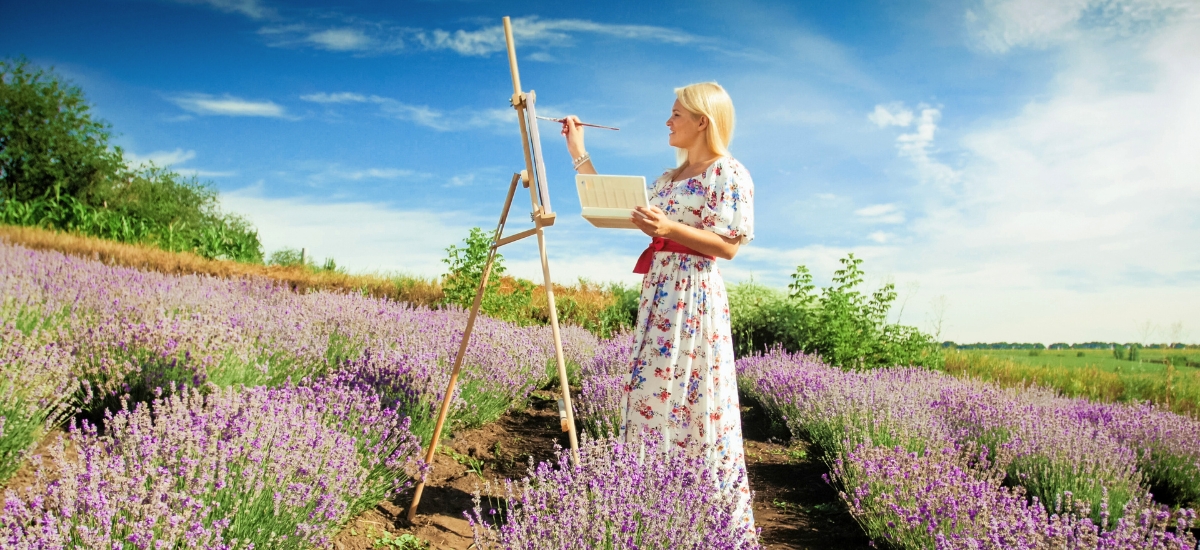
Throughout history, Provence has drawn those searching for light, beauty, and a slower pace of life. During the 19th and 20th centuries, it became a sanctuary for artists: Van Gogh painted his dreams in Saint-Rémy; Cézanne found solace in the shadows of Mont Sainte-Victoire. Writers, philosophers, and thinkers followed—drawn by the clarity of the landscape and the generosity of its silences.
But even long before it was fashionable, Provence was a land of in-betweenness—between the mountains and the sea, between Latin and Occitan, between the peasant and the poet. It’s long been a refuge for people who exist between definitions.
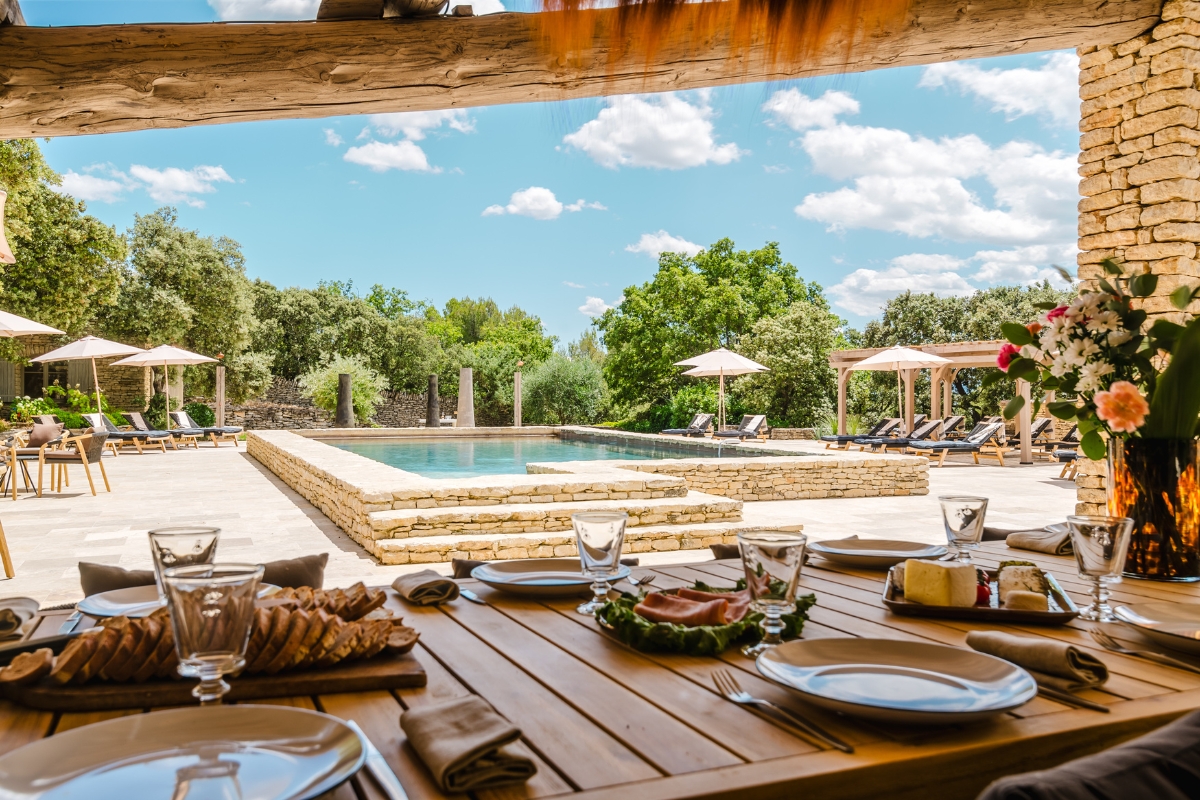
To experience Provence is not to observe history but to live within it. The region is defined not by what has changed, but by what has remained. There is a reverence for the ritual of everyday life—meals prepared with intention, gardens grown with care, conversations that stretch like the sun-drenched afternoons they inhabit.
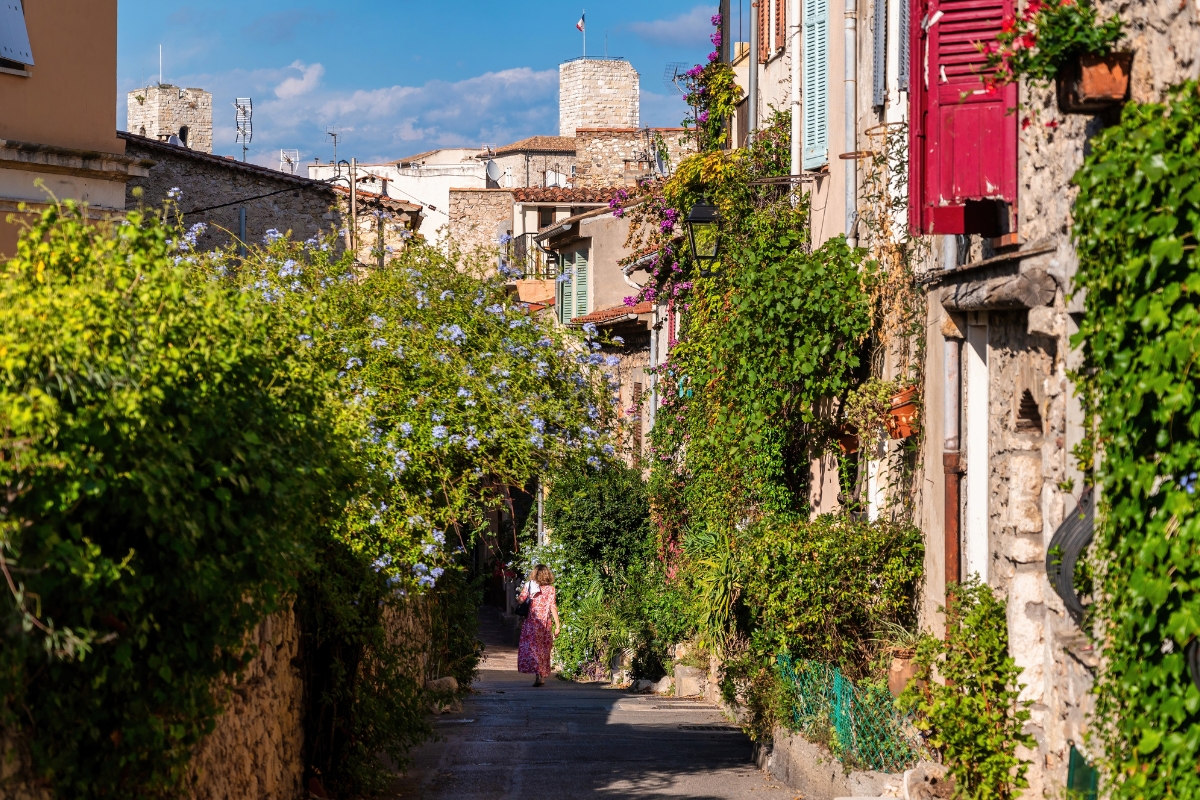
The culture of Provence isn’t a performance for visitors—it’s a way of being. You taste it in the local olive oil, you hear it in the cadence of the Provençal accent, you feel it in the stillness of a village square as church bells toll the hour.
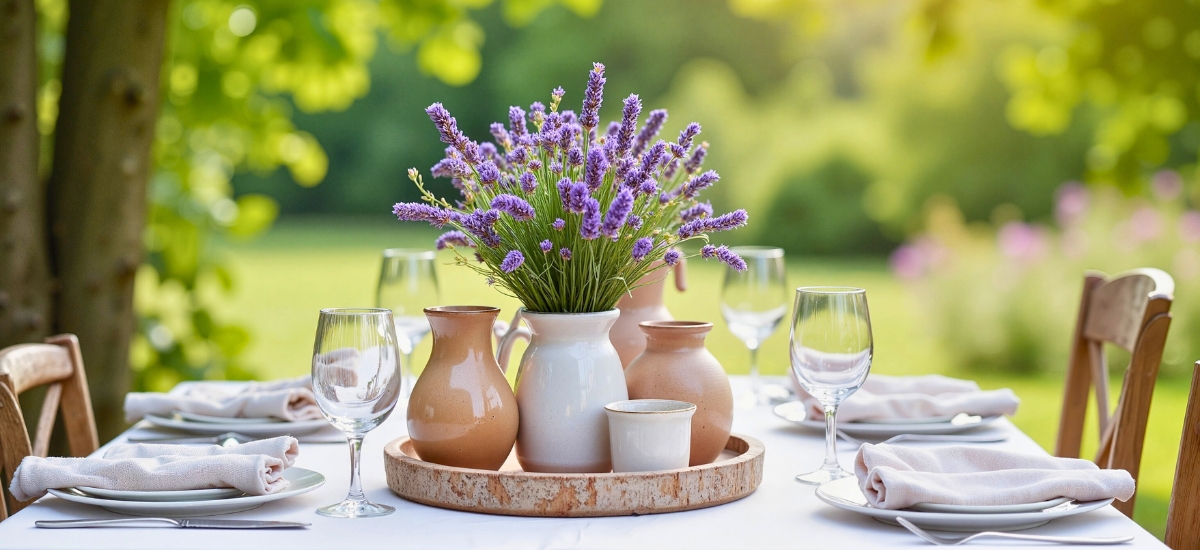
Here, craftsmanship still matters. From hand-woven baskets to artisanal soaps, from lavender sachets to iron-forged tools, the act of making remains sacred. This is not nostalgia—it’s continuity. A resistance to speed, to disposability, to forgetting.
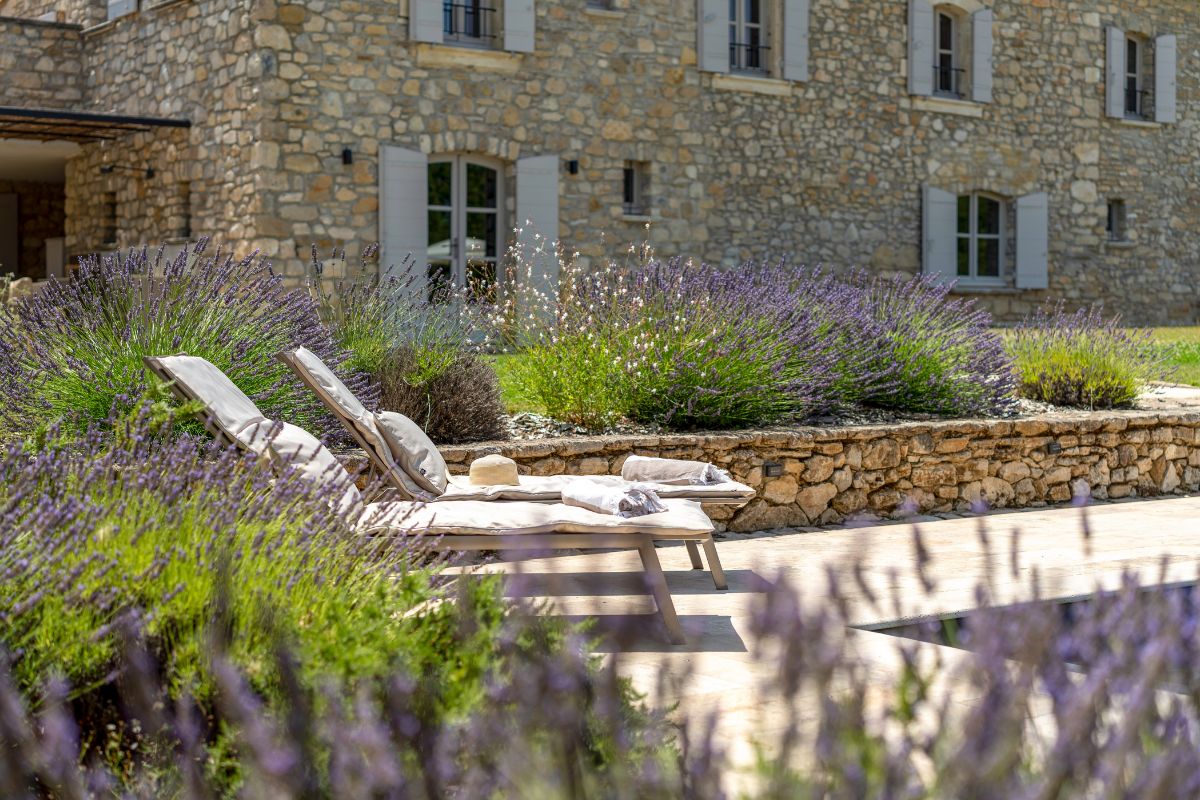
Provence is a keeper of memory. Not just historical memory, but sensory, emotional memory. The scent of rosemary, the warmth of a stone wall at dusk, the crunch of gravel beneath your feet on a garden path—these are cultural artifacts, just as real as ancient amphitheaters or medieval chapels.
In a world that often chases novelty, Provence teaches the beauty of rootedness. Its villages may evolve, its people may modernize, but the core values remain: reverence for nature, celebration of simplicity, and the knowledge that beauty is found in small things done well.
The culture of Provence is not a museum piece—it is lived, shared, and passed on. Whether through the hands of a baker kneading dough at dawn, a farmer tending vines, or a grandparent teaching the names of herbs to a child, the region continues to nurture a way of life that honors both ancestry and artistry.
To walk through Provence is to walk through time—but more importantly, it’s to remember how to be fully present.
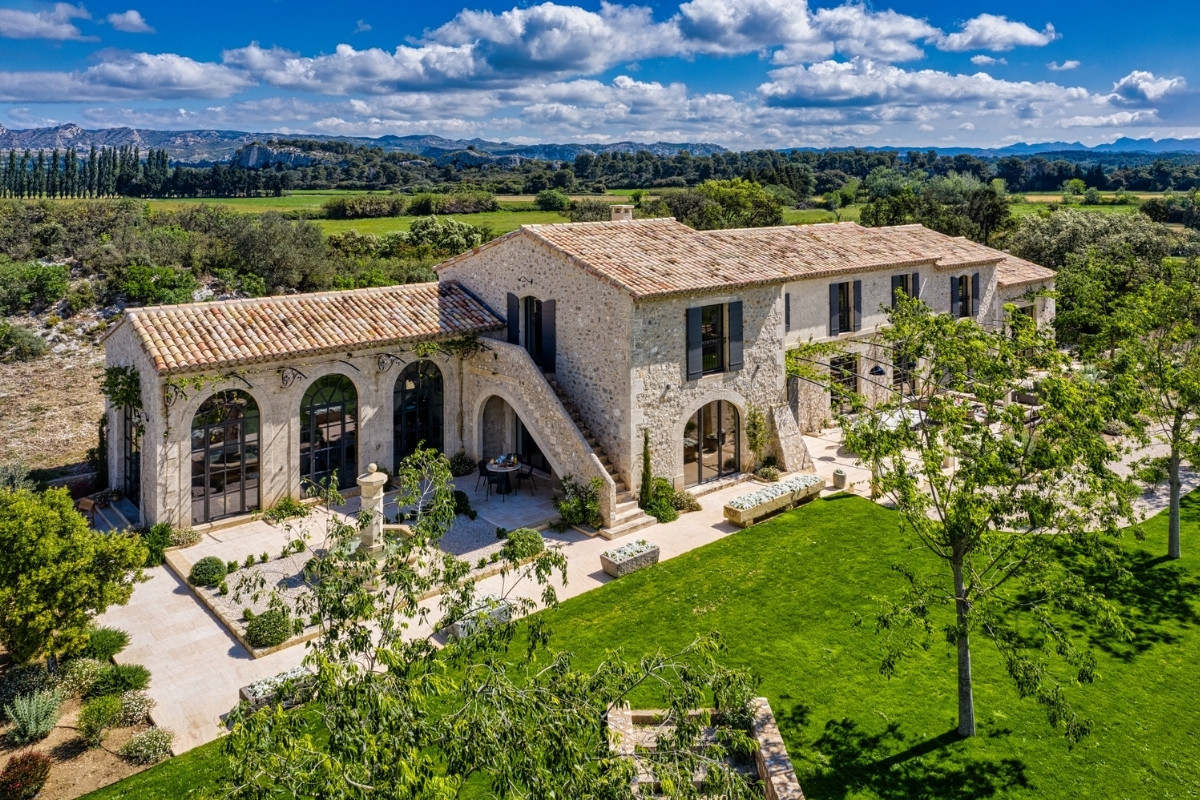
Explore our curated collection of luxury villas and find your perfect home in the heart of the South of France. Whether you’re drawn by sun-drenched afternoons, lavender-scented markets, or quiet moments under the plane trees, Provence is always in season—for the senses, the soul, and the storyteller in you.

Follow Vincent van Gogh’s footsteps through Provence—from Arles to Saint-Rémy-de-Provence. Discover the landscapes that inspired The Starry Night and explore museums, trails, and villas that keep his light alive with Only Provence. […]

Discover how Only Provence makes last-minute villa bookings and extended stays effortless. From spontaneous getaways to month-long residencies, experience the comfort, care, and authenticity that define luxury travel in Provence. […]
Read More… from When Travel Plans Shift — And Provence Calls: A Guide to Last-Minute Villa Bookings

Discover the art of doing nothing in Provence. Learn how to embrace slow travel among vineyards, lavender fields, and sunlit villas. […]
Read More… from The Art of Doing Nothing: Embracing Slow Travel in Provence

From the limestone ridges of the Alpilles to the lavender-swept hills of the Luberon, Provence rewards those who wander on foot. Discover seven trails that […]
Read More… from Top 7 Hiking Trails in Provence with Breathtaking Views
- offering all comforts and amenities - pool, housekeeping, and chef services.
© 2026 Only Provence

Only Provence co-founder Lydia Dean writes about their experiences raising a family, building a business in Provence, and later combining the love of travel with giving back in "Jumping the Picket Fence”. In 2021, she published “Light Through the Cracks,” a continuation of her journey, much of which has been based in Provence. Both books are available Amazon, Amazon.uk, and Amazon.Fr.