L'Isle-sur-la-Sorgue
A riverside village known for antiques, canals, and one of Provence’s most vibrant markets.
Quick Link to a Section

Quick Link to a Section
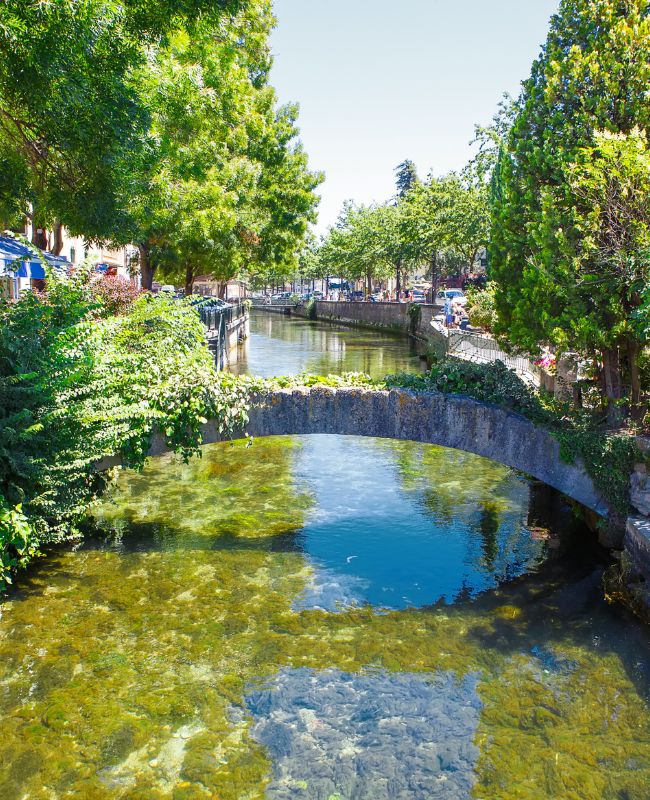
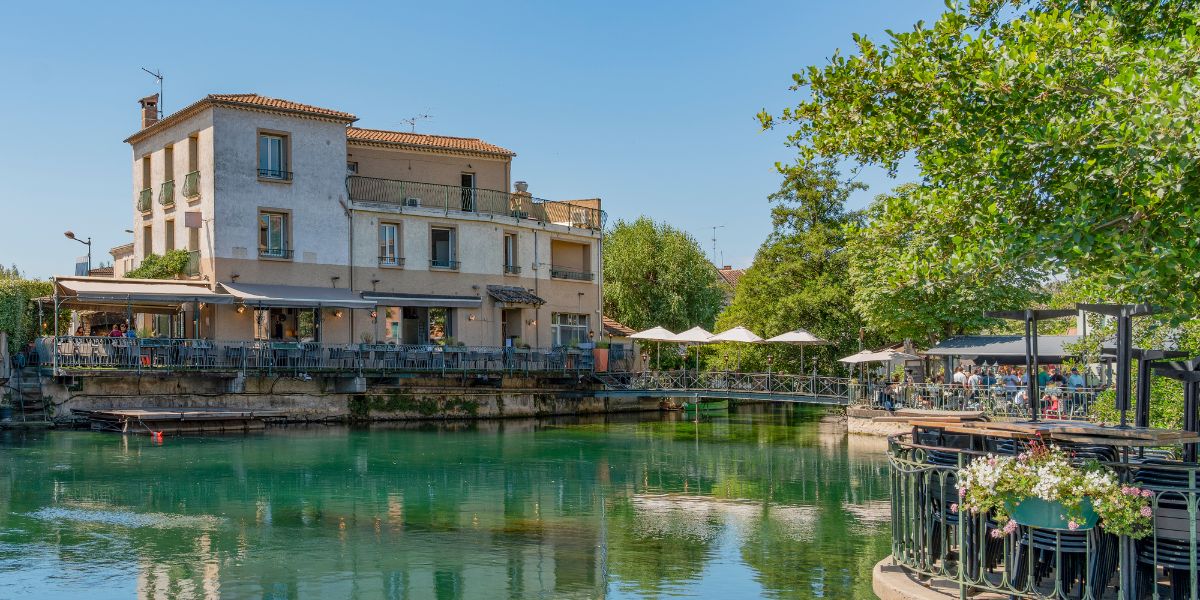
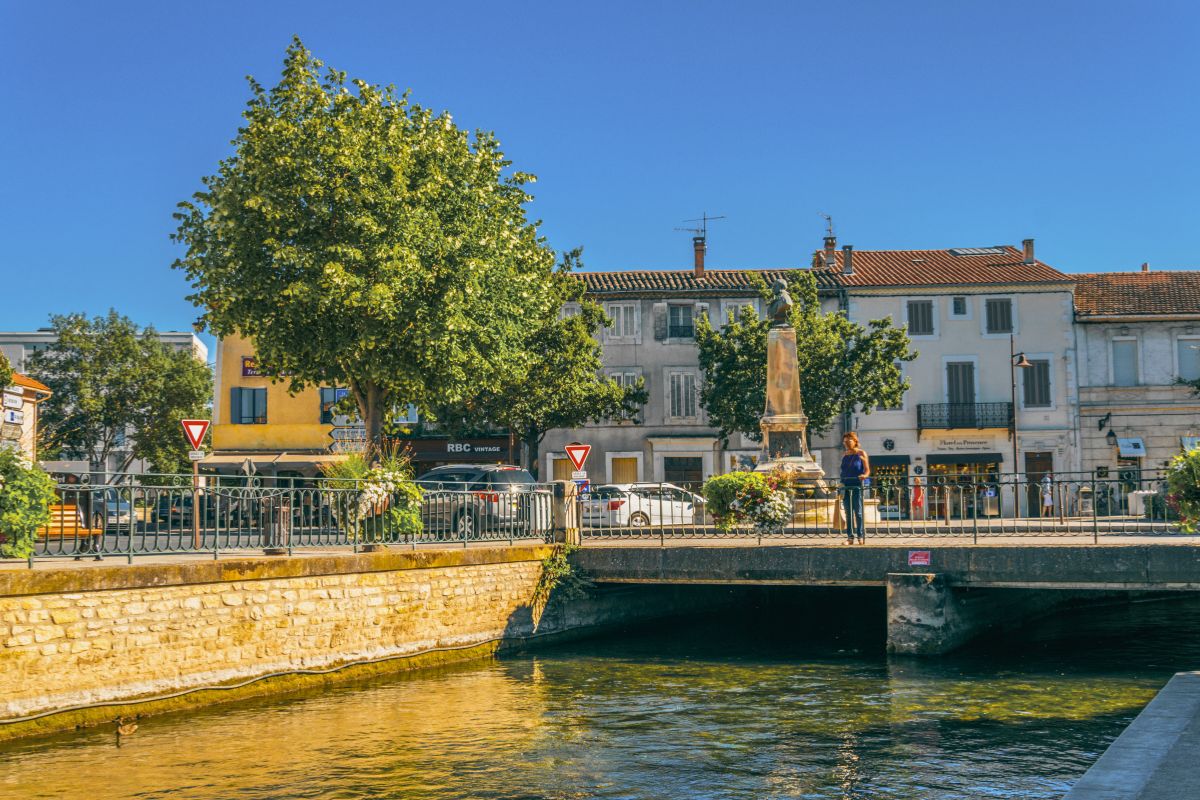
A stroll through the town leads you along canals, across small bridges, and past restored waterwheels that recall its early industrial past. The center is filled with cafés, boutiques, and respected antique shops, giving the village a steady year-round energy. Outdoor dining areas line the waterways, making it an easy place to settle in for lunch after exploring the markets.
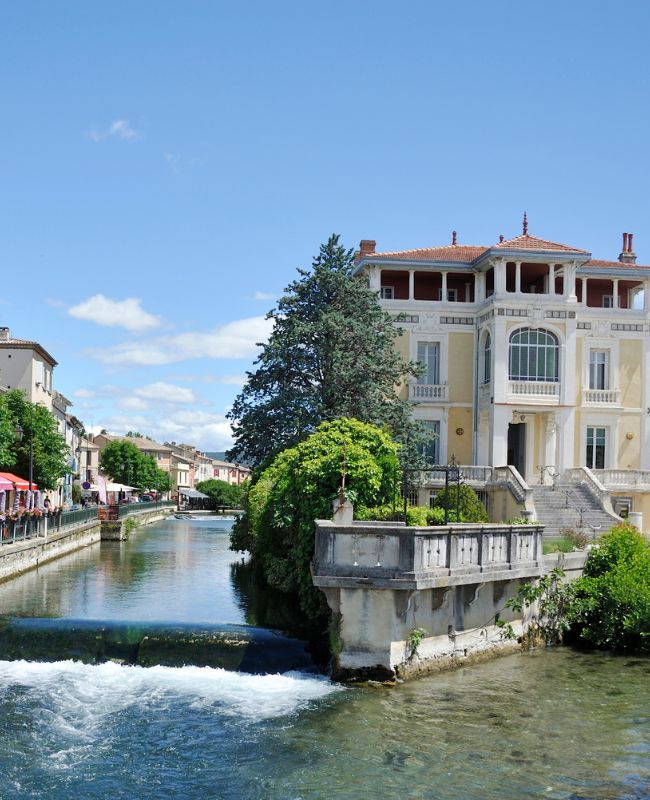
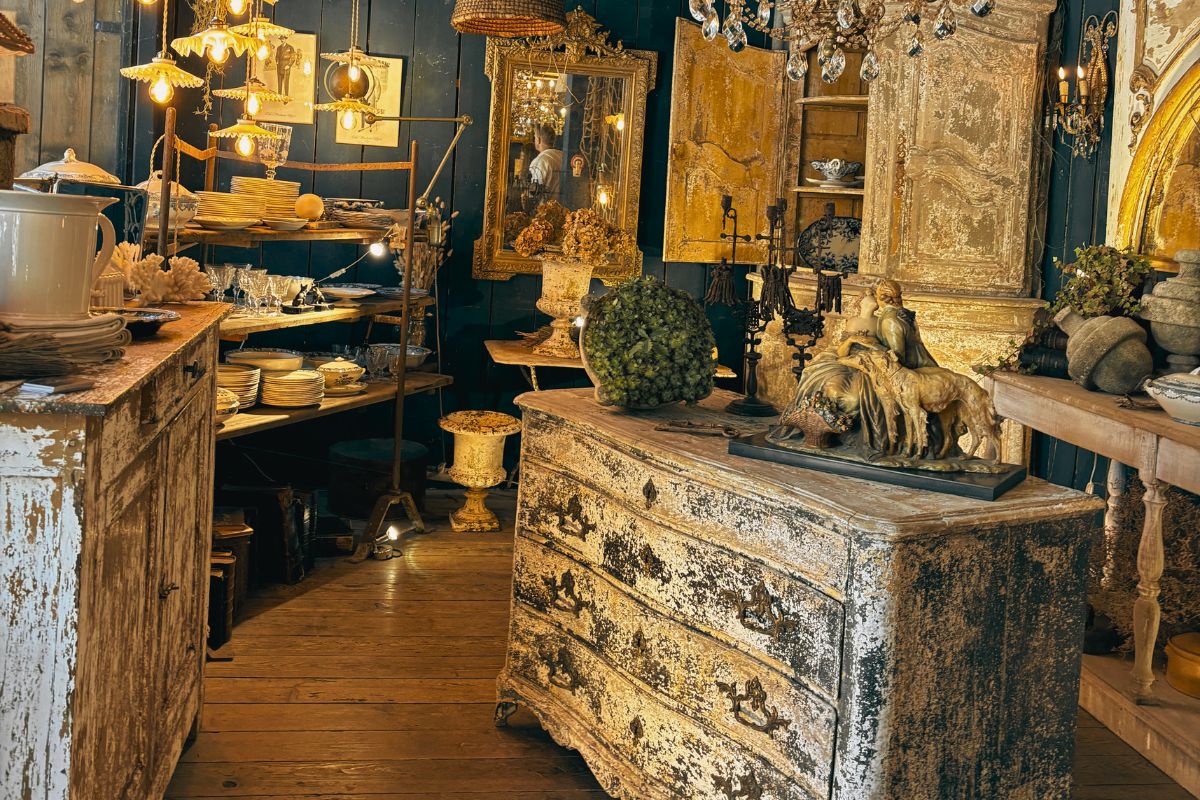
L’Isle-sur-la-Sorgue is often called the “Comtadine Venice” because the town sits on a small island formed by branches of the Sorgue River. This setting shapes daily life, with clear, cool water flowing between streets and beside shaded terraces. The town is known internationally for its antique trade and hosts one of the most substantial Sunday markets in Provence, where visitors find everything from furniture and vintage objects to regional cheeses, linens, and fresh produce. Its central location also places it within easy reach of Avignon, Fontaine-de-Vaucluse, and key sites across the Luberon.
The village began as a modest fishing settlement. The Sorgue River provided food, water for crops, and a natural means of transport. Over time, residents used the river not only for fishing but also for washing fabrics and ash, a practice known locally as buagdo. The reliable water flow made the location practical and supported the early growth of the village.
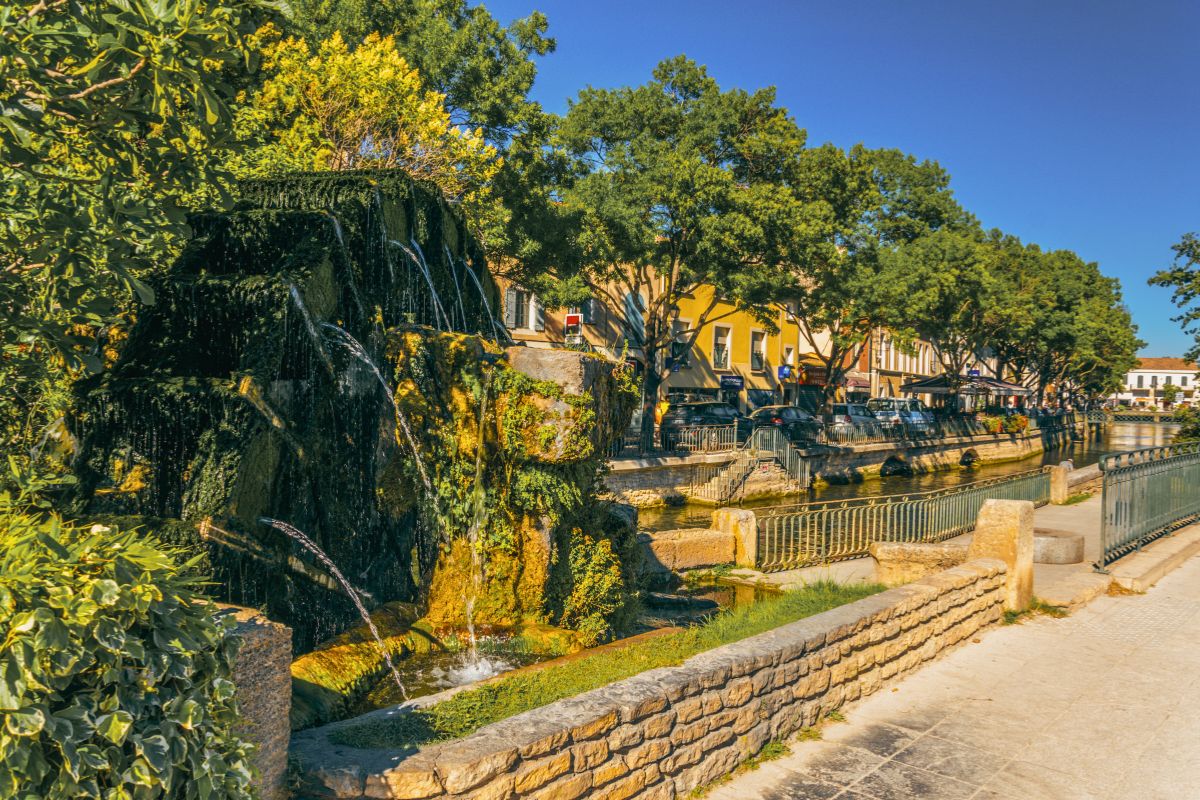
By the Middle Ages, the river became central to L’Isle-sur-la-Sorgue’s economy. Mills and workshops developed along the banks, powered by large paddle wheels. Many of these wheels still stand today and remain one of the town’s defining features. The consistent water supply allowed the village to expand its trade network and attract merchants from surrounding regions.
The town’s cultural and religious presence grew with the construction of the Collegiate Church of Notre-Dame-des-Anges. Its richly decorated interior reflects the wealth brought in through trade and artisan production. During the nineteenth century, industrial activity increased further as more wheels and factories were added. This period left a lasting architectural imprint, visible in the mills, canals, and stone buildings.
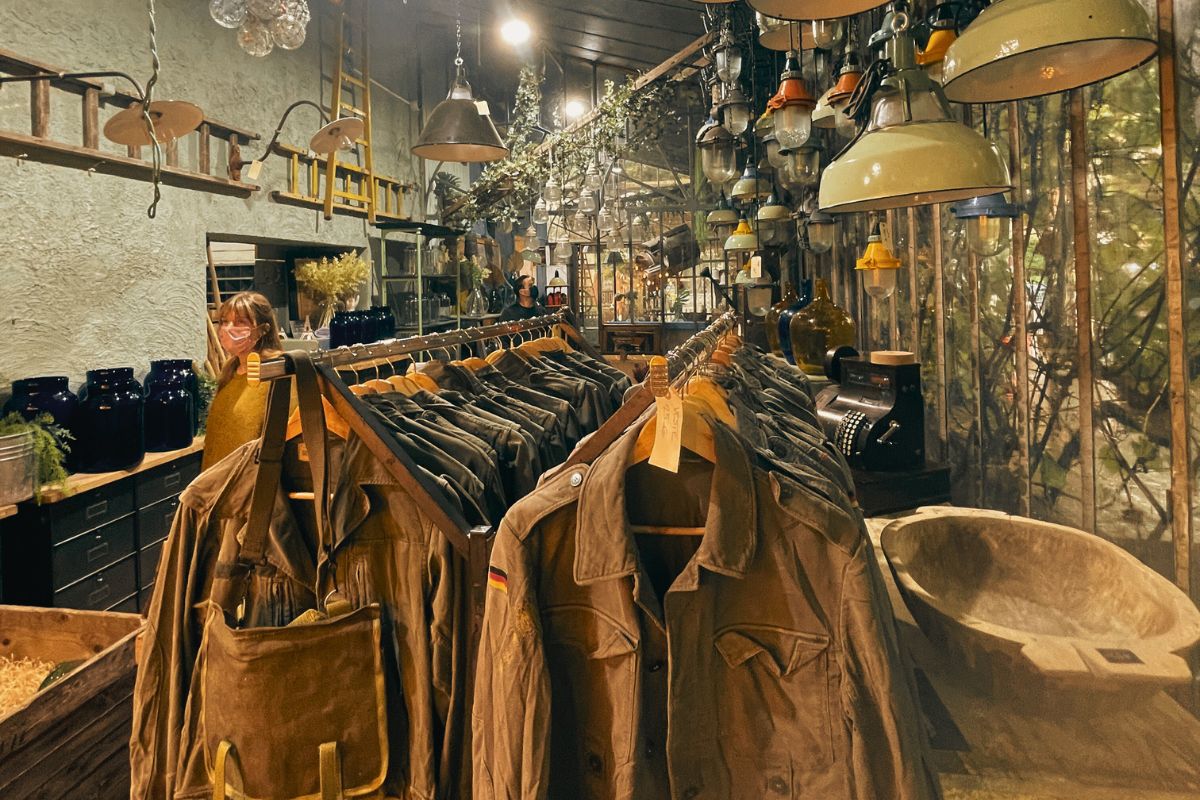
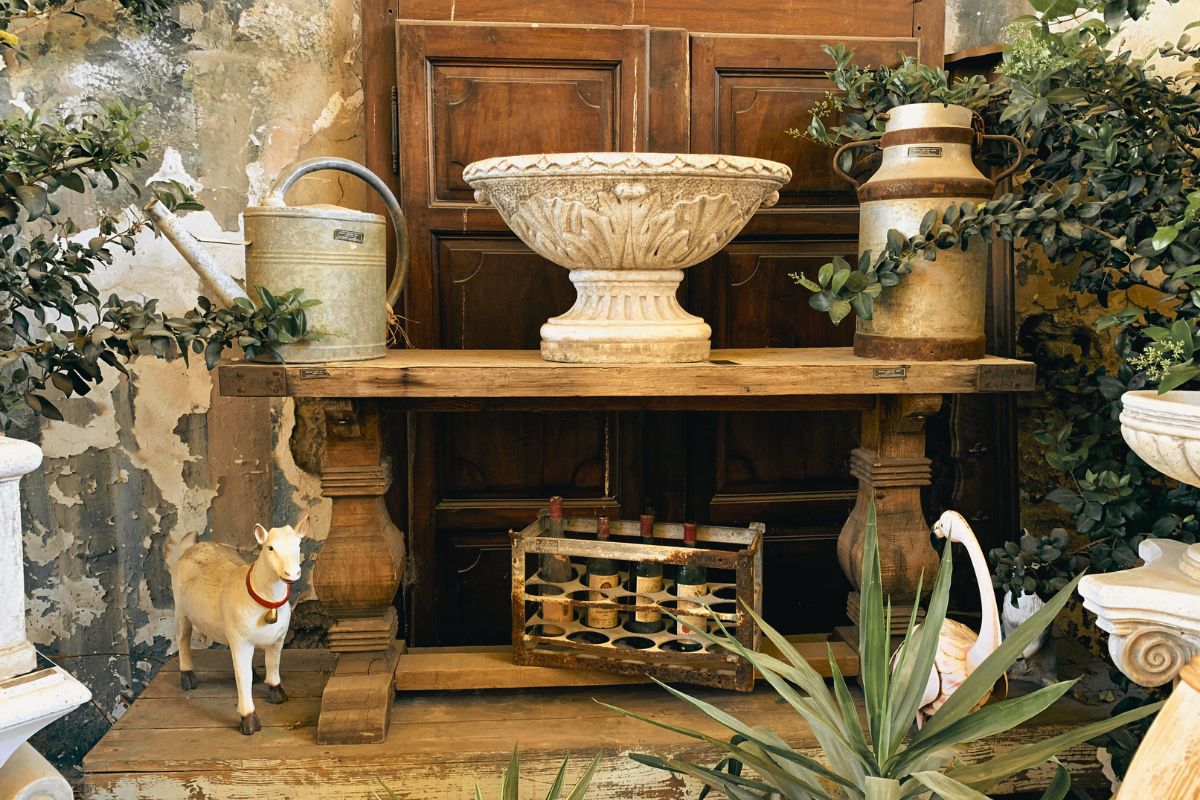
In the twentieth century, L’Isle-sur-la-Sorgue became a major center for antiques. Dealers opened permanent shops and created antique “villages,” which attracted international buyers and transformed the local economy. Today, the town remains one of Europe’s key hubs for antique trading, while the river and historic center continue to shape its atmosphere and appeal.




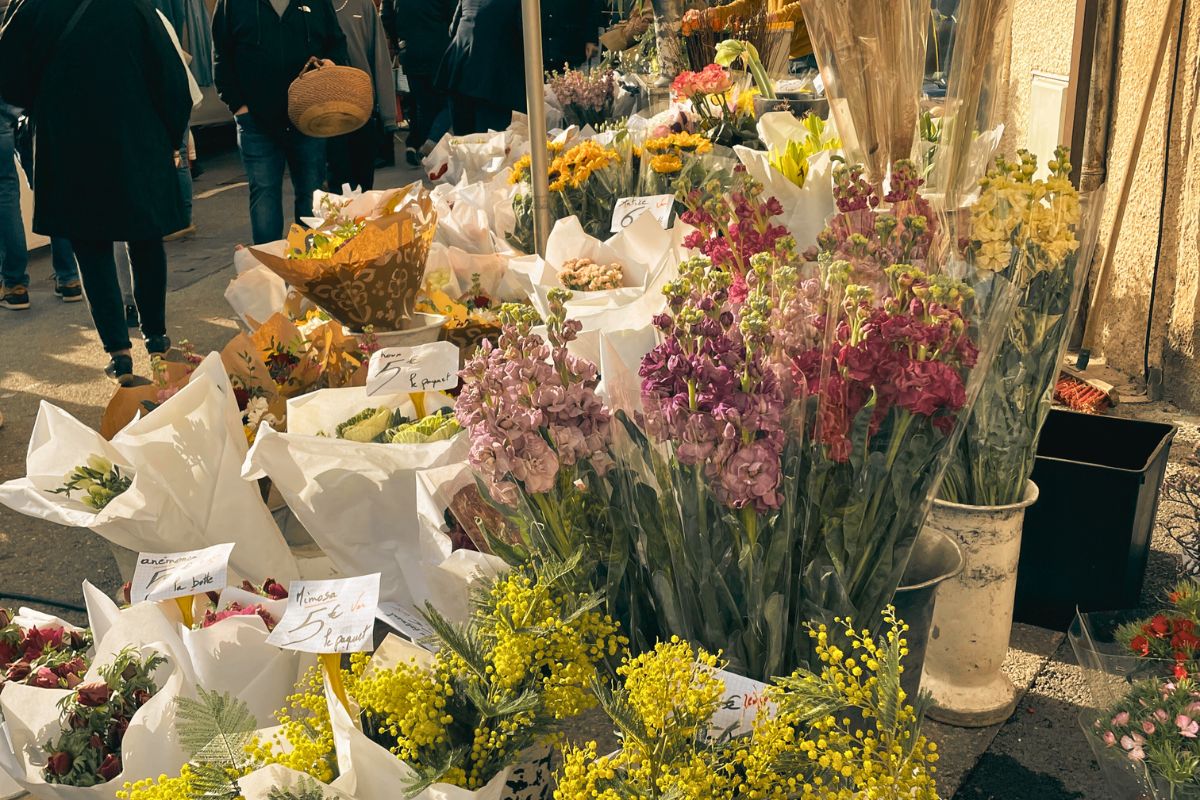
The Thursday morning market fills the central streets with produce, cheeses, flowers, and textiles. The Sunday market, however, is the event that defines the town. It is one of Provence’s largest and most diverse markets, combining antiques, food stalls, household goods, and local specialties.
The floating market, held on the first Sunday of August, is a unique experience where vendors sell goods from small boats on the Sorgue River.
L’Isle-sur-la-Sorgue has a wide range of restaurants, many located along the canals or close to the main squares. The dining atmosphere is lively, with menus featuring regional produce, fresh fish, and Provençal classics. For current recommendations, refer to TripAdvisor or updated local guides.
To help you navigate, visit our Google Maps link for L’Isle-sur-la-Sorgue where we have tagged our preferred spots across the city:
Nearby vineyards include:
Most wineries close on Sundays and during lunch hours.
Small épiceries are scattered throughout the center, and larger chain supermarkets include:

Spend the morning exploring the Sunday market, the event that best reflects the spirit of L’Isle-sur-la-Sorgue. Walk through rows of antique stalls, vintage pieces, textiles, ceramics, and artwork, then continue toward the food vendors offering cheeses, olives, breads, and seasonal produce. Small galleries and boutique shops branch off the main streets, giving you plenty to browse as you make your way through town. When the market begins to quiet, settle into a table along the river for lunch. The sound of the waterwheels, the flow of the Sorgue, and the relaxed pace of the afternoon bring together everything that defines this village. This combination of market energy and riverside calm captures the atmosphere of L’Isle-sur-la-Sorgue better than any single landmark.
Art and culture in L’Isle-sur-la-Sorgue are shaped by the town’s riverfront setting, artisan traditions, and long association with antique dealers. Galleries, workshops, and historic buildings sit close together along the canals, creating a compact cultural district easy to explore on foot.
Art & Culture Highlights
The waterways and surrounding countryside make outdoor activities accessible and varied. The Sorgue River supports canoeing, swimming in designated areas, and peaceful riverside walks. The flat terrain around the town is ideal for cycling routes that connect to the Luberon and nearby villages.
Outdoor Activities Highlights
L’Isle-sur-la-Sorgue’s central location allows for easy day trips to historic sites, hilltop villages, vineyards, and natural attractions. Many destinations are within a short drive, making the town a practical base for exploring Provence.
Day Trip Ideas
Children enjoy the waterwheels, short bridges, and riverside paths. Canoeing on the Sorgue is suitable for families during summer months. The nearby village of Fontaine-de-Vaucluse provides space to walk along the river and explore small shops and ice-cream stands. Markets also offer a lively, interactive experience for children curious about local foods and crafts.
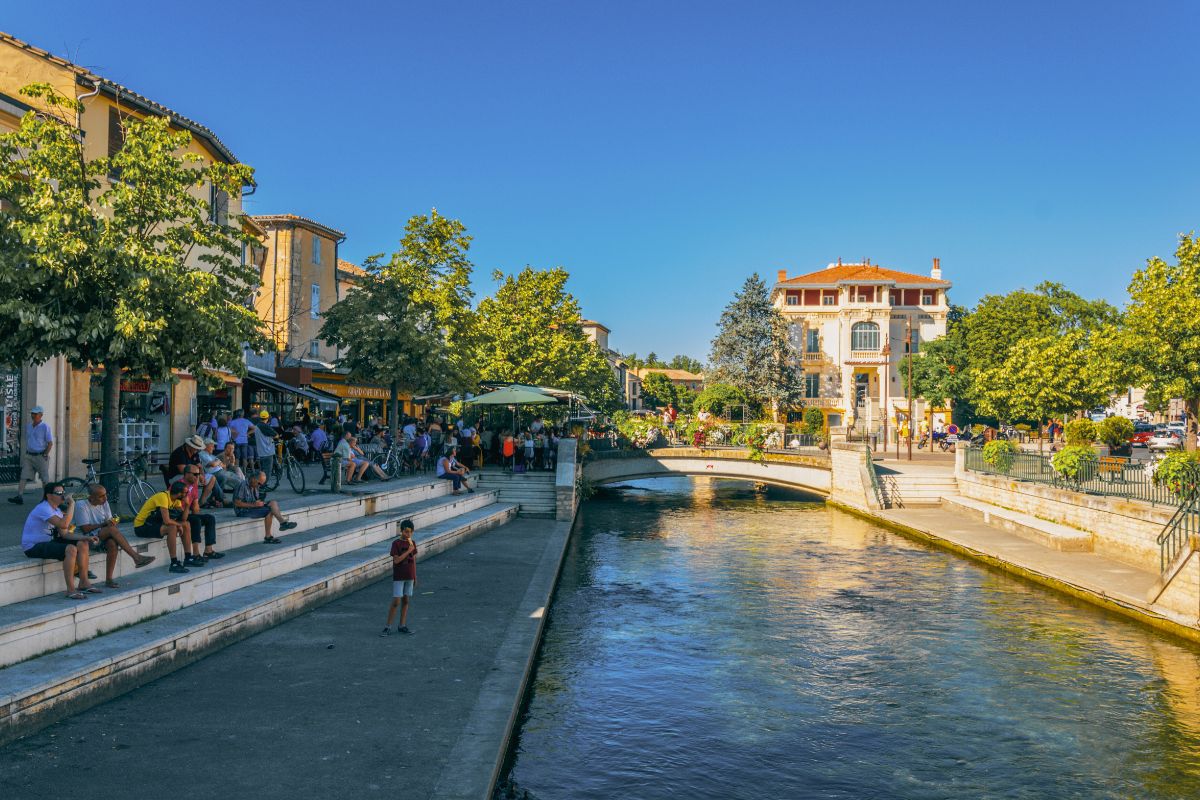
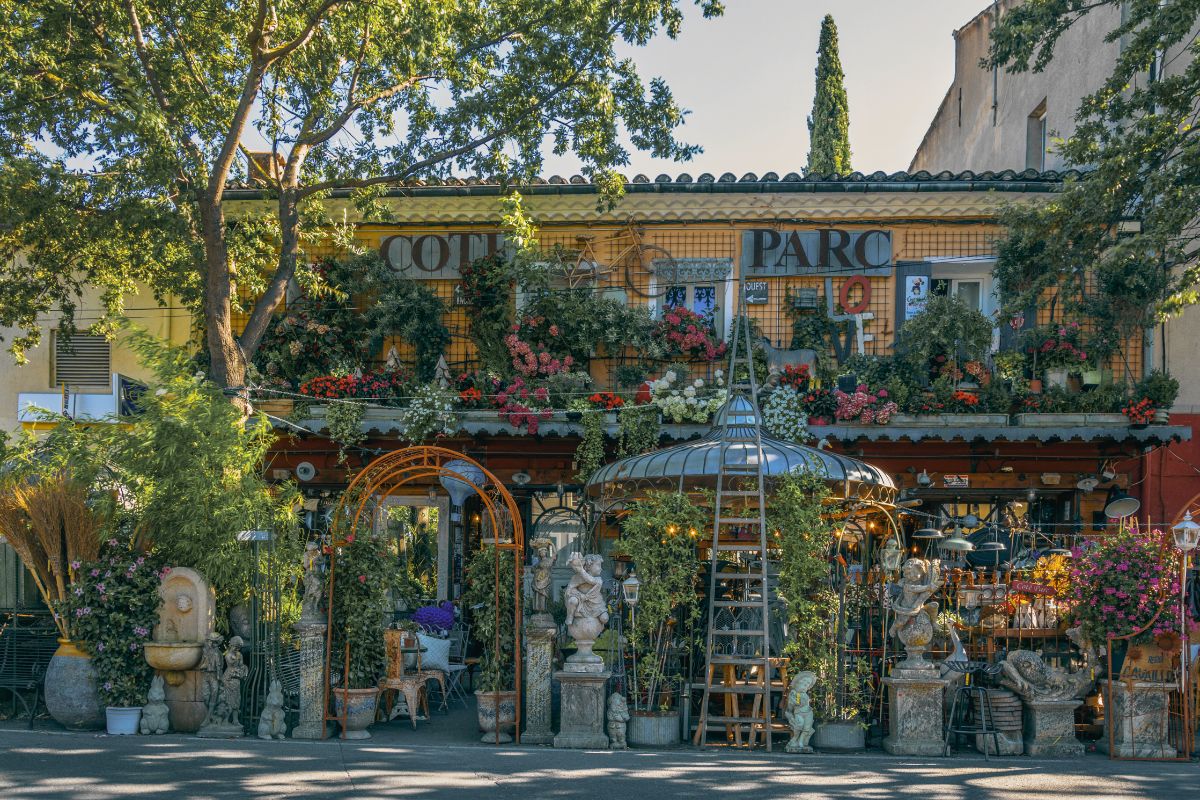
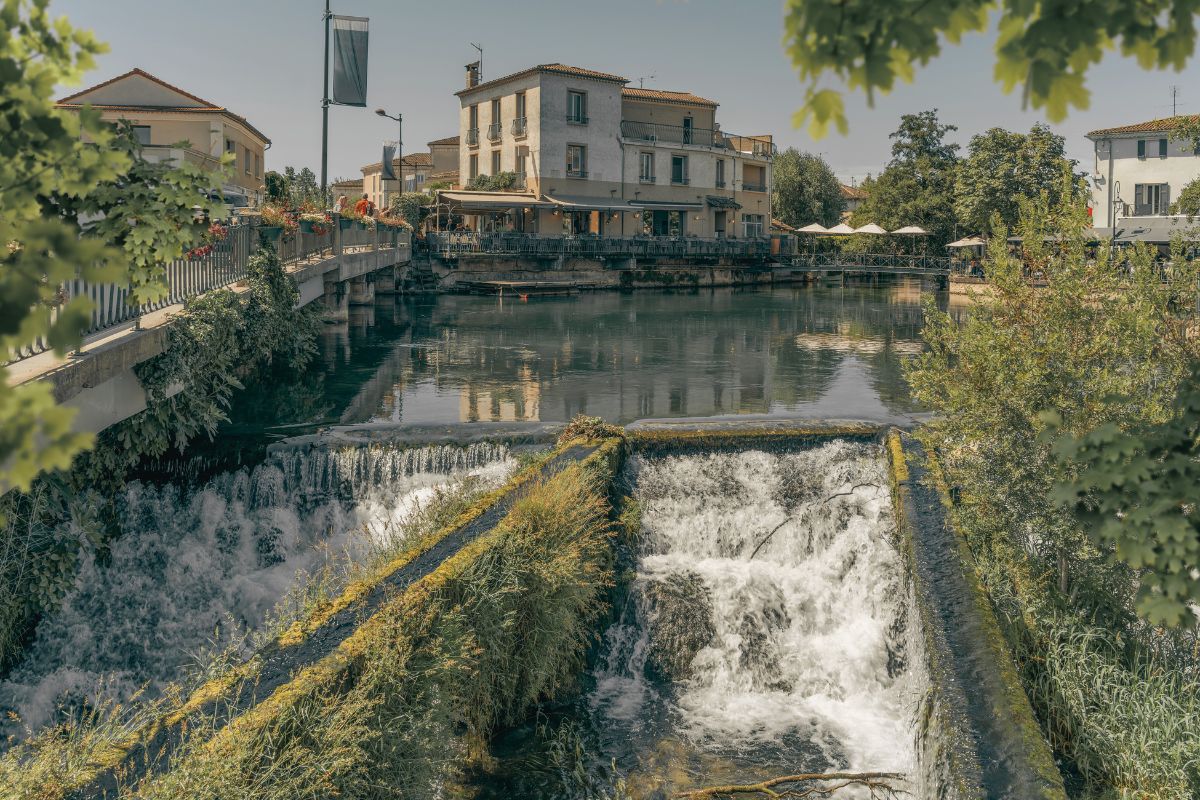
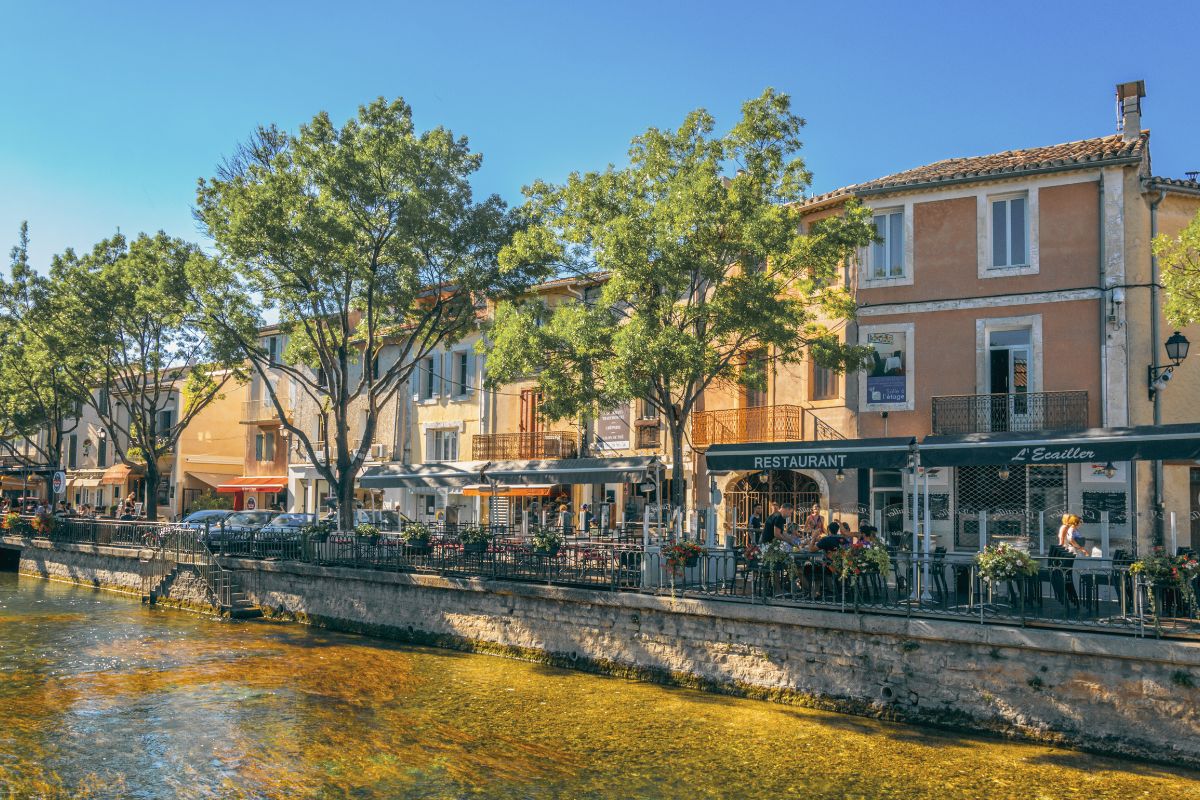
The town sits on a small island formed by branches of the Sorgue River. Canals, bridges, and riverside pathways create a setting often compared to a small, Provençal version of Venice.
Yes, in designated areas outside the town center. The water stays cool throughout summer due to its spring-fed source. Many families swim or relax near Fontaine-de-Vaucluse.
No. While Sunday is the busiest and most famous market day, the town remains lively throughout the week with shops, cafés, galleries, and the Thursday market. The canals and waterwheels make the village enjoyable at any time.
Yes. The village is compact with flat streets, short bridges, and paths along the water. Most shops, cafés, and markets are within easy walking distance.
It suits both. Collectors come for furniture, vintage objects, and rare pieces. Casual visitors enjoy browsing, discovering unique finds, and experiencing the atmosphere even if they do not plan to buy.
A half-day works for a stroll and a meal, but a full day is ideal for browsing antiques, visiting the markets, exploring galleries, and taking a riverside walk or short trip to Fontaine-de-Vaucluse.




- offering all comforts and amenities - pool, housekeeping, and chef services.
© 2026 Only Provence


Only Provence co-founder Lydia Dean writes about their experiences raising a family, building a business in Provence, and later combining the love of travel with giving back in "Jumping the Picket Fence". In 2021, she published "Light Through the Cracks," a continuation of her journey, much of which has been based in Provence. Both books are available Amazon, Amazon.uk, and Amazon.Fr.