
The Mystery of Provence’s Templars: Castles, Legends & Lost Treasures - Only Provence

The Mystery of Provence’s Templars: Castles, Legends & Lost Treasures

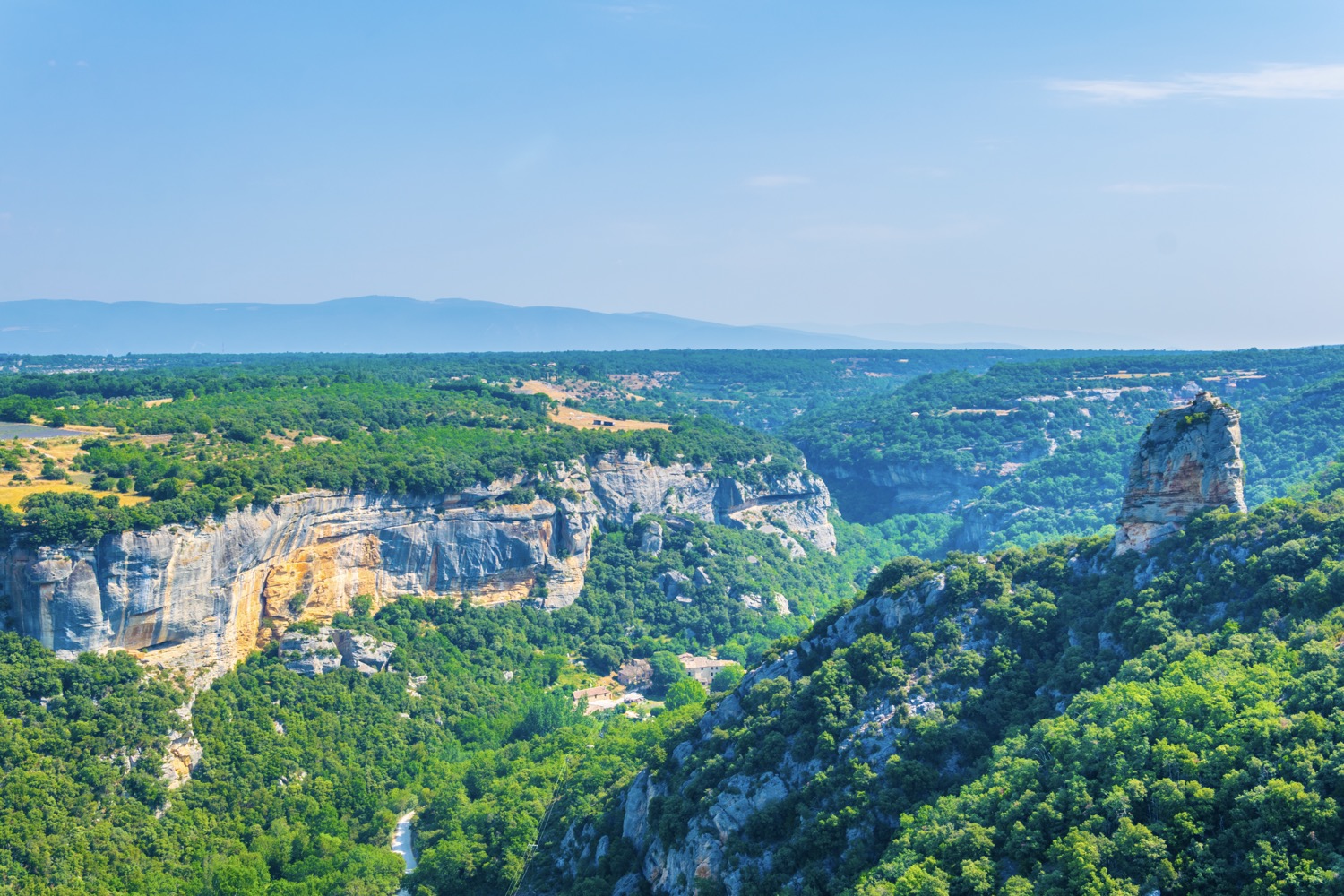
The sun sets over the Luberon, casting long shadows across ancient stone walls that have kept secrets for over 700 years. Somewhere in these hills, according to local legend, lies a fortune that vanished on Friday, October 13, 1307—the day the Knights Templar were arrested across France. Their vast wealth was never found. Their final secrets were never revealed. And Provence holds more pieces of this puzzle than anywhere else in the world.

This isn’t just medieval history. This is the story of warrior monks who became bankers, of a conspiracy that reached the highest levels of church and state, and of mysteries that still draw treasure hunters to Provençal caves and commanderies today. Whether you’re a history enthusiast, a mystery lover, or simply someone who finds romance in ruins, Provence’s Templar trail offers something extraordinary: the chance to walk through one of history’s greatest unsolved enigmas.

The Templars and Provence: Why Here?

The Poor Fellow-Soldiers of Christ and of the Temple of Solomon—the Knights Templar—weren’t just crusaders. By the 13th century, they were the world’s first international banking system, landowners across Europe, and among the most powerful organizations in Christendom. And Provence wasn’t some peripheral outpost. It was central to their empire.

Geography made it inevitable. The Mediterranean ports of Marseille and Saint-Gilles were embarkation points for the Holy Land. The region sat along major pilgrimage routes. Most critically, Provence fell under papal protection during much of the Templar era—the Pope ruled from Avignon, not Rome, creating a pocket of relative safety even as suspicion grew elsewhere.

The Templars established commanderies throughout the region—fortified agricultural estates that served as military bases, administrative centers, and economic powerhouses. They built chapels with octagonal designs echoing Jerusalem’s Dome of the Rock. They accumulated land, treasure, and influence. Then, in a single coordinated dawn raid across France, it all ended.

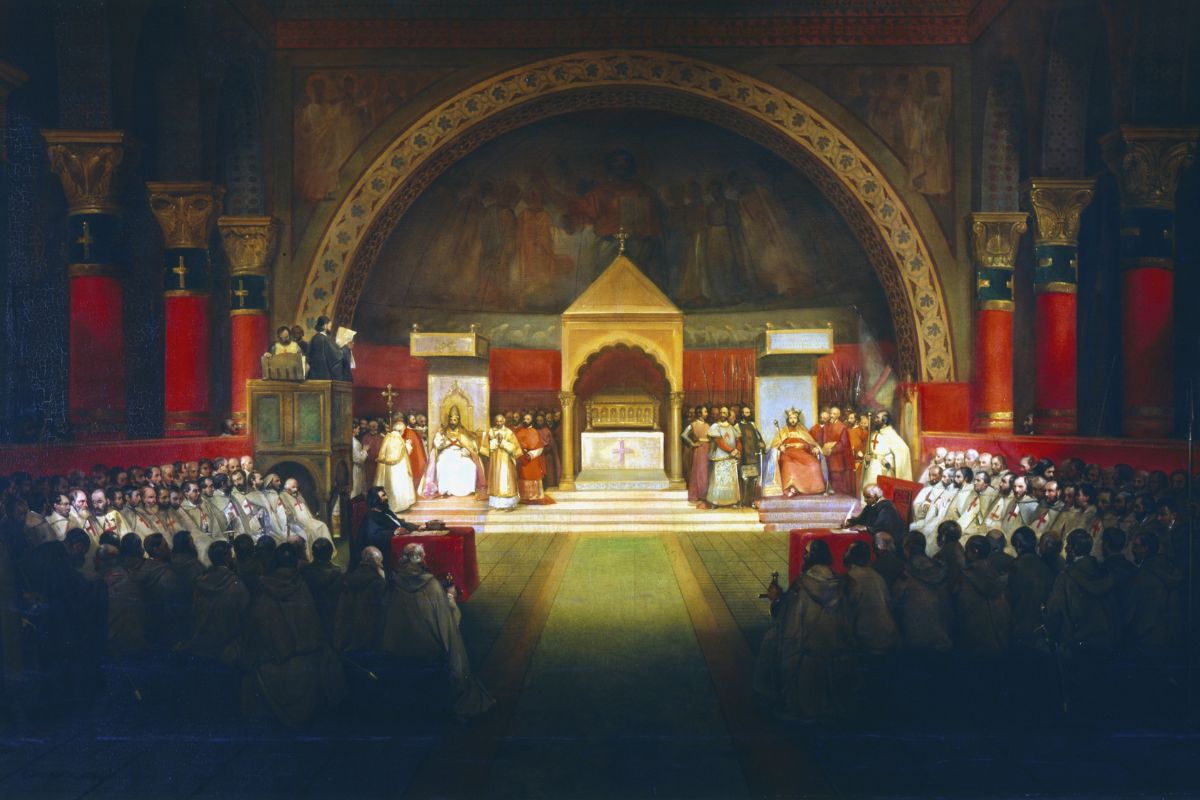
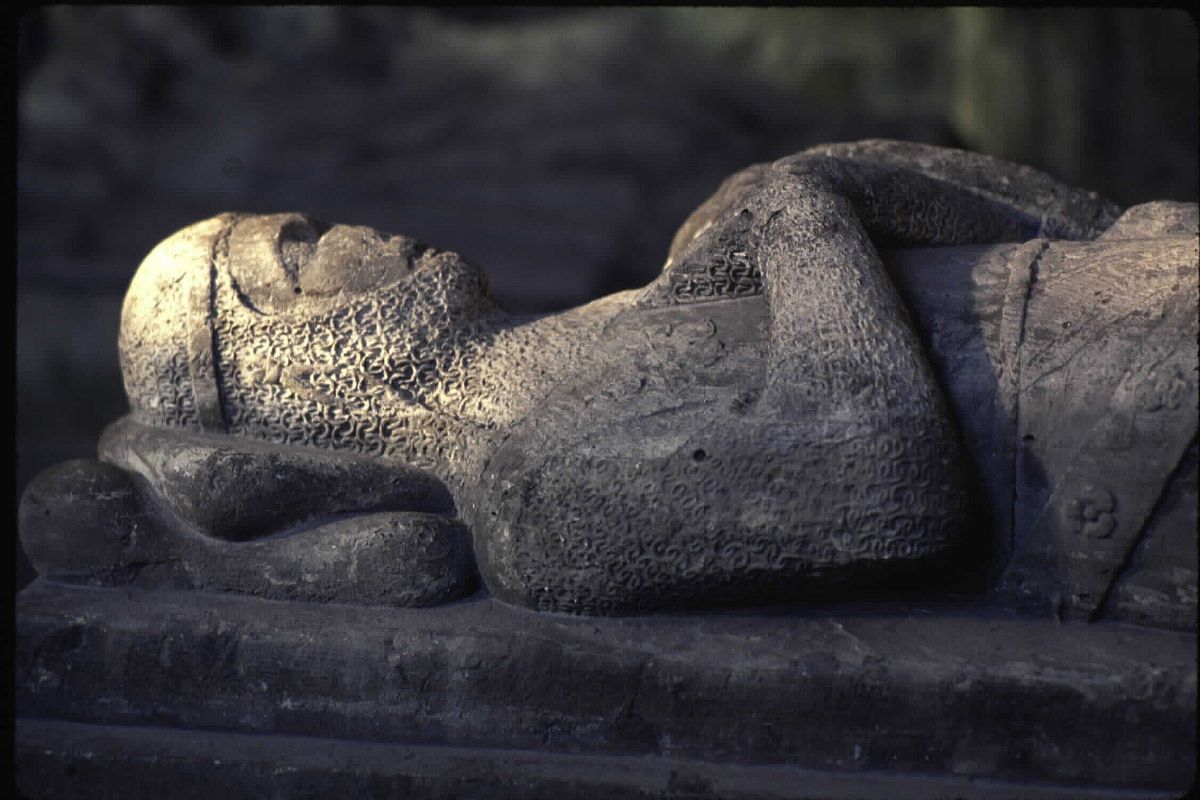
King Philip IV, deeply in debt to the Templars, ordered their arrest on charges of heresy. The Grand Master was burned at the stake. The order was dissolved. But the treasure—legendary amounts of gold, religious relics, and sacred documents—was never recovered. Some say it was spirited away before the arrests. Others believe it was hidden in plain sight, waiting.

Templar Sites You Can Visit Today

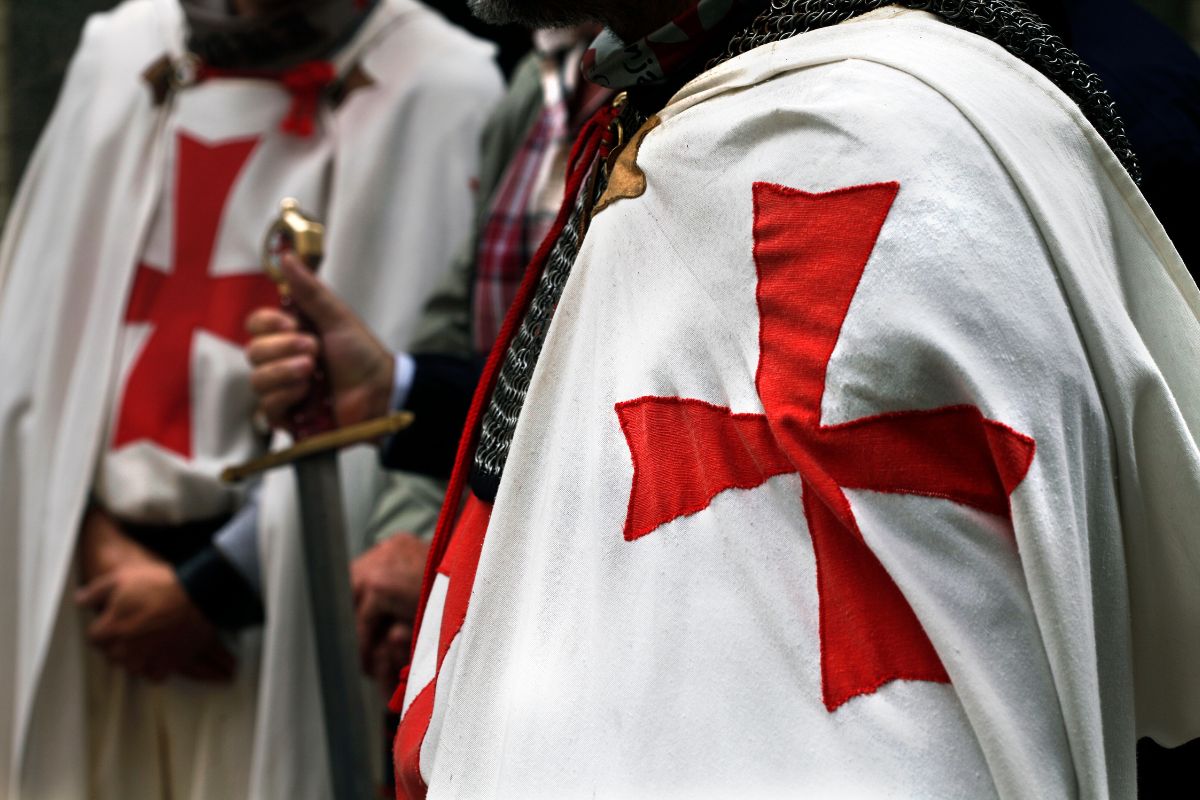
Unlike many historical mysteries that exist only in archives, Provence’s Templar legacy is tangible. You can touch the same stones the warrior monks carved. You can stand in chapels where they prayed before departing for the Crusades. You can walk through doorways marked with their distinctive red cross.

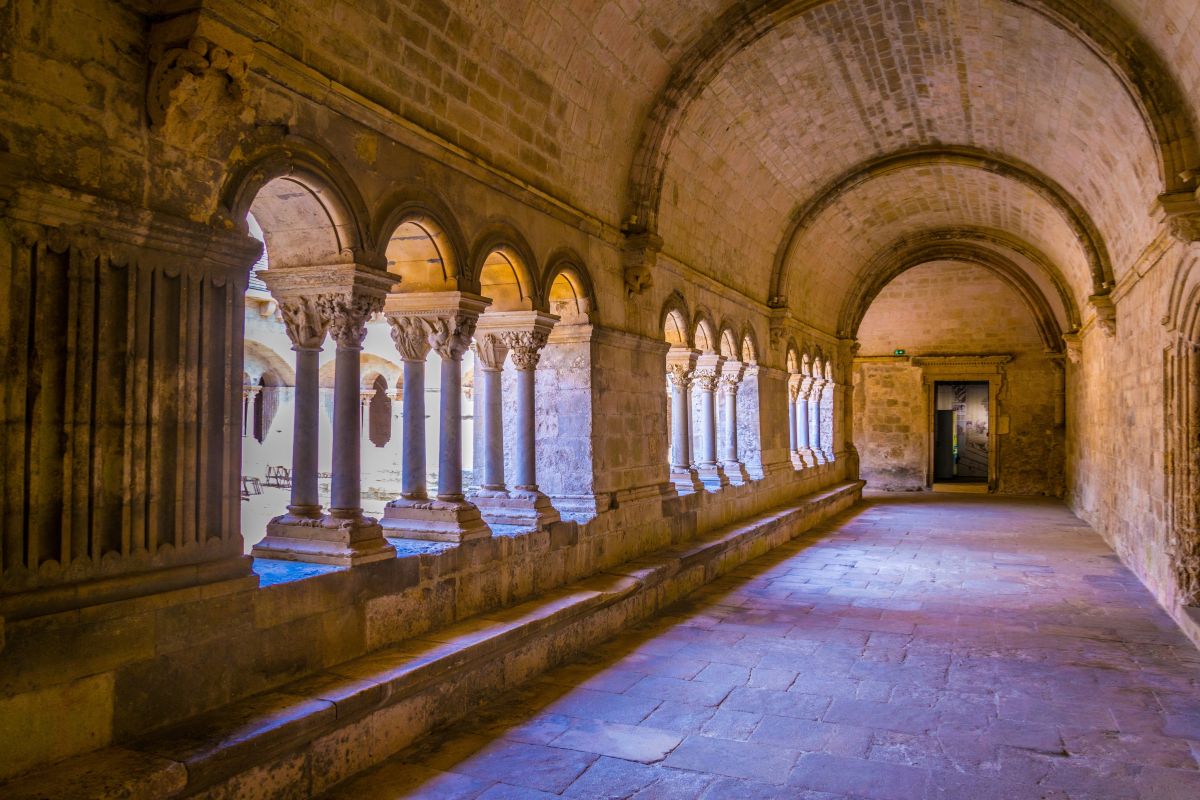
The Commanderie de Lançon (near Salon-de-Provence) is the crown jewel. This remarkably preserved 12th-century complex includes a fortified church, living quarters, and defensive walls that speak to the Templars’ dual nature—both spiritual and military. The Romanesque chapel features architectural details found nowhere else: mysterious carvings, strategic sight lines, and a design that some researchers believe incorporates sacred geometry. Local guides still point out features they can’t quite explain—stones that don’t match the period, cavities in walls that seem purposefully empty.

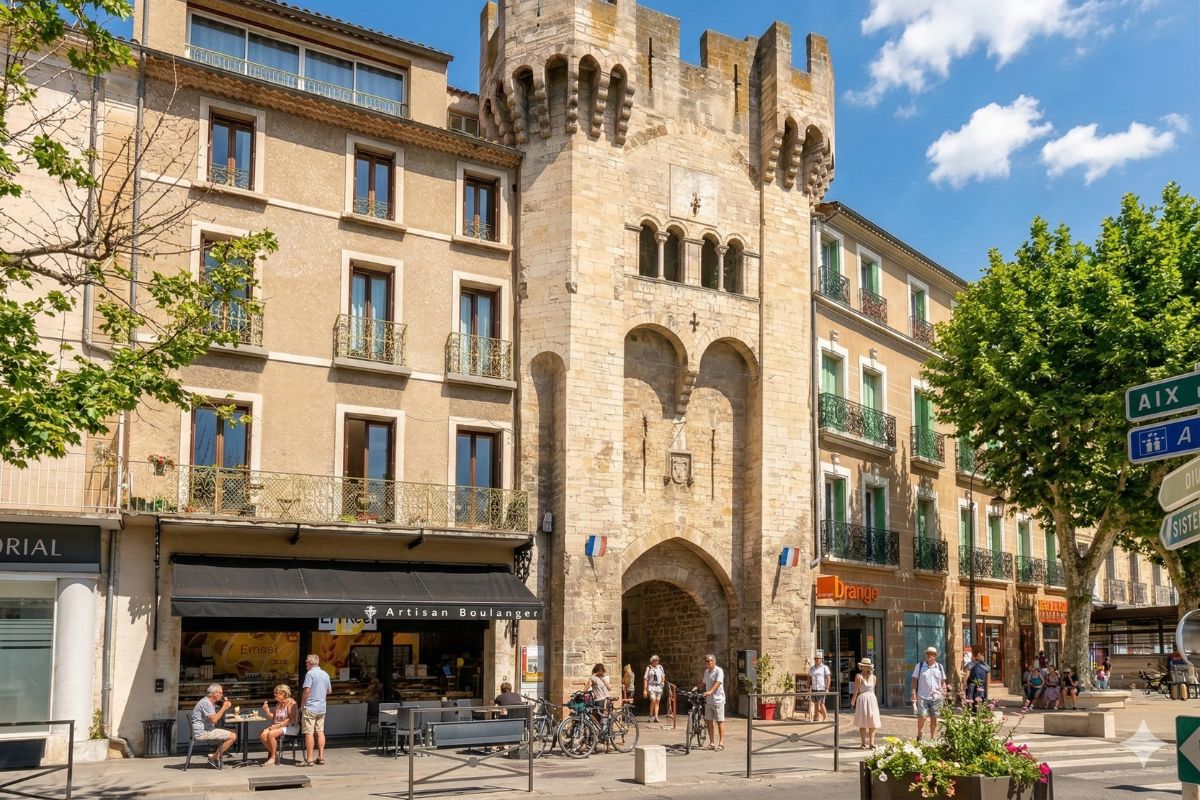
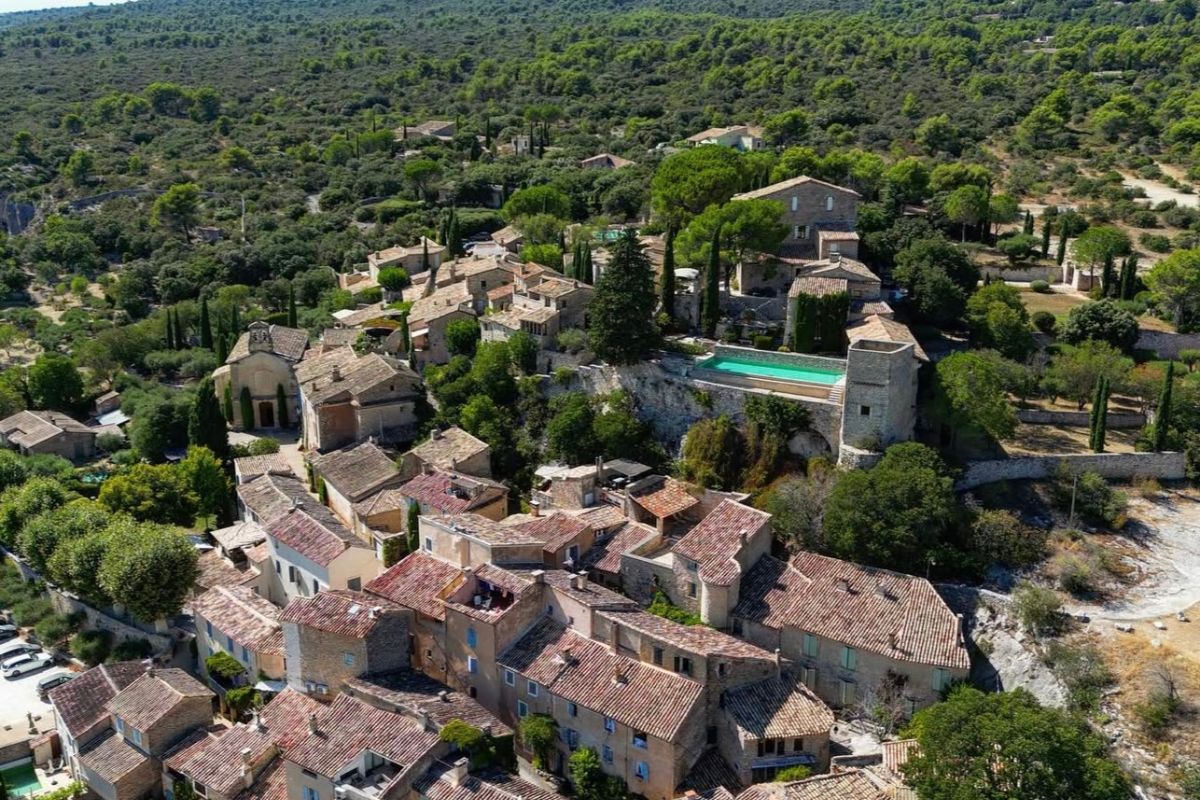
In Manosque, the old town preserves a Templar gate and the Church of Saint-Sauveur, built on Templar foundations. Walk the narrow streets at dusk and you’ll understand why conspiracy theorists love this place—ancient doorways lead to courtyards that lead to tunnels, some documented, others whispered about. The town archives contain Templar records that historians are still studying, and some remain sealed.

Richerenches offers something unique: a living Templar tradition. This tiny village hosts an annual truffle mass in the restored Templar chapel every January, where locals auction black truffles to fund preservation of the site. The chapel itself is austere, powerful, and marked with symbols that blur the line between Christian orthodoxy and something more esoteric. Stand inside and you’ll feel why the Templars chose this exact spot.

Near Arles, remnants of the Templar quarter survive, though you need to know where to look. A carved cross here, a repurposed foundation stone there—the Templars left breadcrumbs across the city. Local historians can point you toward features in plain sight that most tourists walk past daily.

The Legends: What Disappeared and Where It Might Be

Here’s where history becomes mystery. The documented wealth of the Templars was staggering—accumulated through donations, shrewd investments, and the spoils of crusade. When Philip’s men raided Templar properties across France, they found far less than expected. The Paris treasury, which should have contained a fortune, was nearly empty. The same pattern repeated across major commanderies.

So where did it go?

One theory centers on the Templar fleet. Documents suggest ships left La Rochelle just before the arrests, possibly heading to Scotland, Portugal, or—according to some researchers—back to Provence’s hidden coves. The Mediterranean coastline between Marseille and Cassis contains hundreds of caves, many accessible only by sea, many never fully explored.

Local Provençal folklore is rich with stories. Old men in Luberon villages will tell you about shepherds who found chambers sealed with Templar symbols, about wells that descend far deeper than necessary for water, about tunnels connecting commanderies that official histories don’t acknowledge. Some of these stories can be verified—there are indeed tunnels. Some cannot. The question is which ones to believe.

The connection to Rennes-le-Château, just beyond Provence’s western border in Languedoc, adds fuel to the fire. The infamous mystery of a parish priest who suddenly became wealthy in the 1890s has been linked to possible Templar treasure discoveries. Some researchers trace potential hiding spots from there into Provence’s Luberon caves, following medieval Templar routes.

Are any of these legends true? Archaeological evidence is frustratingly inconclusive. Small caches have been found—coins, religious artifacts, fragments of documents. But the legendary “great treasure”? It remains elusive. Which, of course, only makes it more alluring.

Reading the Clues: Templar Symbolism in Stone

What makes exploring Templar sites genuinely fascinating—beyond treasure legends—is learning to read their language. The Templars communicated through architecture and symbol in ways we’re still deciphering.

Look for octagonal designs in chapels—eight-sided structures echoing Islamic architecture from Jerusalem, unusual in medieval Catholic churches. Notice how Templar buildings often align with astronomical events, with windows positioned to capture specific light on solstices. Observe the placement of their commanderies: always near water sources, always with clear sight lines, always positioned for defense and escape.

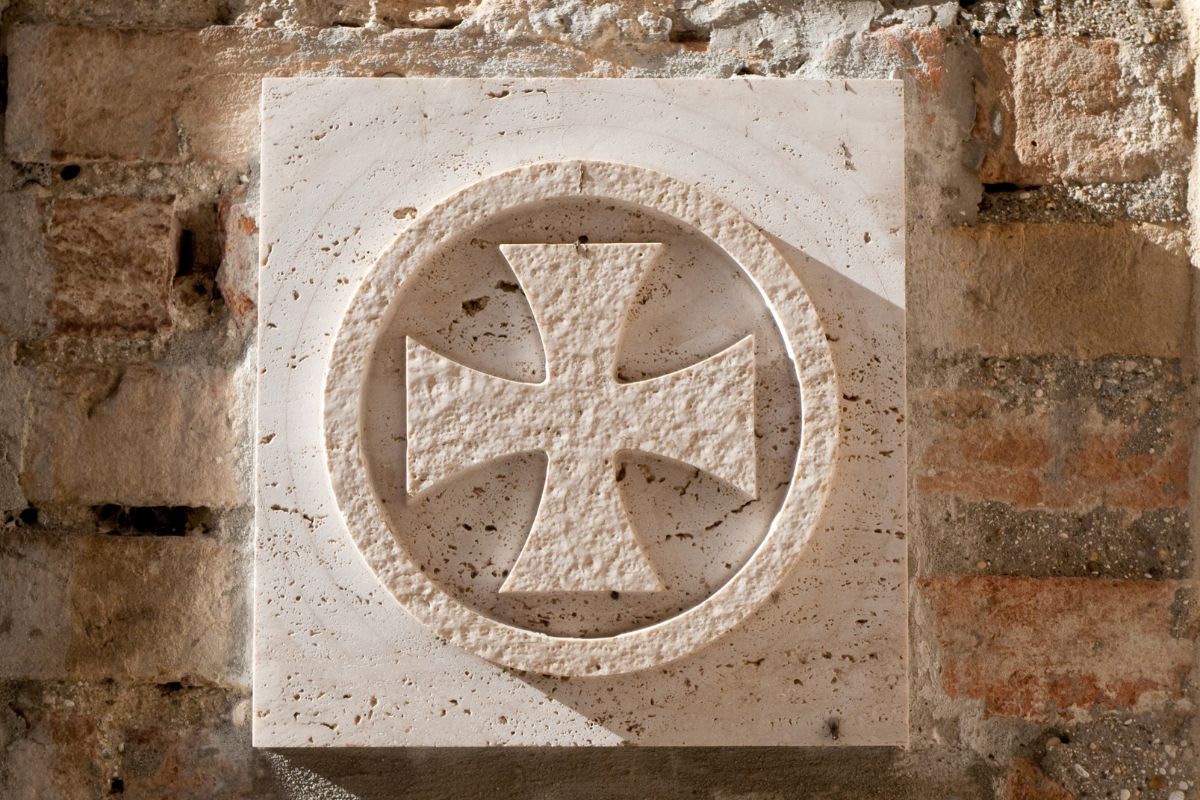
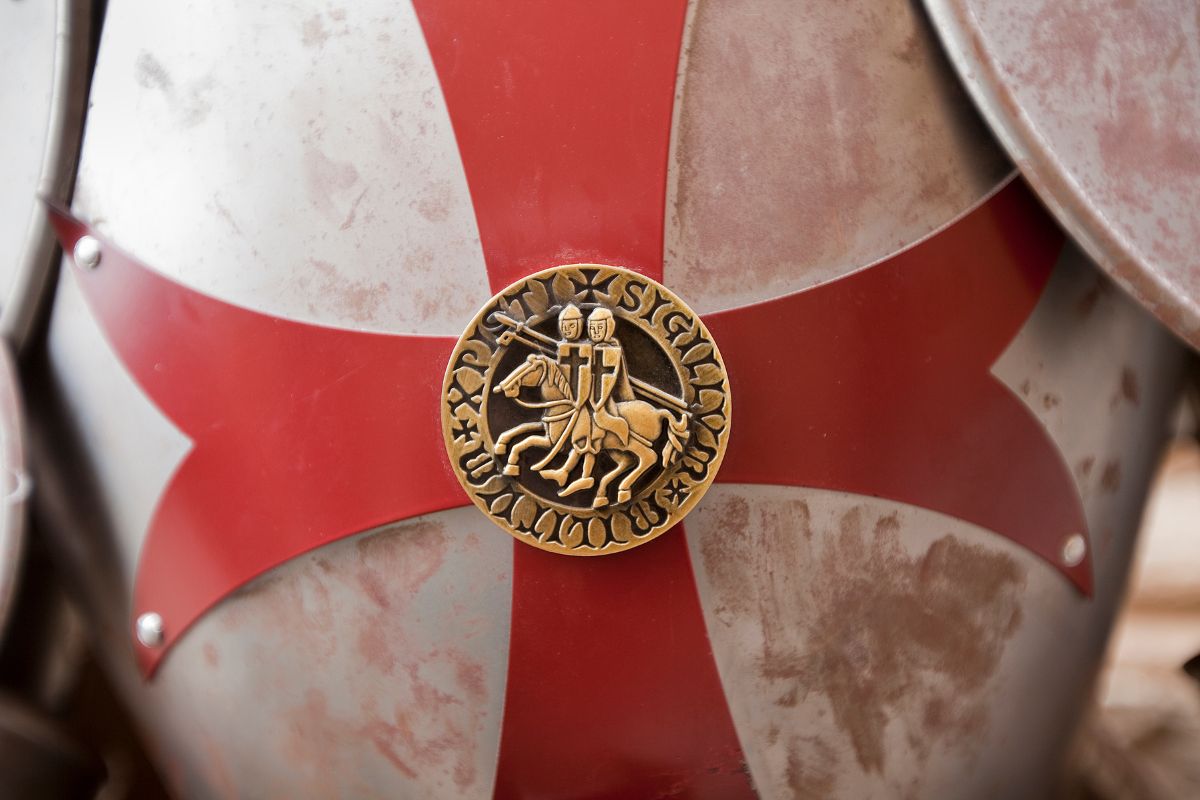
The red cross itself varied. The straight-armed cross pattée is most famous, but Provence’s Templar sites show variations—some with flared ends, some surrounded by circles, some paired with other symbols whose meanings are debated. Were these regional variations? Different ranks? Coded messages? We don’t definitively know.

Some carvings remain genuinely mysterious. At certain sites, you’ll find symbols that don’t match standard Templar iconography or conventional religious imagery. Green Men faces, labyrinth patterns, astronomical diagrams—elements that suggest the Templars either incorporated pre-Christian traditions or possessed knowledge beyond what their official role implied.

This is why walking these sites with an informed guide transforms the experience from tourism to investigation. You begin to see patterns. You start asking questions that don’t have easy answers.

Modern Mysteries and Ongoing Discoveries

The Templar story isn’t closed. New discoveries continue to emerge from Provence’s soil.

In 2021, restoration work at a church near Arles uncovered a sealed chamber containing 13th-century documents and artifacts clearly Templar in origin. The contents haven’t been fully published, but researchers hint at correspondence that challenges some accepted historical narratives. Similar discoveries happen irregularly—a walled-up room here, a hidden crypt there.

Amateur treasure hunters, drawn by legends and armed with metal detectors, remain active despite legal restrictions. Some have been prosecuted for unauthorized excavation. Others claim to have found evidence they won’t reveal for fear of government confiscation. The line between archaeological enthusiasm and treasure obsession blurs quickly in these hills.

Why haven’t professional archaeologists excavated every known Templar site? Funding, priorities, and in some cases, politics. Certain properties remain in private hands or under church control. Some local communities prefer to preserve mystery rather than seek definitive answers—the legends themselves have value, drawing visitors and maintaining cultural identity.

Perhaps most intriguingly, ground-penetrating radar surveys of known Templar commanderies have revealed anomalies—chambers and voids that don’t appear in historical records. Many remain unexplored, awaiting funding or permission or simply the right political moment. The earth still holds secrets.

Your Own Templar Trail Through Provence

Creating a Templar itinerary through Provence is surprisingly feasible. Unlike scattered ruins in other regions, Provence’s sites cluster in areas already beloved by travelers.

A logical route might begin in Salon-de-Provence (the Commanderie de Lançon), continue to Manosque (about 90 minutes east), swing north to Richerenches (truffle country), then south through Arles before ending along the coast near Marseille where Templar ships once departed for the Holy Land. Each stop offers not just Templar history but also excellent dining, wine tasting, and the usual Provençal pleasures.

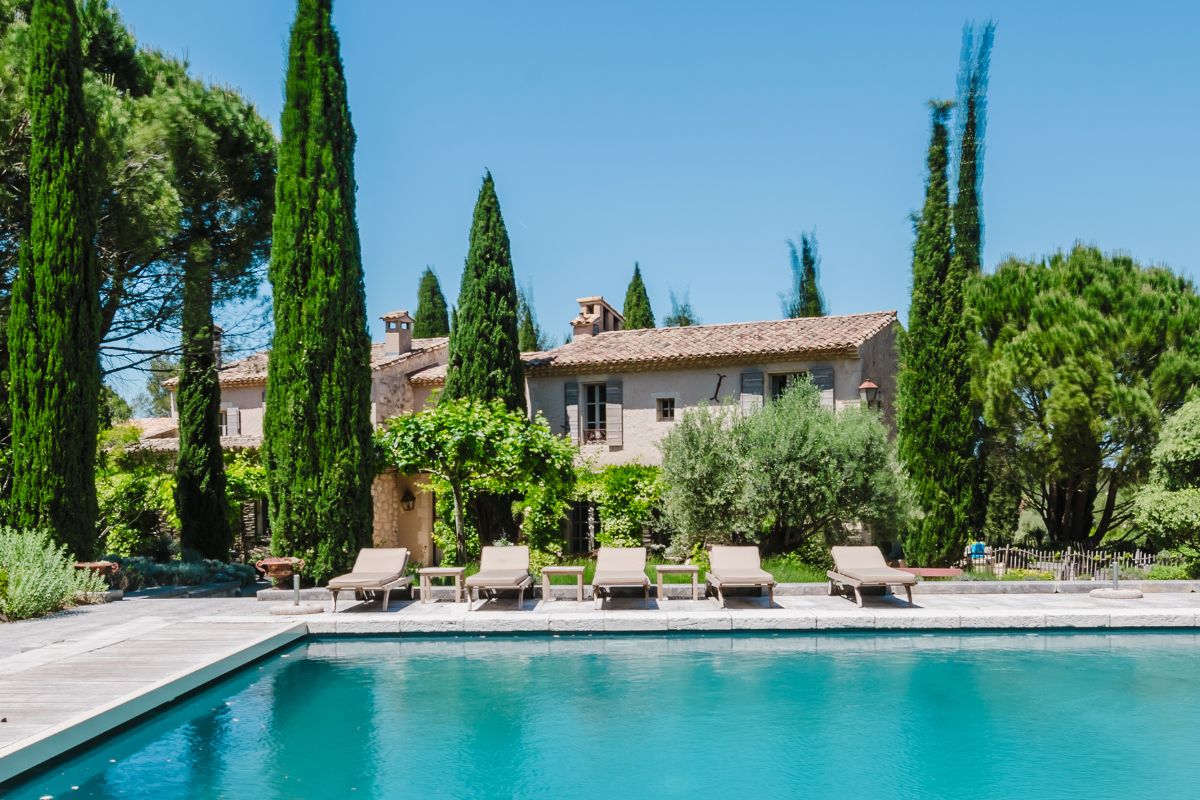
The best base for Templar exploration? A villa in the Luberon or near Salon puts you within an hour of most major sites. Unlike museum-hopping in cities, Templar hunting benefits from the flexibility of your own schedule—these sites are often in small villages with limited hours, and the most atmospheric moments happen at dawn or dusk when you might have a commanderie entirely to yourself.

Combine Templar exploration with Provence’s other medieval treasures—Roman ruins, fortified hilltop villages, ancient abbeys—and you’ve got an itinerary that satisfies both history enthusiasts and those who simply love beautiful places with stories to tell.

The Real Treasure: Time and Space to Explore

Perhaps the most seductive aspect of Provence’s Templar mystery isn’t gold or relics. It’s the gift of time in a landscape where history remains vivid, where questions outnumber answers, and where a week of exploration barely scratches the surface.

This kind of travel—following your curiosity through medieval ruins, lingering over local legends in village cafés, taking backroads to remote chapels based on a historian’s offhand comment—can’t be rushed. It can’t be packaged into a cruise ship excursion or a bus tour itinerary. It requires the freedom to wake up and decide today’s the day to find that cave you read about, or to spend an entire afternoon in a single commanderie, letting the place reveal itself slowly.

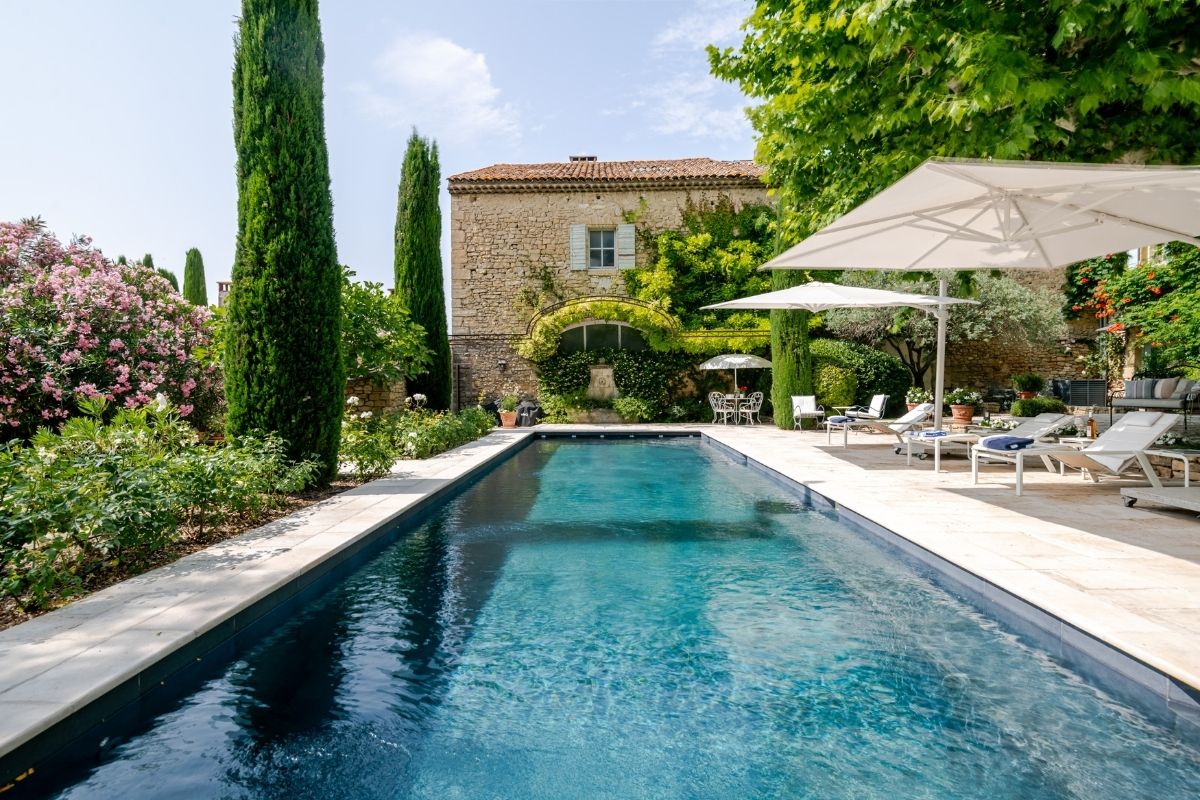
This is where a luxury villa in Provence becomes more than accommodation—it becomes your own private commanderie, your base of operations for investigation and discovery. Return from a day of Templar hunting to a pool overlooking the same Luberon hills where warrior monks once rode. Pour local wine that might come from vineyards the Templars planted. Gather around a long table and debate whether that symbol you photographed was intentional or coincidental.

The Templars understood the power of place, the strategic value of choosing exactly the right spot to build, to settle, to make a stand. Seven hundred years later, that same choice faces you: where in Provence to base your own exploration, which landscape will frame your days, which view will greet you each morning as you plan the next discovery.

The treasure might still be buried somewhere in these hills. Or it might have been found centuries ago. Or it might never have existed as legend describes. But the real fortune is simpler: unhurried days in one of Europe’s most storied landscapes, following mysteries that have captivated imaginations for seven centuries, with the freedom to explore at your own pace.

Book your villa today. The secrets of Provence are waiting.

Provence Journal

Related Posts You Might Like

A distinct collection of luxury villa rentals and real estate for sale in the South of France

- offering all comforts and amenities - pool, housekeeping, and chef services.

© 2026 Only Provence

Jumping the Picket Fence Light Through the Cracks

Only Provence co-founder Lydia Dean writes about their experiences raising a family, building a business in Provence, and later combining the love of travel with giving back in "Jumping the Picket Fence”. In 2021, she published “Light Through the Cracks,” a continuation of her journey, much of which has been based in Provence. Both books are available Amazon, Amazon.uk, and Amazon.Fr.