Avignon
Medieval beauty, culture, and Provençal spirit.
Quick Link to a Section

Quick Link to a Section
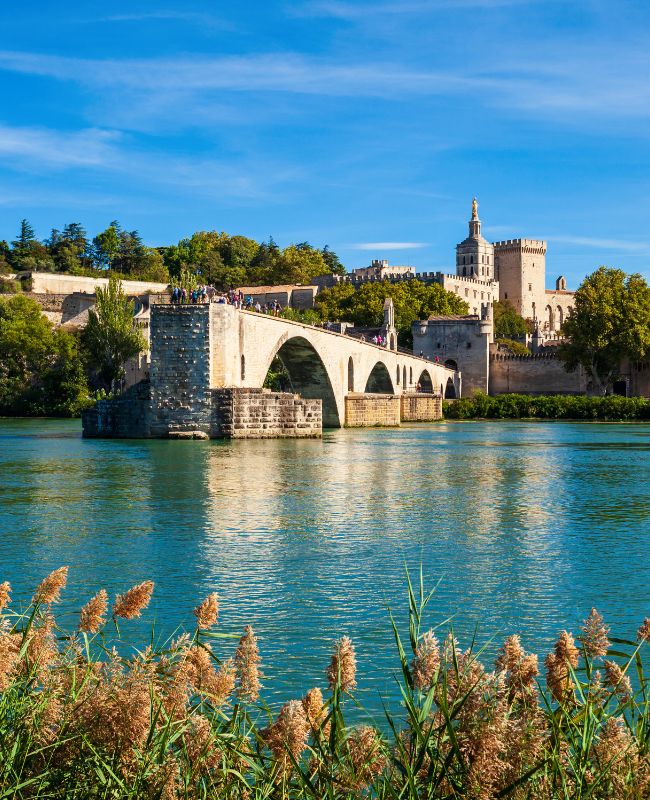
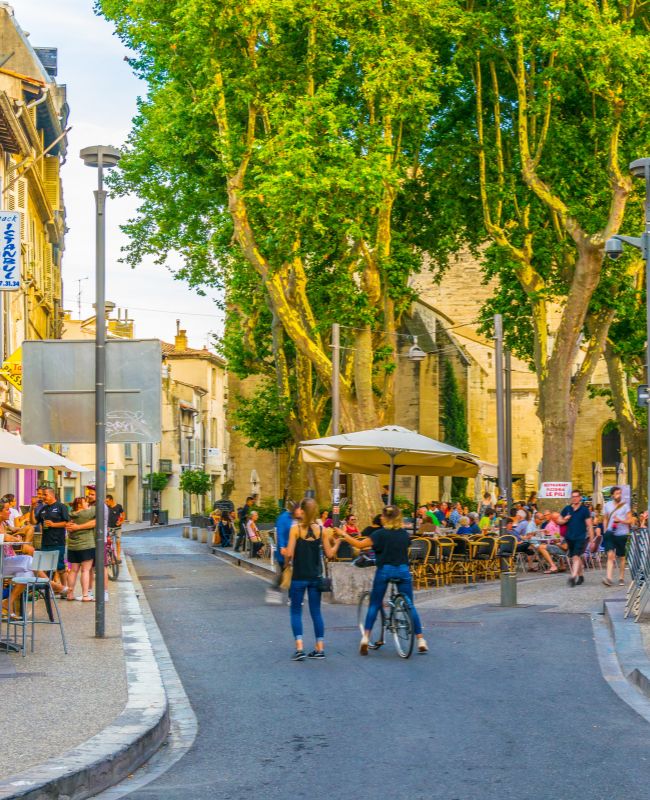
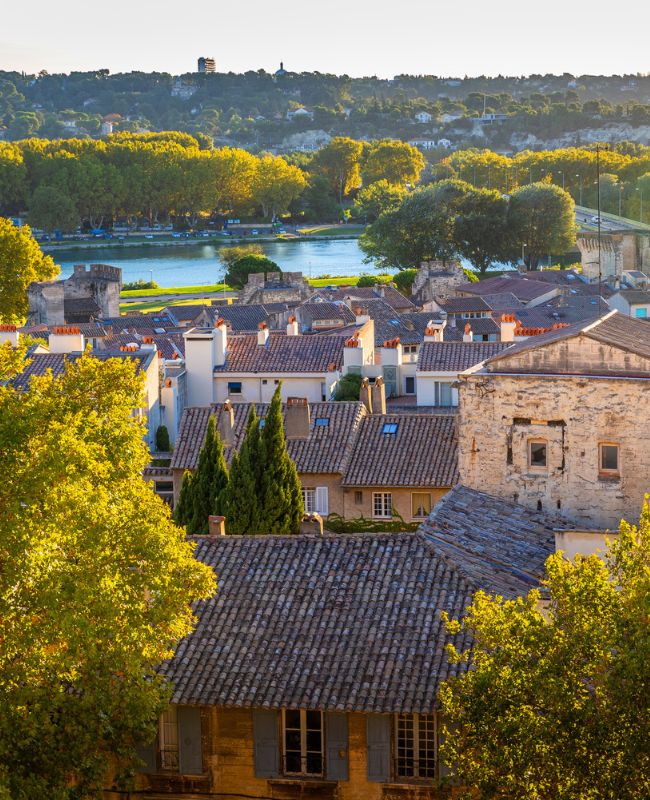
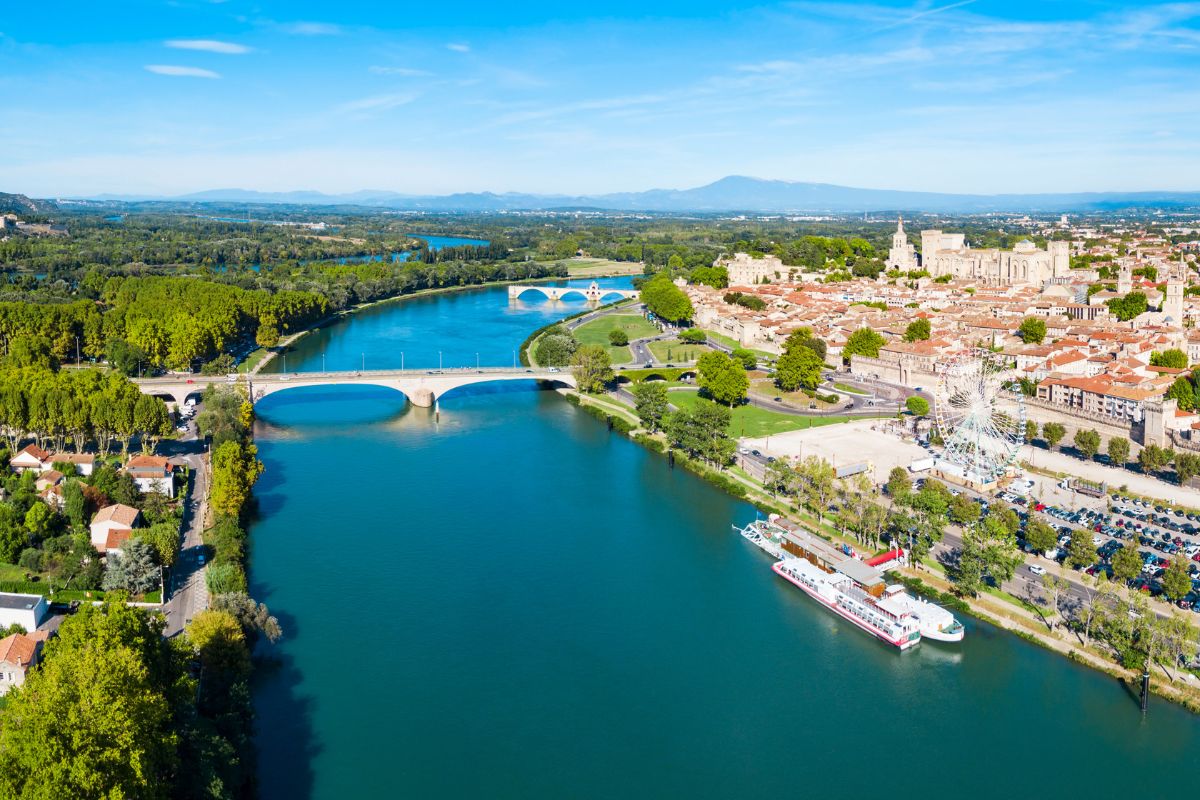
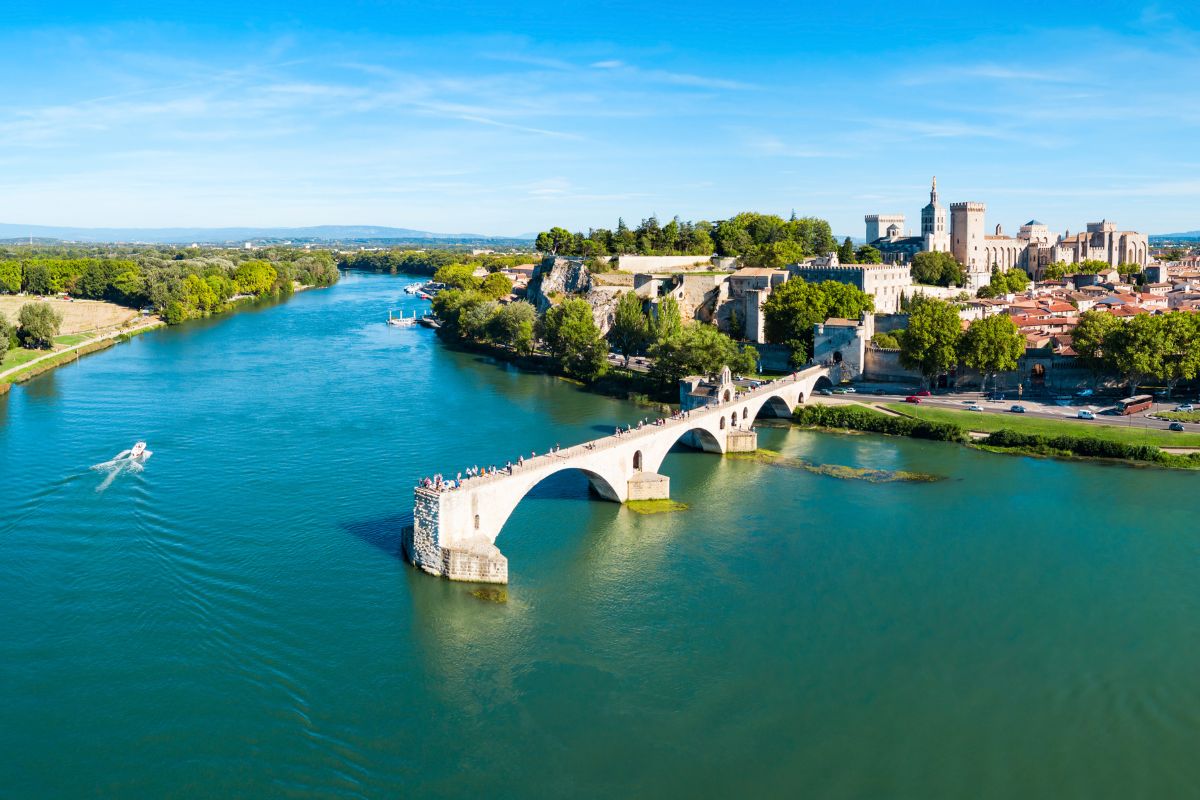
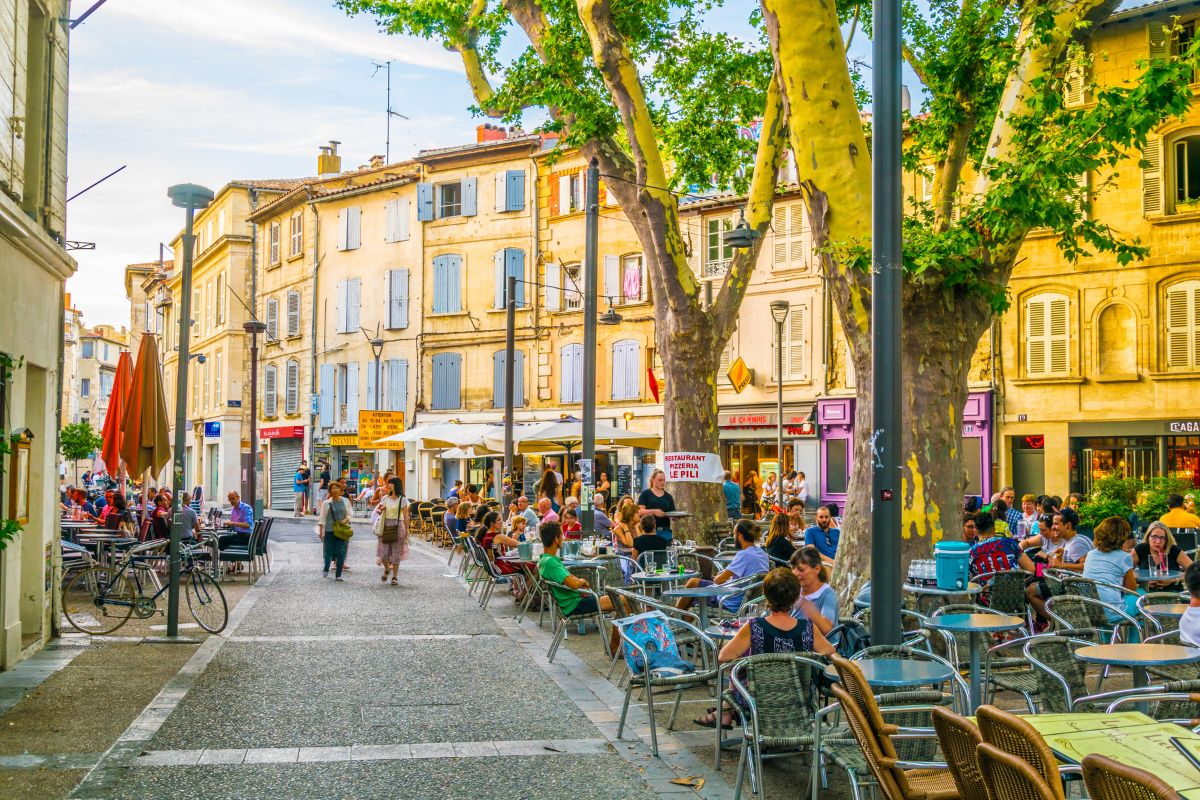
Avignon sits along the Rhône River, which shapes both its scenery and its strategic past. Inside the ramparts, streets lead to shaded courtyards, stone passageways, and open plazas that shift in energy from morning markets to lively evenings. The cultural scene remains strong, helped by the city’s university, numerous galleries, and an arts calendar that stays active throughout the year. The city also acts as a gateway to the wider region. Within minutes you reach vineyards, hilltop villages, and protected natural areas.
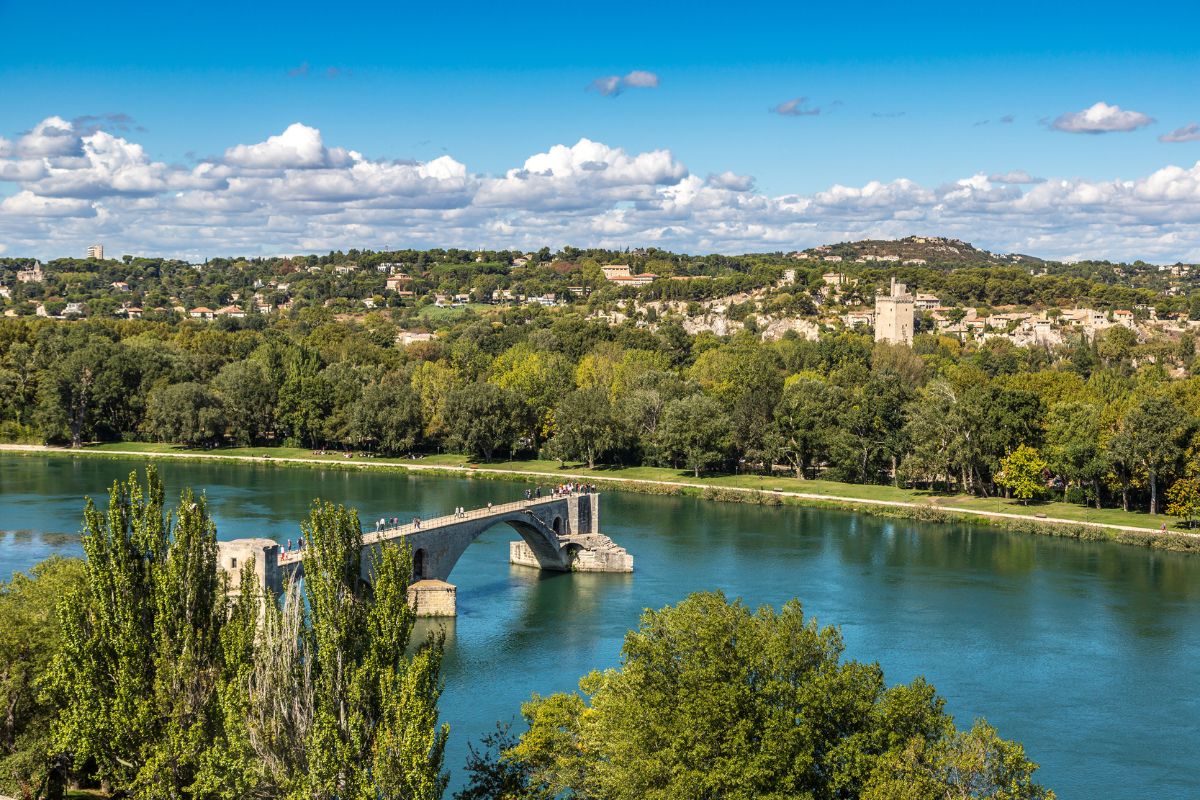
Across the short bridge lies Villeneuve-lès-Avignon. This village offers a slower pace, historic buildings, and calm residential streets. It pairs naturally with Avignon for visitors who want access to the city’s cultural life while enjoying space, gardens, and open views across the Rhône. Together, they form one of the most balanced urban-and-village combinations in Provence.
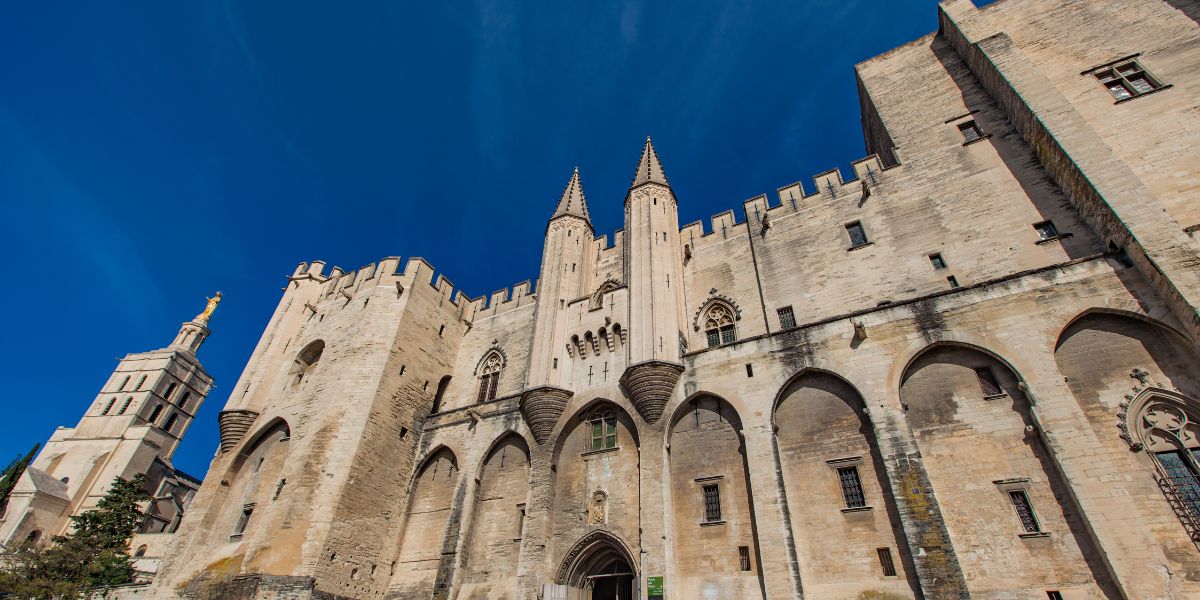
Avignon’s most significant period began in the fourteenth century when it became the seat of the papacy. In 1309, Pope Clement V moved the papal court from Rome to Avignon, seeking stability and secure governance at a time when Italy faced internal conflict. The city’s location, strong fortifications, and proximity to major trade routes made it a practical and strategic choice.
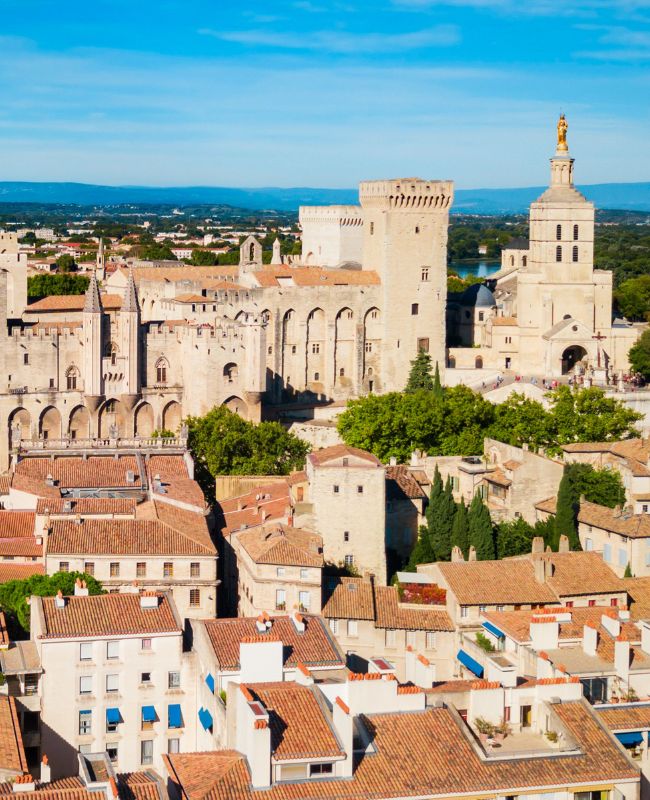
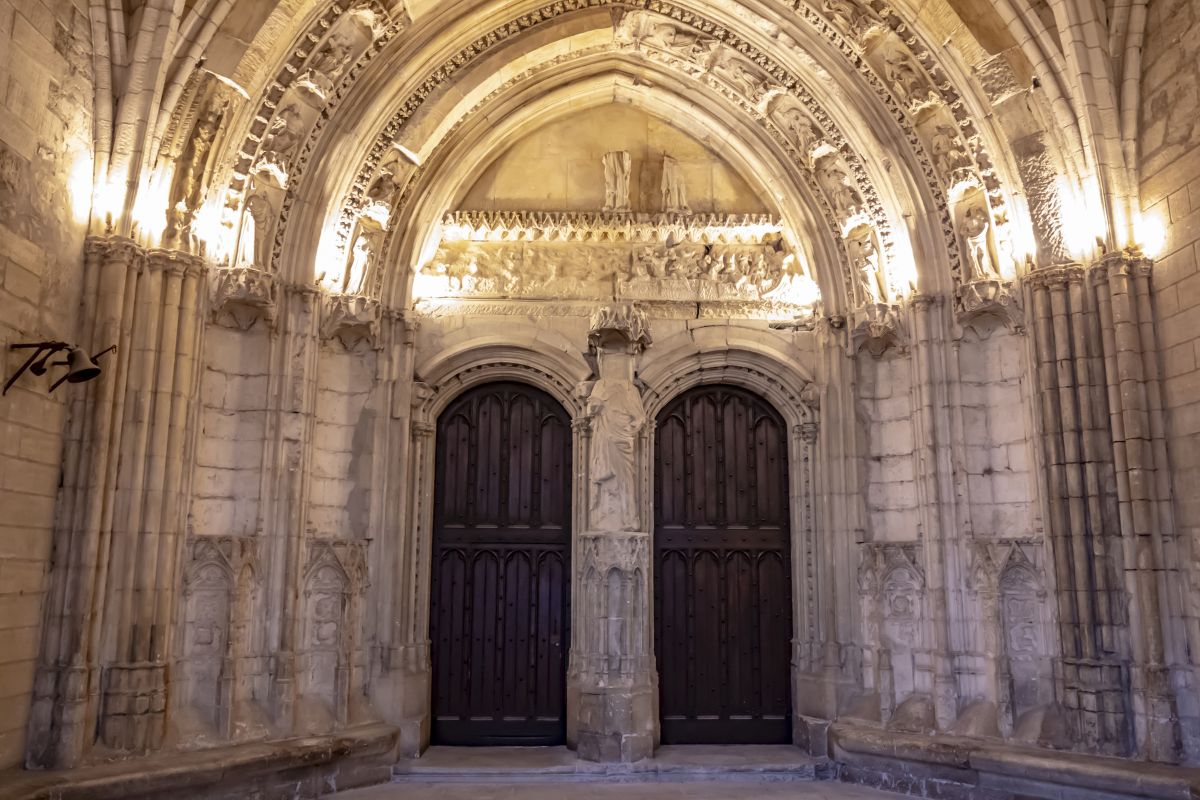
Over the next decades, Avignon transformed into a major center of religious and political influence. The Palace of the Popes grew into one of the largest Gothic buildings in Europe. Churches, chapels, monasteries, and administrative structures were added to support the expanding court. The city attracted scholars, artists, architects, merchants, and tradespeople who contributed to its development and cultural identity.
Although the papacy later returned to Rome in the late fourteenth century, Avignon’s importance did not fade. The city remained under papal control for centuries and continued to play a role in southern France’s political and religious affairs. Its walls, bridges, and religious structures survived conflict and change, allowing Avignon to retain a remarkable level of historic integrity.
In the twentieth century, the creation of the Avignon Theatre Festival strengthened the city’s modern cultural reputation. Today, Avignon stands as a blend of medieval architecture, active arts programming, and a strong sense of place rooted in its centuries-old identity as the city of the Popes.



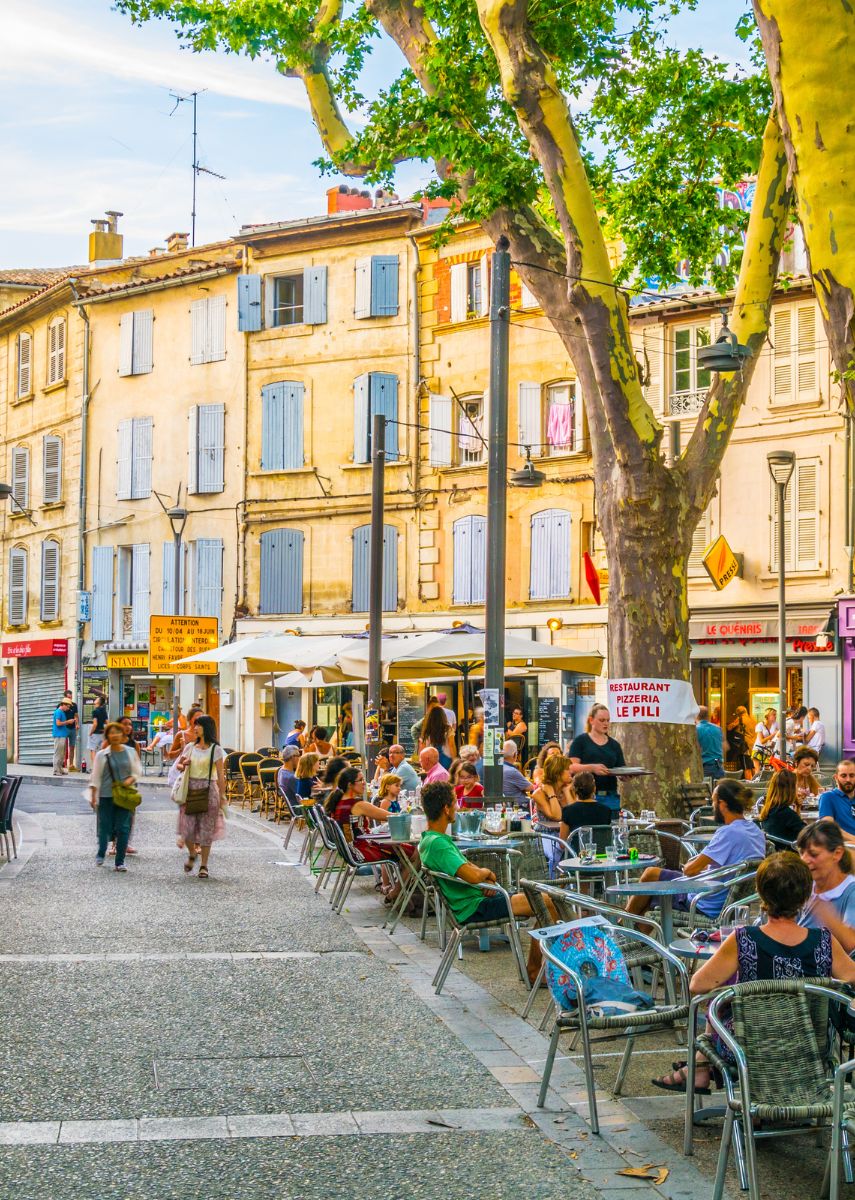
Avignon hosts weekly markets on Tuesday and Friday mornings, with vendors offering produce, cheeses, flowers, and regional goods. Villeneuve-lès-Avignon also holds a lively Tuesday market known for its food stalls, antiques, and open-air atmosphere. These markets provide an easy look at daily life in the city and access to seasonal ingredients.
Avignon’s dining scene ranges from traditional bistros to refined restaurants with menus built around regional produce. The streets around the Place de l’Horloge, Rue Joseph Vernet, and the main squares offer many options for lunch or dinner. To stay current, refer to TripAdvisor or local guides, which track new openings and seasonal changes.
To help you navigate, visit our Google Maps link for Avignon where we have tagged our preferred spots across the city:
Vineyards near Avignon include Tavel and Châteauneuf-du-Pape, both recognized for strong regional identities.
Most vineyards close on Sundays and during lunch hours, so plan accordingly.
Avignon
• La Fabrique des Saveurs. 2 rue Grivolas
• Bella Ciao. 43 Rue des Fourbisseurs
• Patrick Mallard. 22 Rue Vieux Sextier
Villeneuve-lès-Avignon
• Marcelin. 18 Rue de la République
Small épiceries are scattered throughout the center.
Carrefour City on Rue de la République is one of the most convenient with extended hours. Larger supermarkets sit just outside the center in nearby commercial areas.
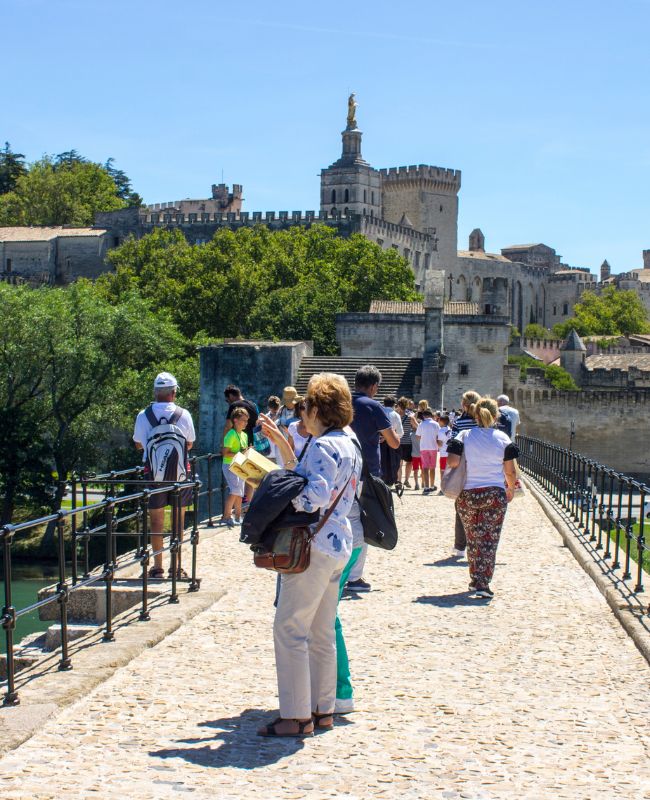
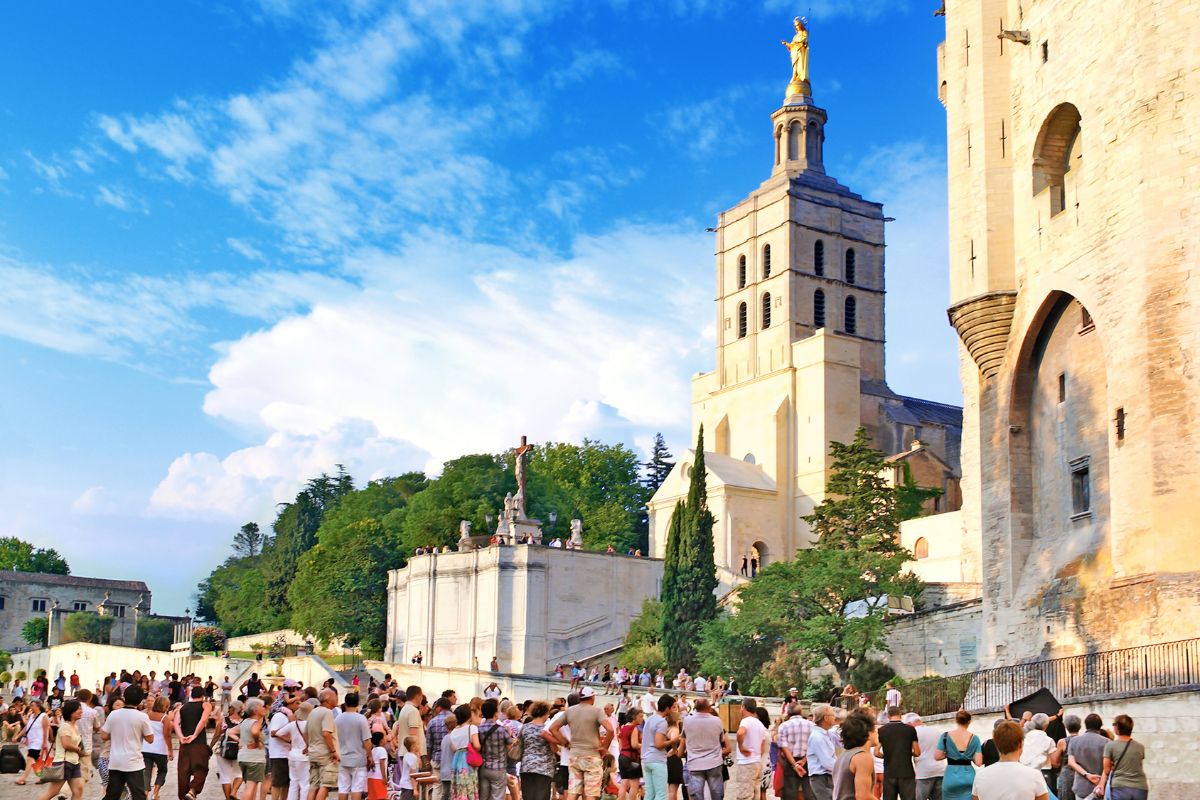
Begin at the Palais des Papes, where the sheer scale of the fortress immediately sets the tone for Avignon’s history. Standing in the open square, it becomes clear how power, religion, and architecture shaped the city. Take time to walk the perimeter, watching the light shift across the stone and the rhythm of the square unfold.
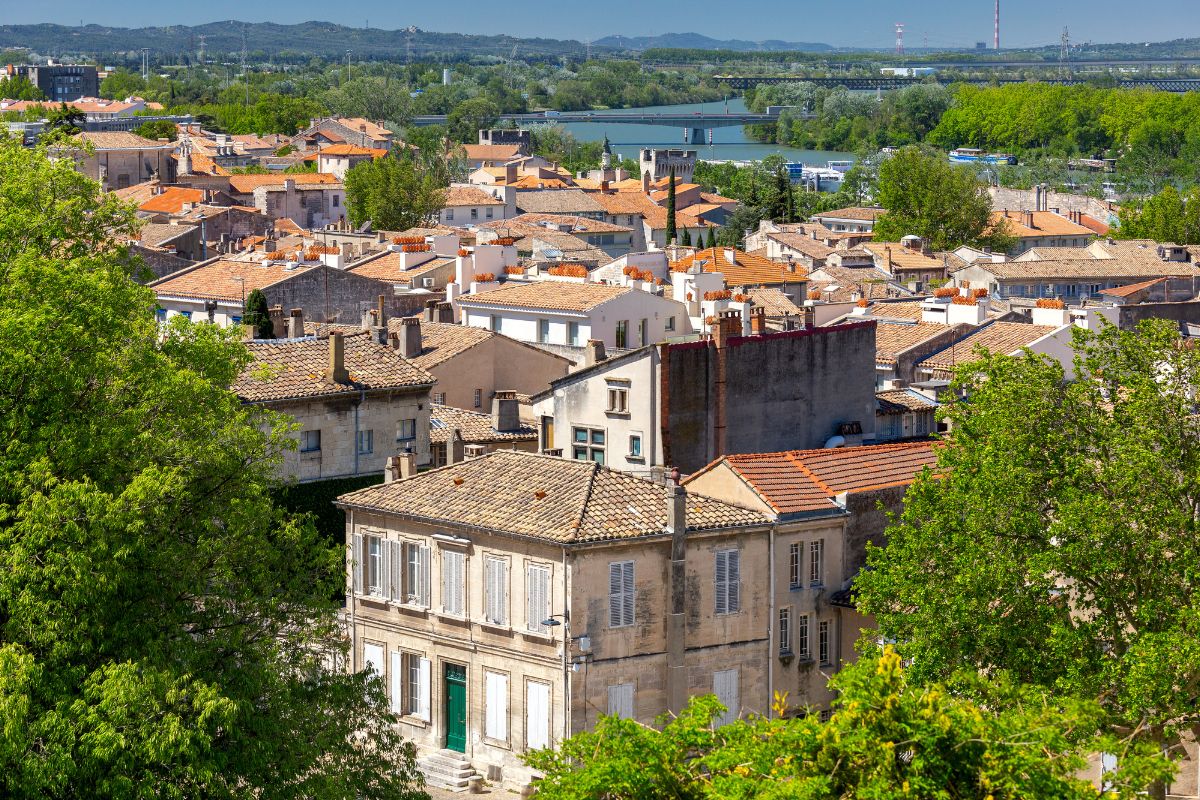
From the palace, continue toward Avignon Cathedral, then pass through the shaded paths of the Rocher des Doms gardens. As you climb, the city gradually opens beneath you, revealing views over the Rhône, the Pont Saint-Bénézet, and the surrounding countryside. End at the viewpoints overlooking the river, where Avignon’s past and present feel most clearly connected.
Art and culture define Avignon’s identity. As the former seat of the papacy, the city carries a legacy of power, faith, and creativity that still shapes its streets and monuments today. From grand medieval architecture and world-class museums to contemporary galleries and the internationally renowned theatre festival, Avignon offers a cultural experience that feels both historically monumental and vividly alive.
Walk the ramparts and the Chemin de Ronde for elevated views. Explore the Rocher des Doms gardens for shaded paths and a peaceful retreat from the center. For longer outings, follow riverside paths along the Rhône or drive into the surrounding countryside for easy walks and scenic drives.
Avignon’s central location makes it an ideal base for exploring Provence. Within a short drive, landscapes shift from vineyards and hilltop villages to Roman ruins, Alpilles limestone peaks, and Mediterranean coastline. Whether you’re drawn to history, nature, or food and wine, day trips from Avignon offer remarkable variety with minimal travel time.
Children enjoy the open plazas, gardens, and riverside paths. The Rocher des Doms offers space to run, shaded benches, and views across the valley. The museums listed above offer short, manageable visits. Villeneuve-lès-Avignon has calm streets for easy family walks, and many vineyards nearby welcome families outdoors while adults enjoy a tasting.
Explore the Palais des Papes, where towers, halls, and courtyards feel like a real-life castle



Avignon is known for the Palace of the Popes, its medieval ramparts, the annual theatre festival, and its well-preserved historic center.
Two to three days allow you to visit major sites, explore the old town, enjoy the markets, and take a short trip to nearby villages or vineyards.
Yes. The historic center is compact and easy to explore on foot, with many pedestrian streets.
Spring and early autumn offer comfortable temperatures and active cultural events. Summer is lively with the theatre festival. Winter is quieter.
You can rent a car for the short drive or arrange a driver for tastings and visits. Some local tour companies offer half-day vineyard experiences.
The main weekly markets take place on Tuesday and Friday mornings. Villeneuve-lès-Avignon also hosts a popular Tuesday market with food, flowers, and antiques.
- offering all comforts and amenities - pool, housekeeping, and chef services.
© 2026 Only Provence


Only Provence co-founder Lydia Dean writes about their experiences raising a family, building a business in Provence, and later combining the love of travel with giving back in "Jumping the Picket Fence”. In 2021, she published “Light Through the Cracks,” a continuation of her journey, much of which has been based in Provence. Both books are available Amazon, Amazon.uk, and Amazon.Fr.