Gordes
A landmark hilltop village with sweeping views and timeless Provençal character.
Quick Link to a Section

Quick Link to a Section
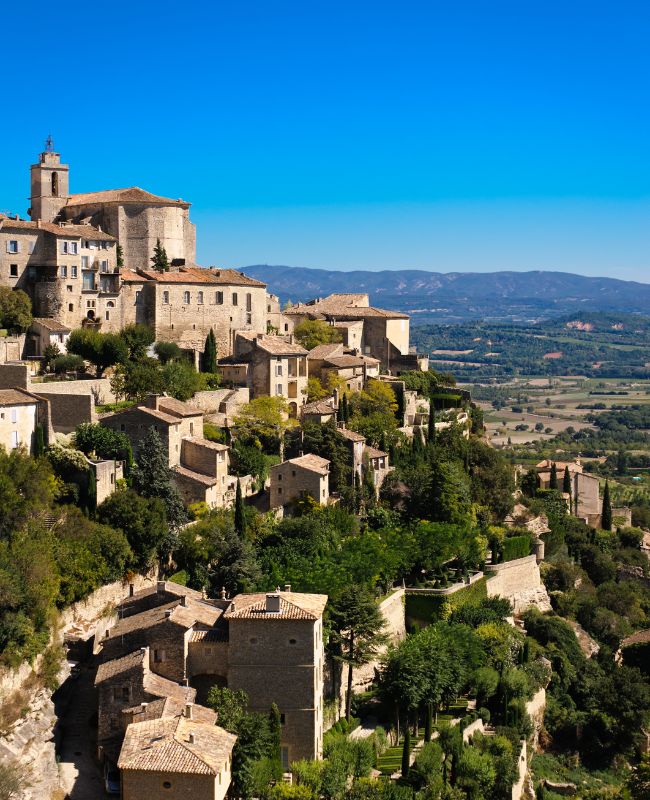
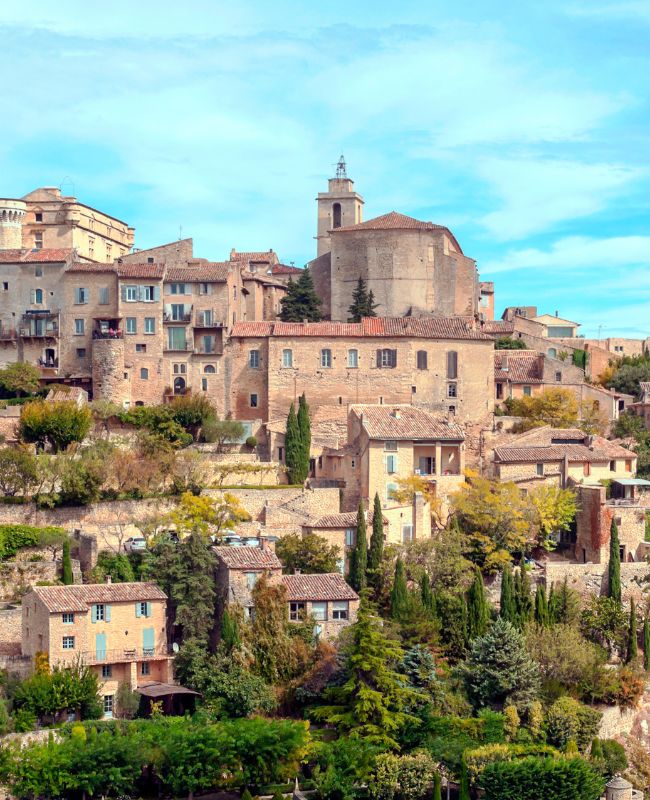
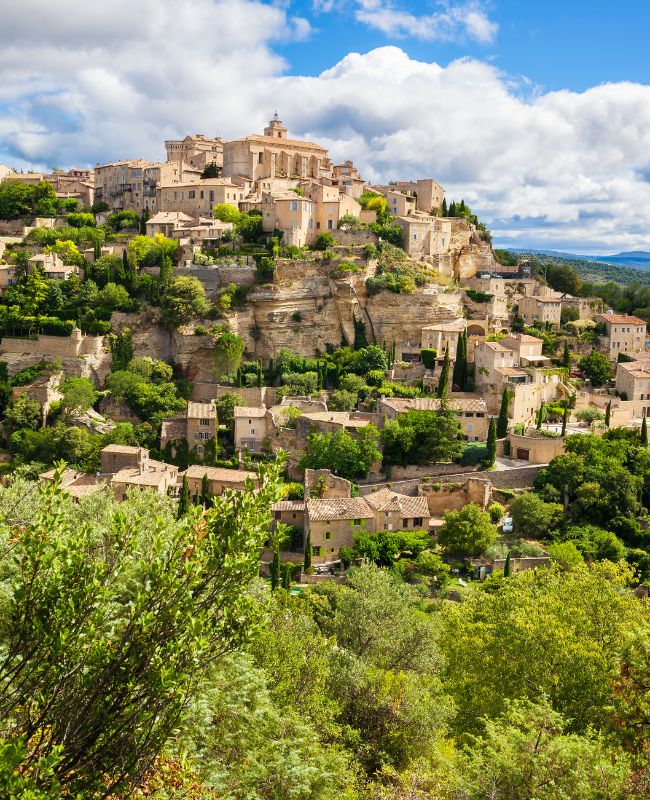
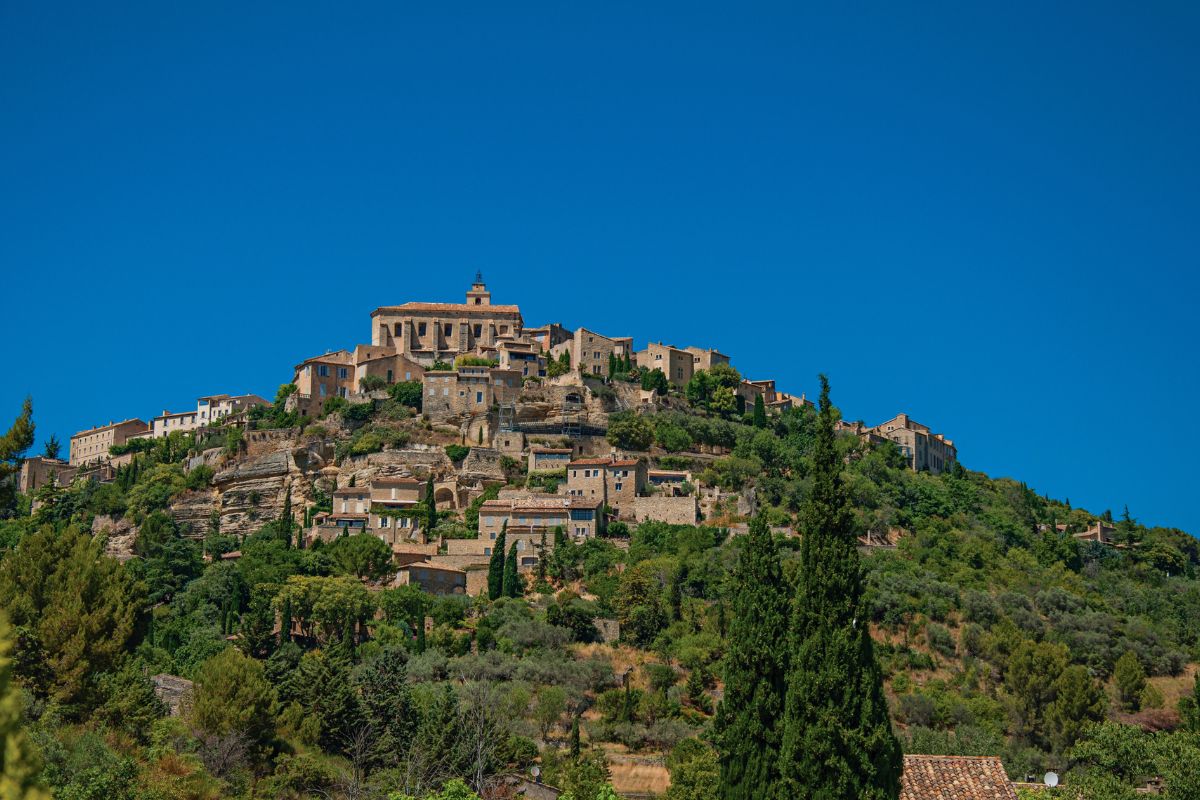
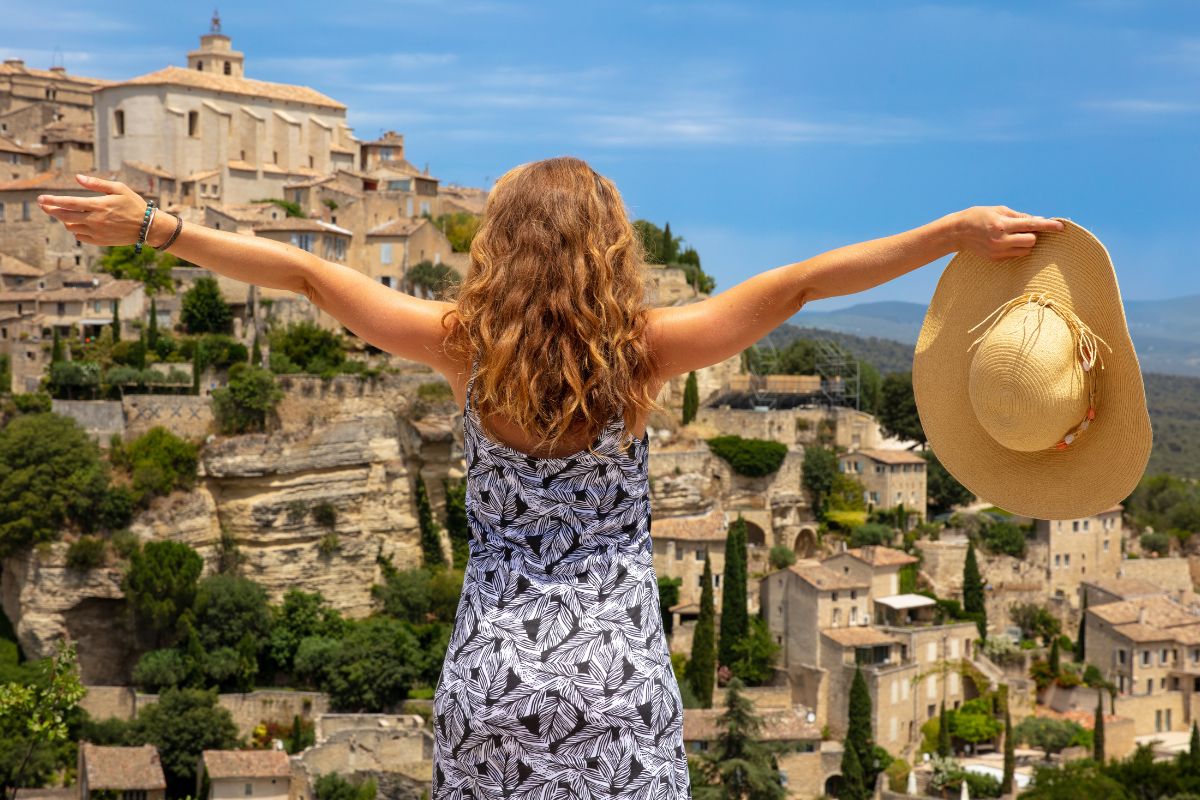
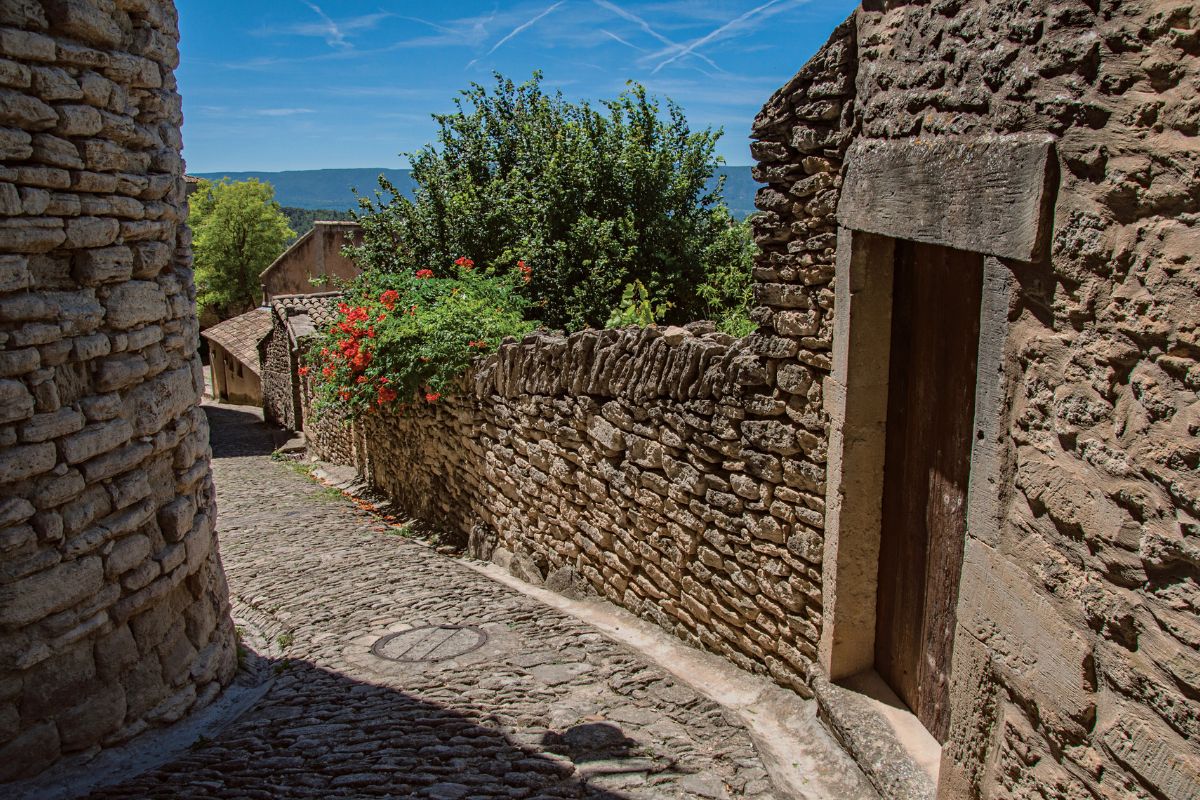
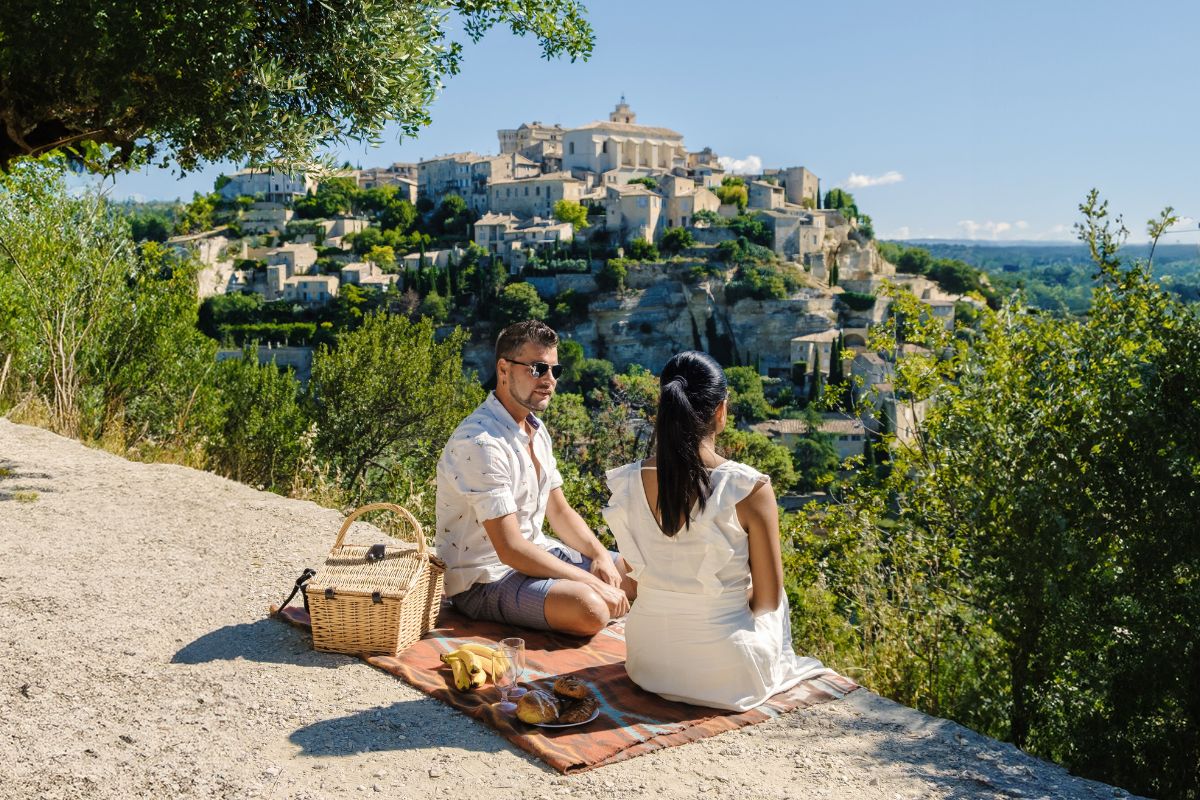
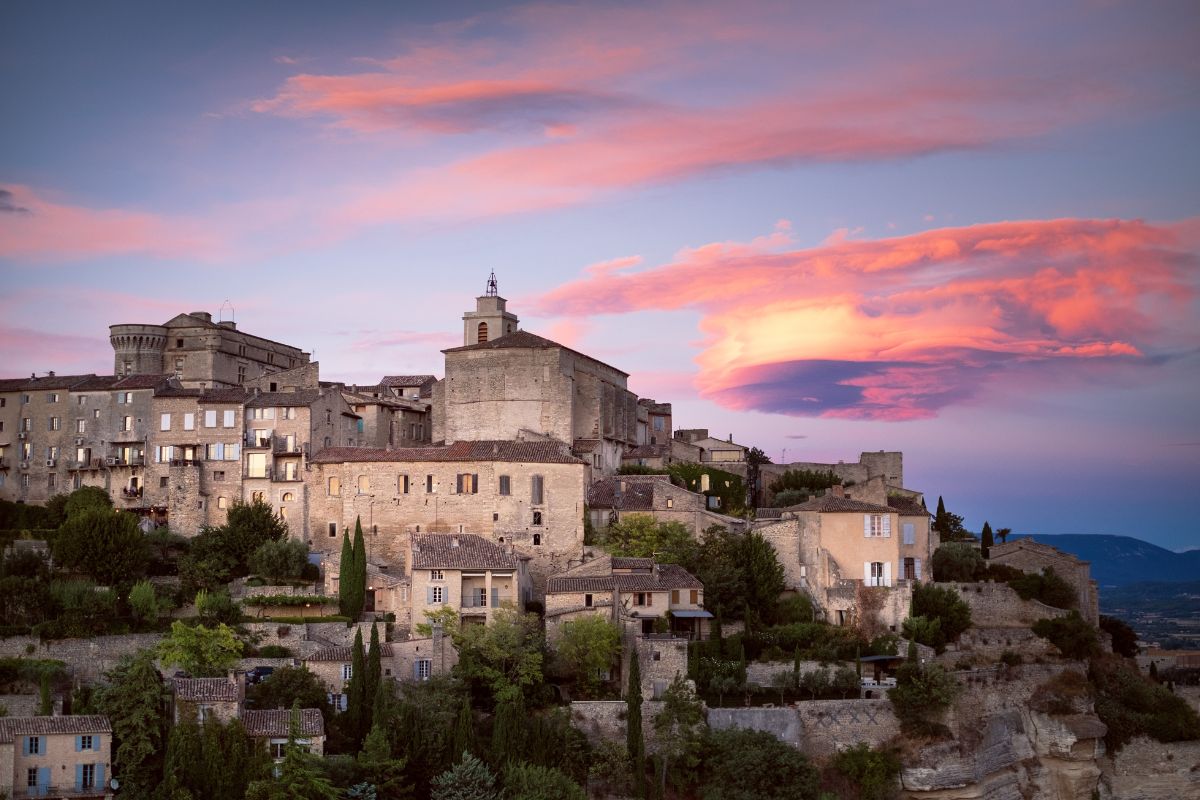
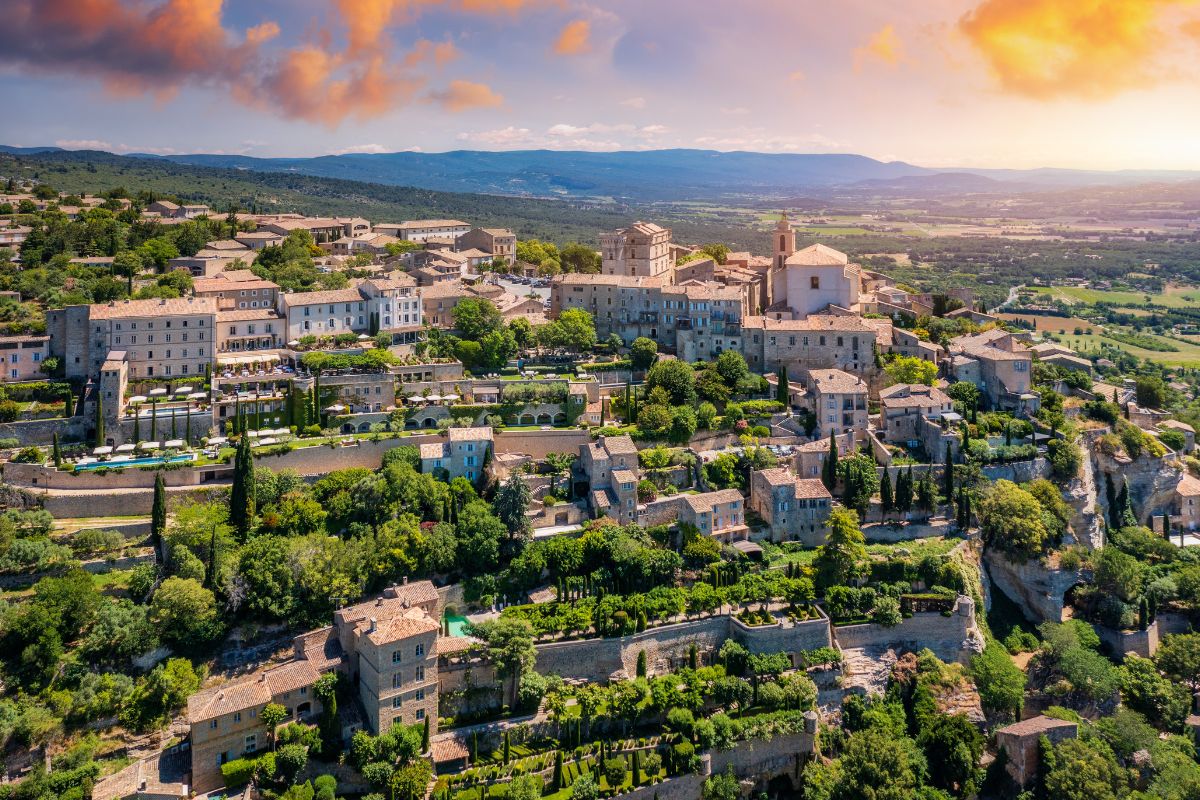
Gordes rises from the foothills of the Monts de Vaucluse with one of the most dramatic profiles in Provence. Stone houses, vaulted passageways, and terraced lanes appear to cling to the cliffs, offering long views across the Luberon valley. The village feels both historic and polished, with small boutiques, cafés, and art galleries tucked among narrow cobblestone streets.
The atmosphere shifts throughout the day. Mornings begin quietly with soft light across the stone façades. By midday, terraces fill with visitors arriving for lunch or an afternoon stroll. The village is especially striking in July when lavender blooms in the valley below. Gordes holds a strong cultural identity shaped by its residents, known for their independent spirit and long history of protecting the village. Today it remains a must-see destination in the region, offering scenery, charm, and access to nearby landmarks.
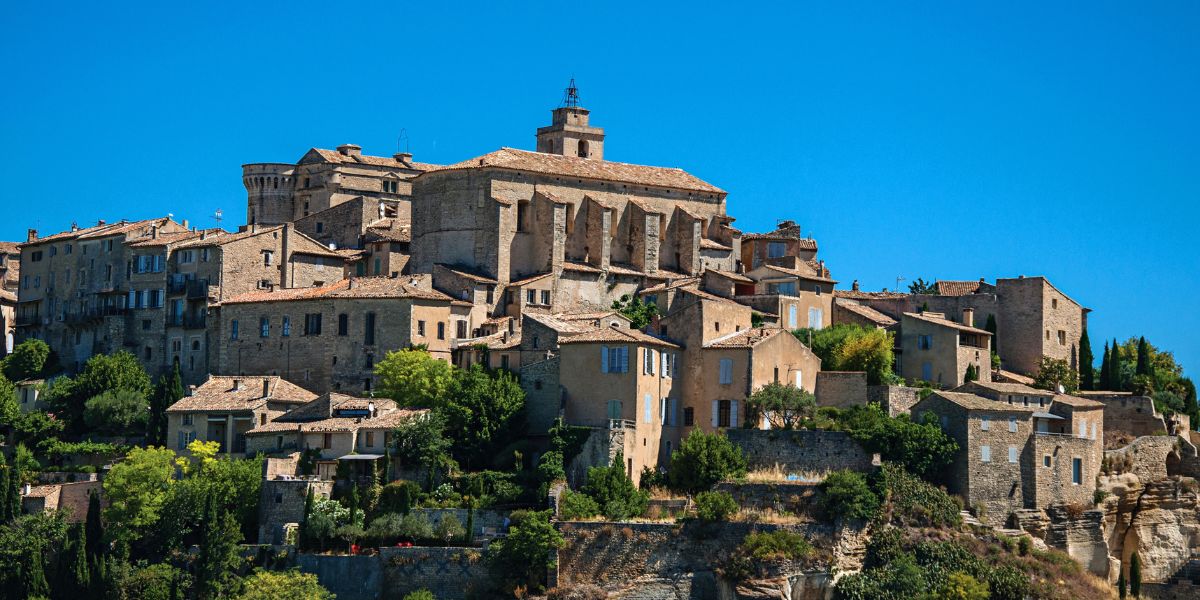
By the medieval period, Gordes had established itself as a strategic stronghold overlooking the Luberon valley. Its elevated position offered both protection and control, leading to the construction of ramparts, towers, and tightly packed stone houses. The village’s layout reflects centuries of defensive planning, with narrow streets designed to slow movement and shield inhabitants during times of conflict.
Beneath the village, an extensive network of underground cellars, storage rooms, and workshops was carved directly into the rock. These spaces supported daily life and commerce while providing refuge and protection. This hidden layer of Gordes remains one of its most distinctive features and a testament to the ingenuity of its early inhabitants.
A defining moment in the region’s history occurred in 1148, when Cistercian monks founded the Abbey of Sénanque in the valley below Gordes under the patronage of regional nobility. Built in austere Romanesque style, the abbey became a spiritual and agricultural center, later surrounded by lavender fields that would become some of the most recognizable images of Provence.
In the twentieth century, Gordes experienced a cultural revival. After World War II, artists such as Marc Chagall and Jean Deyrolle were drawn to the village’s light, architecture, and landscape. Their presence helped reestablish Gordes as a center of artistic inspiration, shaping its modern identity as one of France’s most celebrated and photographed villages.


Gordes hosts its weekly market on Tuesday mornings. The stalls fill the village square with produce, cheeses, baked goods, and seasonal products. It is an easy way to enjoy local flavors while taking in the lively atmosphere.
Gordes offers a mix of cafés, terraces, and refined restaurants. The village’s elevated position gives many dining spots wide views over the Luberon. Menus focus on regional ingredients, seasonal produce, and classic Provençal dishes. For up-to-date recommendations, refer to TripAdvisor or trusted local guides.
To help you navigate, visit our Google Maps link for Gordes where we have tagged our preferred spots across the city:
Wineries near Gordes include:
Most vineyards close on Sundays and during lunch hours.
Boulangerie Cayrol Thierry. 2 Rue de l’Église
Boulangerie de Mamie Jane. Route Neuve
Hours vary by season.
Small épiceries are scattered throughout the center.
Gordes has several small food shops and one “supérette”:
• Utile Gordes on Rue de la Poste
For larger supermarkets, the closest option is:
• Super U in Coustellet, open daily with limited hours on Sundays.

Walk up through the village toward its highest point, where the castle and church rise above the layered stone houses and terraced streets. As you climb, the views begin to unfold in stages, revealing rooftops, olive groves, and the wide sweep of the Luberon valley beyond.
From this elevated perch, the landscape opens fully. Vineyards, hills, and distant villages stretch across the horizon, offering one of the most recognized panoramas in Provence. Take time to pause, observe the shifting light, and understand how Gordes’ position shaped both its history and its enduring appeal.
Afterward, wander through the upper lanes at an unhurried pace. Small shops, galleries, and quiet terraces create a natural path back toward the heart of the village, allowing the experience to transition gently from grand viewpoints to the intimate details of daily life.
Art and culture in Gordes are shaped by centuries of history, religious foundations, and the natural light that has inspired artists for decades. The village holds a range of landmarks and galleries, while nearby sites offer deeper connections to the region’s medieval and monastic past. Together they create a rich cultural experience within a compact, walkable setting.
The landscape around Gordes offers easy access to scenic walks, lavender fields, and quiet roads that wind through the Luberon. The terrain is ideal for short village routes, longer countryside walks, and gentle cycling. Open views, stone paths, and natural light make outdoor time feel simple and rewarding.
Gordes sits in a central position within the Luberon, making it an excellent base for day trips. Within a short drive you reach villages, vineyards, markets, and cultural landmarks that show different sides of Provence. Each destination offers its own rhythm, giving you plenty of options for half-day or full-day outings.
Children enjoy simple walks through the winding streets, viewpoints with open space, and the outdoor areas surrounding the Village des Bories. The Lavender Museum nearby provides an easy, interactive visit. Family-friendly hikes and shaded paths are found in the countryside between Gordes and Sénanque.



Aix is known for its fountains, historic squares, art museums, markets, and refined lifestyle. The city has a strong cultural identity shaped by architecture, gastronomy, and daily outdoor life.
Yes. The historic center is compact with pedestrian streets, making it easy to move between squares, cafés, shops, and museums on foot.
Spring and early autumn offer mild temperatures, open terraces, and active markets. Summer is warmer and busier but full of events. Winter is quieter with fewer crowds.
Aix is known for calissons, olive oil, fresh produce from local farms, cheeses, pastries, and seasonal Provençal dishes served in bistros and restaurants across the old town.
Three to four days allow you to explore the city, visit nearby villages, see art sites, and enjoy the markets. Longer stays work well for day trips to the Luberon or the Alpilles.
You can rent a car for quick access to villages such as Lourmarin, Bonnieux, and Saint-Rémy. Local buses serve some routes. Private drivers are available for longer outings and vineyard visits.
- offering all comforts and amenities - pool, housekeeping, and chef services.
© 2026 Only Provence


Only Provence co-founder Lydia Dean writes about their experiences raising a family, building a business in Provence, and later combining the love of travel with giving back in "Jumping the Picket Fence”. In 2021, she published “Light Through the Cracks,” a continuation of her journey, much of which has been based in Provence. Both books are available Amazon, Amazon.uk, and Amazon.Fr.