Goult
A quiet hilltop village with timeless charm.
Quick Link to a Section

Quick Link to a Section
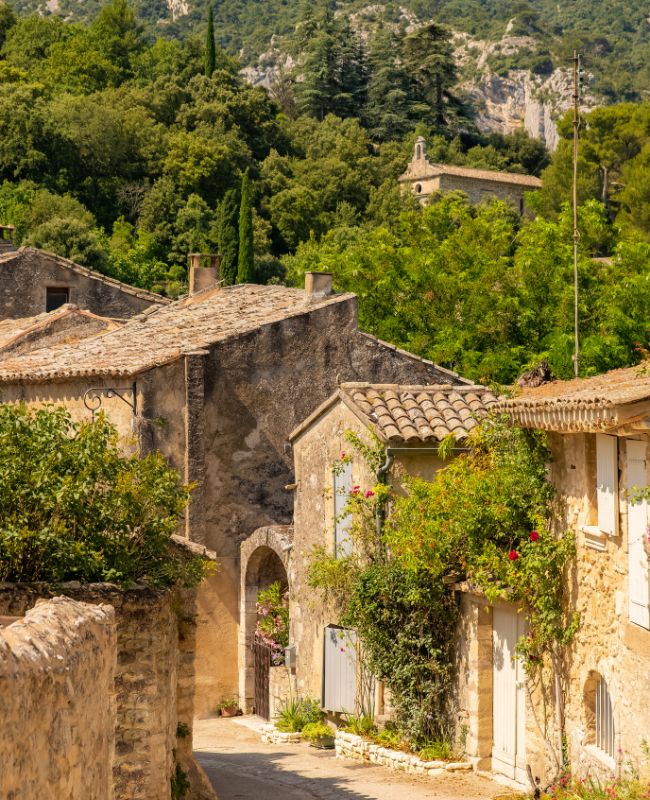
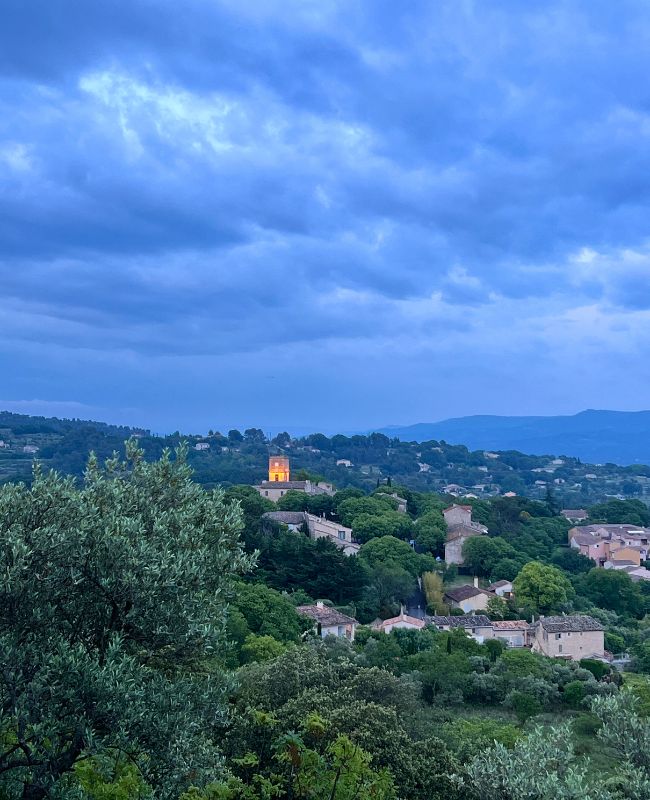
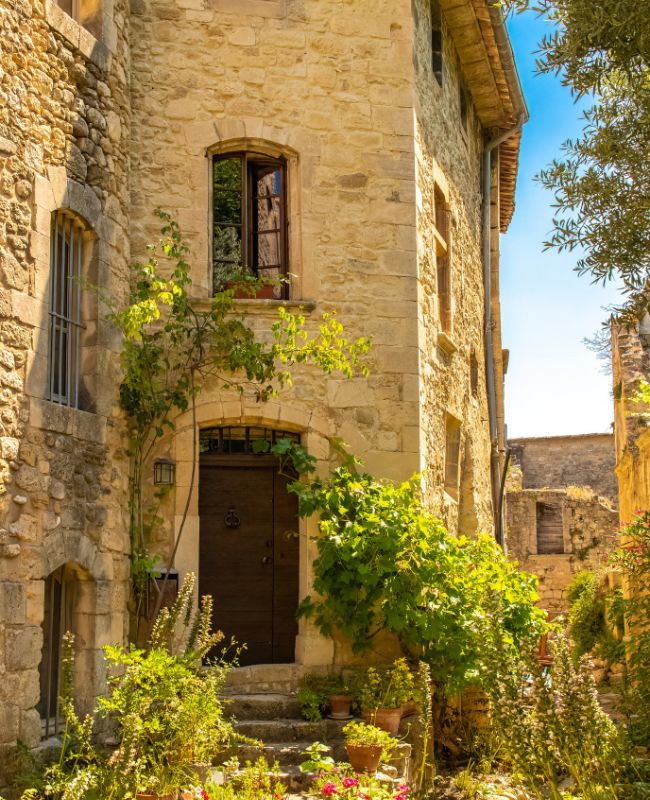
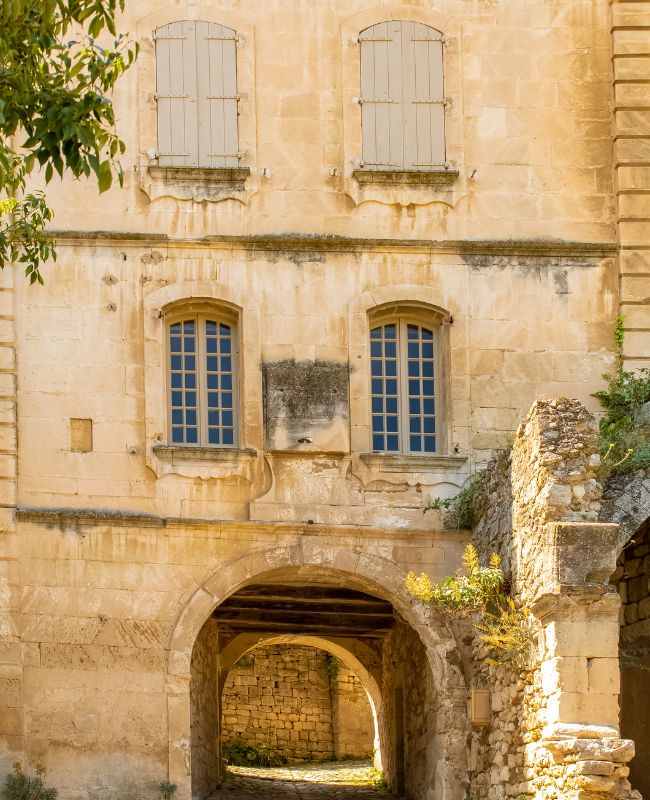
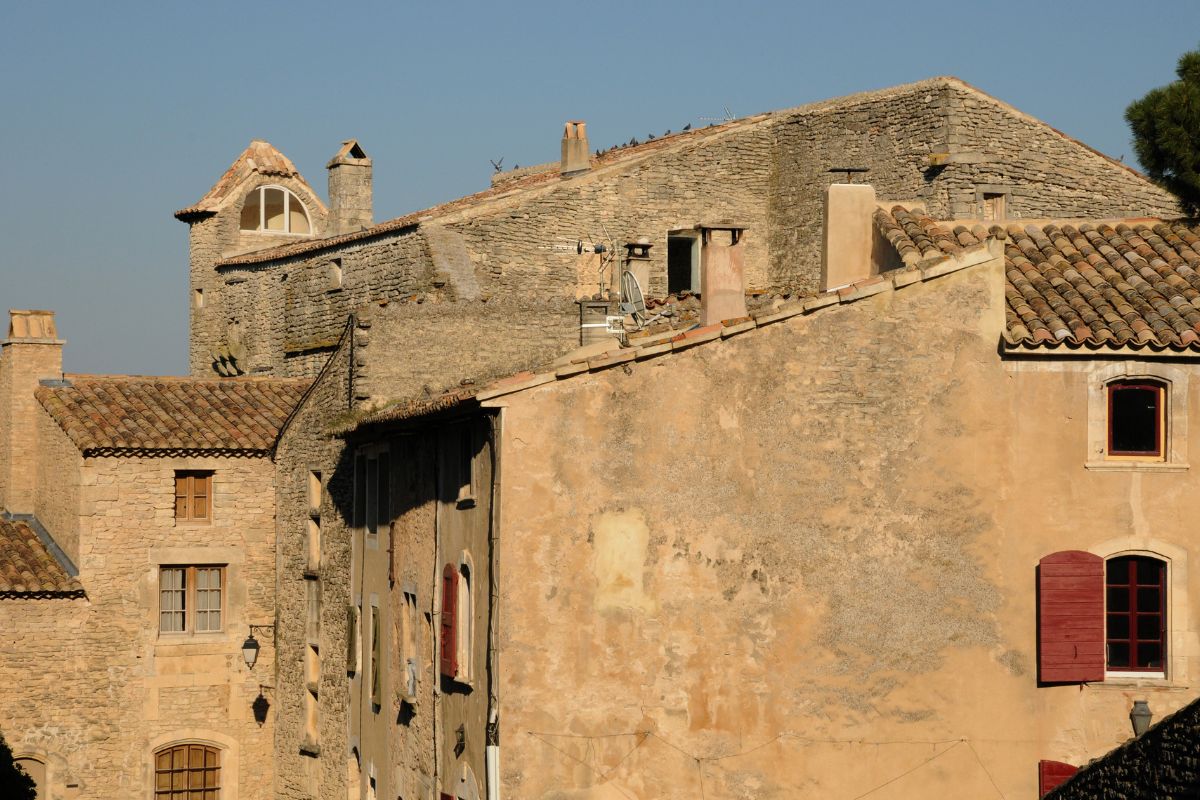
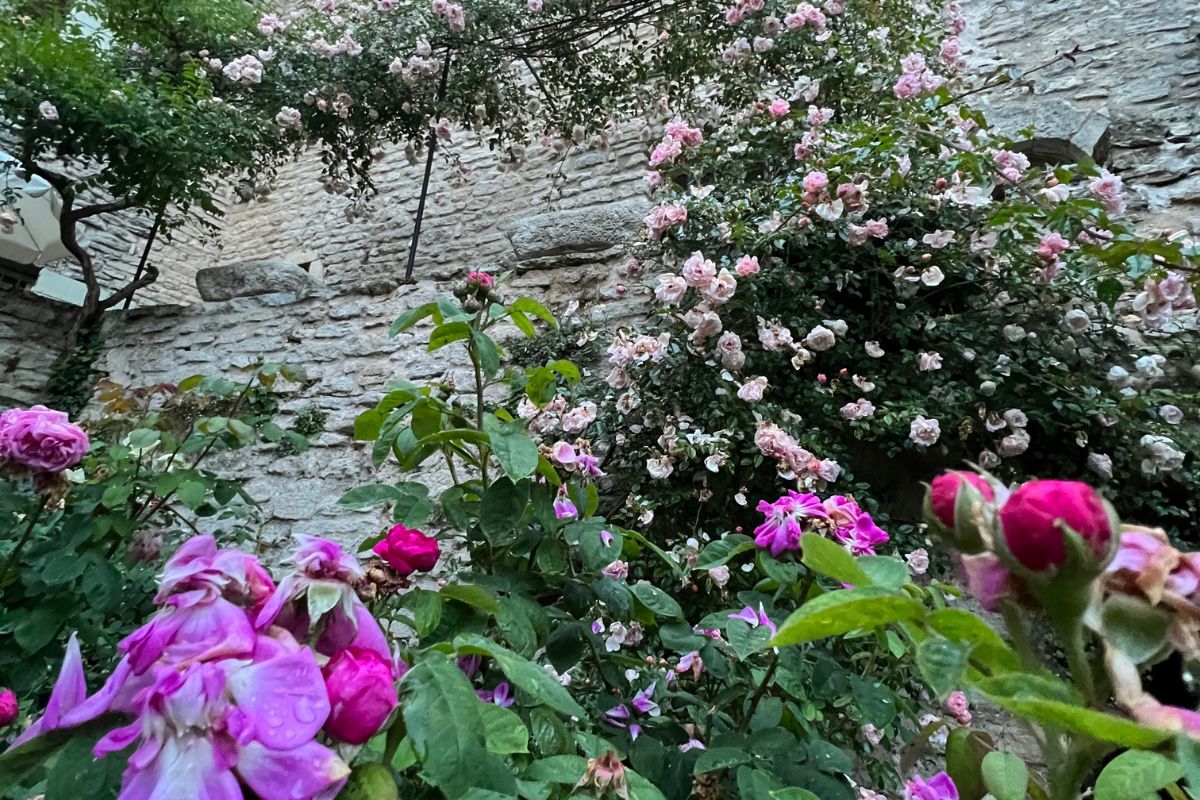
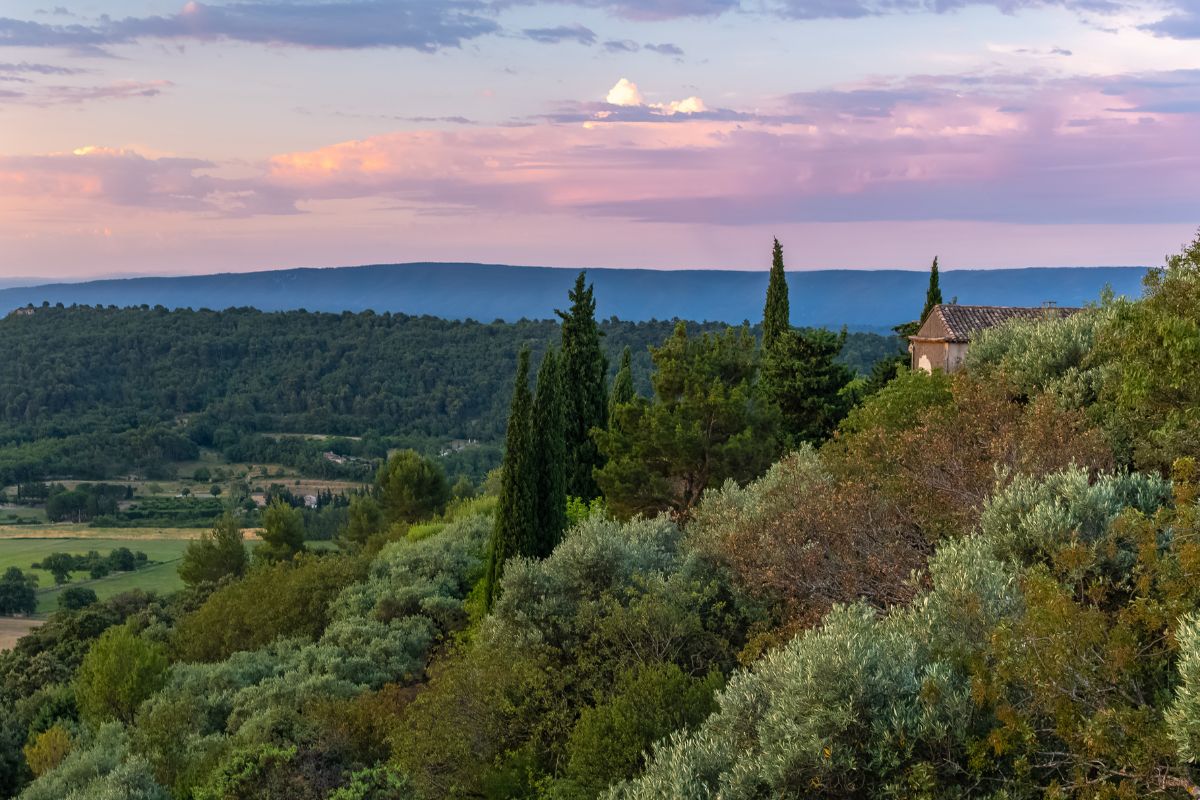
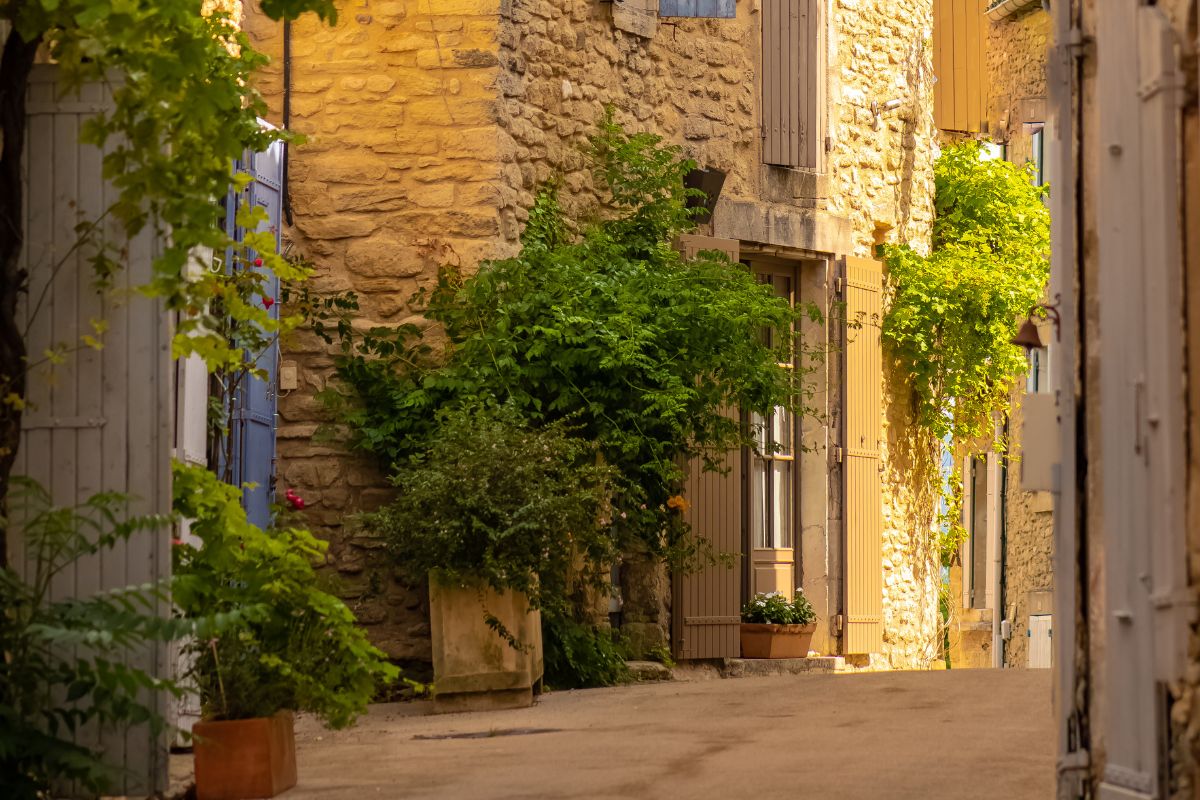
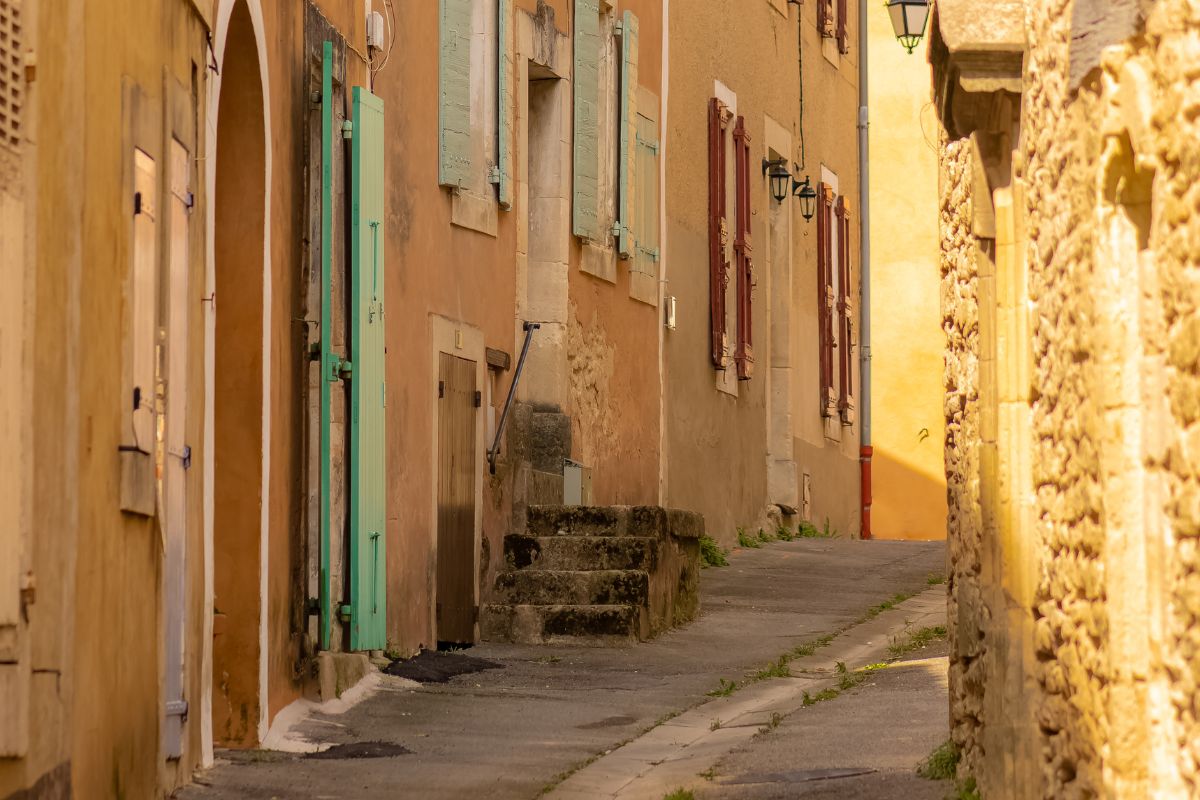
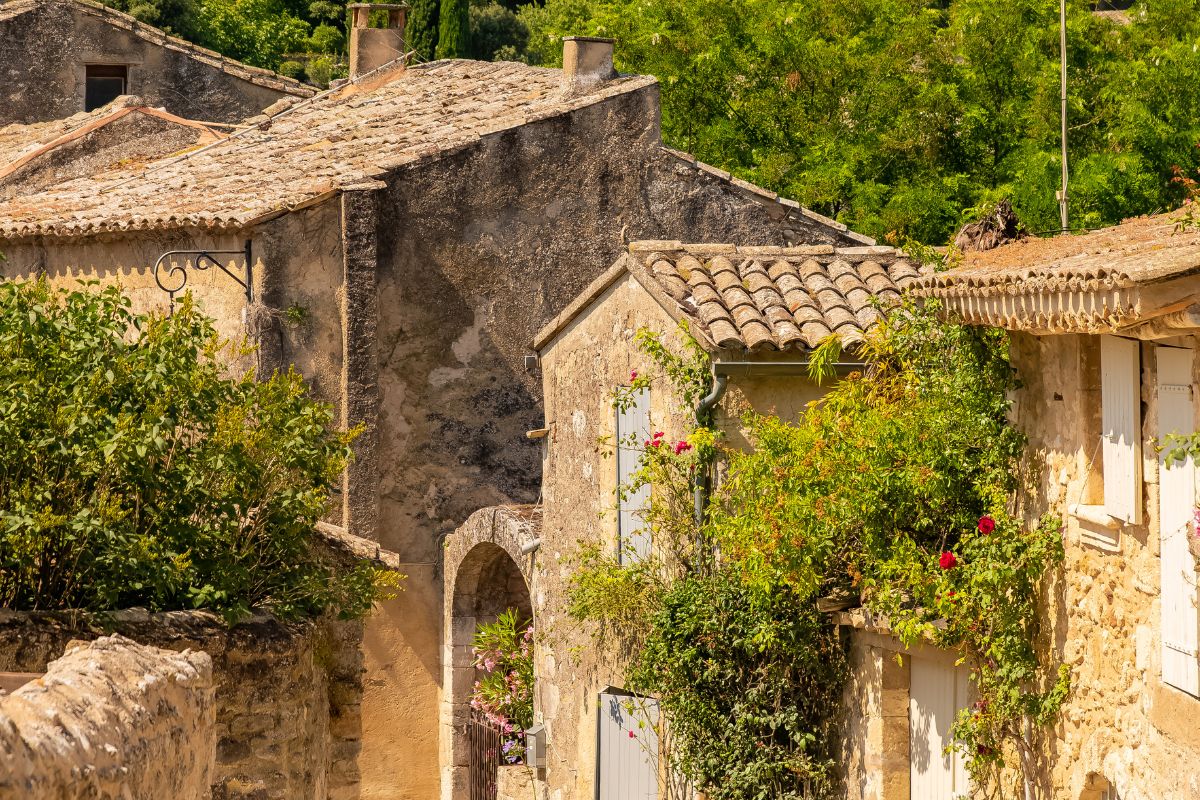
Goult is an understated yet deeply authentic village set on a hill between Cavaillon and Apt, right at the center of the Luberon Regional Natural Park. It offers a calm, welcoming atmosphere and strong access to nearby villages, vineyards, and scenic routes. While less known than places like Gordes or Bonnieux, Goult holds its own with narrow cobblestone lanes, restored stone houses, shaded terraces, and peaceful views.
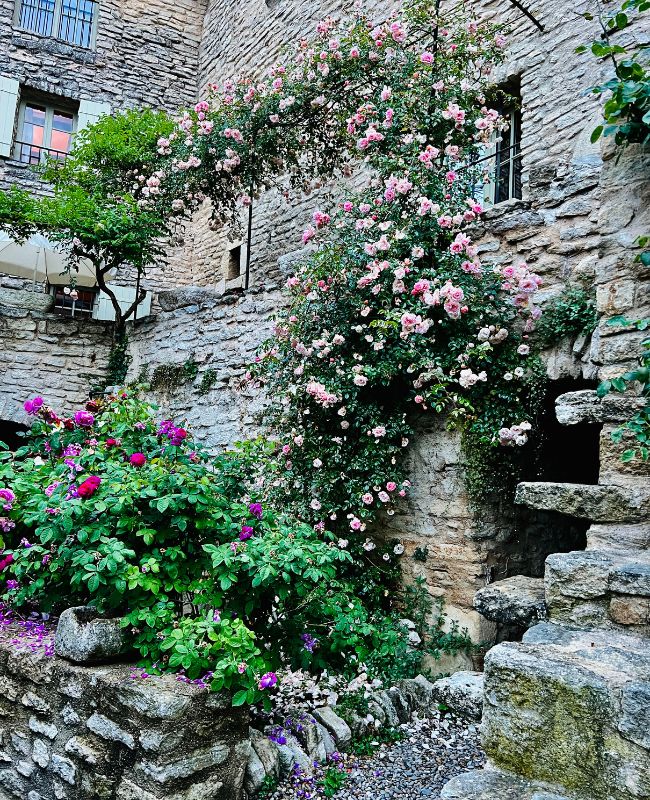
The village encourages a slow rhythm. Visitors stop for lunch on the main square, explore the upper lanes near the old windmill, and meander past courtyards and quiet gardens. Goult is not designed around boutiques or large cultural attractions. Its appeal lies in its simplicity, its well-preserved architecture, and the sense of daily life that continues without rush. It is an ideal base for travelers seeking a grounded, unhurried stay with easy reach to the “Golden Triangle” villages nearby.
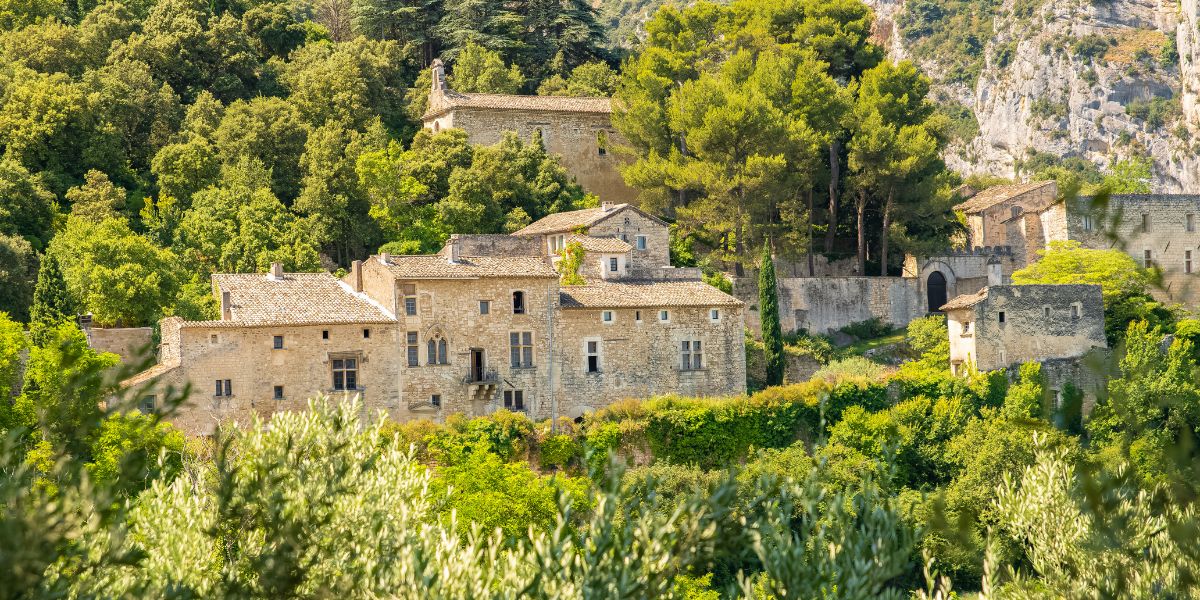
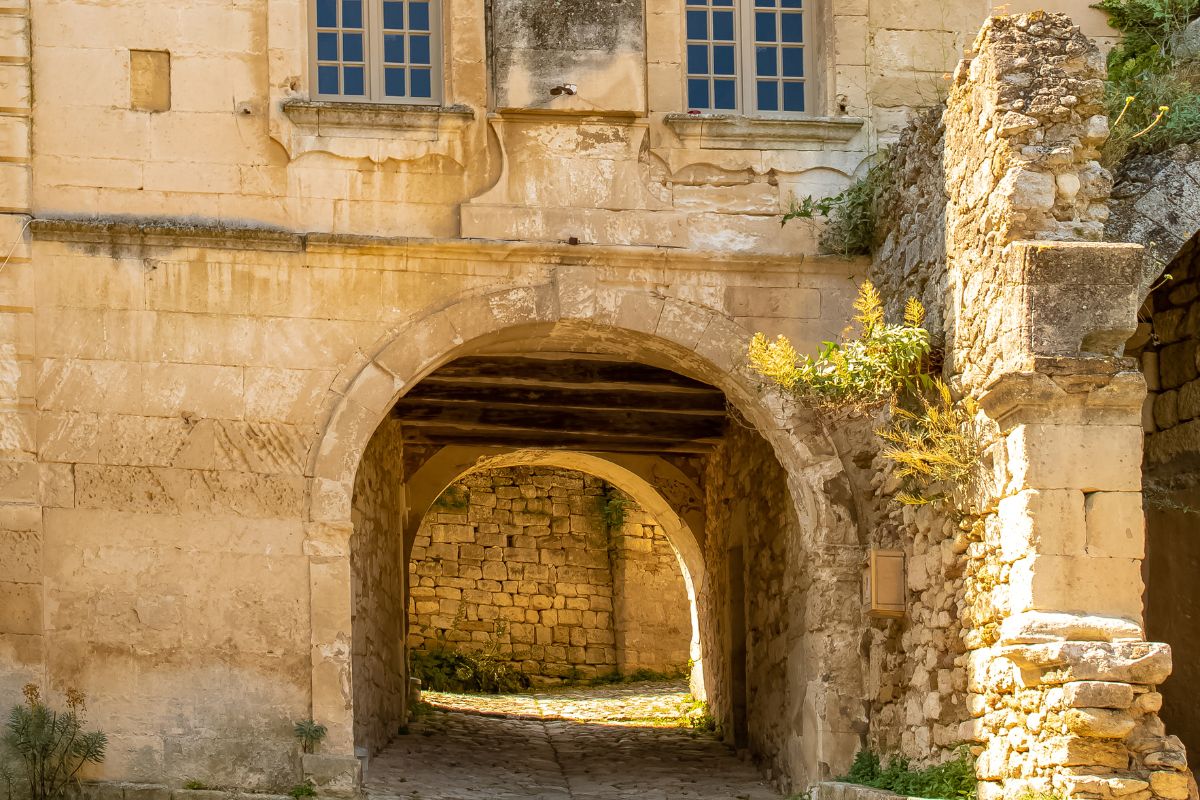
Goult’s early development centered on its defensive location atop a rocky hill overlooking the Calavon valley. The Château de Goult, dating to the twelfth century, reinforced the village’s role as a lookout point and influenced the structure of surrounding homes, alleys, and stone passageways. Traces of this fortified layout can still be seen in the narrow lanes and elevated viewpoints throughout the village.
Agriculture played an essential role in Goult’s identity. The Jerusalem Mill, built at least as early as the eighteenth century, stands as a reminder of that past. Its name connects to the lords of Agoult and the era of the Crusades. The mill itself represents the steady, practical rhythms that shaped village life, from grain production to terraced cultivation across the surrounding slopes.
Below the village, Notre-Dame-des-Lumières marks a significant chapter in Goult’s religious history. The seventeenth-century appearance of mysterious lights led to the creation of a shrine and later a chapel. The presence of the Black Madonna and the annual procession on August 15 continue to link the village to long-standing devotional practices and shared cultural memory.
Over centuries, Goult evolved through farming, trade routes, and its central position within the Luberon. Dry-stone walls, restored terraces, chapels, and quiet pathways still reflect this heritage. Today the village preserves its history with care. The surrounding countryside, shaped by generations of agricultural work, remains an integral part of Goult’s character and the experience of visiting it.
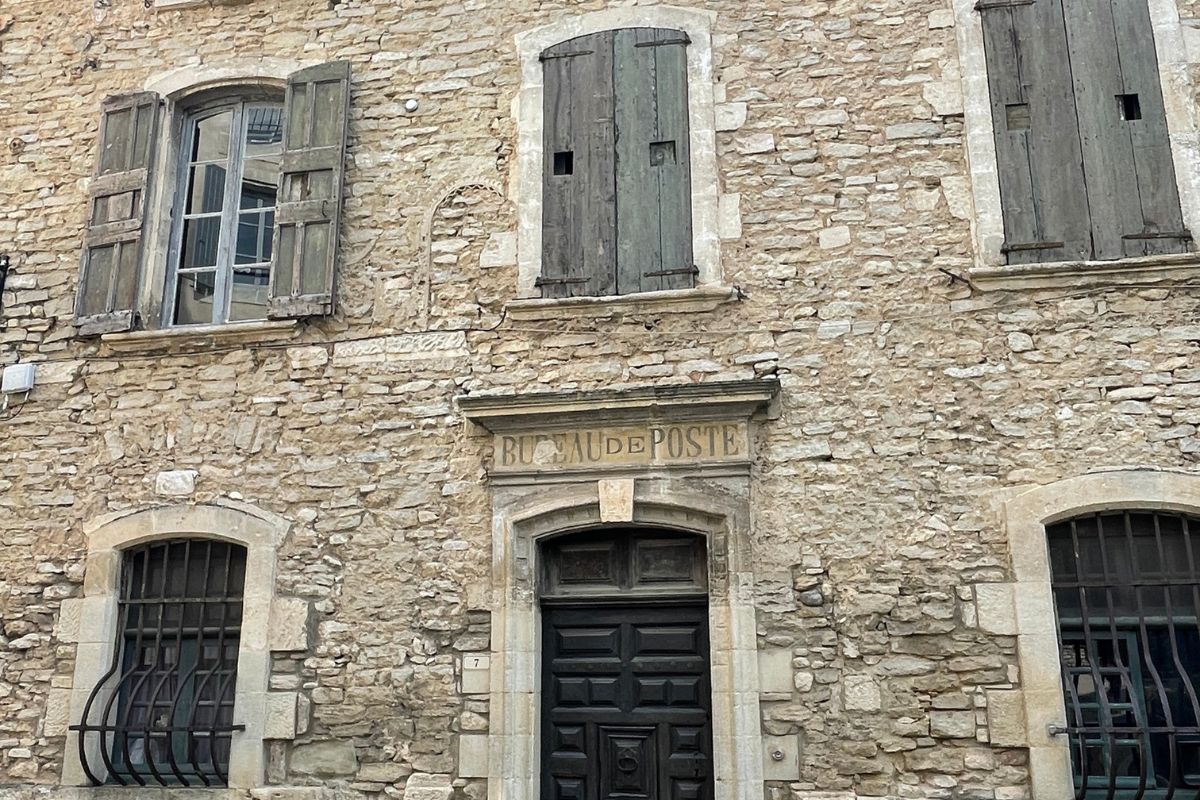
The village market takes place on Thursday mornings along Rue de la République. It offers produce, cheeses, breads, and local specialties.
Additional markets are close by: Coustellet on Sunday mornings, Apt on Tuesday and Saturday, and Bonnieux on Friday.
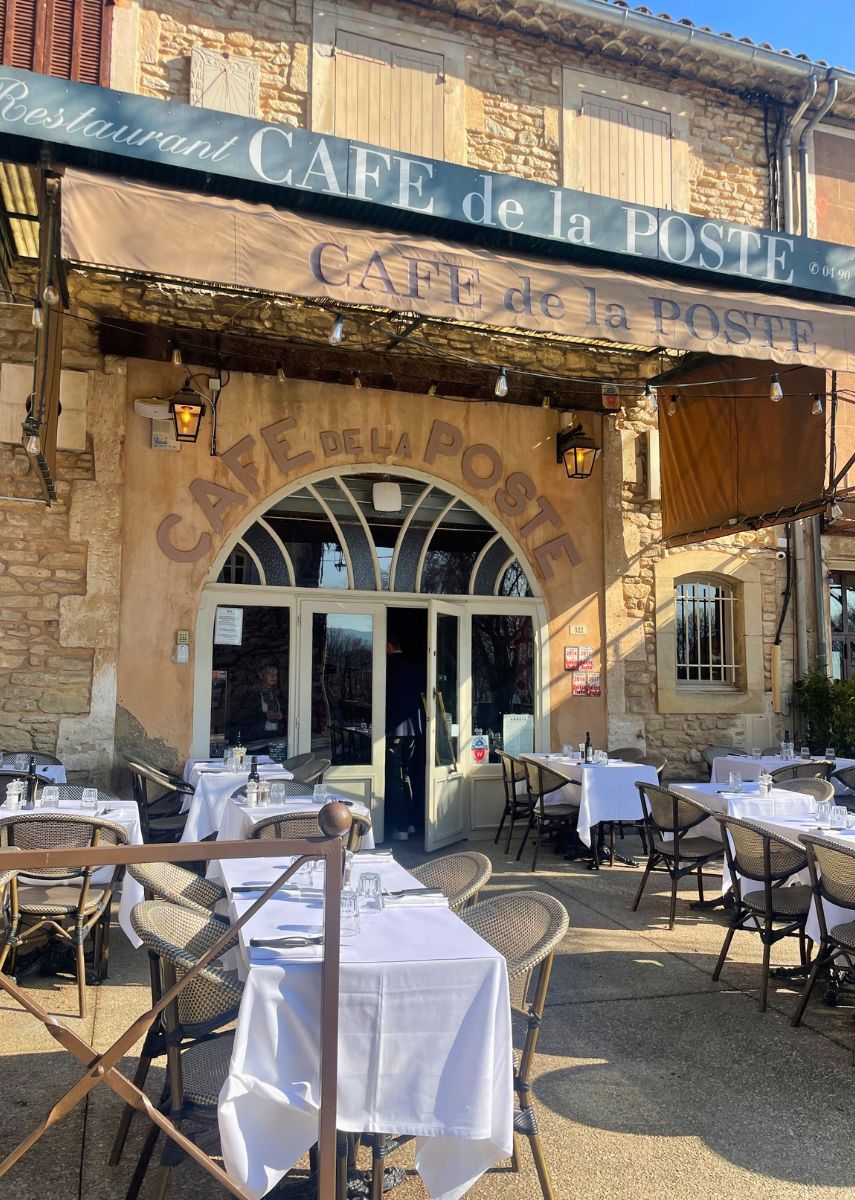
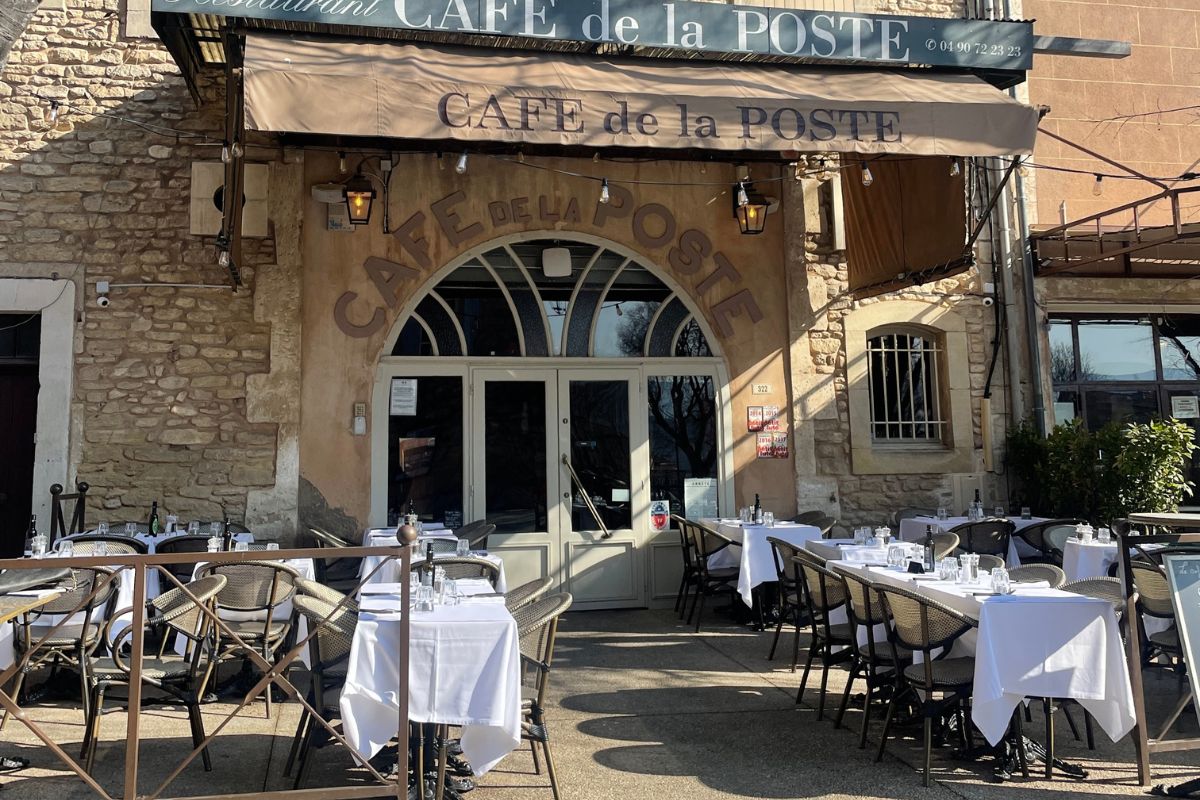
Goult has several cafés and restaurants centered around simple, seasonal menus. Terraces offer a relaxed setting for lunch or dinner. The atmosphere is calm and local, making it easy to enjoy a meal without crowds. For updated recommendations, refer to TripAdvisor or regional guides.
To help you navigate, visit our Google Maps link for Goult where we have tagged our preferred spots across the city:
Wineries in the area include:
Most vineyards close on Sundays and during lunch hours.
Au Four et au Moulin – 178 Rue de la République
Goult has one small grocery store:
Alimentation Maurel, open daily with a break at midday.
For a larger supermarket:
Super U in Coustellet, a short drive away, open daily with limited Sunday hours.
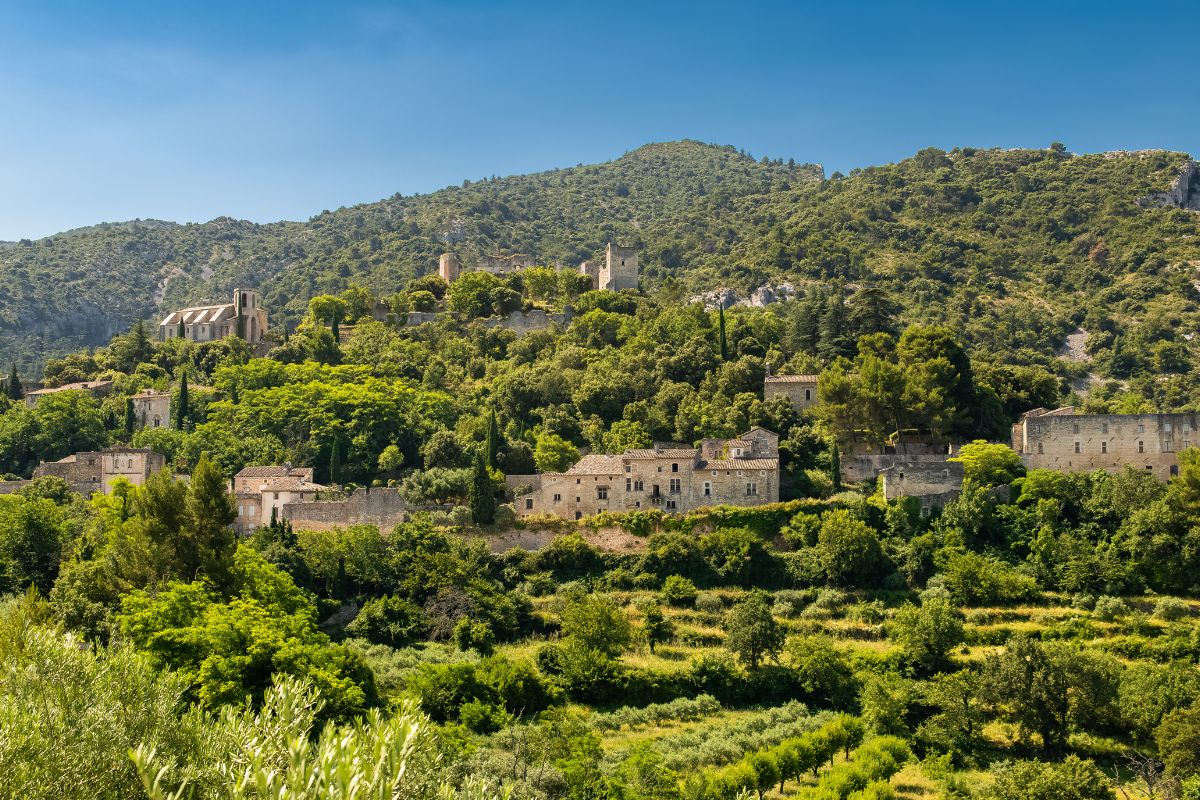
Begin by walking up from the village toward the Jerusalem Mill, perched just above Goult. The path is gentle and well defined, opening onto wide views across the Calavon valley and the rolling hills beyond. From this vantage point, the village’s relationship to the surrounding landscape becomes immediately clear.
Continue along the cobbled path toward the Conservatoire des Terrasses de Cultures, where carefully restored dry-stone terraces step down the hillside. These terraces tell the story of traditional Provençal agriculture, showing how olive and almond trees were cultivated long before modern farming methods. The route is short and scenic, offering a quiet immersion into Goult’s agricultural past and a clear sense of the village’s scale, setting, and enduring connection to the land.
Art and culture in Goult are closely tied to the village’s long history and its position in the center of the Luberon. While Goult is quieter than nearby towns, its chapels, historic sites, and stone architecture tell a clear story of the region’s past. Nearby villages expand the experience with galleries, museums, and landmarks that highlight the artistic traditions of Provence. Together, they offer a balanced cultural landscape within minutes of the village.
Goult and its surroundings offer gentle walking routes with open views and easy terrain. Cycling paths connect the village to neighboring hamlets and scenic roads in the Luberon. The terraced landscapes around the Conservatoire provide a look at traditional agriculture and allow for relaxed exploration in natural settings.
Enjoy panoramic viewpoints over the Calavon valley
Picnic in open fields and shaded areas just outside the village
Goult’s central location makes it an excellent base for exploring the Luberon. Within a short drive you reach hilltop villages, vineyards, markets, and cultural landmarks that show different sides of Provence. The region’s most recognized destinations sit within easy reach, giving travelers a wide range of half-day and full-day excursions without leaving the rhythm of village life behind.
Children enjoy the gentle walks around the windmill, quiet village streets, and the open spaces near the terraced paths. The short drives to nearby villages provide simple outings. Roussillon’s ochre paths and the lavender museum near Coustellet offer easy, family-friendly experiences.
Yes. Goult remains quieter than well-known villages such as Gordes, Bonnieux, or Roussillon. Even in summer, the streets and terraces feel more relaxed, and the village maintains its everyday rhythm without large tour groups or heavy foot traffic. Travelers who want space to wander, sit for a long lunch, or explore without crowds often prefer Goult for this reason.
It is possible but not practical. Goult itself is walkable, and you can enjoy its cafés, lanes, and viewpoints on foot. Reaching nearby villages, trails, or vineyards is much harder without a car, as public transport is limited and distances can be long in the summer heat. A car offers flexibility and makes day trips far more comfortable.
Goult stands out for its understated character and its balance between historic charm and daily life. It has fewer shops and attractions than nearby villages, which helps preserve an authentic feel. Terraced paths, stone houses, and quiet corners give the village a strong sense of continuity with its past. Many visitors appreciate that Goult offers the beauty of the Luberon without the intensity of a major tourist hub.
The Jerusalem Mill offers the clearest and most open views of the Calavon valley. The short walk to the mill passes through quiet streets and historic stonework, giving you a sense of the village’s structure before reaching the ridge. From the top, you can see terraced farmland, nearby villages, and the contours of the Luberon. It is an easy and rewarding outing at any time of day.
Yes. Goult is centrally located, giving travelers quick access to the main villages of the “Golden Triangle,” including Gordes, Ménerbes, Roussillon, and Bonnieux. Vineyards, markets, scenic drives, and walking routes are all within a short distance. Because the village is calm and easy to navigate, it works well for those who want a peaceful home base while spending their days exploring the region.
Yes. A full day in Goult can include a relaxed morning coffee on the square, a walk to the windmill, time wandering the upper lanes, and lunch at a local restaurant. In the afternoon, explore the terraced landscapes around the village or visit the chapel below. Many travelers also combine Goult with a quick visit to Ménerbes, Roussillon, or a nearby vineyard, making the day feel varied without long travel times.
- offering all comforts and amenities - pool, housekeeping, and chef services.
© 2026 Only Provence


Only Provence co-founder Lydia Dean writes about their experiences raising a family, building a business in Provence, and later combining the love of travel with giving back in "Jumping the Picket Fence”. In 2021, she published “Light Through the Cracks,” a continuation of her journey, much of which has been based in Provence. Both books are available Amazon, Amazon.uk, and Amazon.Fr.