Lourmarin
A Renaissance village where vineyards, culture, and Provençal life meet.
Quick Link to a Section

Quick Link to a Section
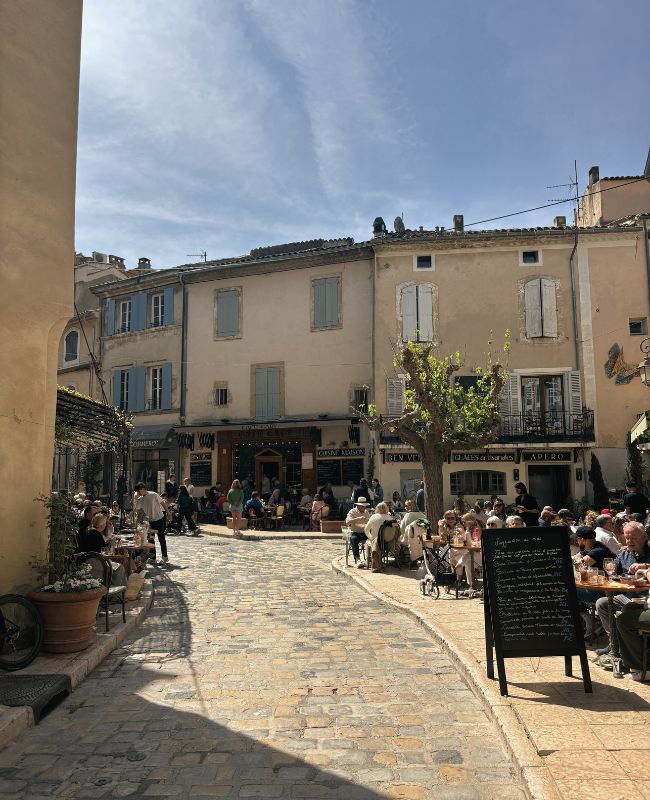
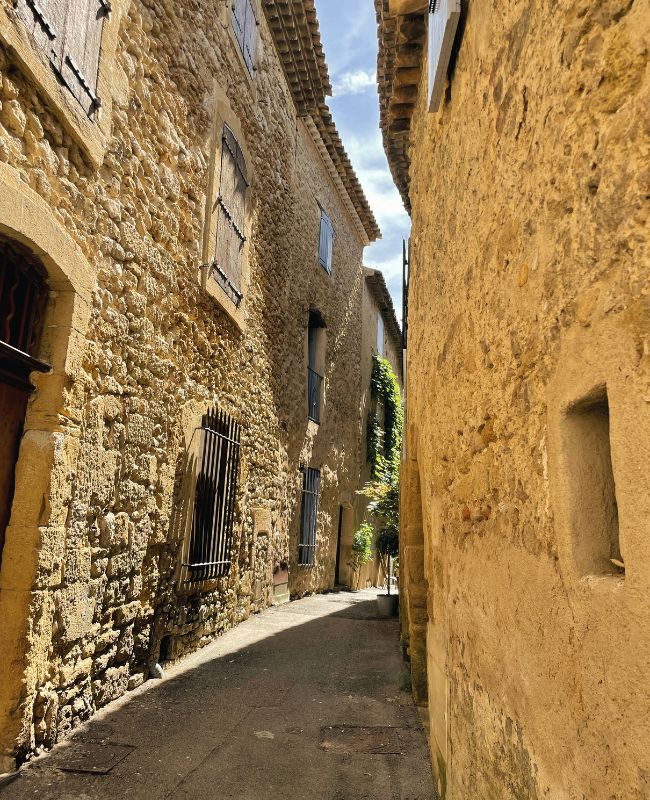
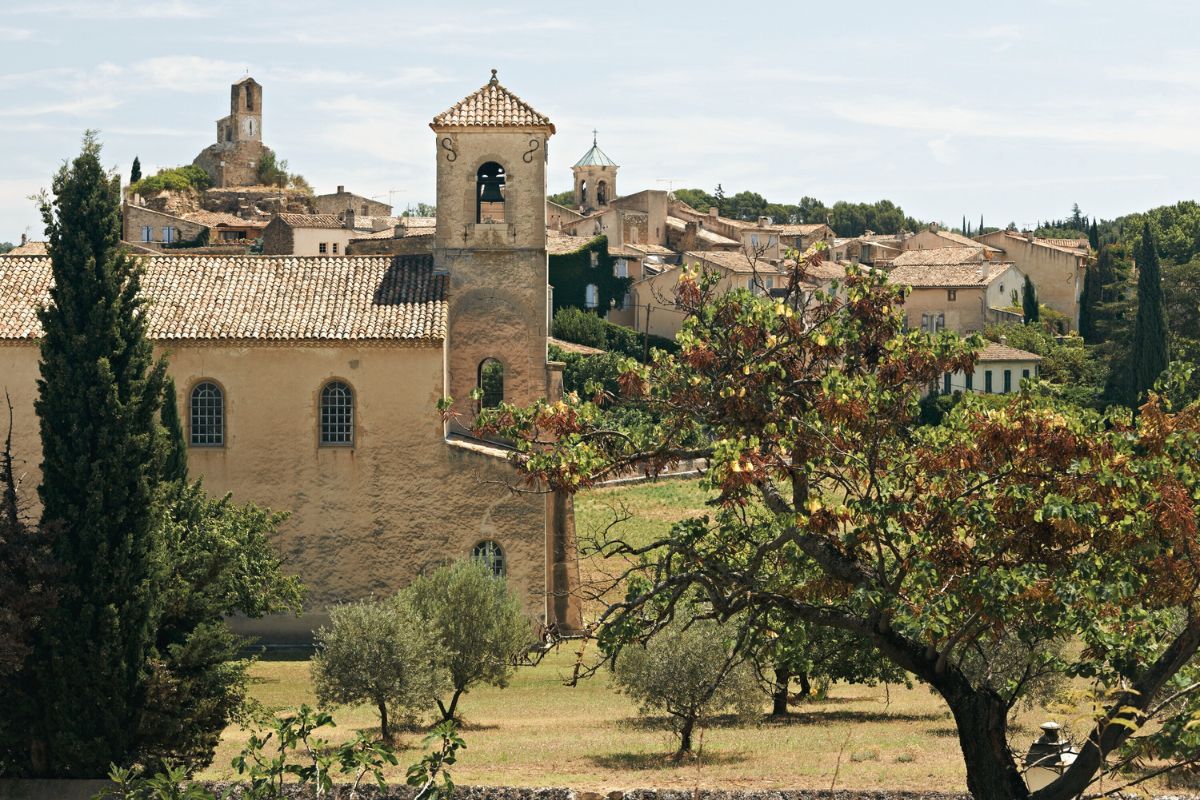
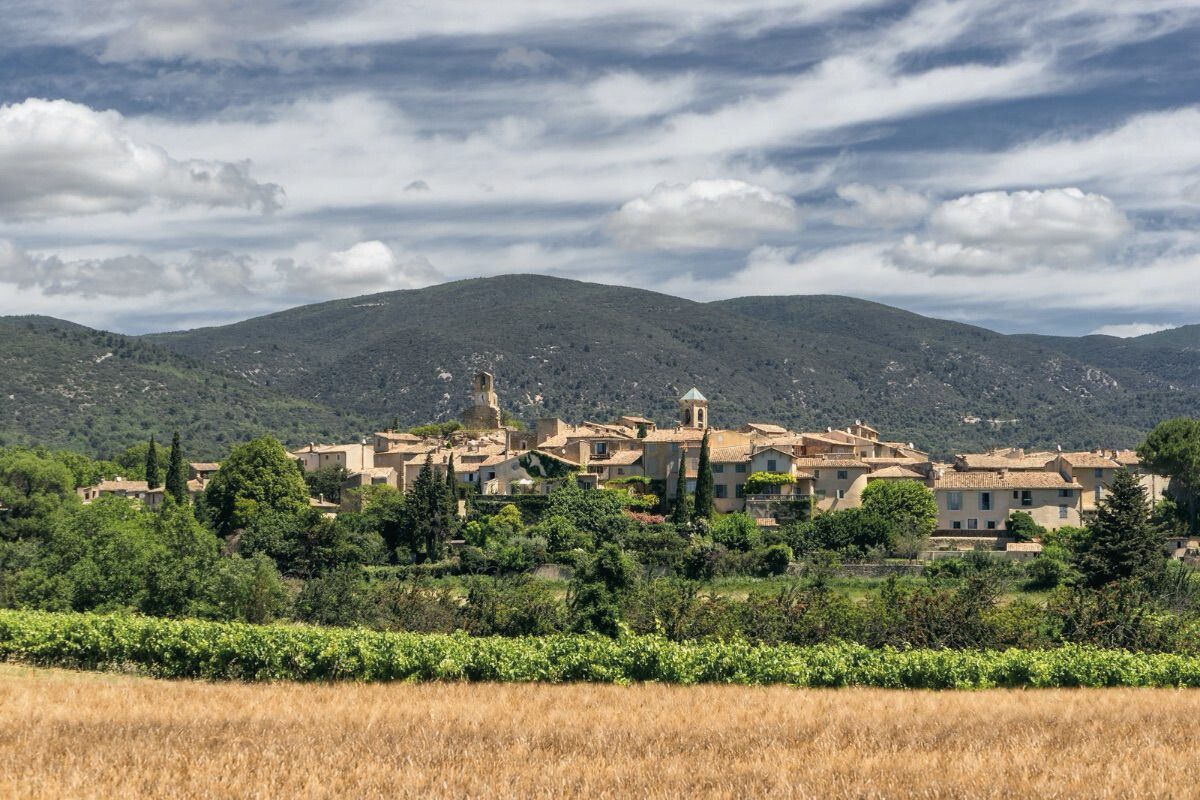
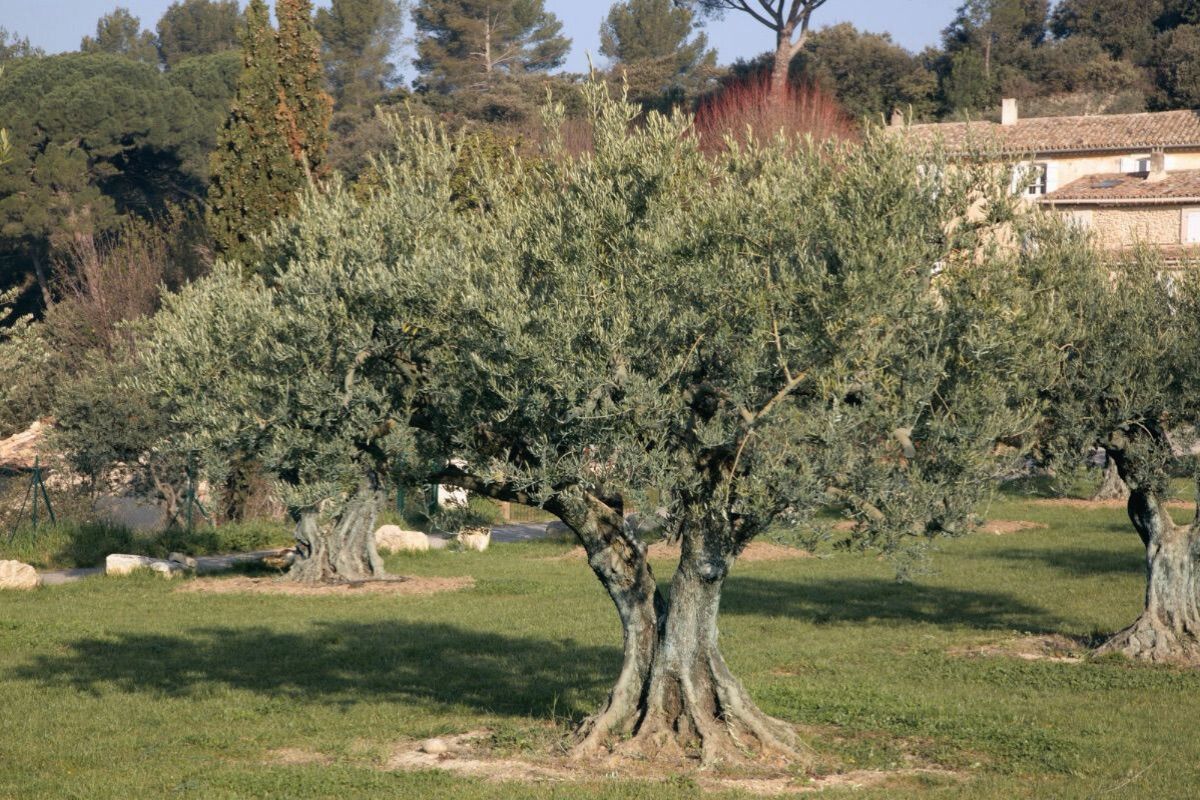
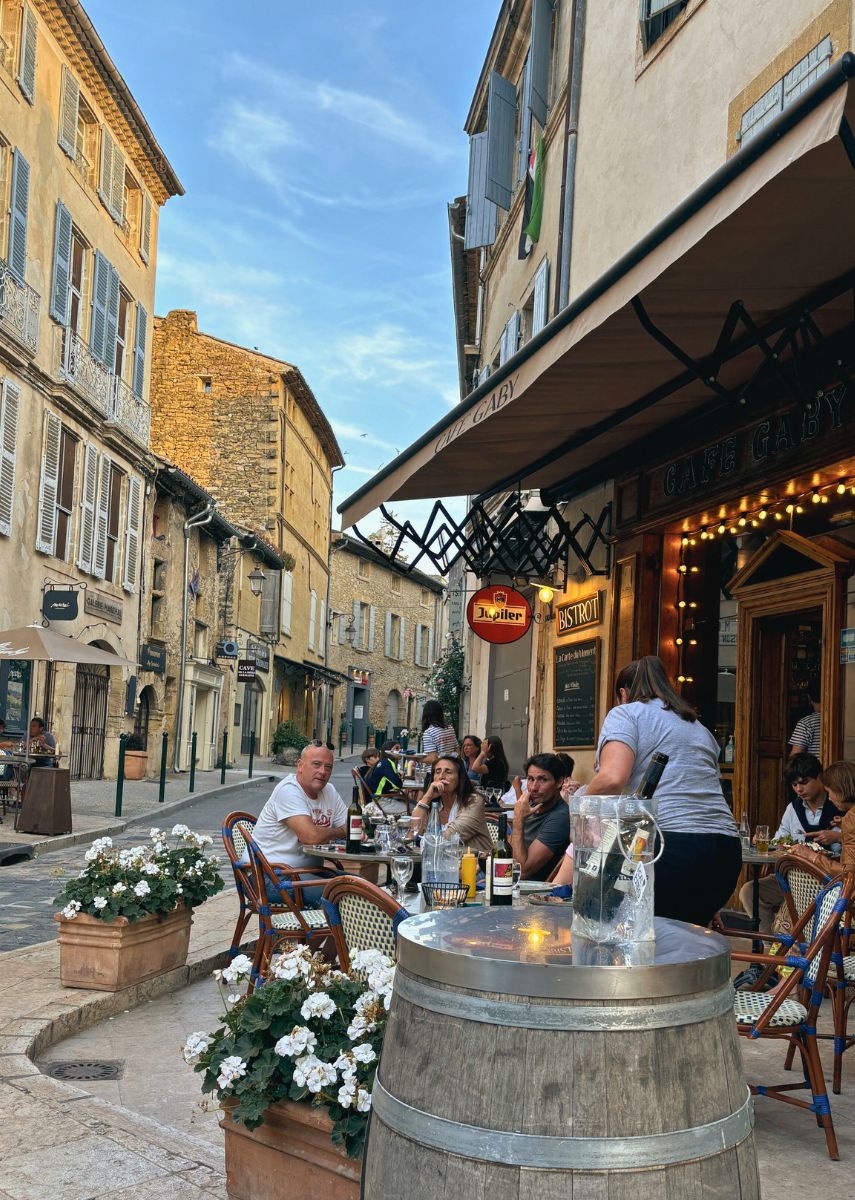
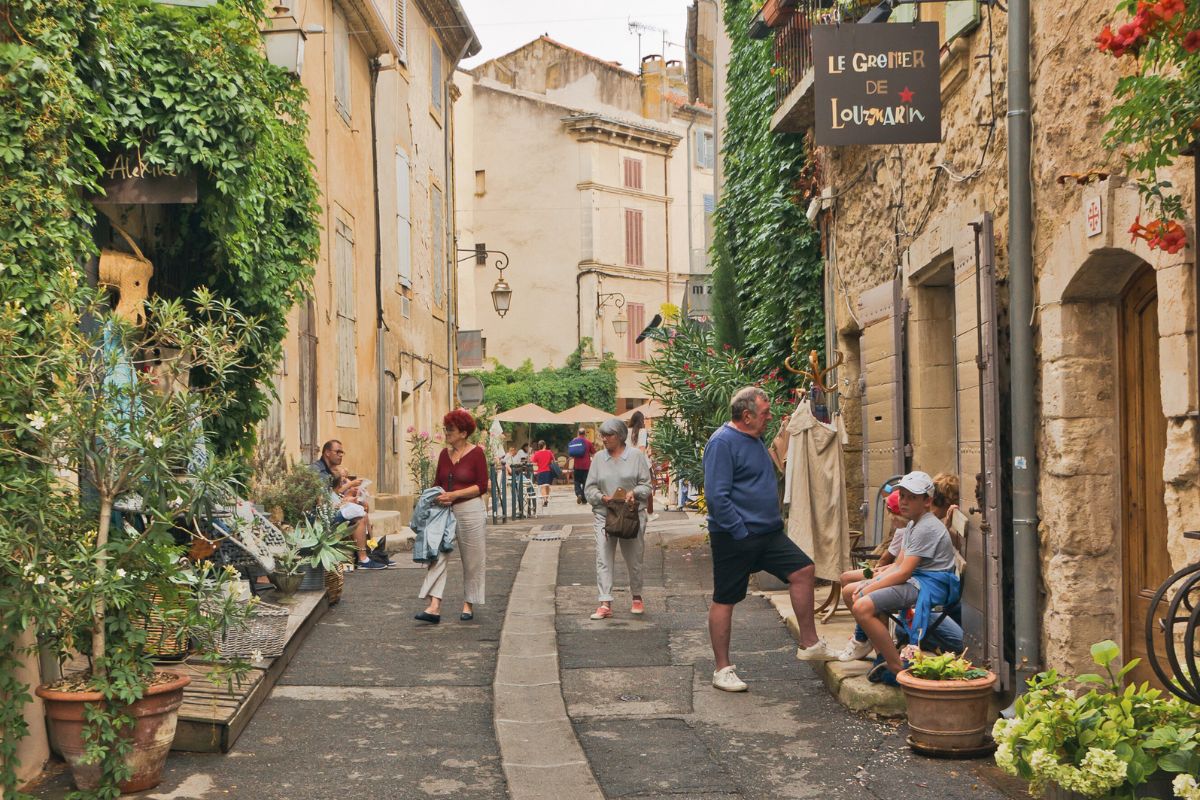
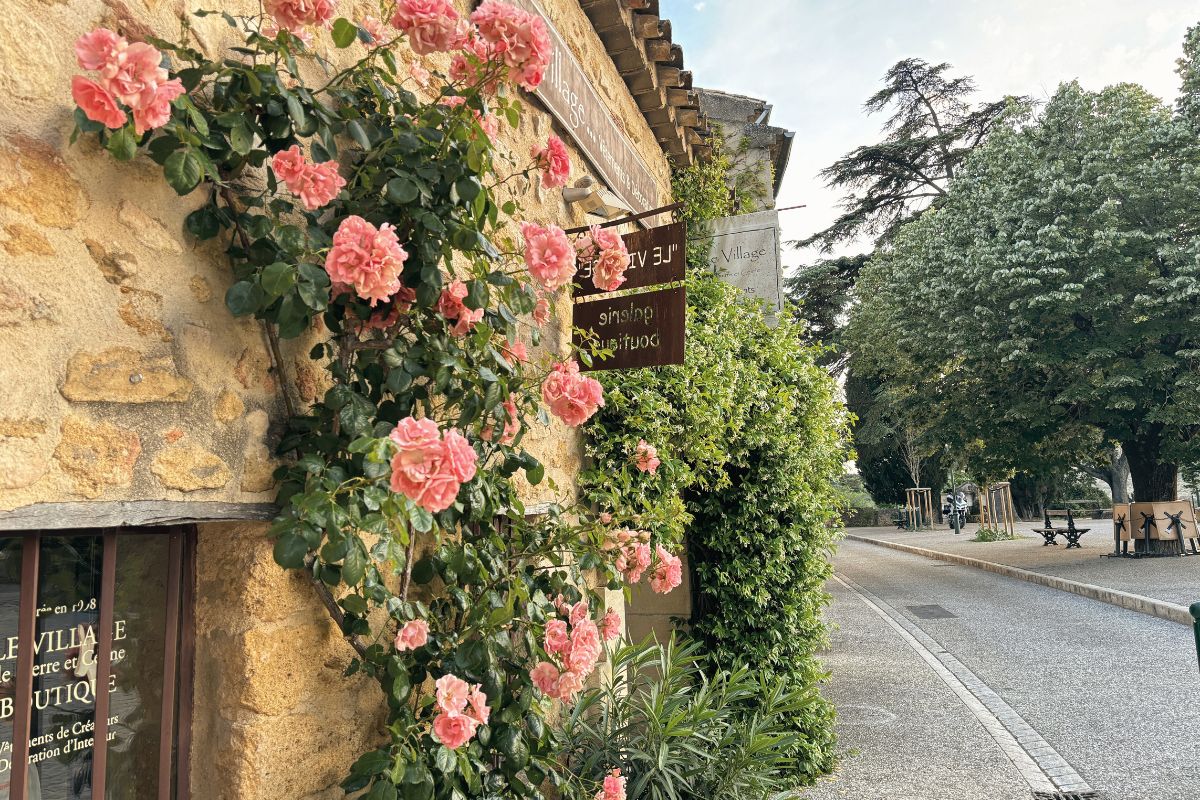
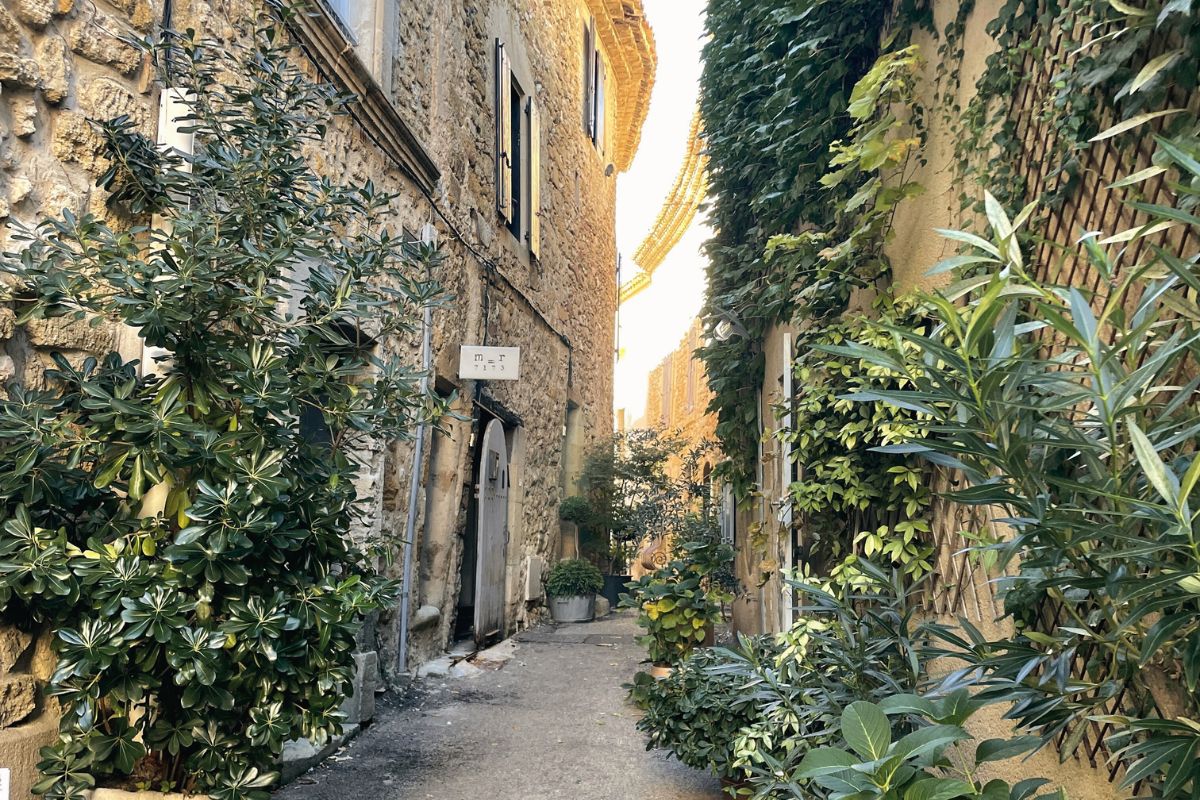
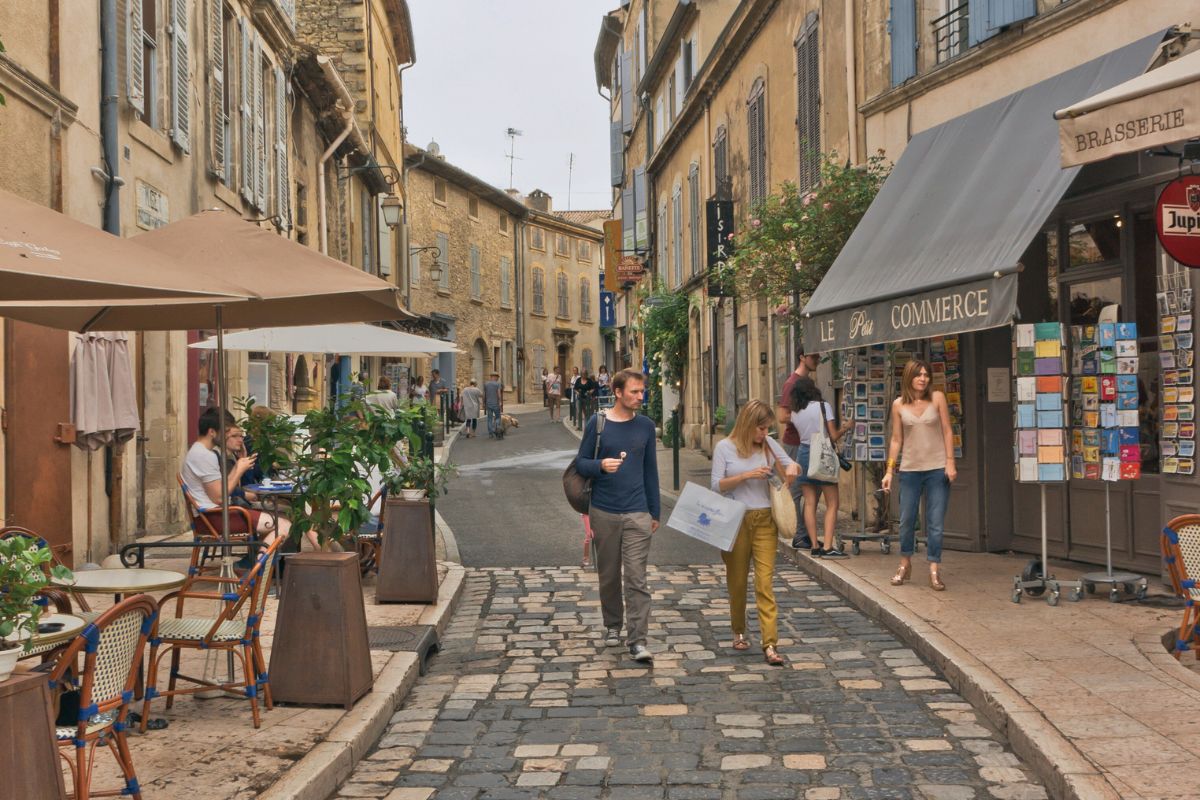
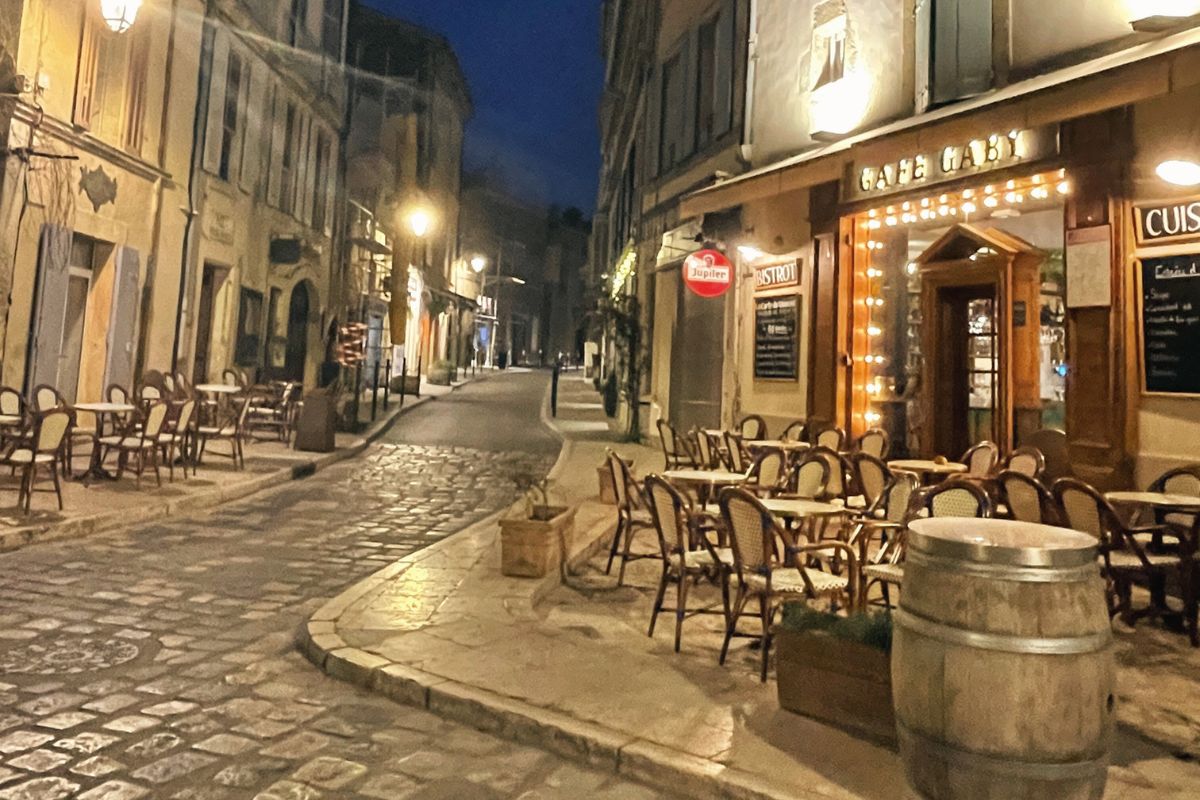
Nestled at the foot of the Luberon mountains, Lourmarin is surrounded by vineyards, olive groves, almond trees, forests, and open farmland. Its setting feels expansive and grounded at the same time, offering wide views of the countryside while keeping village life close and walkable. Cobblestone streets wind past stone houses, shaded squares, fountains, cafés, and boutiques that feel lived-in rather than staged.
The village is known for its relaxed but creative energy. Lourmarin attracts artists, writers, families, and travelers who want a village that feels authentic year-round, not just in summer. Lively terraces, a strong food culture, excellent markets, and a deep literary and artistic heritage give the village a rhythm that is both social and serene.
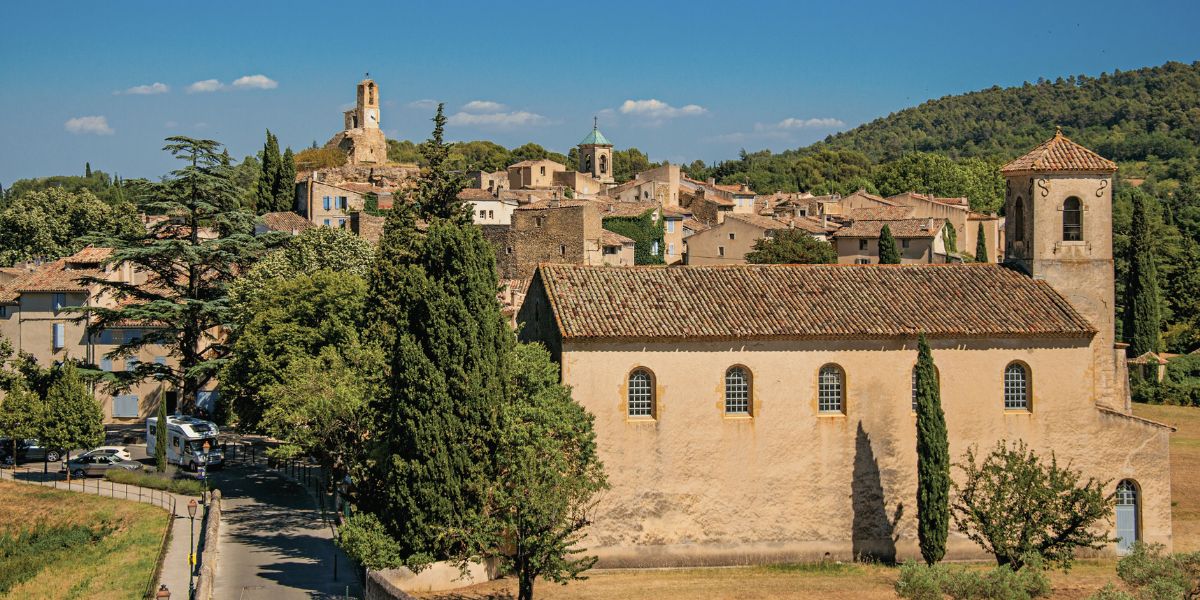
The village’s origins date back to the Middle Ages, when its position near the Luberon passes made it a natural point of movement between regions. Over time, Lourmarin grew into a prosperous agricultural and trading village, supported by vineyards, olive oil production, and craftsmanship.
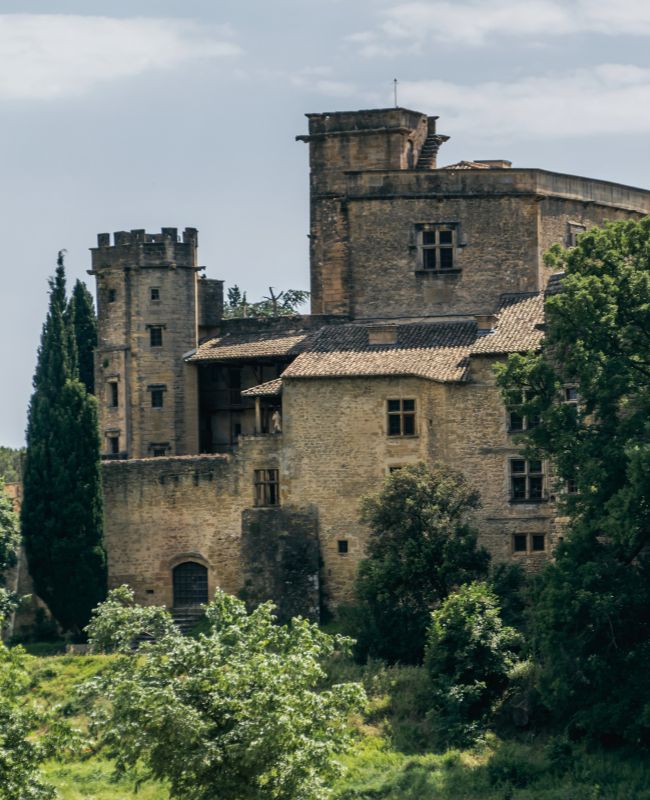
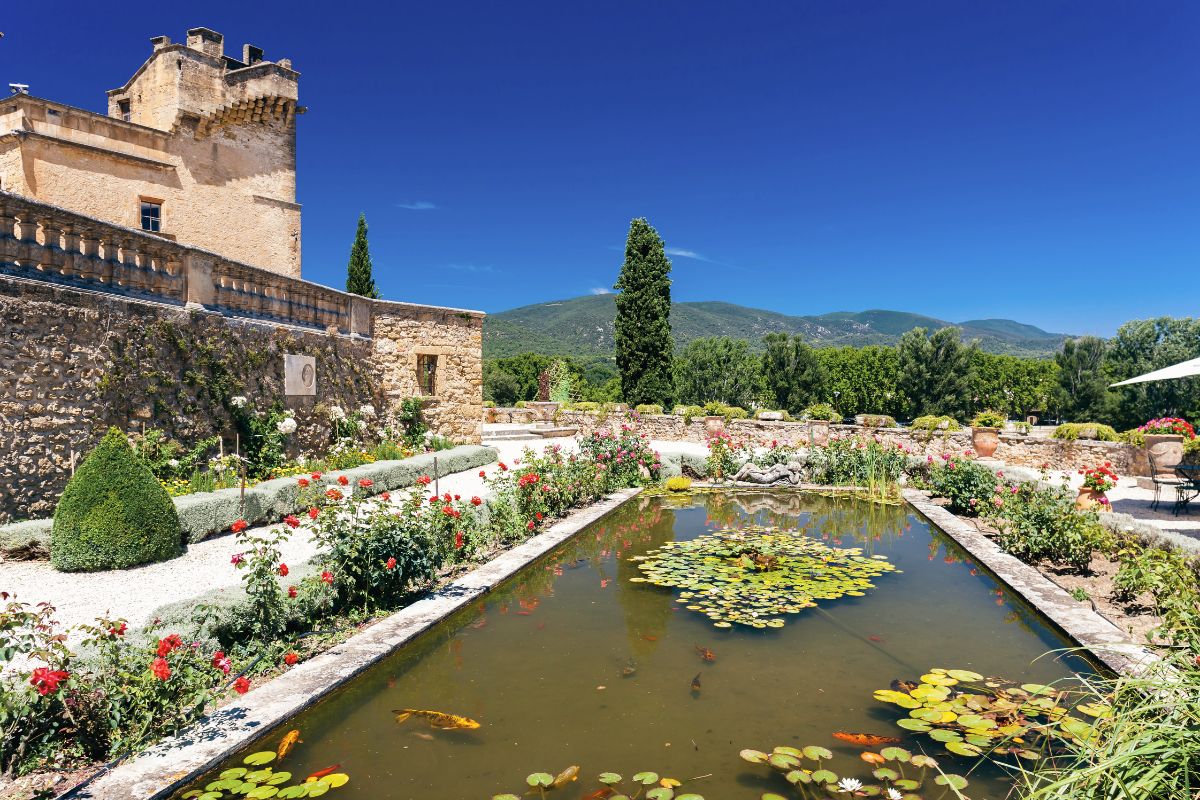
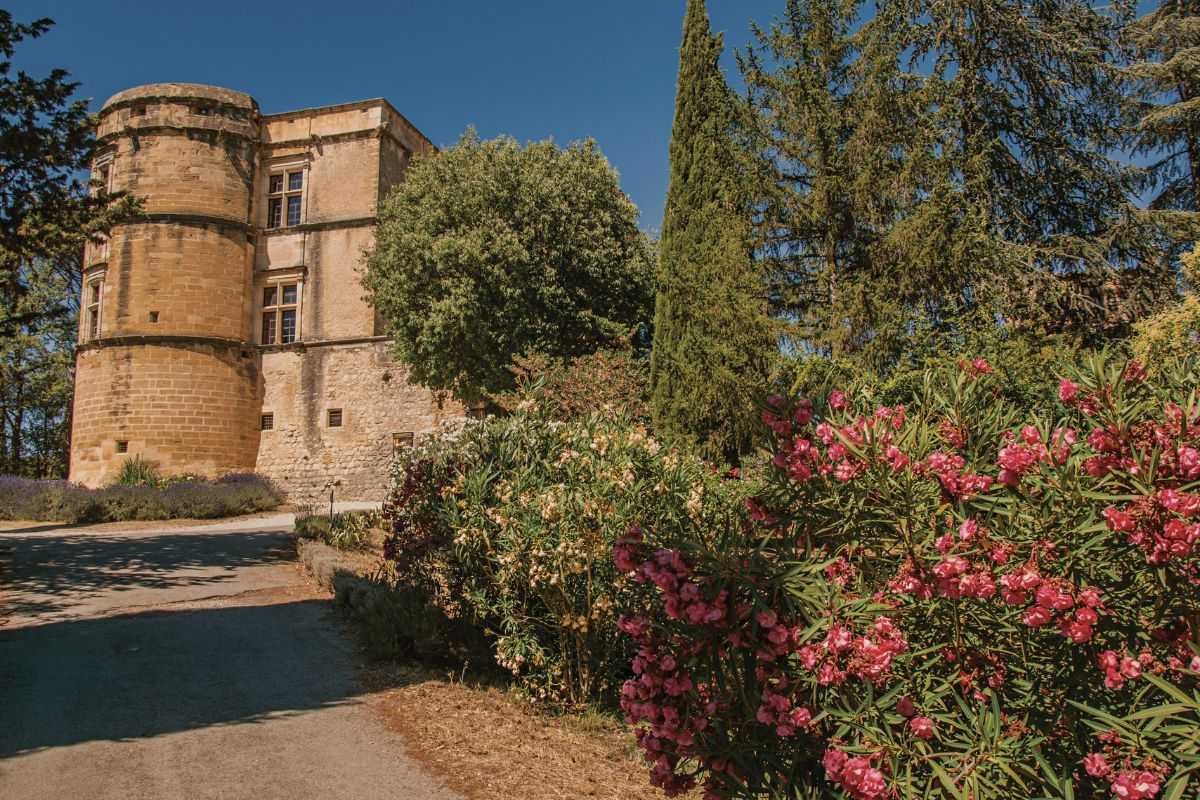
One of its defining landmarks, the Château de Lourmarin, was constructed in the 15th and 16th centuries and stands as one of Provence’s first Renaissance castles. Its architecture marked a turning point from medieval fortification to Renaissance elegance, reflecting the village’s growing cultural importance.
Lourmarin later became a refuge for artists and intellectuals, a legacy that continues today. Nobel Prize–winning author Albert Camus lived here during the final years of his life and is buried in the village cemetery. Writers Henri Bosco and others also found inspiration in Lourmarin’s light, quiet intensity, and sense of human scale.
Today, Lourmarin is officially recognized as one of Les Plus Beaux Villages de France. This designation reflects not only its architectural beauty but also its ability to preserve heritage while remaining vibrant and lived-in.
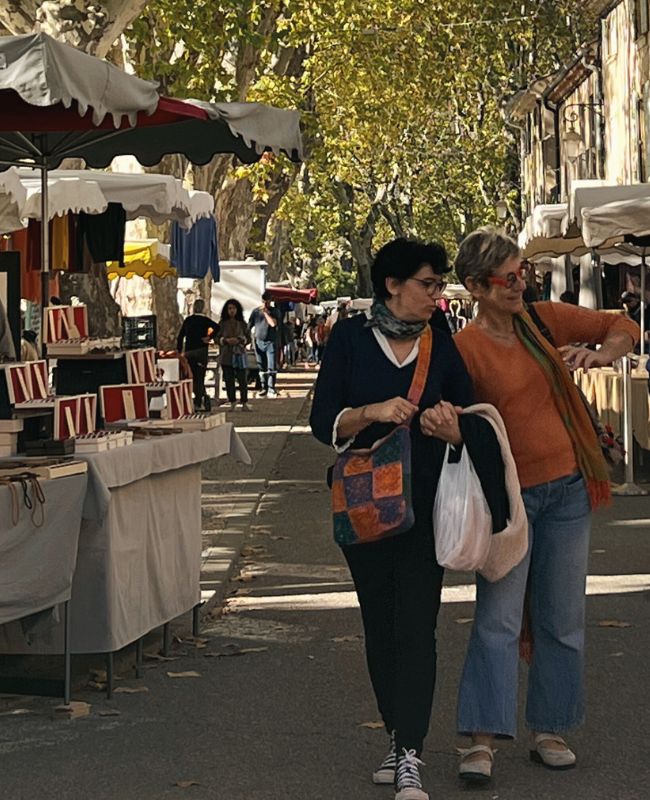
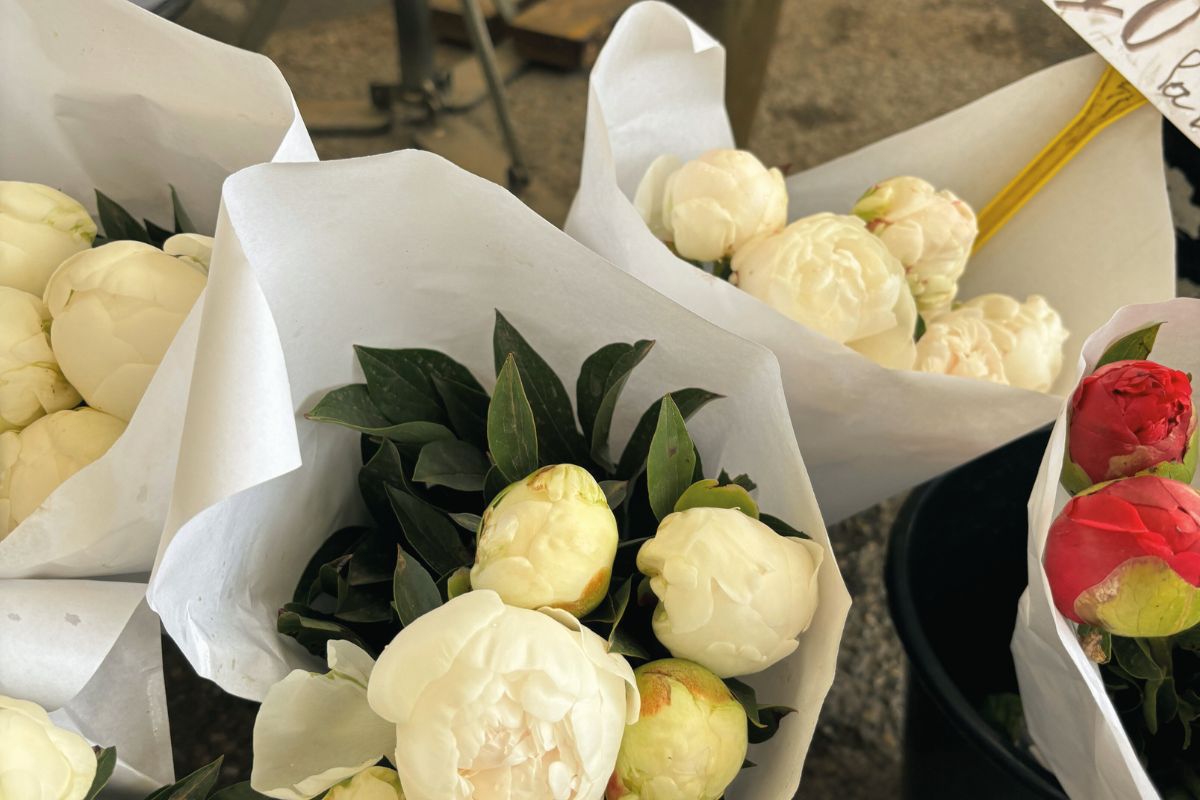
The Friday morning market is one of the most celebrated in the Luberon. It fills the village streets with local produce, cheeses, olives, breads, flowers, clothing, and artisan goods. In summer, arriving early is essential for both parking and atmosphere.
From May to October, Lourmarin also hosts a Tuesday evening market from 5:30 pm to 8:30 pm. This smaller market has a festive, local feel and pairs well with an apéritif on a nearby terrace.
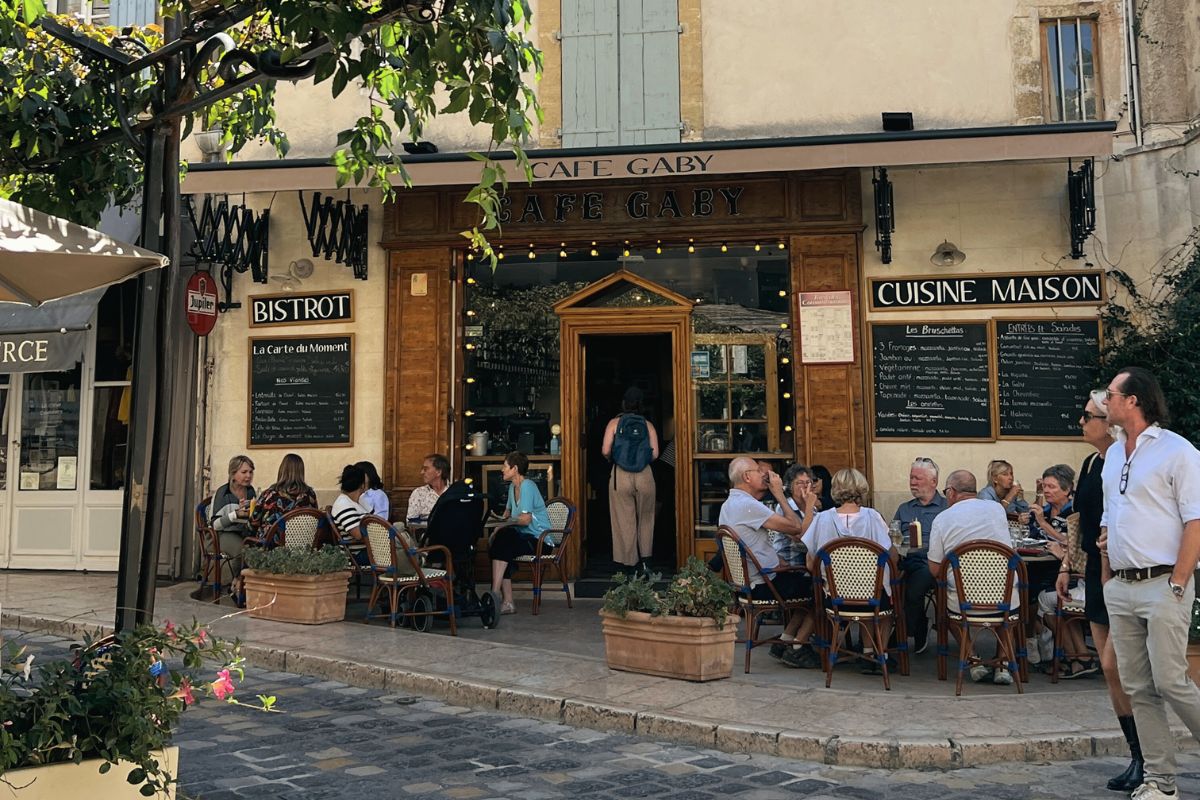
Lourmarin is known for its lively café culture and strong restaurant scene, with terraces spilling into shaded squares and narrow streets. Options range from casual lunch spots to refined dining, all anchored in Provençal ingredients and seasonal menus.
To help you navigate, visit our Google Maps link for Lourmarin where we have tagged our preferred spots across the city:
Several wineries sit in and around Lourmarin, producing wines shaped by the Luberon’s unique climate.
Notable options include:
Most wineries close on Sundays and during lunch hours. A local wine co-op and the village épicerie also offer a good selection of regional bottles.
La Boulangerie du Village, Rue Henri Savornin. A classic village bakery with daily breads and pastries. Closed Mondays.
La Maison du Gibassier, known for traditional Provençal specialties.
Village Épicerie, Rue Henri Savornin. Small but excellent, offering cheeses, meats, bread, wine, and essentials. Open seven days a week.
Super U in Puyvert, about 10 minutes away, for larger grocery needs. Closed Sunday afternoons.
Château de Lourmarin
This 15th-century Renaissance château is the village’s centerpiece. Today it hosts exhibitions, concerts, and cultural events, and its terraces offer views over the surrounding countryside.
Lourmarin has long attracted artists and writers, a tradition visible in its galleries, seasonal festivals, and literary events. Visiting the cemetery where Albert Camus and Henri Bosco are buried adds a quiet, reflective layer to the village’s cultural story.
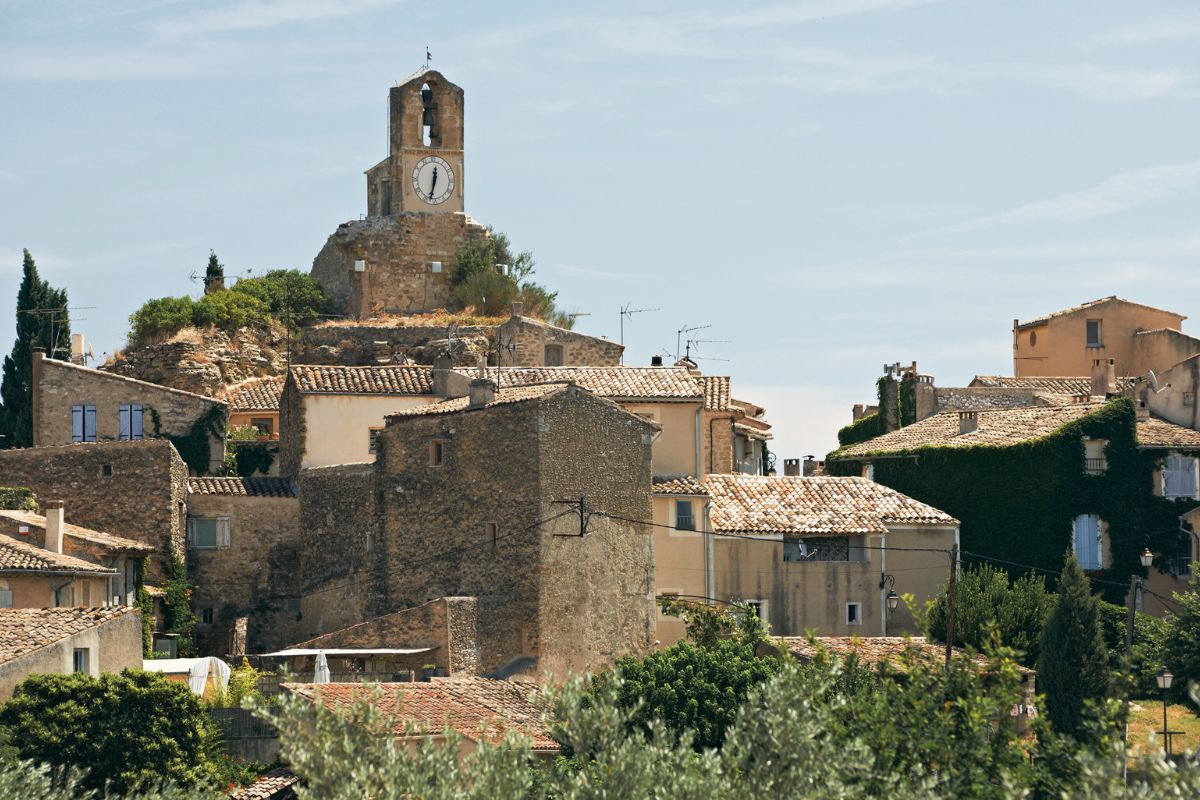
Historic landmarks include the Belfry, Saint-André-et-Sainte-Trophime church, the Temple, and the Château, with structures dating as far back as the 12th century.
The surrounding Luberon landscape invites walking, cycling, and scenic drives through vineyards and forested hills. Trails begin near the village and connect Lourmarin to neighboring countryside and villages.
Lourmarin’s location makes it an ideal base for exploring the southern Luberon. Nearby villages such as Cucuron, Ansouis, and Bonnieux are all within easy reach, as are vineyards and olive estates.
The village’s pedestrian-friendly streets, open squares, fountains, and markets make it easy for families to explore at a relaxed pace. Castle visits, countryside walks, and market mornings tend to be especially engaging for younger visitors.
Yes, especially on market days and weekends. Early mornings and evenings offer a calmer experience.
Some wine options are walkable within the village, but most nearby estates are best reached by car.
The main weekly market takes place on Friday mornings. A smaller evening market runs on Tuesdays from May to October.
Camus lived in Lourmarin during his final years and is buried in the village cemetery, making it a place of literary significance.
Absolutely. Its central location and easy access to both southern and northern Luberon villages make it ideal.
Yes. The village is welcoming, walkable, and offers a balance of culture, outdoor space, and relaxed dining that works well for all ages.
- offering all comforts and amenities - pool, housekeeping, and chef services.
© 2026 Only Provence


Only Provence co-founder Lydia Dean writes about their experiences raising a family, building a business in Provence, and later combining the love of travel with giving back in "Jumping the Picket Fence”. In 2021, she published “Light Through the Cracks,” a continuation of her journey, much of which has been based in Provence. Both books are available Amazon, Amazon.uk, and Amazon.Fr.