

Paradou & Maussane
Two authentic Alpilles villages rooted in olive groves, tradition, and everyday Provençal life.
Quick Link to a Section

Quick Link to a Section
Surrounded by olive groves, vineyards, and walking trails, these villages feel deeply connected to land, tradition, and community.
Paradou enchants with its narrow walking streets, pastel-shuttered stone houses, small boutiques, and gardens bursting with color. Life here moves gently. Cafés spill into shaded squares, artisans work quietly behind shopfronts, and village paths invite slow exploration. It feels intimate, residential, and immediately welcoming.
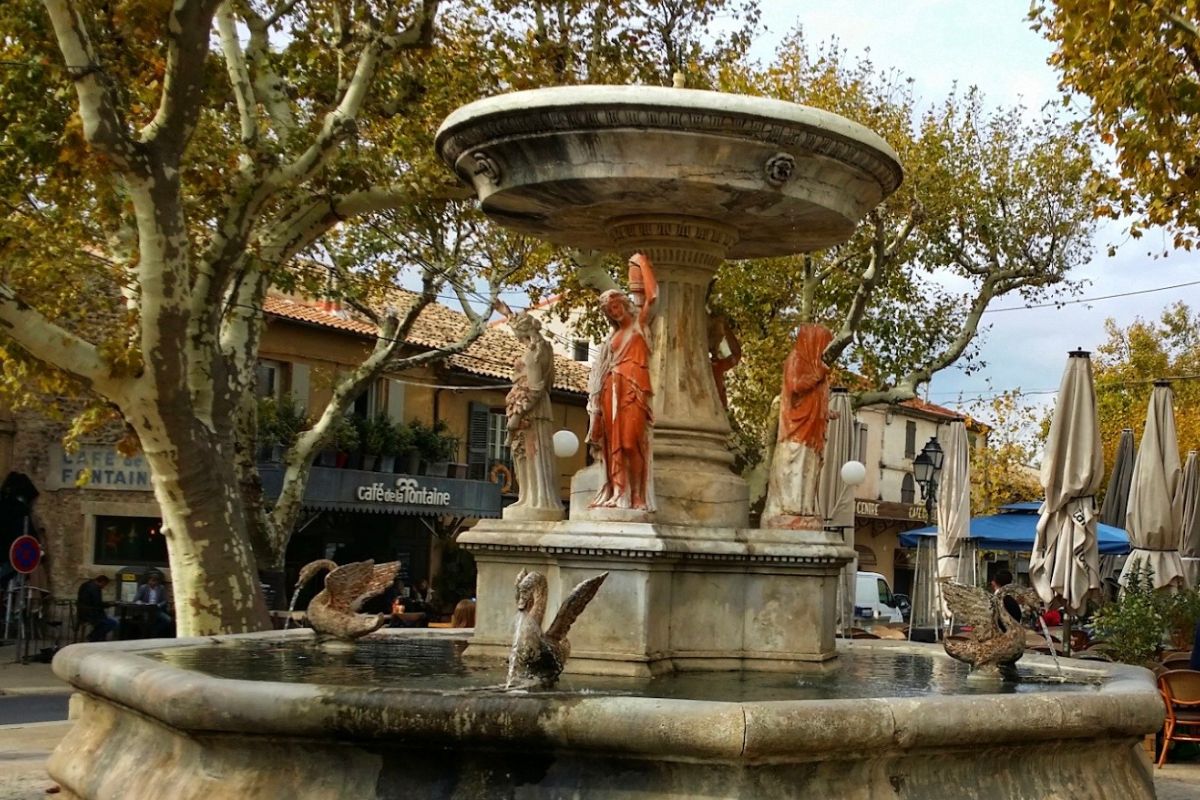
Maussane-les-Alpilles, slightly larger and more animated, is known for its exceptional olive oil and lively village rhythm. Terraces fill throughout the day, fountains and streams weave through public spaces, and local events bring the village together year-round. Together, Paradou and Maussane offer a balance of calm charm and vibrant Provençal life, just moments from Les Baux-de-Provence and Saint-Rémy.
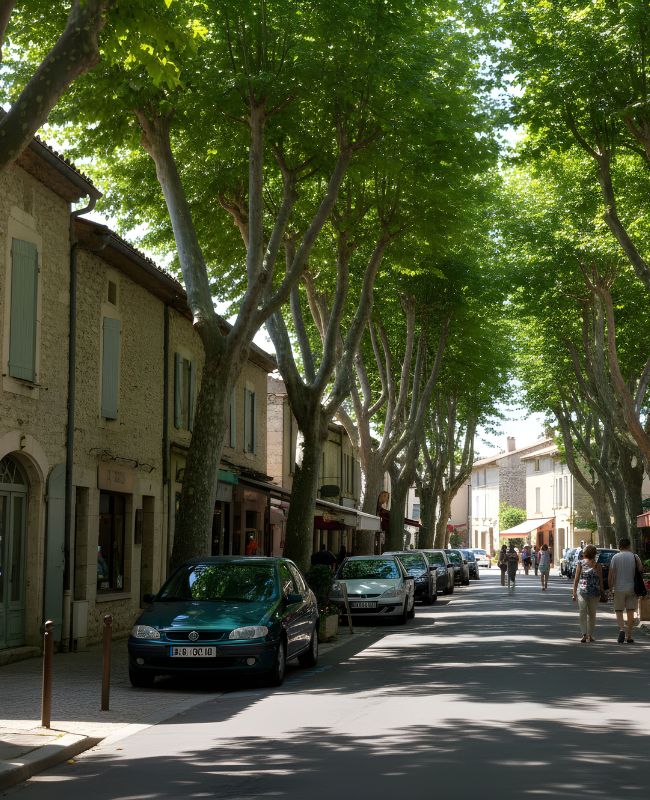

Maussane-les-Alpilles developed near an ancient Roman road linking Arles and Aix-en-Provence. While only a few Roman remains are visible today, its strategic location and fertile land supported early settlement. During times of conflict, inhabitants sought refuge in nearby Les Baux before Maussane gradually gained independence.
By the 19th century, Maussane flourished as an agricultural hub. In the 1830s, the village was home to more than 650 hectares of olive trees and at least twelve windmills used to produce olive oil. This legacy remains central today, with Maussane and neighboring Mouriès now among France’s leading olive oil producers.
Paradou’s identity is closely tied to water and craftsmanship. Its name comes from the “paradous,” ancient water mills once used to beat woven wool along the Arcoule river. Formerly known as Saint-Martin-du-Castillon, the village retains its medieval layout and stone architecture.
Archaeological discoveries in Paradou reveal layers of history dating back to the 2nd century BC, including Roman artifacts such as the limestone “Lion de l’Arcoule,” now housed in the Musée de l’Arles Antique. Together, Paradou and Maussane reflect centuries of adaptation, creativity, and connection to place.


Paradou hosts a small Provençal market on Tuesday mornings, known for its friendly atmosphere and local produce.
Maussane-les-Alpilles holds its weekly market on Thursday mornings.
Nearby Mouriès also offers a popular market, just a short drive away.
Both villages are known for excellent village dining, with café terraces serving Provençal classics, locally sourced ingredients, and relaxed meals that stretch into the afternoon. Dining outside, paired with local olive oil, goat cheese, tapenade, and wine, is part of daily life.
To help you navigate, visit our Google Maps link for Paradou & Maussane where we have tagged our preferred spots across the city:
Several respected wine estates lie within easy reach.
Notable nearby domains include:
Domaine Lagoy, Saint-Rémy-de-Provence
Domaine Milan, Saint-Rémy-de-Provence
Domaine des Glauges, Eyguières
Most wineries close on Sundays and during lunch hours.
Ô Pétrin du Paradou, Avenue Jean Bessat. A village favorite for bread and pastries.
Maison Faugères, Maussane-les-Alpilles
Pains des Alpilles, Avenue de la Vallée des Baux, Maussane-les-Alpilles
Petit SPAR, Paradou, Avenue Jean Bessat
Petit SPAR, Maussane, Avenue de la Vallée des Baux
Intermarché, Fontvieille, about 8 km away, for larger grocery needs
Many shops have reduced hours on Sundays and Mondays.

Spend a slow day moving between Paradou and Maussane on foot or by bike. Start with coffee in one village, wander through olive groves and walking paths between them, and finish the day with an apéritif on a lively Maussane terrace as the sun lowers over the Alpilles.
Paradou and Maussane reflect Provençal culture through everyday spaces rather than formal museums. Discover historic fountains, washhouses, churches, and village squares. In Maussane, visit the freestone map of France, a unique monument composed of stones from every department. Seasonal festivals, parades, and traditional games bring local culture to life, especially in summer.
Walking and cycling trails weave through olive groves, vineyards, and the Alpilles foothills. Gentle countryside routes suit all levels, while nearby paths lead toward Les Baux and surrounding hills. Picnic spots and scenic viewpoints are easy to find just beyond the villages.
Paradou and Maussane are ideally located near many of Provence’s highlights:
Les Baux-de-Provence
Saint-Rémy-de-Provence
Fontvieille and its mills
Camargue beaches, reachable for a coastal day trip
Families enjoy the open village squares, fountains, markets, and easy countryside walks. Summer festivals, Camargue races, toro-piscine events, and parades offer engaging experiences rooted in local tradition without feeling staged.


They offer a quieter, more residential village experience while remaining close to major sights.
A car is recommended, especially for visiting nearby villages, wineries, and beaches.
Maussane-les-Alpilles is generally more animated, with more cafés and events.
Yes. Maussane hosts traditional Provençal events, especially during summer months.
Yes. Maussane and nearby Mouriès are among France’s leading olive oil producers.
Very much so. Their walkable centers, open spaces, and relaxed pace make them ideal for family stays.
- offering all comforts and amenities - pool, housekeeping, and chef services.
© 2026 Only Provence


Only Provence co-founder Lydia Dean writes about their experiences raising a family, building a business in Provence, and later combining the love of travel with giving back in "Jumping the Picket Fence”. In 2021, she published “Light Through the Cracks,” a continuation of her journey, much of which has been based in Provence. Both books are available Amazon, Amazon.uk, and Amazon.Fr.