Saint-Rémy-de-Provence
A vibrant Provençal town where Roman history, artistic legacy, and Alpilles beauty converge.
Quick Link to a Section

Set in the heart of the Alpilles, it combines historic depth, lively commerce, and an unmistakable artistic spirit that draws visitors from around the world.
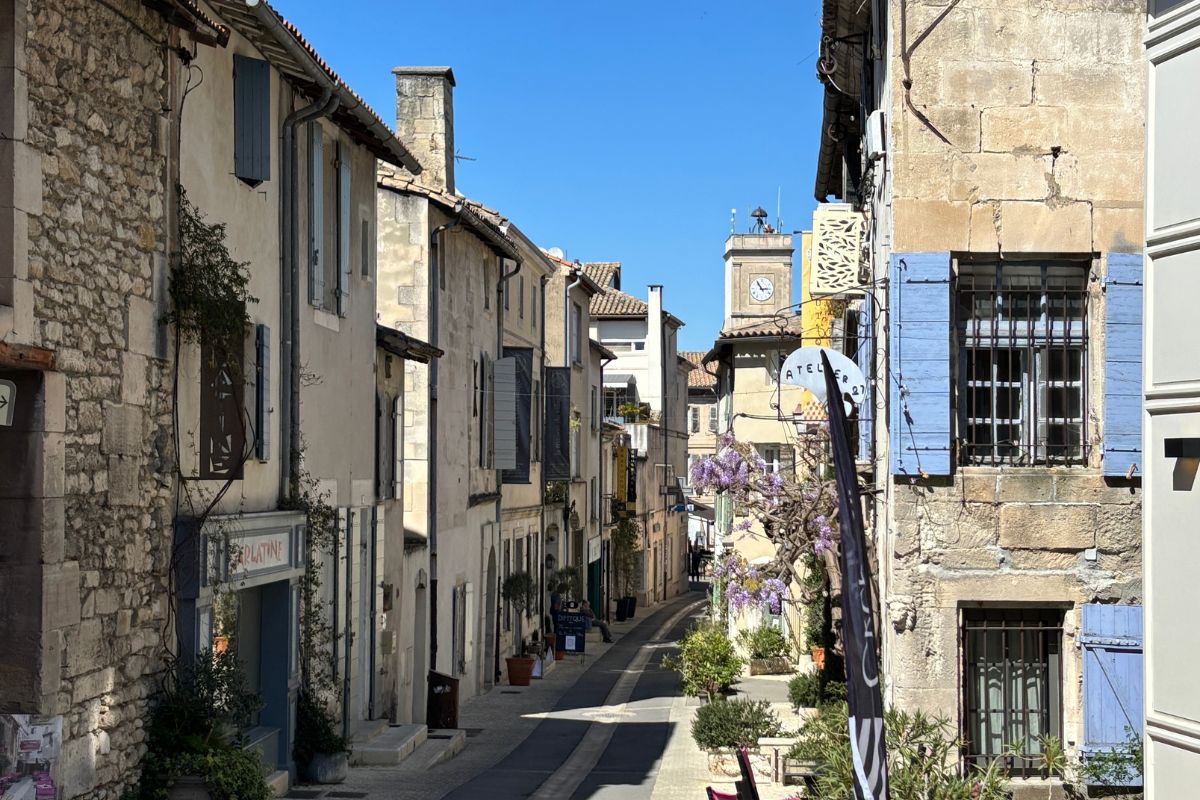
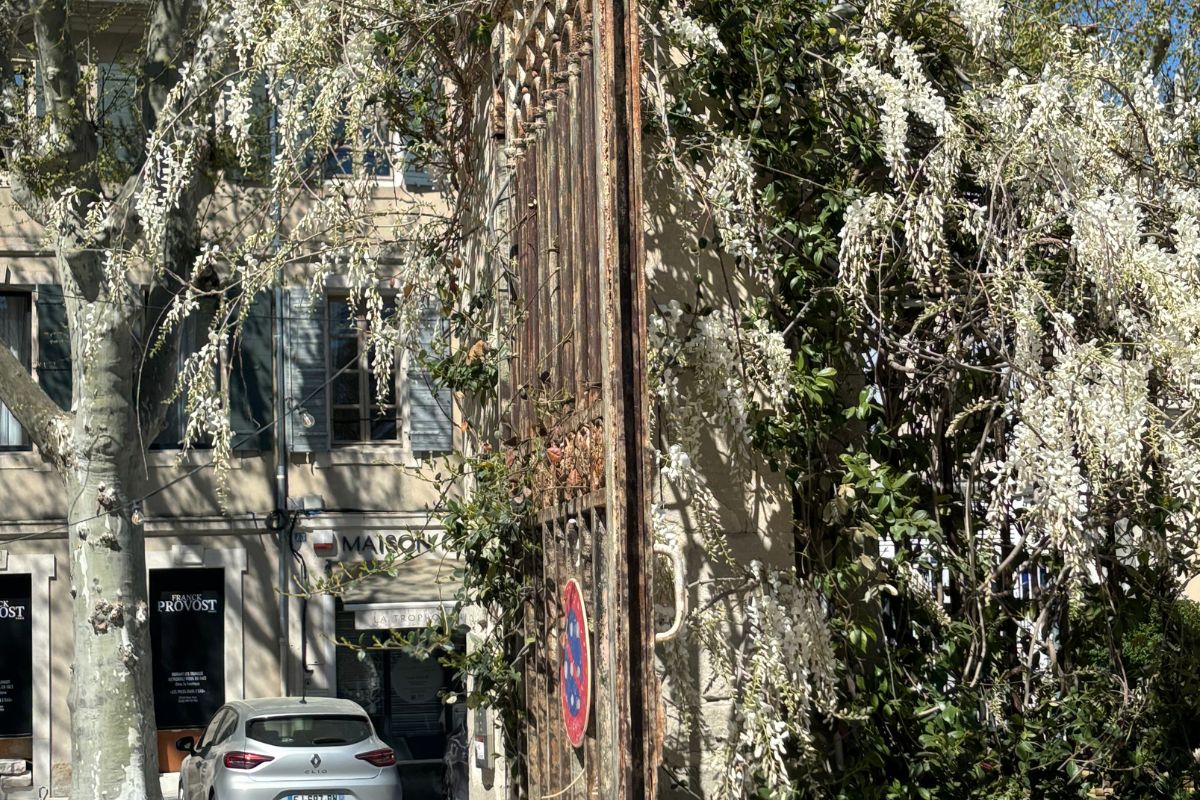
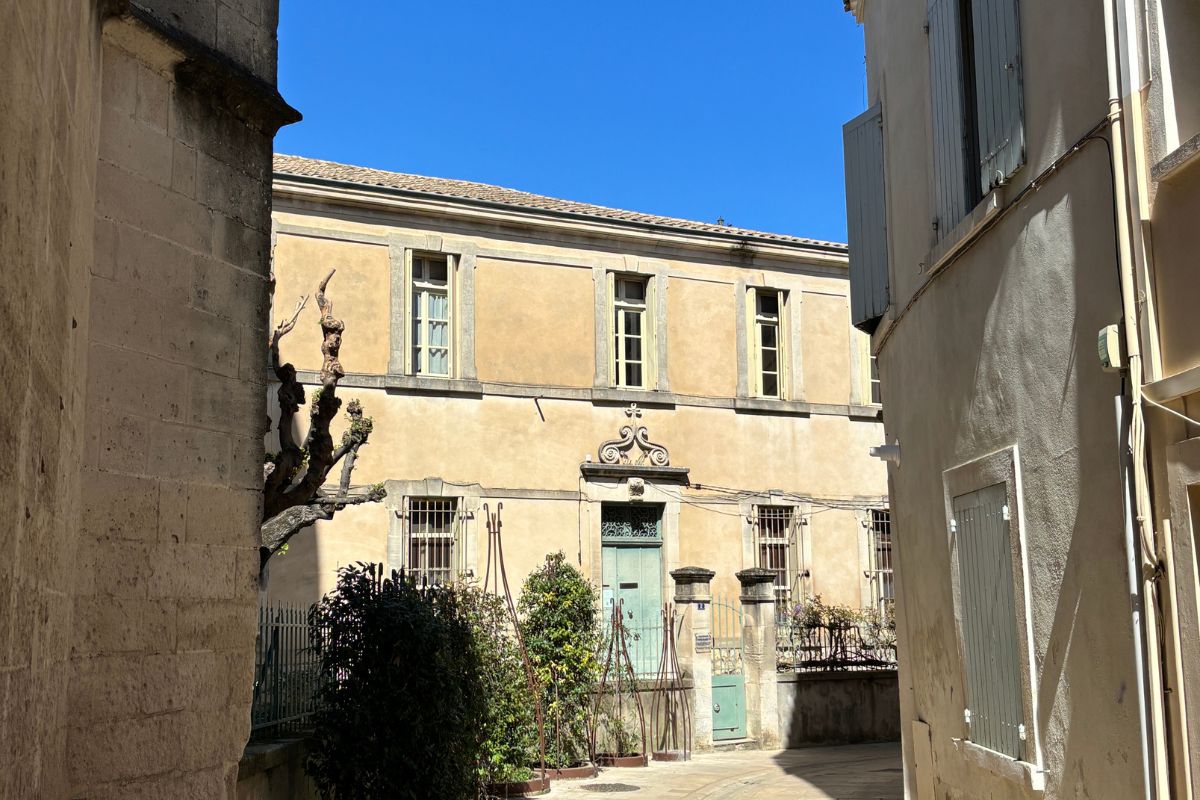
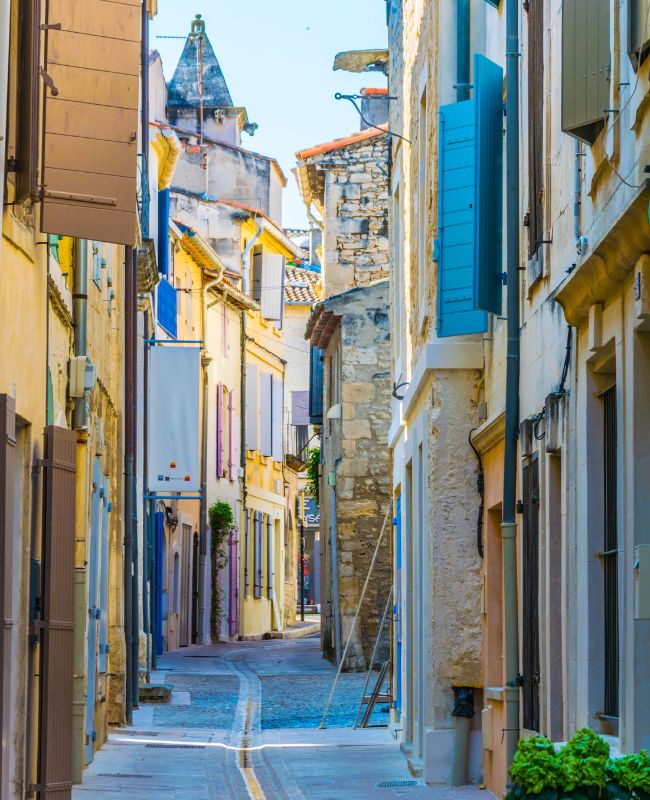
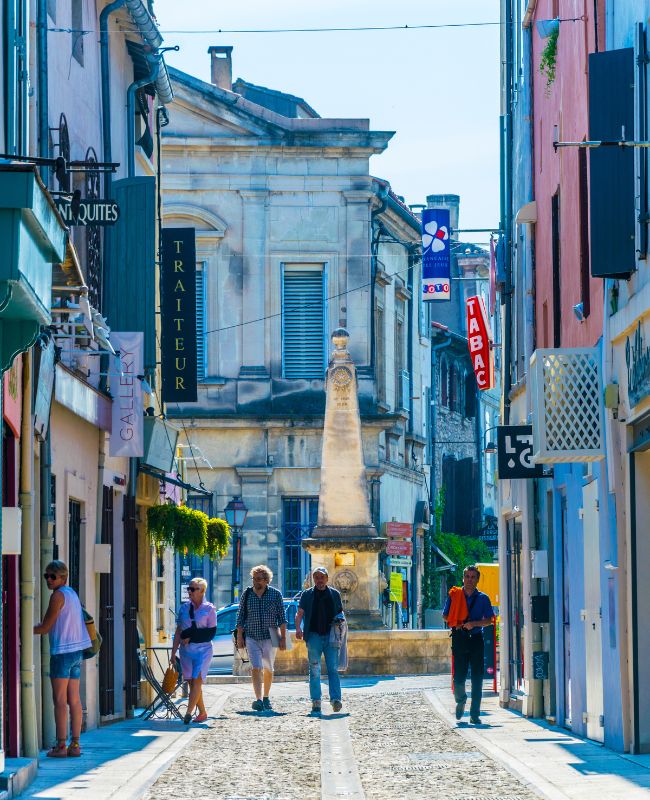
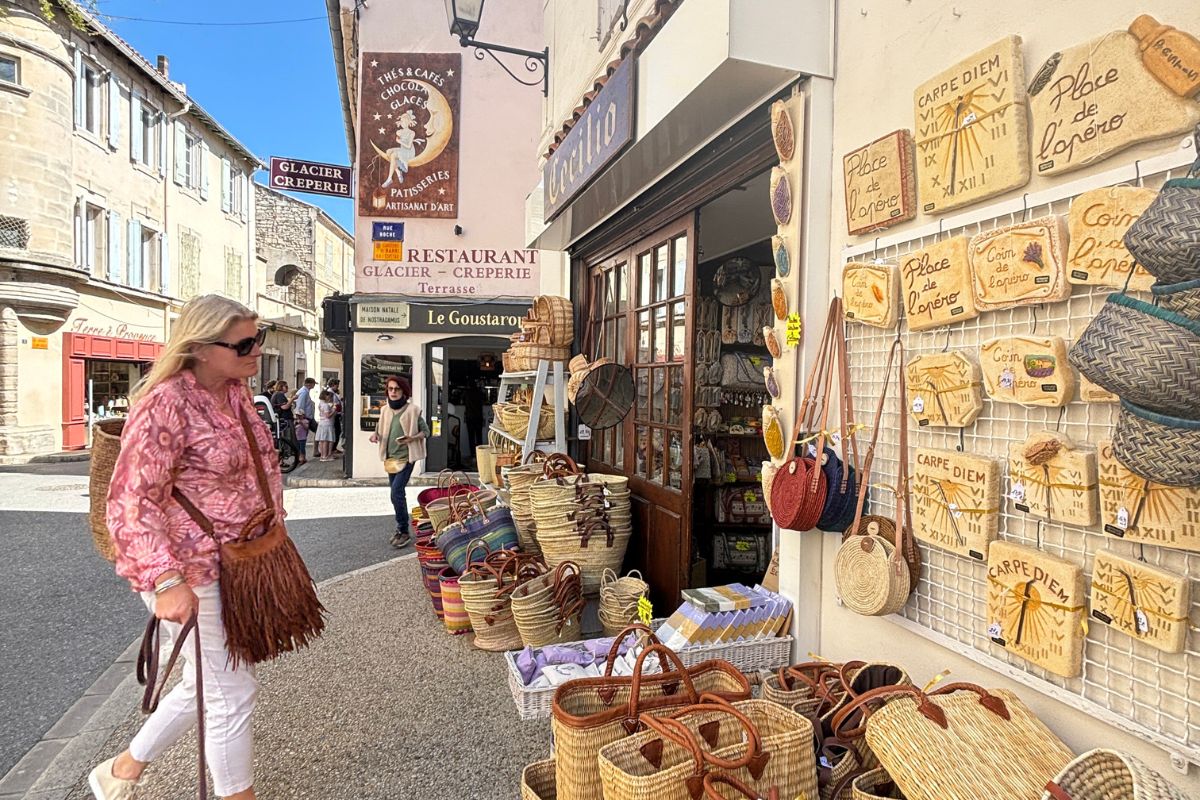
Larger and more animated than many nearby villages, Saint-Rémy offers an exceptional balance of charm and energy. Its historic center is filled with elegant boutiques, galleries, cafés, and more than forty restaurants, all woven together by leafy boulevards and intimate stone streets. The town feels both refined and approachable, making it easy to linger for hours.
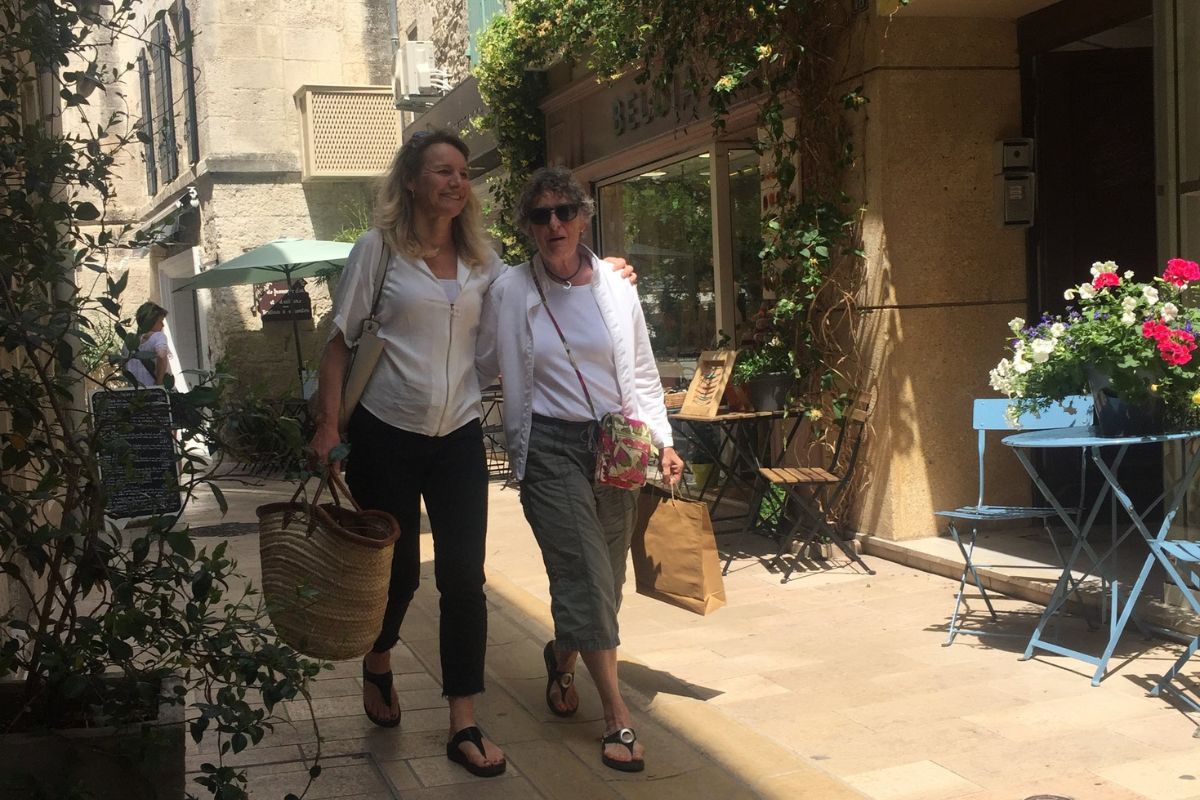
Saint-Rémy is also deeply walkable and social. Market day transforms the town into a colorful spectacle, while long lunches, shaded terraces, and evening strolls define daily life. It is a place where culture feels lived in rather than curated.
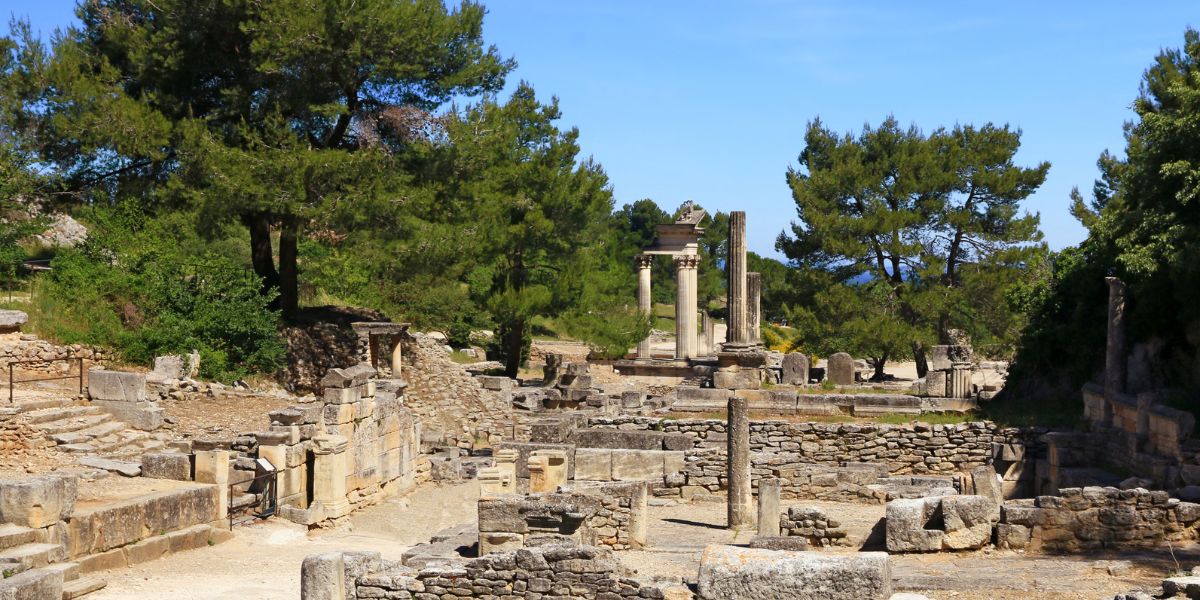
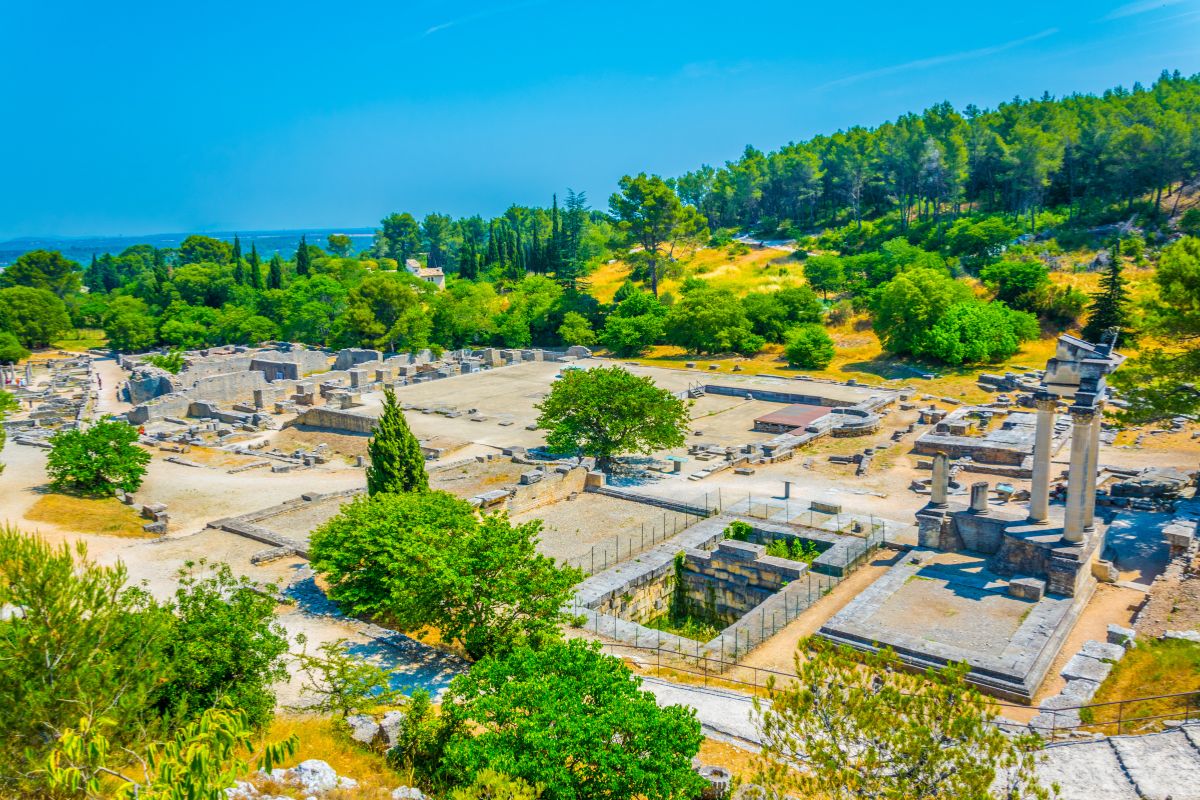
The area was first settled long before Roman occupation, but it was the establishment of Glanum in the 3rd century BC that defined its early prominence. Originally a Celtic settlement, Glanum later flourished under Roman rule following Julius Caesar’s conquest of Gaul.
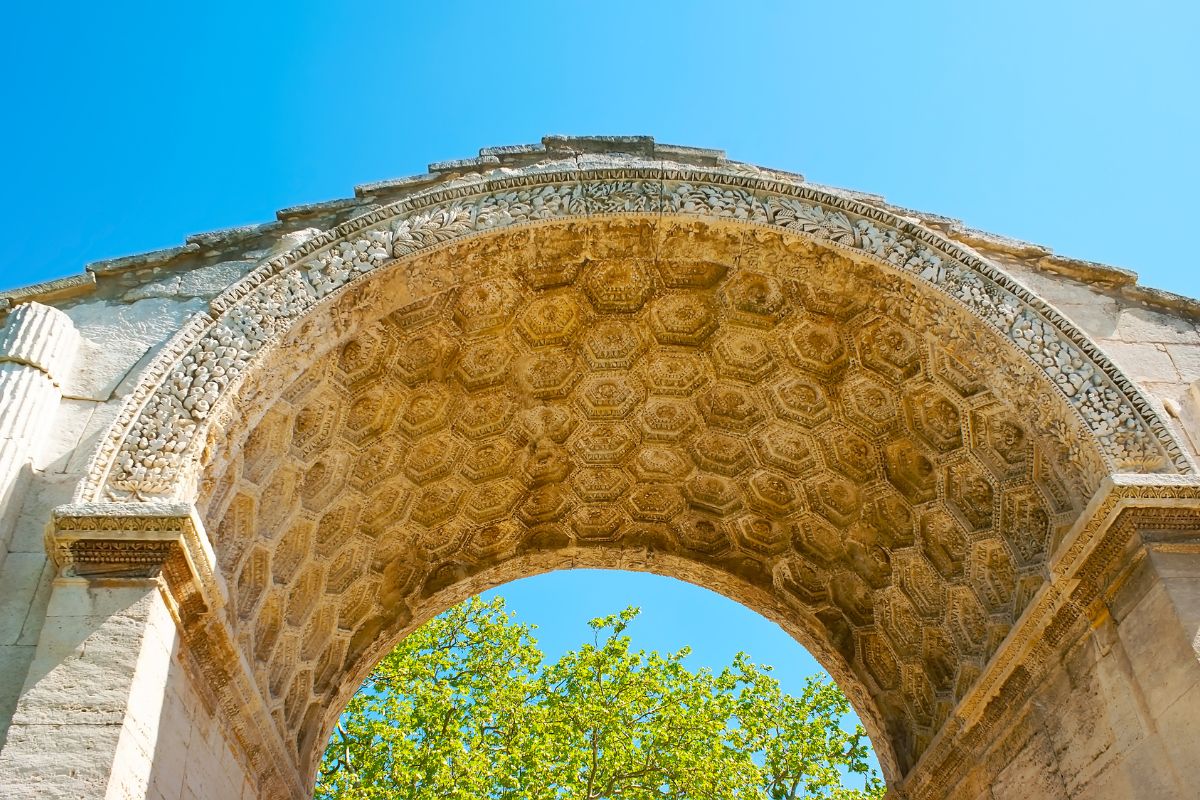
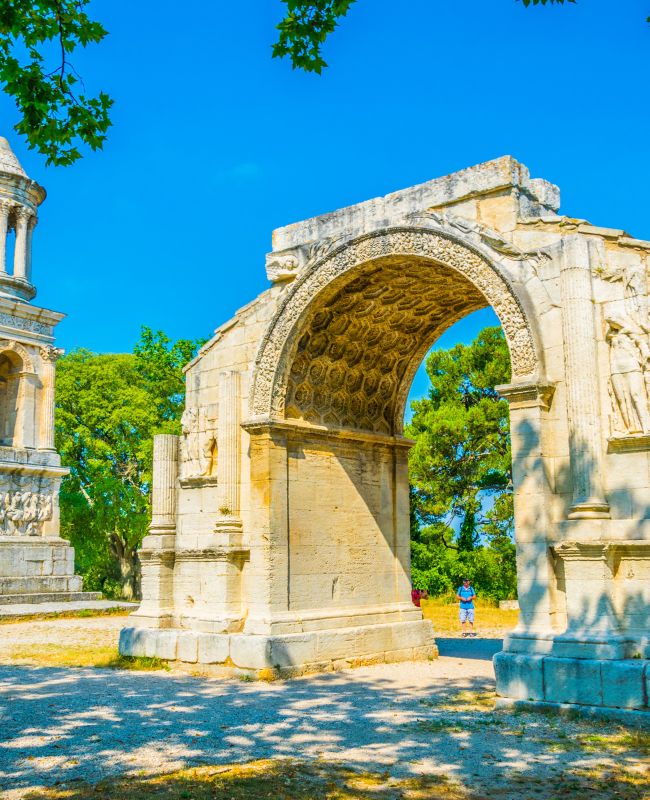
Between 30 and 10 BC, Glanum became a thriving Gallo-Roman city known for its healing springs. Visitors today can explore remarkably preserved ruins, including triumphal arches, temples, public baths, residential avenues, and the Mausoleum of the Julii, one of the finest Roman funerary monuments in France.
In the Middle Ages, settlement shifted uphill to the site of modern Saint-Rémy, offering protection and continuity. Over centuries, the town evolved into a regional hub, balancing agriculture, trade, and culture.
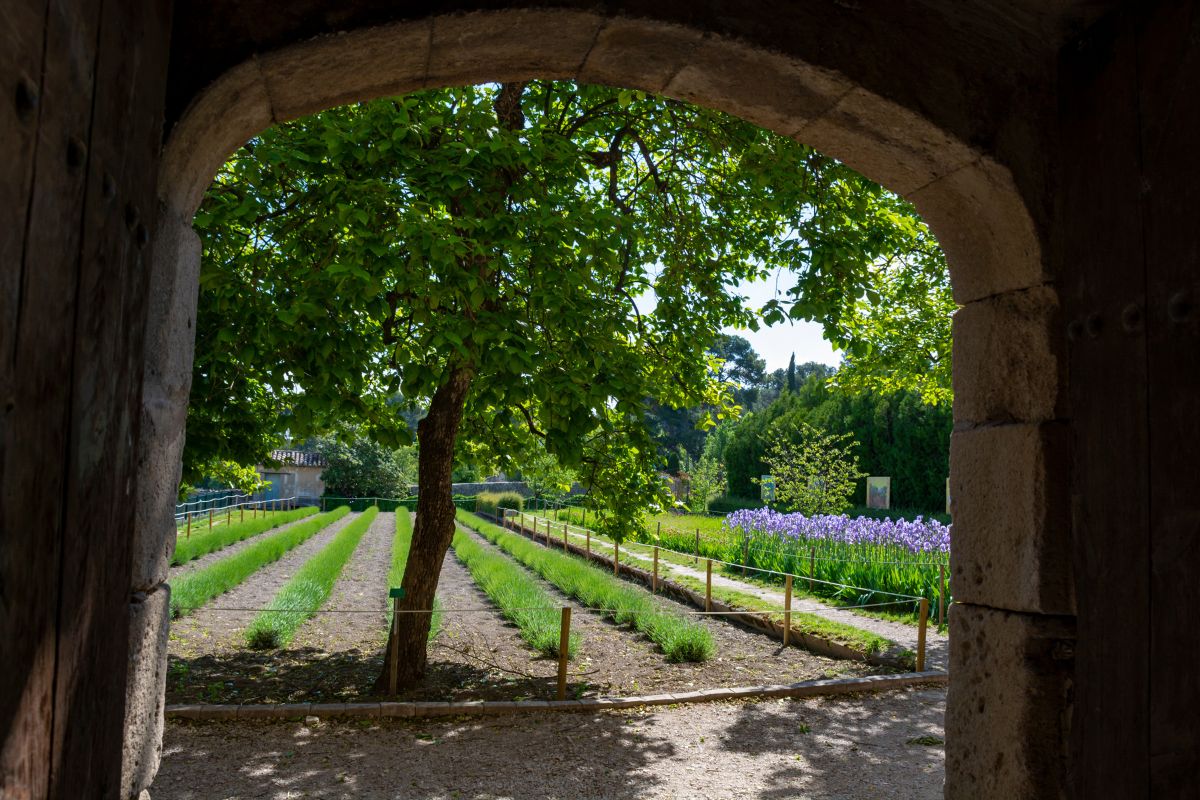
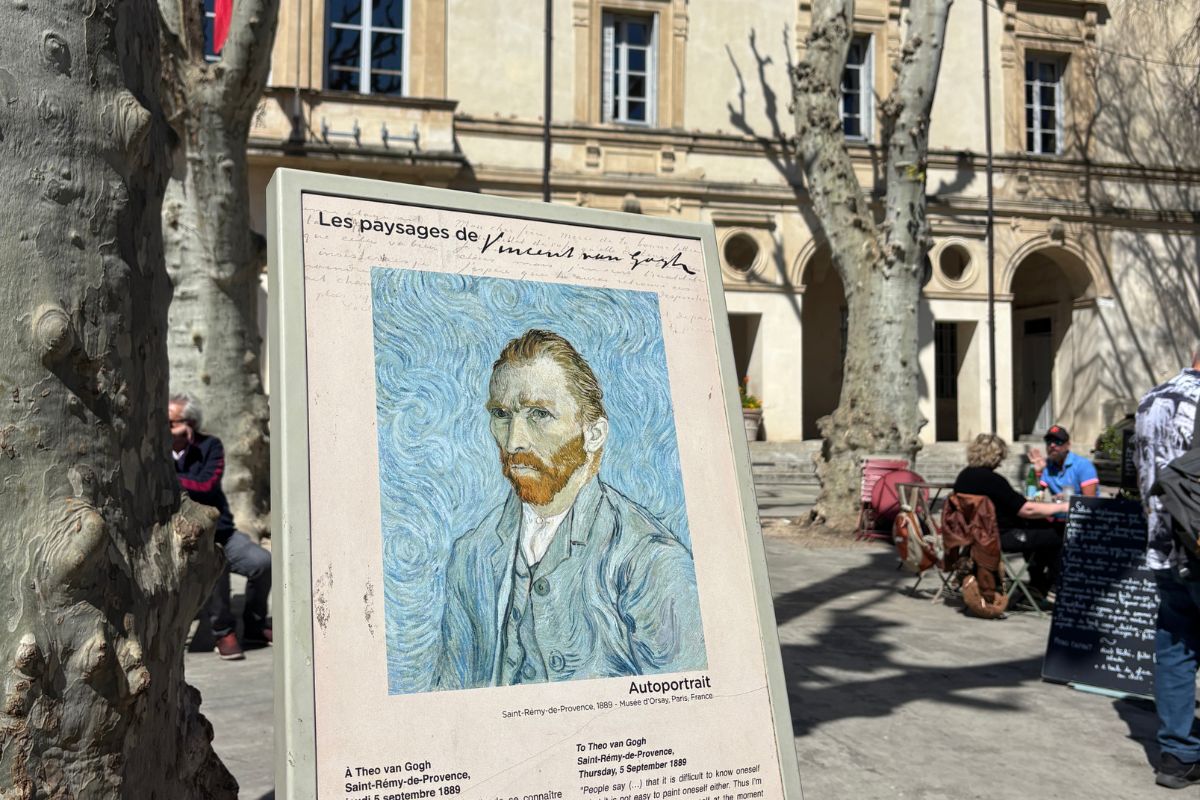
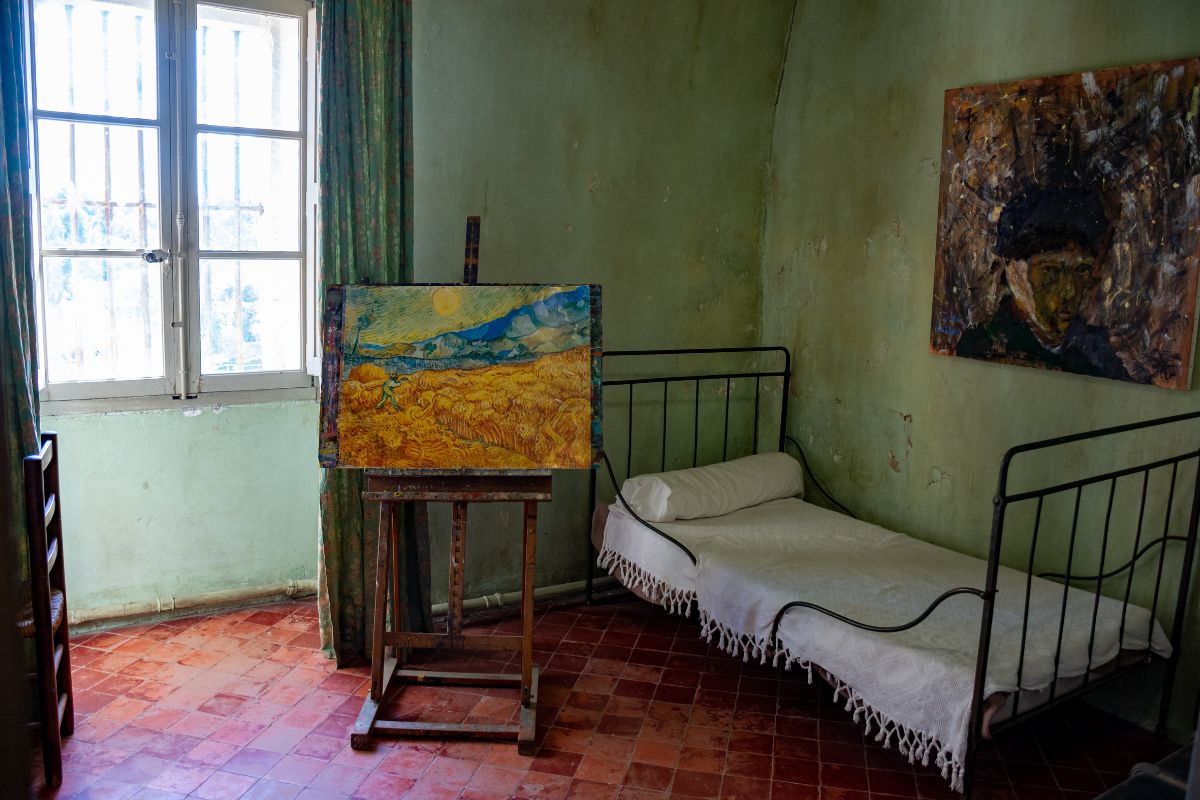
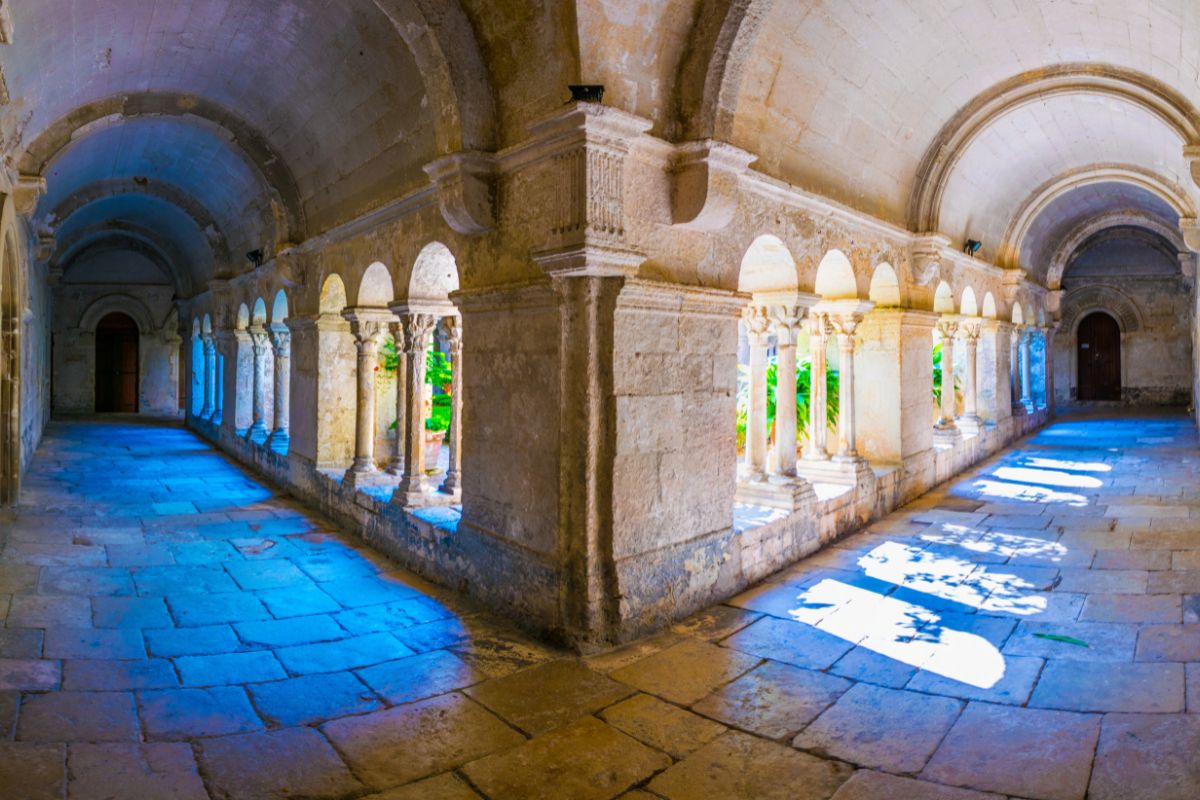
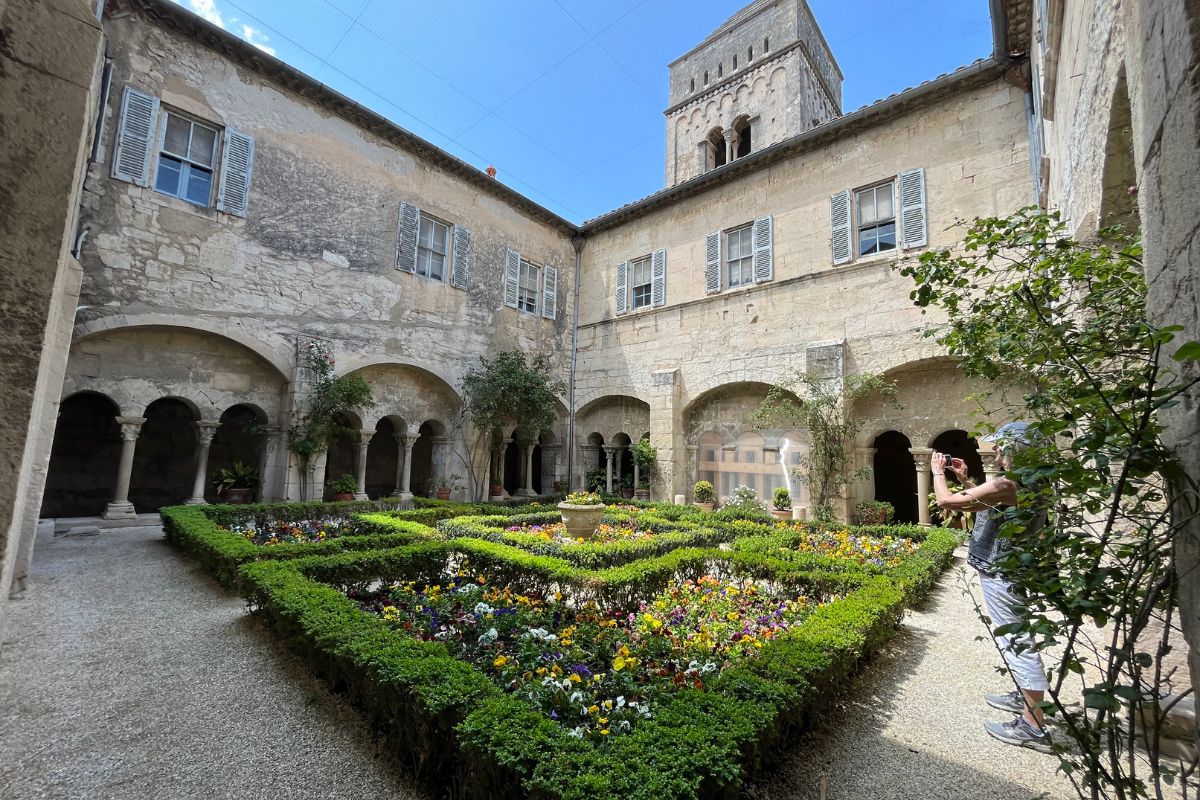
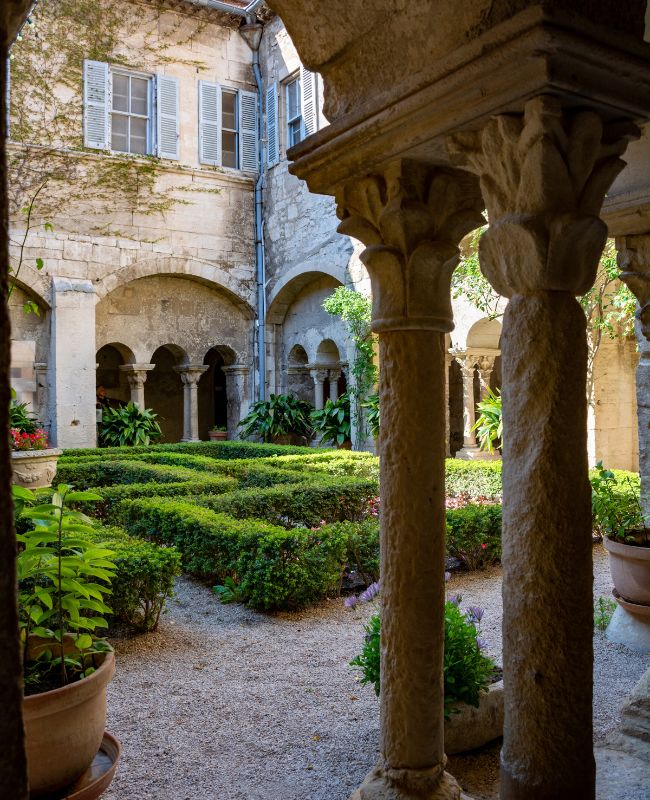
Saint-Rémy gained global recognition in the late 19th century when Vincent van Gogh lived at the Monastery of Saint-Paul-de-Mausole. During his year here, he produced some of his most iconic works, forever linking the town to one of history’s most influential artists.
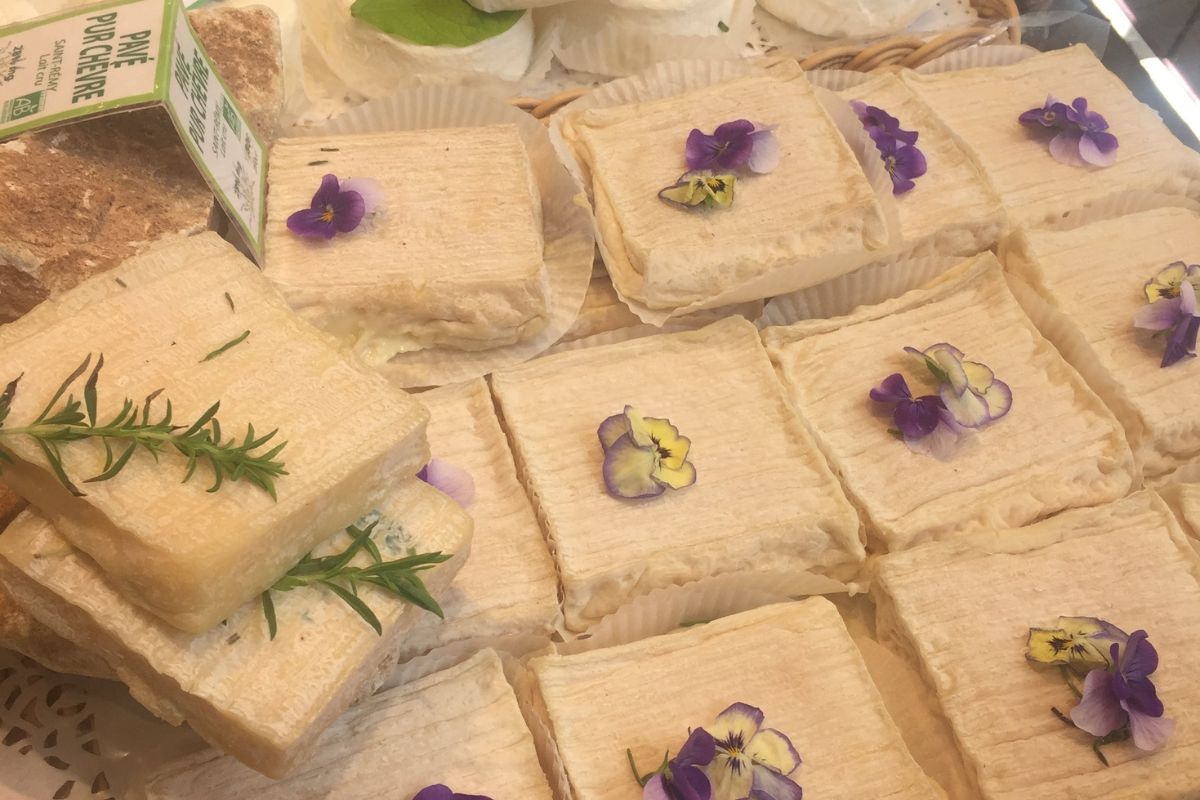
The Wednesday morning market is one of the most celebrated in Provence. It fills the town center with stalls selling produce, cheeses, olives, flowers, ceramics, clothing, linens, and prepared foods. Arrive early and plan to stay late, as market day naturally leads into long lunches.
With over forty restaurants, Saint-Rémy caters to every style, from casual cafés to refined dining. Terrace lunches, seasonal menus, and Provençal classics define the experience. Evenings are lively yet relaxed, especially in the historic center.
To help you navigate, visit our Google Maps link for Saint-Rémy where we have tagged our preferred spots across the city:
Several respected estates surround Saint-Rémy, producing wines that reflect the Alpilles terroir.
Notable nearby domains include:
Château Romanin
Château d’Estoublon
Domaine des Lauzières
Terres Blanches
Mas de Valdition
Most wineries close on Sundays and during lunch hours.
Saint-Rémy is home to numerous excellent bakeries. Highlights include:
Maison Cambilla, Rue Carnot
La Fournée des Alpilles, Avenue Albert Schweitzer, open daily
Boulangerie Bergèse, Boulevard Marceau
Small village épiceries throughout the center for daily needs
U Express, Avenue Durand Maillan, open seven days a week
Intermarché, ZA de la Gare, for larger grocery runs
Many shops close briefly during lunch hours.
Spend a full day moving between the historic center and Les Antiques de Glanum. Begin with coffee in town, visit the Roman ruins in the late morning, return for a long lunch, and finish with an evening stroll through the illuminated streets.
Saint-Rémy’s artistic legacy is deeply tied to Vincent van Gogh. Visit Saint-Paul-de-Mausole, where he lived and painted, and explore the Centre d’Art Présence Van Gogh at Hôtel Estrine, which houses letters, exhibitions, and permanent collections. Galleries and cultural events continue this creative tradition year-round.
Walking paths and cycling routes extend from the town into the Alpilles countryside. Olive groves, limestone hills, and scenic viewpoints offer gentle outdoor exploration without long drives.
Saint-Rémy is ideally positioned for exploring the Alpilles and beyond:
Les Baux-de-Provence
Paradou and Maussane-les-Alpilles
Arles, for Roman heritage
Avignon, for history and culture
Children enjoy the open spaces of Glanum, easy countryside walks, market visits, and ice-cream stops in the village center. The mix of ruins, art, and outdoor space keeps visits engaging without being overwhelming.
It combines Roman history, Van Gogh’s legacy, vibrant village life, and a strong dining scene.
Yes, especially on market days, but its size helps absorb visitors better than smaller villages.
The weekly market takes place every Wednesday morning.
A car is recommended for visiting Glanum, wineries, and nearby villages.
Two to three nights allows time for the village, Glanum, and nearby Alpilles villages.
Yes. Its walkability, open spaces, and cultural sites work well for family travel.
- offering all comforts and amenities - pool, housekeeping, and chef services.
© 2025 Only Provence
Only Provence co-founder Lydia Dean writes about their experiences raising a family, building a business in Provence, and later combining the love of travel with giving back in "Jumping the Picket Fence”. In 2021, she published “Light Through the Cracks,” a continuation of her journey, much of which has been based in Provence. Both books are available Amazon, Amazon.uk, and Amazon.Fr.