Choose a property tucked into the far eastern reaches of the Var, and the Roman treasures of Arles become a two-hour commitment each way. Base yourself on the Côte d’Azur, and the lavender fields and perched villages of the interior require dedicated expeditions rather than spontaneous afternoon drives. The region is vast — far larger than most first-time visitors expect — and where you sleep determines what you’ll actually see.
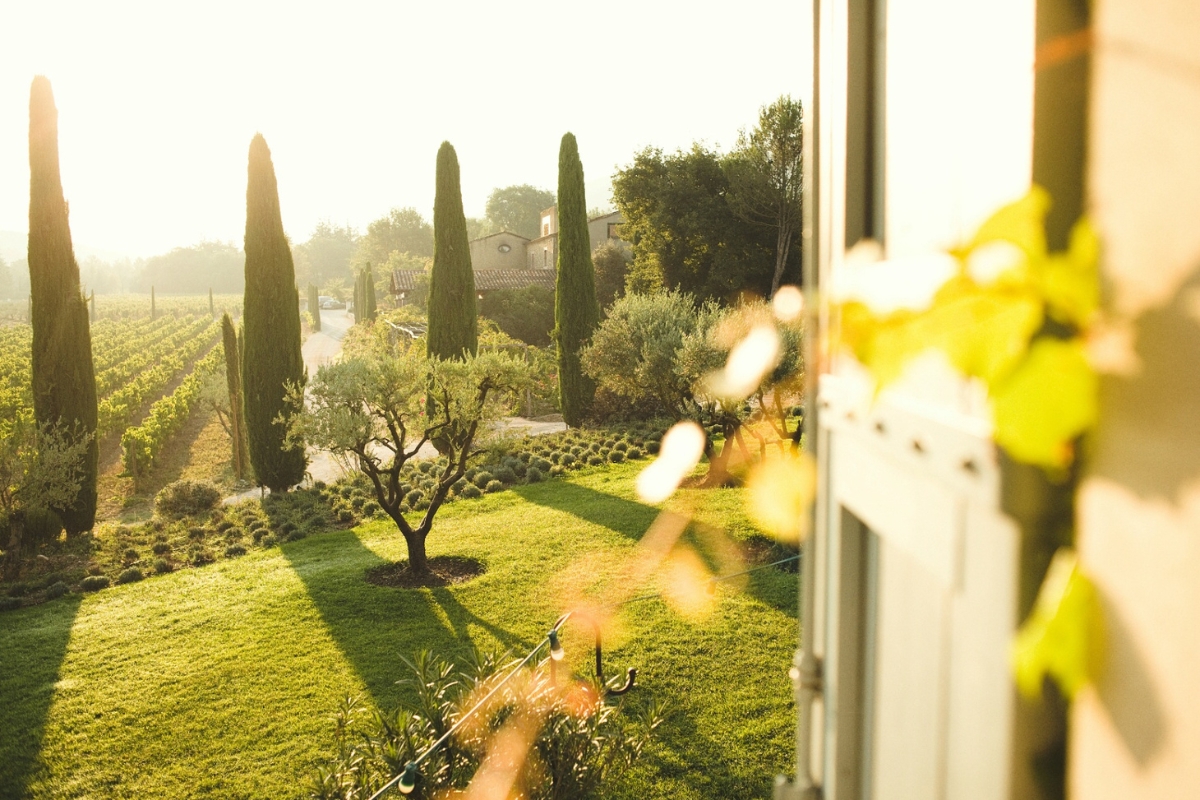
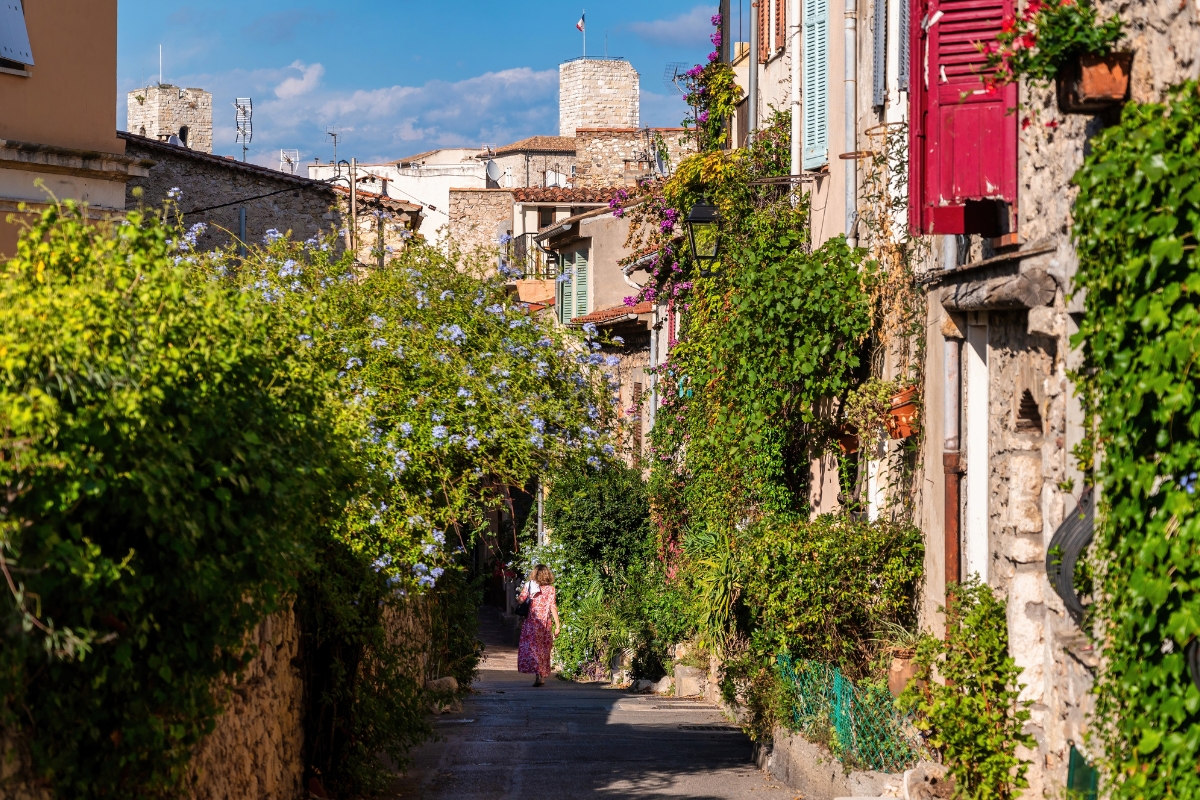
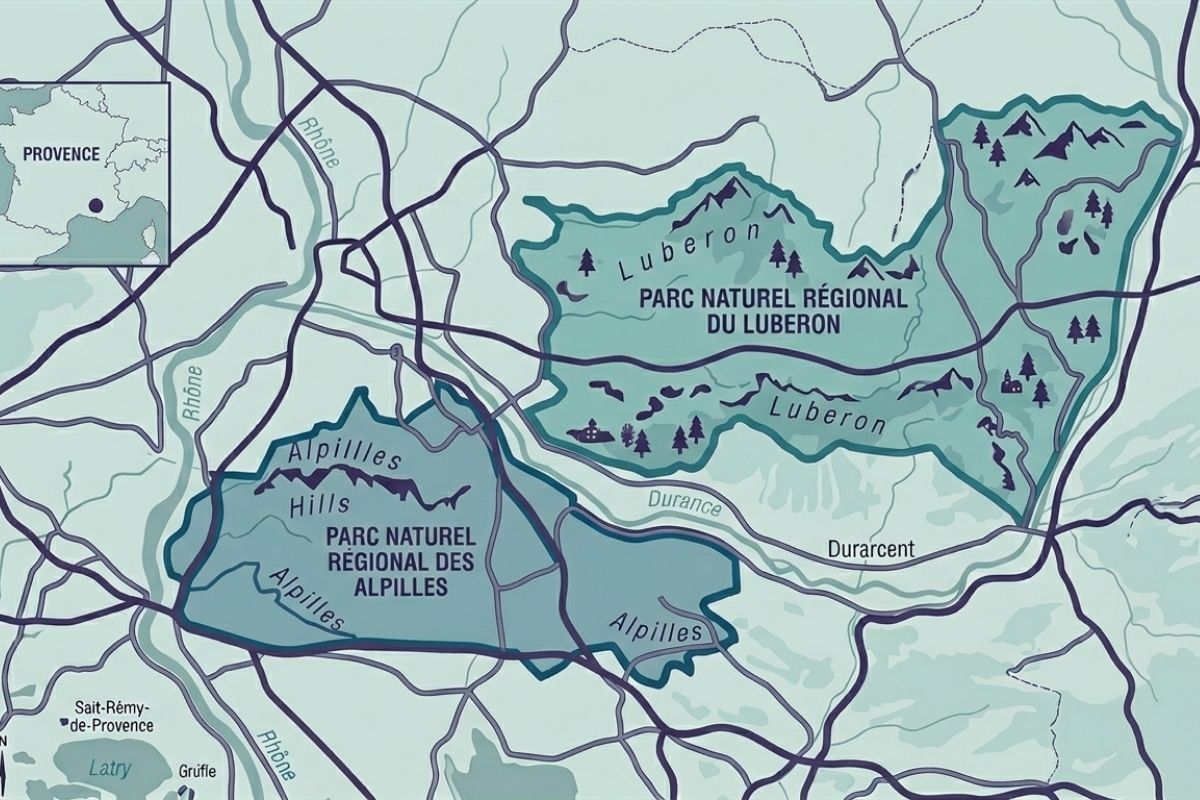
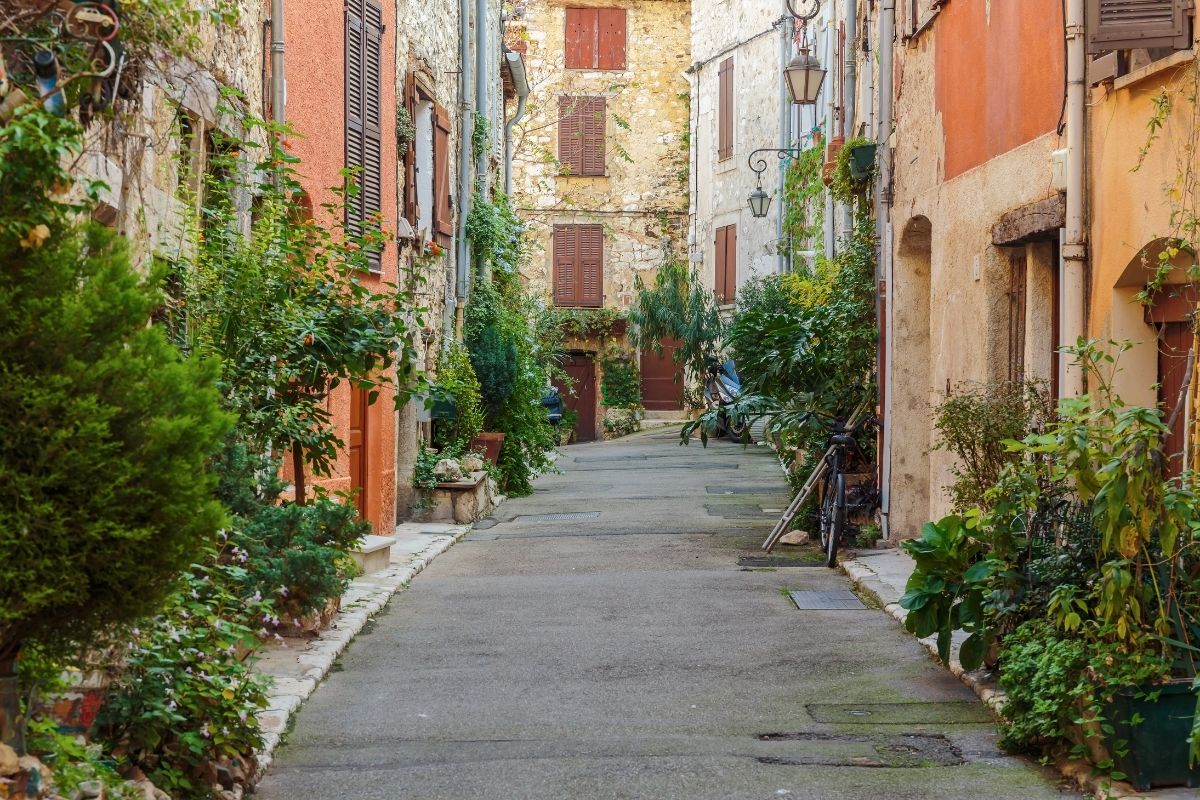
There’s a reason seasoned Provence travelers return again and again to the same central heartland: the Alpilles and Luberon. These neighboring regions don’t merely offer the quintessential Provençal experience — stone villages, cypress-lined lanes, markets spilling into medieval squares — they provide unmatched access to everything else the region has to offer.
The Alpilles and Luberon occupy the geographic center of Provence, positioned almost equidistant from the region’s major attractions in every direction. A villa here places you within roughly one hour’s drive of virtually every destination on your Provence wish list — from the Mediterranean coast to the Rhône wine country, from Roman ruins to alpine peaks, from lavender plateaus to wild wetlands.
This isn’t a minor convenience. It transforms how you experience the region entirely.
Rather than long travel days that consume your holiday, you explore freely and spontaneously. A morning wandering the papal palace in Avignon. Afternoon rosé on your villa’s terrace as the cicadas start up. Dinner in a nearby village where the waiter knows the vigneron who made the wine in your glass. Tomorrow, perhaps the calanques of Marseille. The day after, the lavender plateaus to the east. Your central base means nothing is out of reach, yet you never sacrifice the tranquility of the Provençal countryside for proximity to attractions. You get the postcard and the adventure, both.


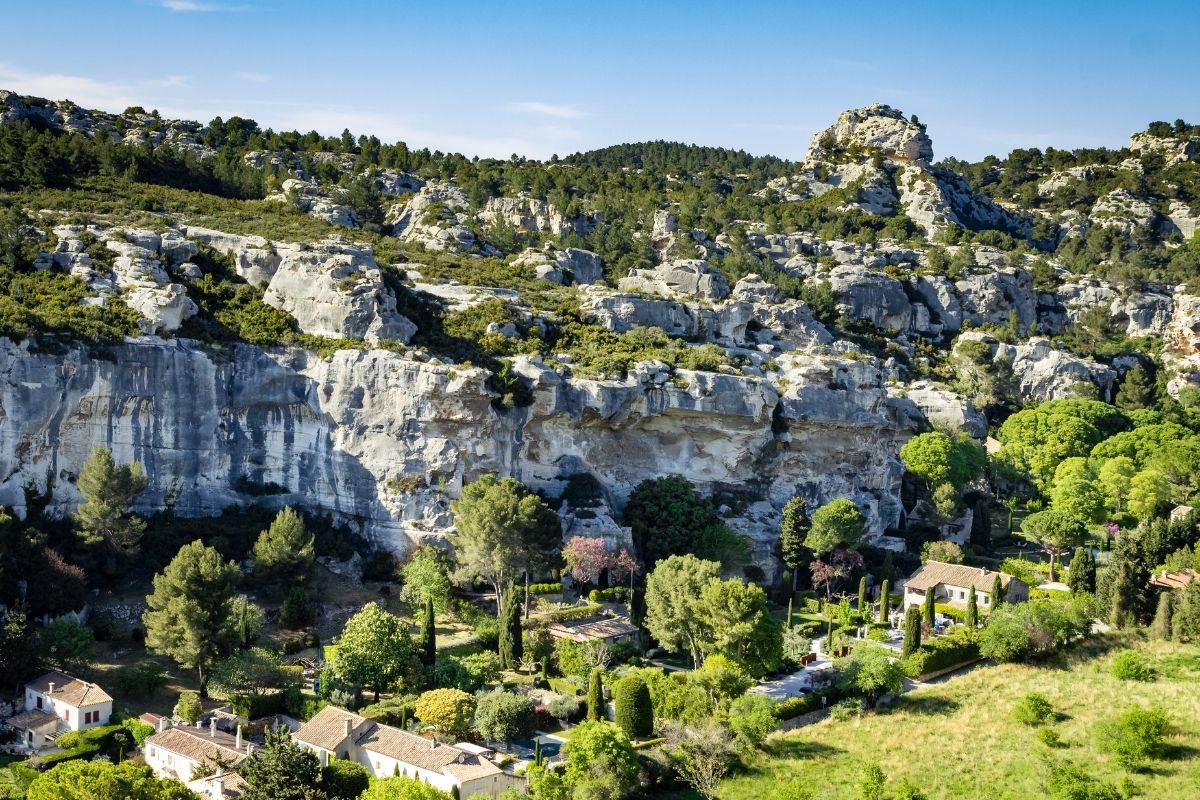
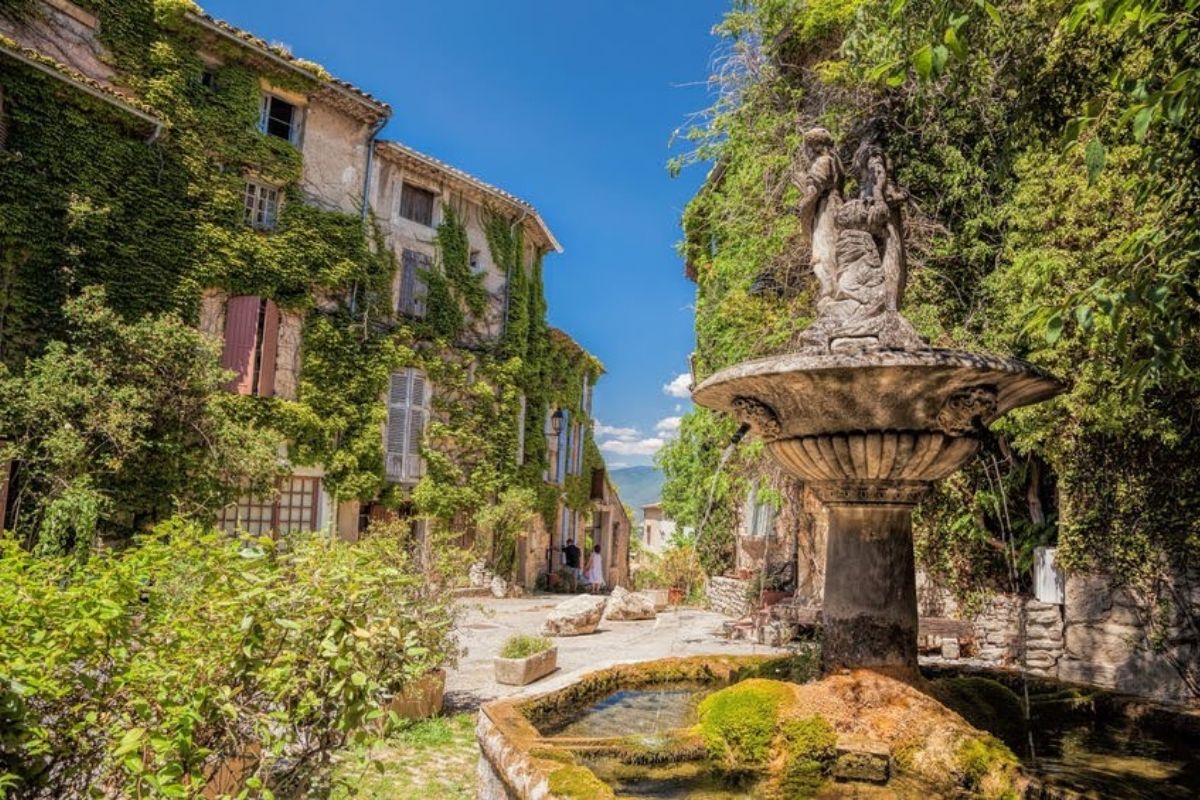
The Alpilles is a compact limestone mountain range rising dramatically from the plains of the Rhône delta — a miniature sierra of white peaks, silver-green olive groves, and ancient villages that have drawn artists, writers, and travelers for centuries. Van Gogh produced some of his most celebrated works here, captivated by the extraordinary quality of light that still astonishes visitors today. Frédéric Mistral, the Nobel-winning poet of Provençal language and culture, lived and worked at the foot of these hills.
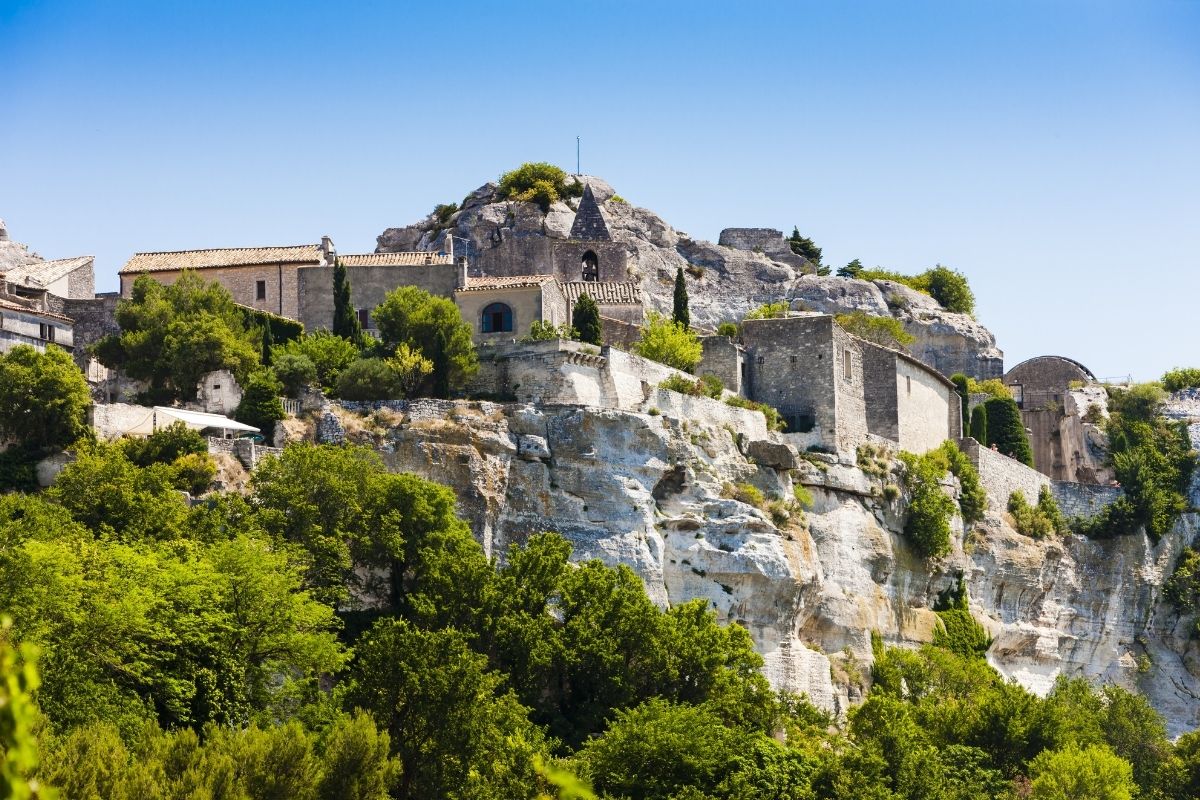
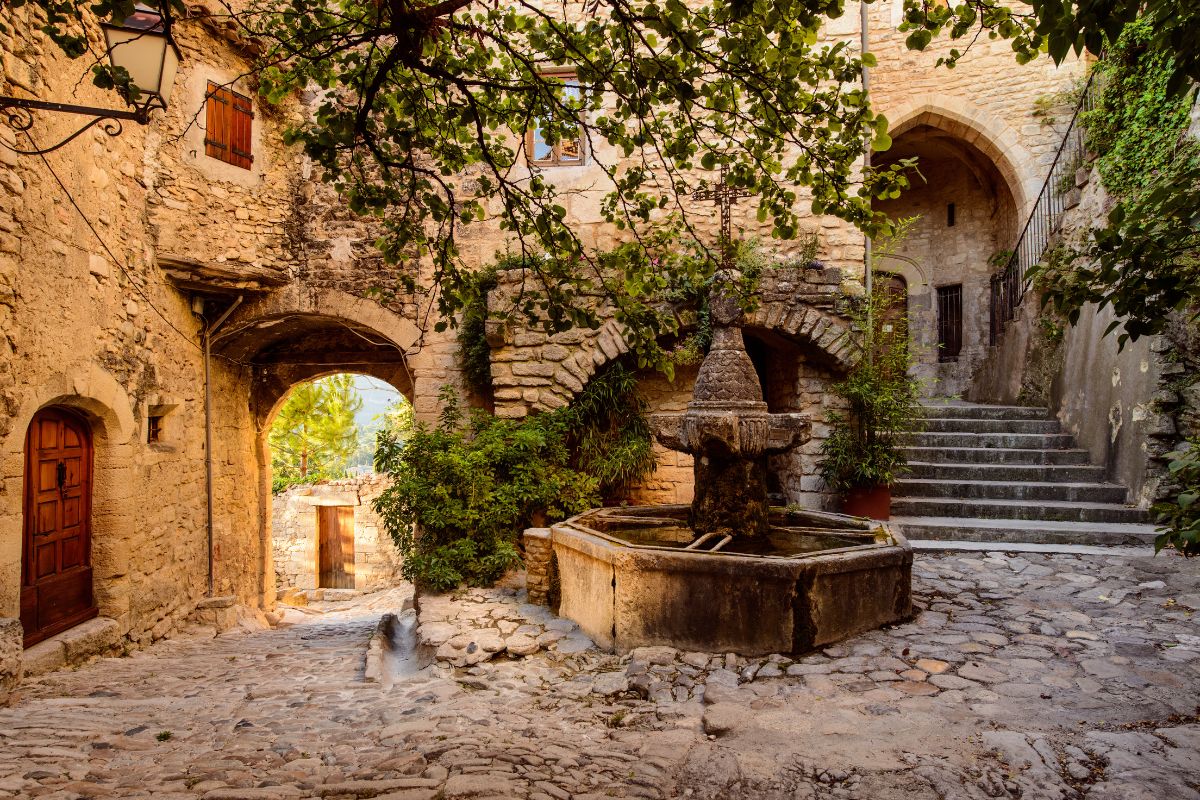
Saint-Rémy-de-Provence anchors the region: sophisticated yet unpretentious, with excellent restaurants, a beloved Wednesday market that draws shoppers from across the region, and the asylum gardens of Saint-Paul-de-Mausole, where Van Gogh painted “The Starry Night” and dozens of other masterworks during his year there. Les Baux-de-Provence, crowned by its ruined medieval fortress, hovers above the valley like something from a fable, and the immersive art installations of Carrières de Lumières — projected onto the walls of former limestone quarries below the village — are unlike anything else in France. Nearby, Eygalières and Maussane-les-Alpilles offer quieter rhythms: olive mills, shaded squares, and apéros that stretch into the evening.
From the Alpilles, your compass opens in every direction.


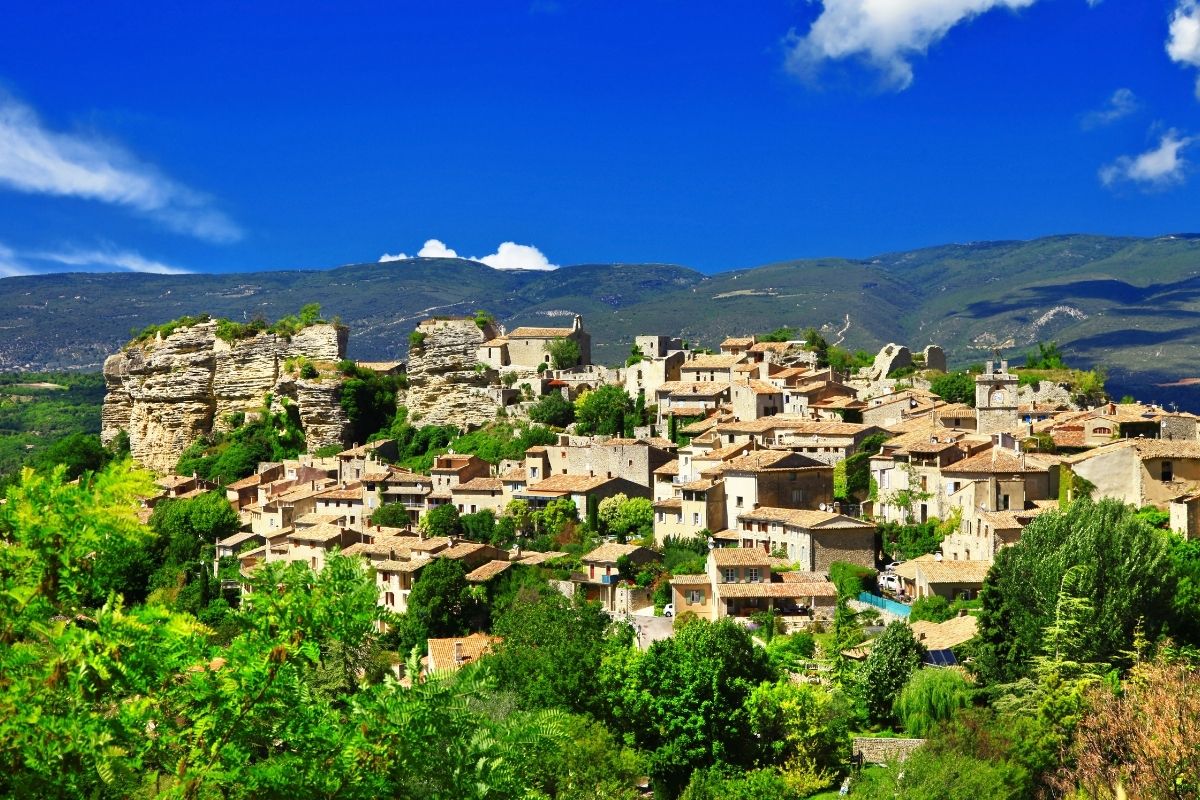
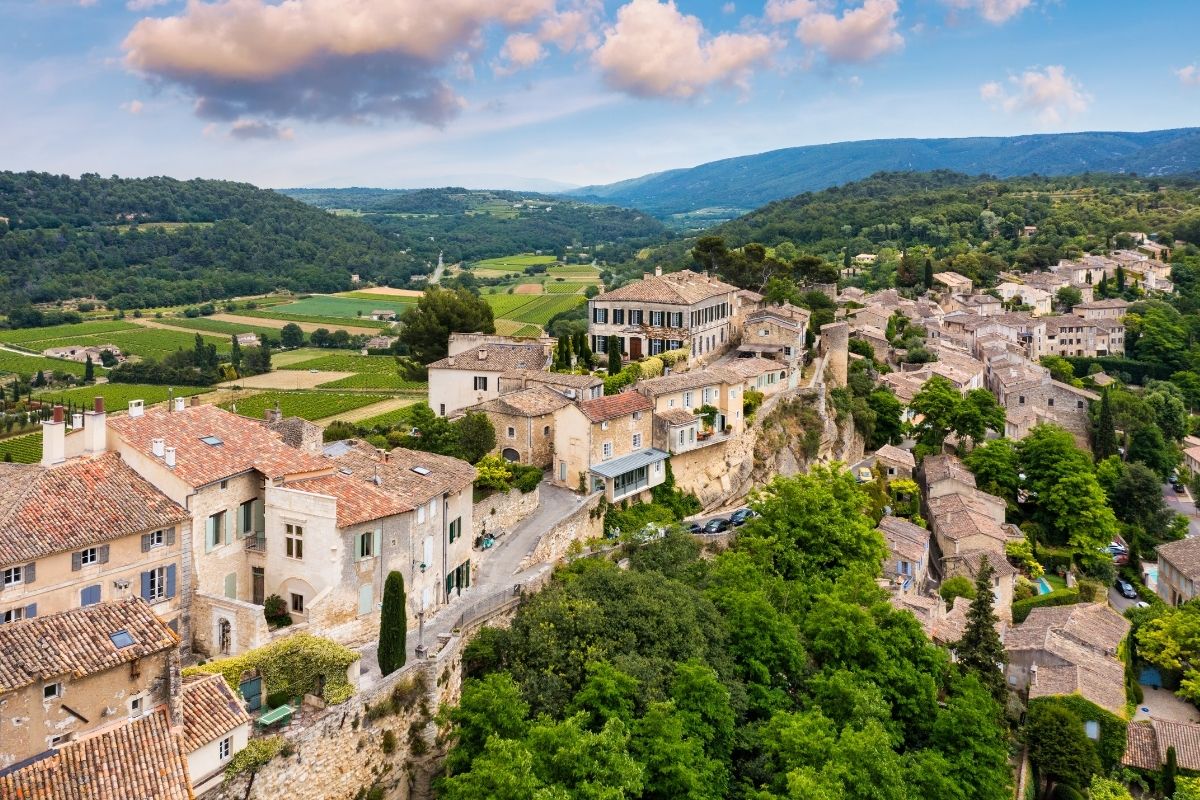
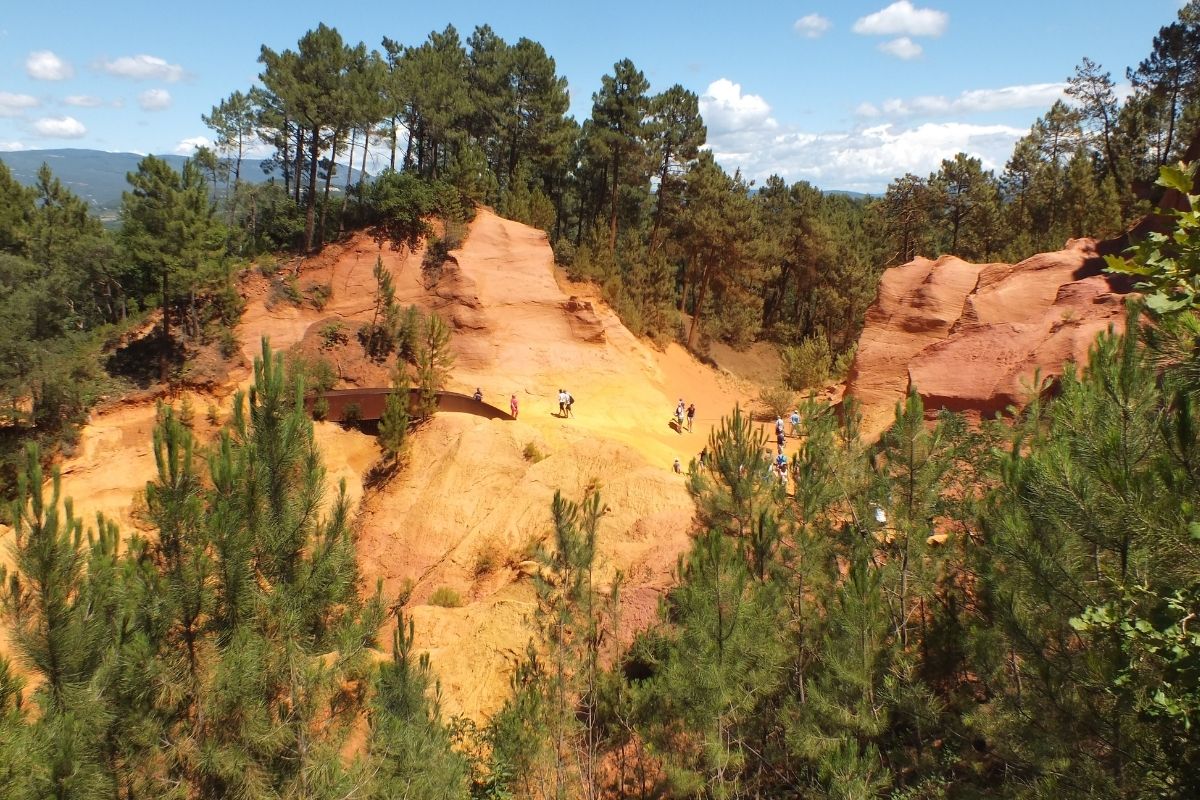
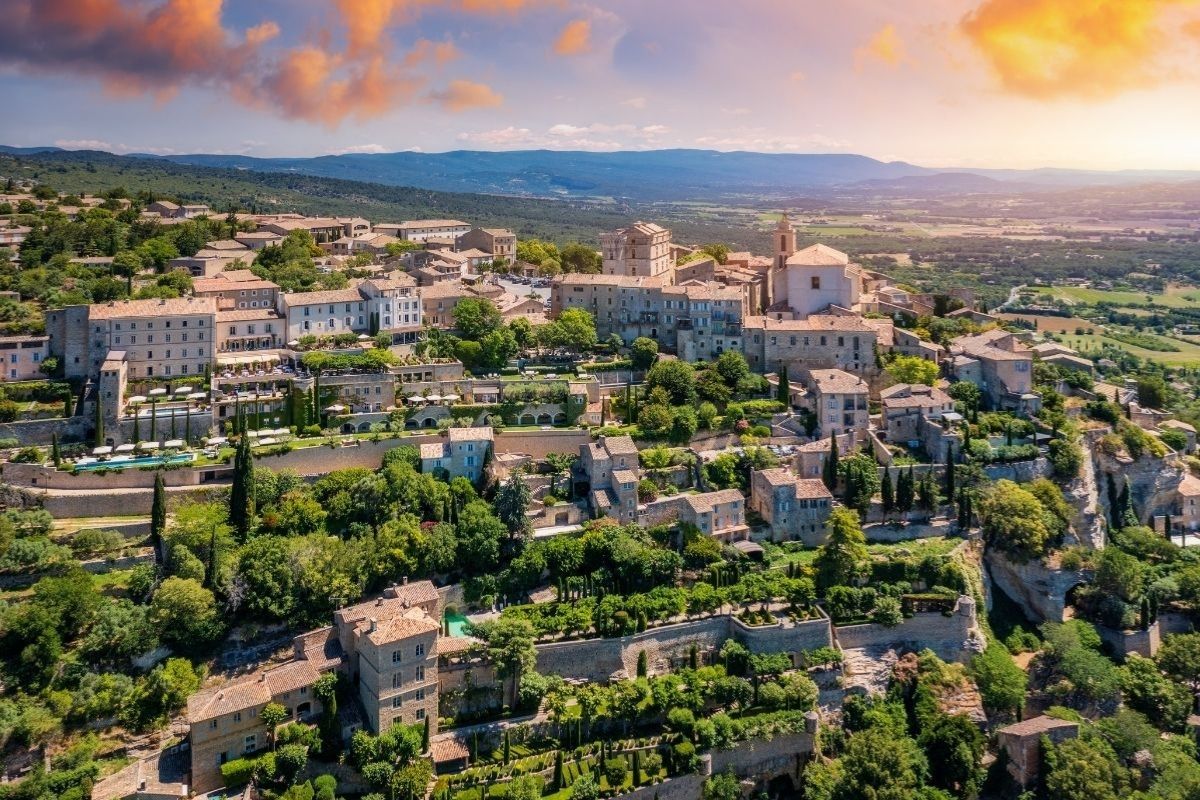
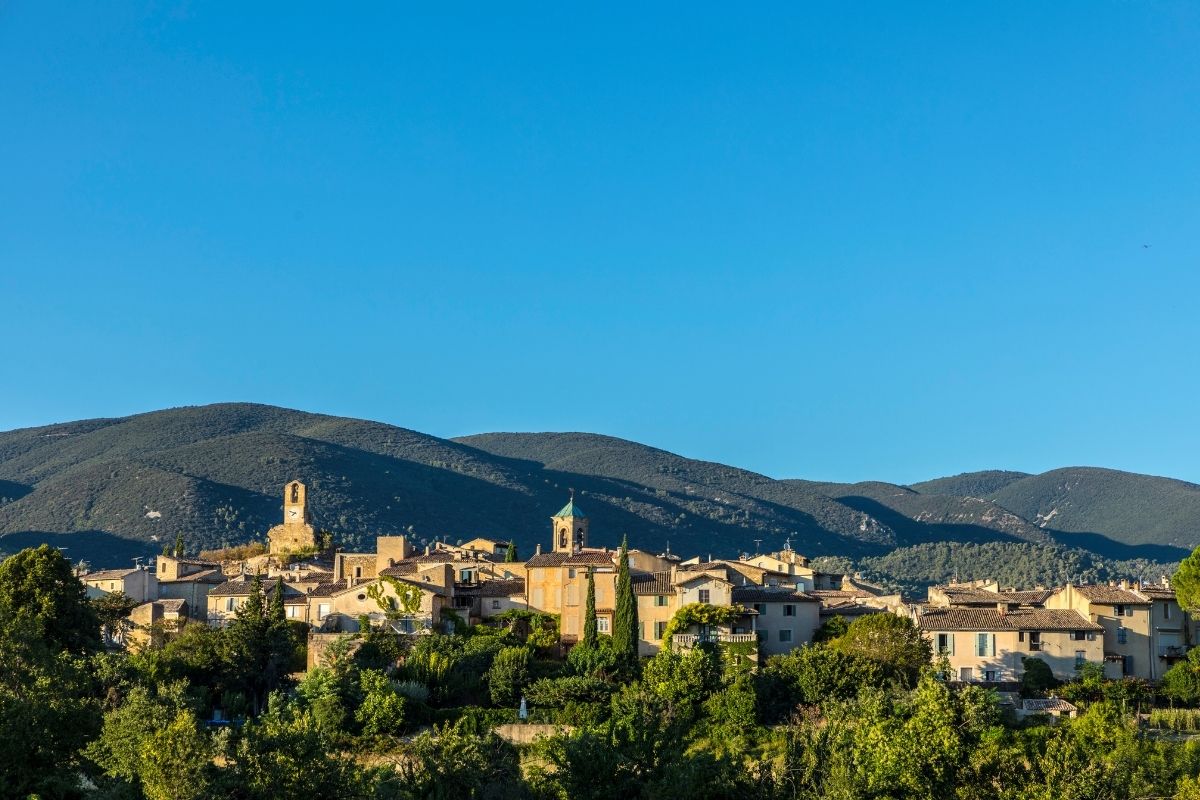
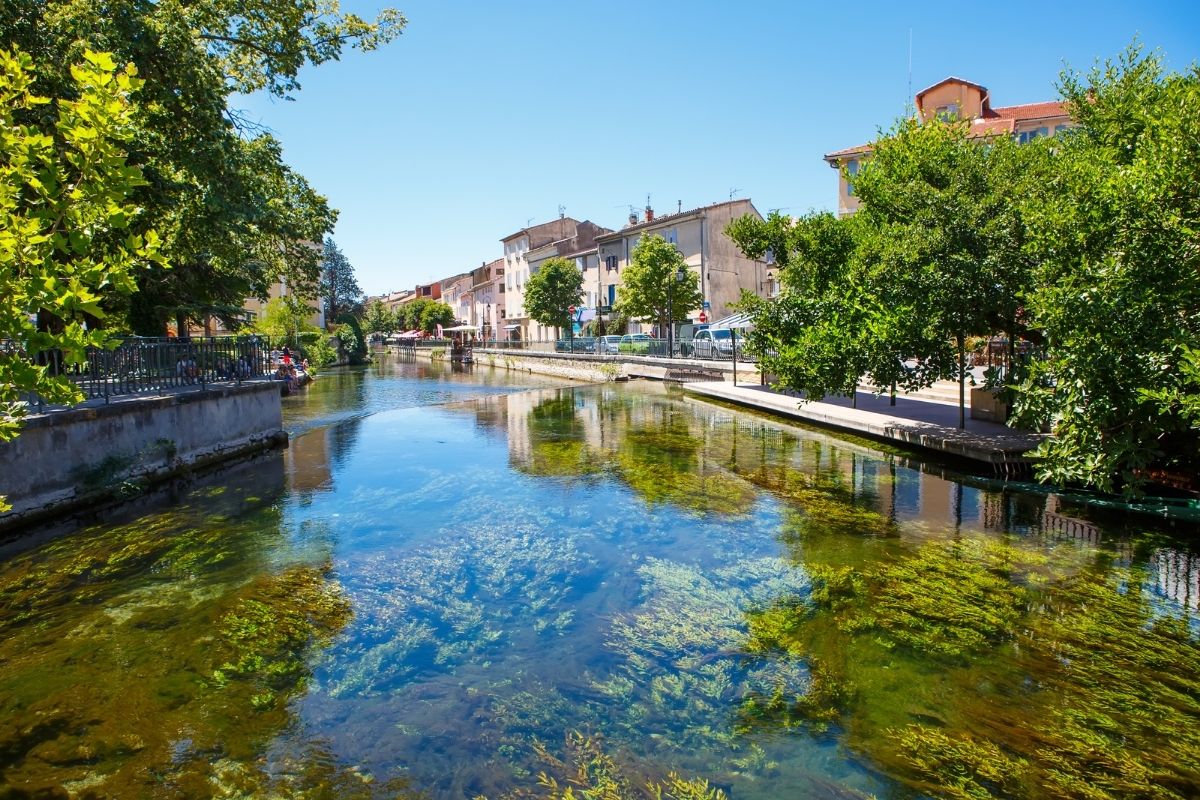
A short drive east, the Luberon massif stretches across the Vaucluse, its slopes dotted with the perched villages that define the Provençal imagination. Gordes rises in honey-colored tiers above the valley, consistently ranked among the most beautiful villages in France. Roussillon glows with ochre cliffs so vivid they seem artificially lit. Ménerbes — immortalized by Peter Mayle — Bonnieux, Lacoste, and Lourmarin each offer their own distinct character: café terraces under plane trees, weekly markets heaped with seasonal produce, and a rhythm of life still attuned to the seasons and the primacy of long lunches.
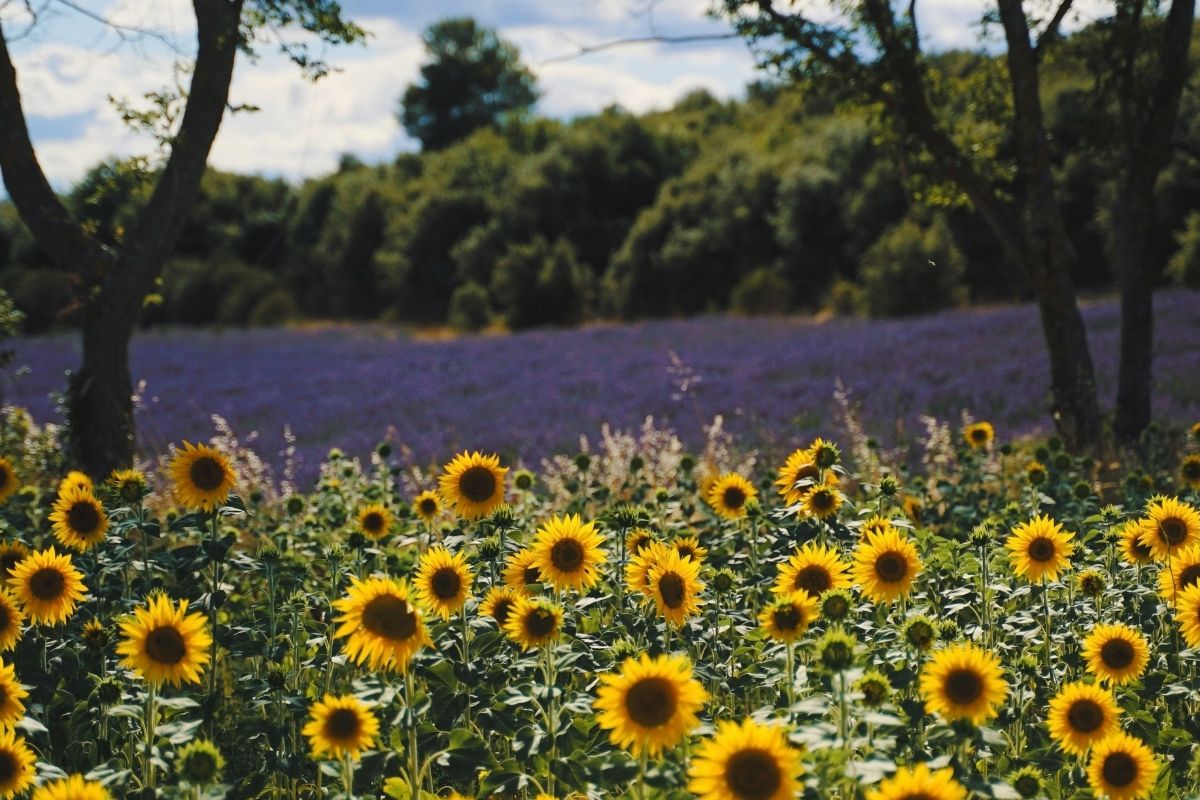
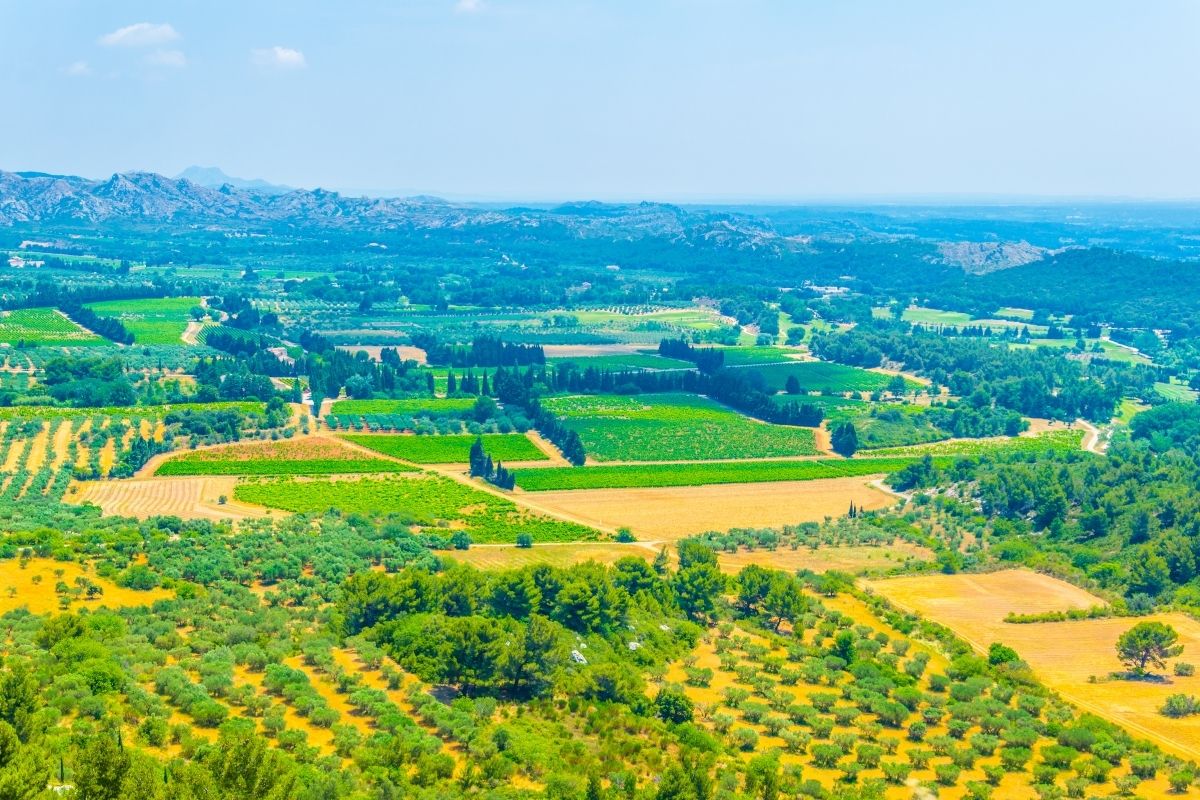
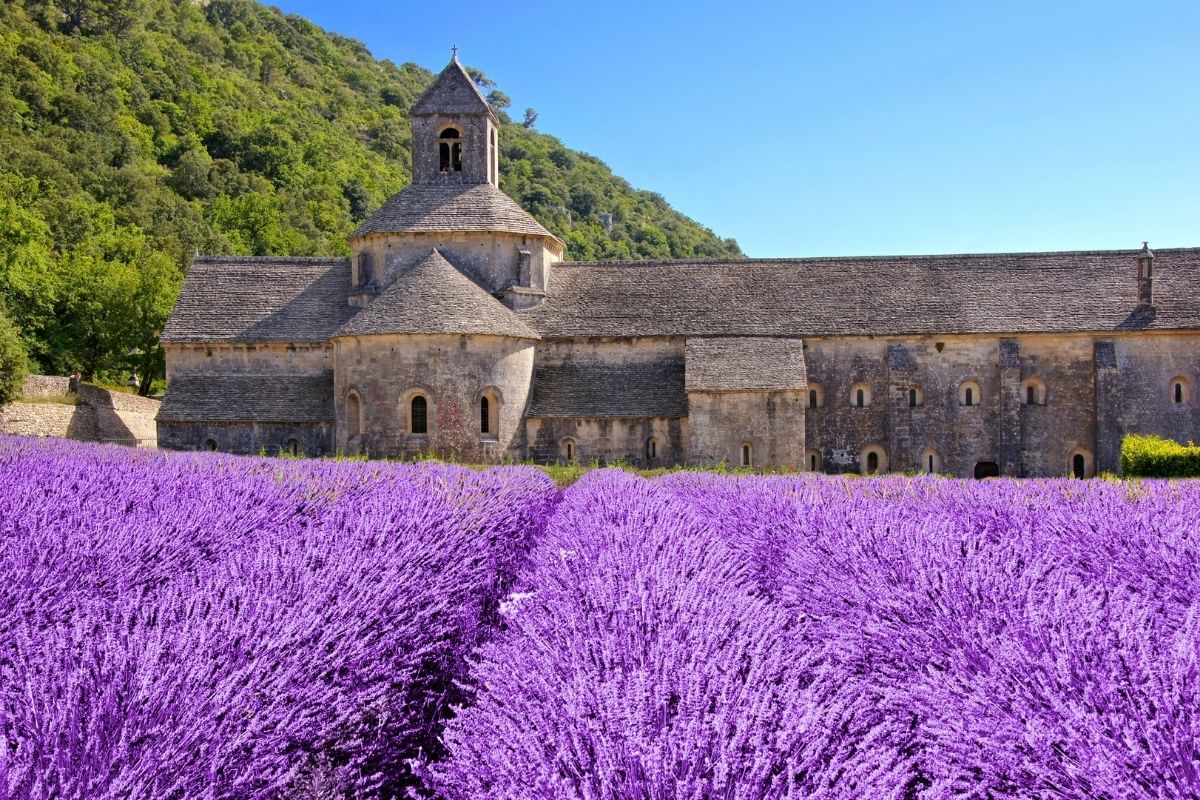
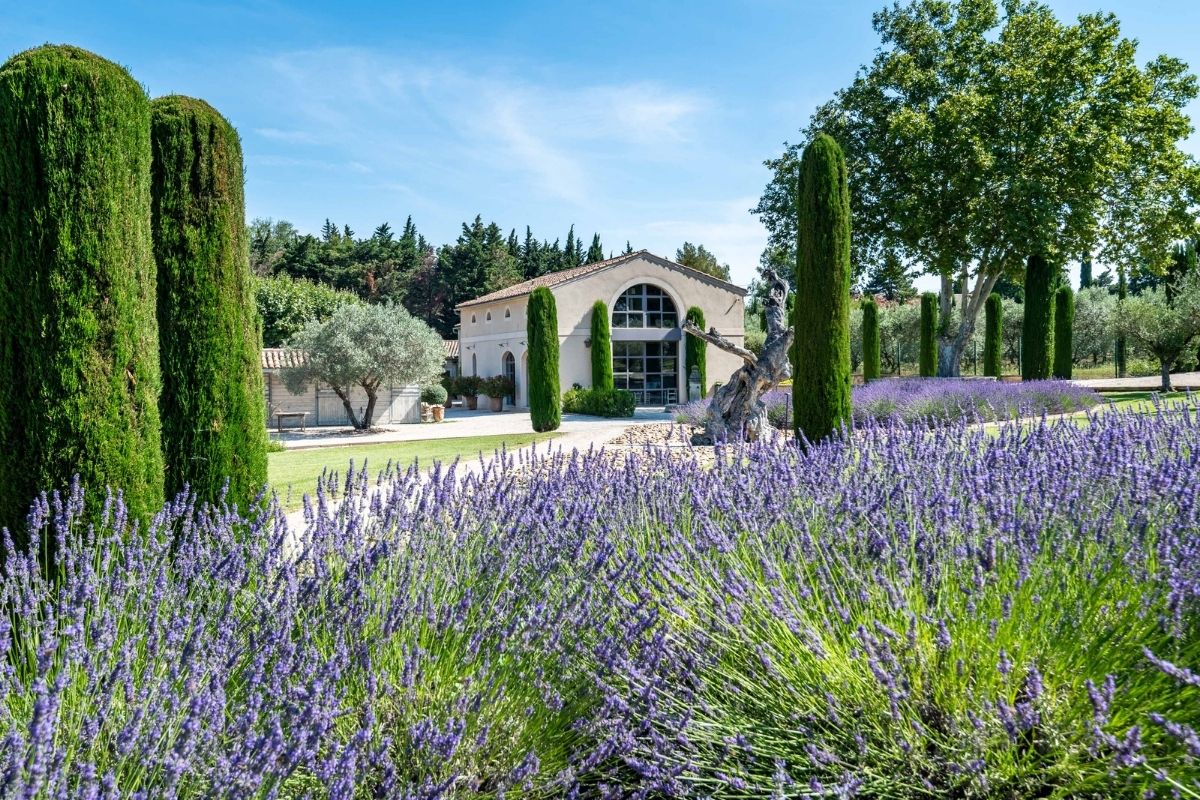
Between the villages lie vineyards, cherry orchards, and lavender fields, while the Cistercian abbey of Sénanque — photographed almost more often than any other building in France — sits in its lavender-ringed hollow outside Gordes.
Together, the Alpilles and Luberon form a corridor of exceptional beauty that serves as both destination and departure point.


From a villa in the Alpilles or Luberon, the whole of Provence unfolds:
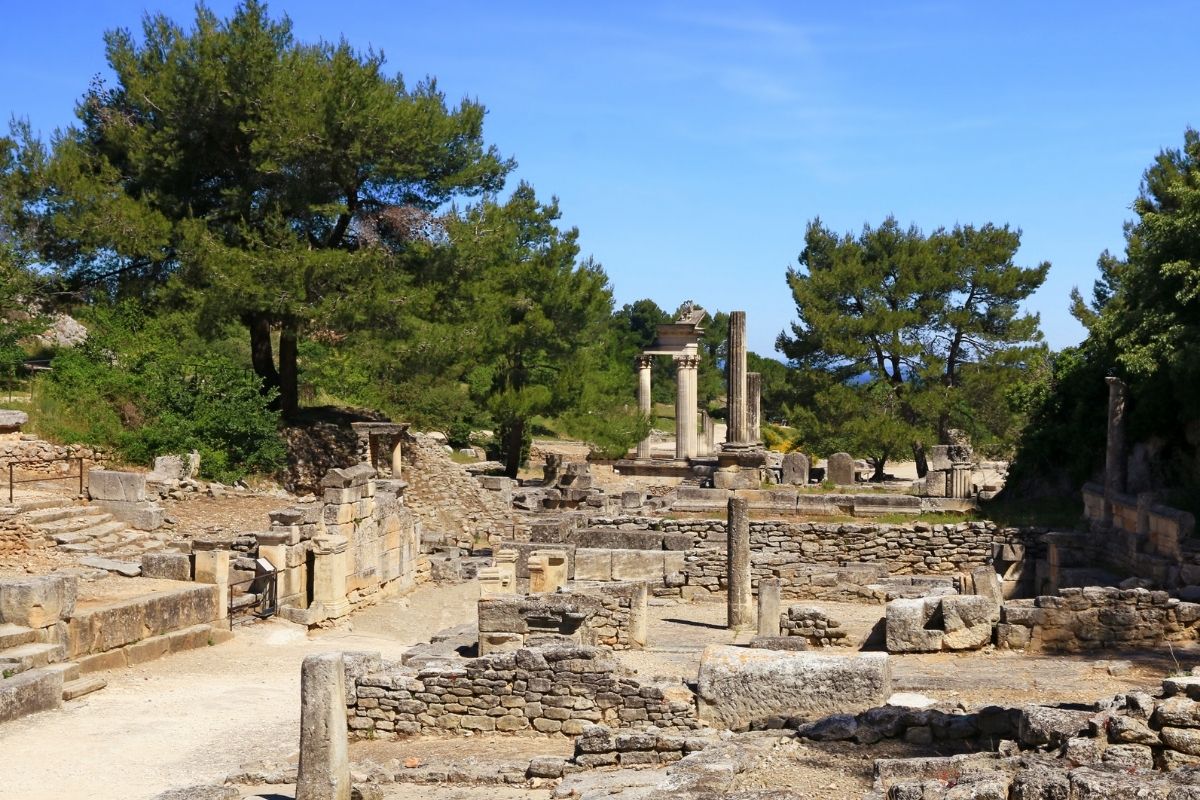
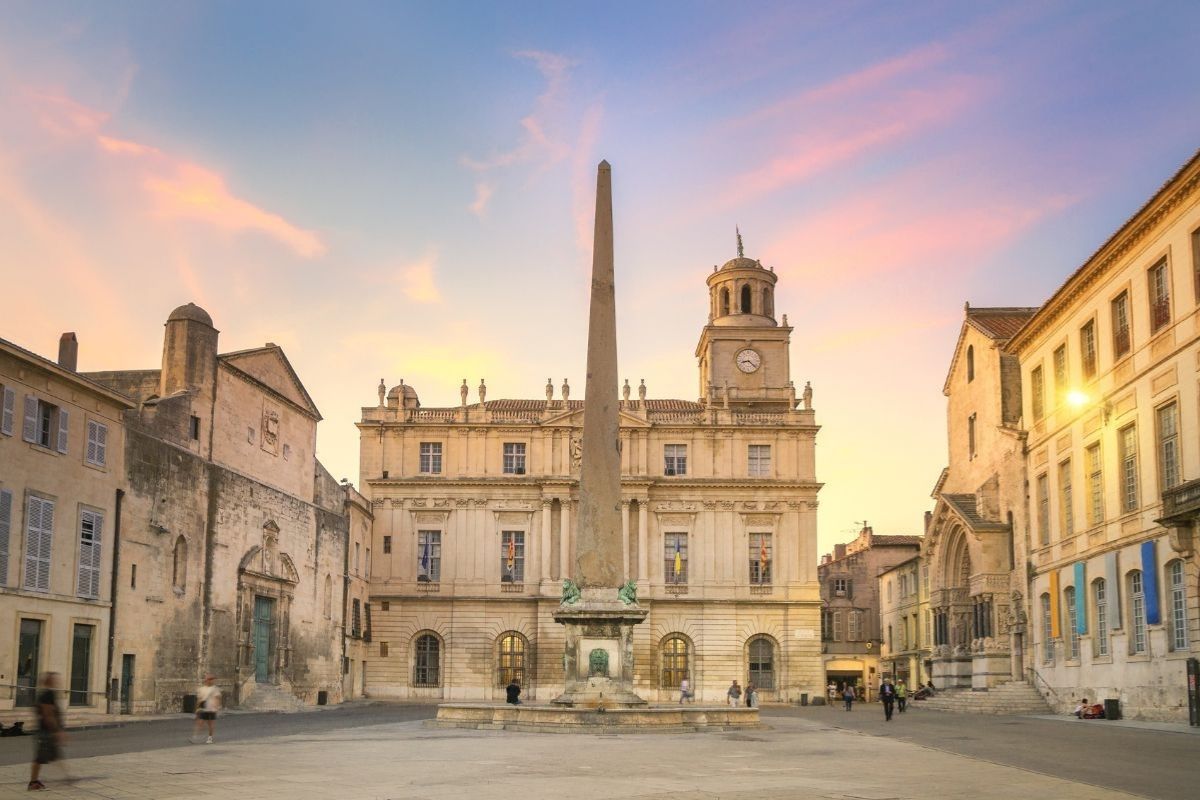
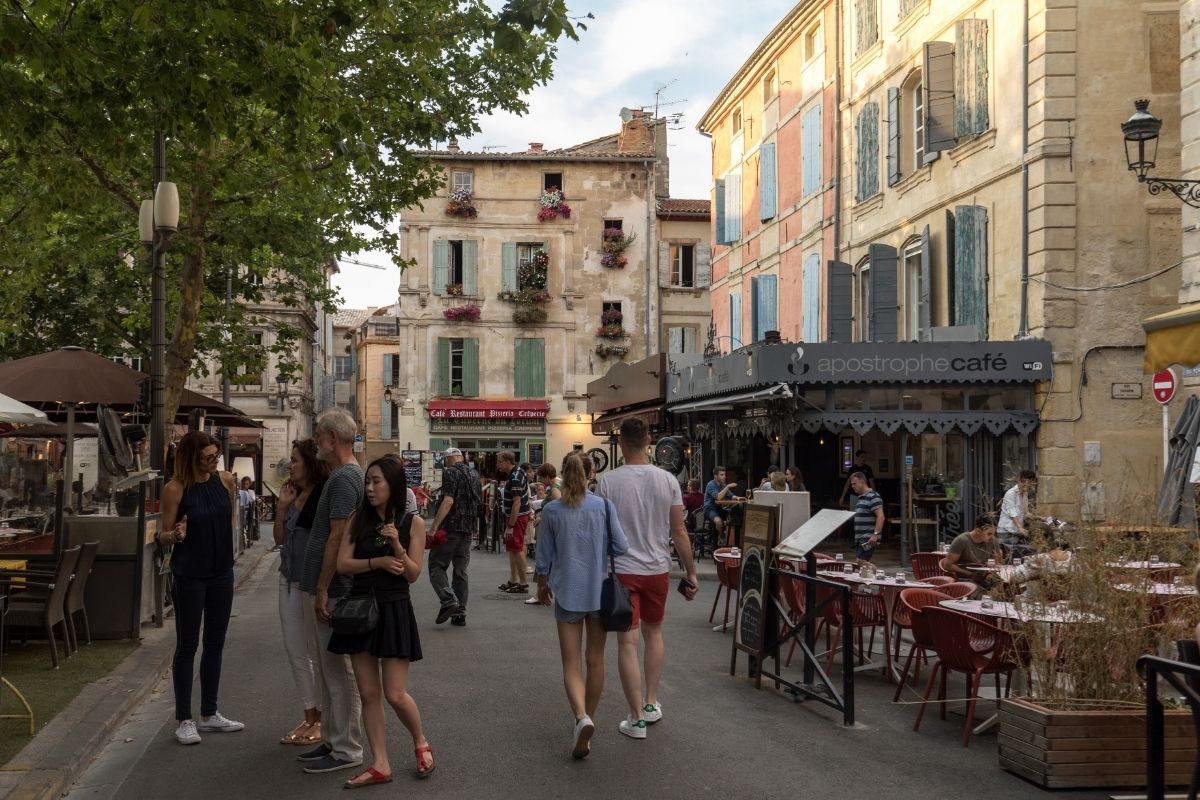
West: The Roman Provence Circuit. Arles, Nîmes, and the Pont du Gard — among the most impressive Roman monuments outside Italy — all lie within 45 minutes to an hour. Arles alone offers a working amphitheater still hosting summer events, the Van Gogh trail, and the extraordinary LUMA arts complex. Avignon, with its medieval papal palace and famous bridge, is equally accessible. A morning’s drive delivers a full day of exploration, with your villa waiting by evening.
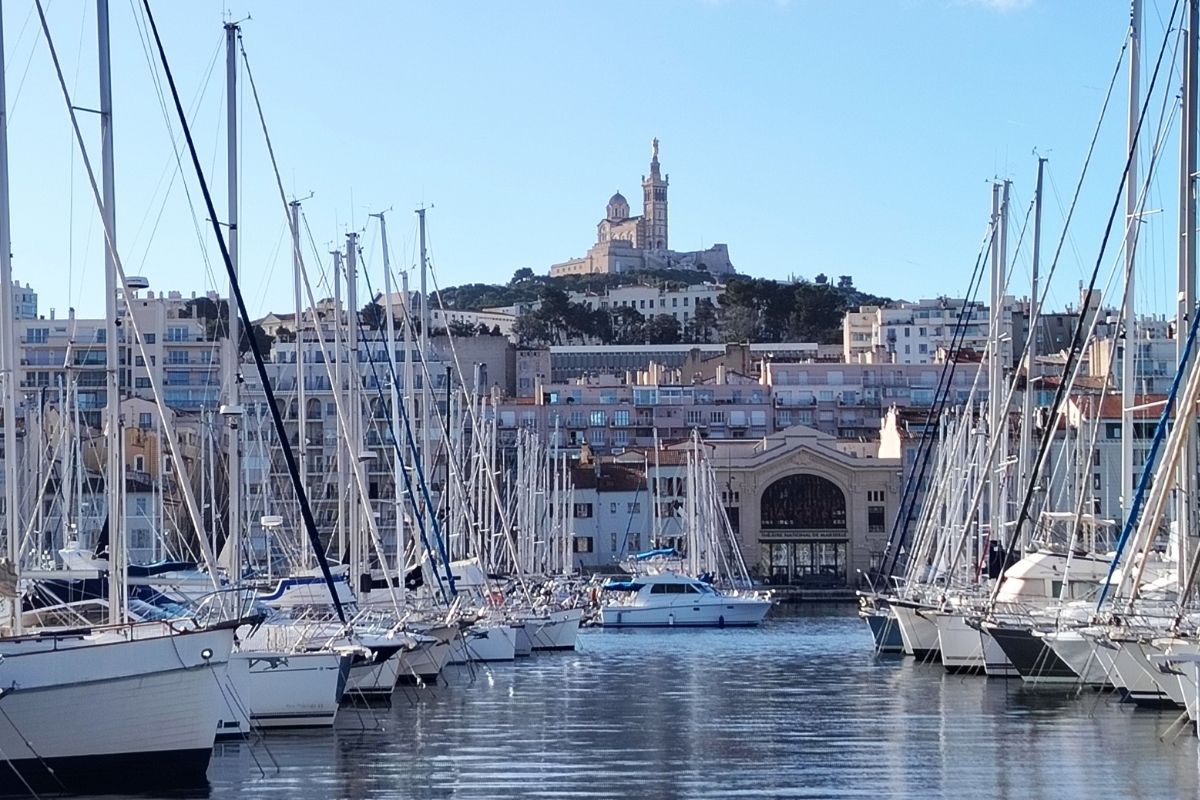
South: Cities and Coastline. Marseille, France’s oldest and most dynamic city, offers world-class museums, the historic Vieux-Port, and access to the stunning Calanques National Park — those dramatic limestone inlets with water the color of sea glass. Aix-en-Provence, Cézanne’s hometown, provides elegant boulevards, exceptional markets, and a concentration of fine restaurants within its honey-stoned old town. Both are under an hour from central Provence.
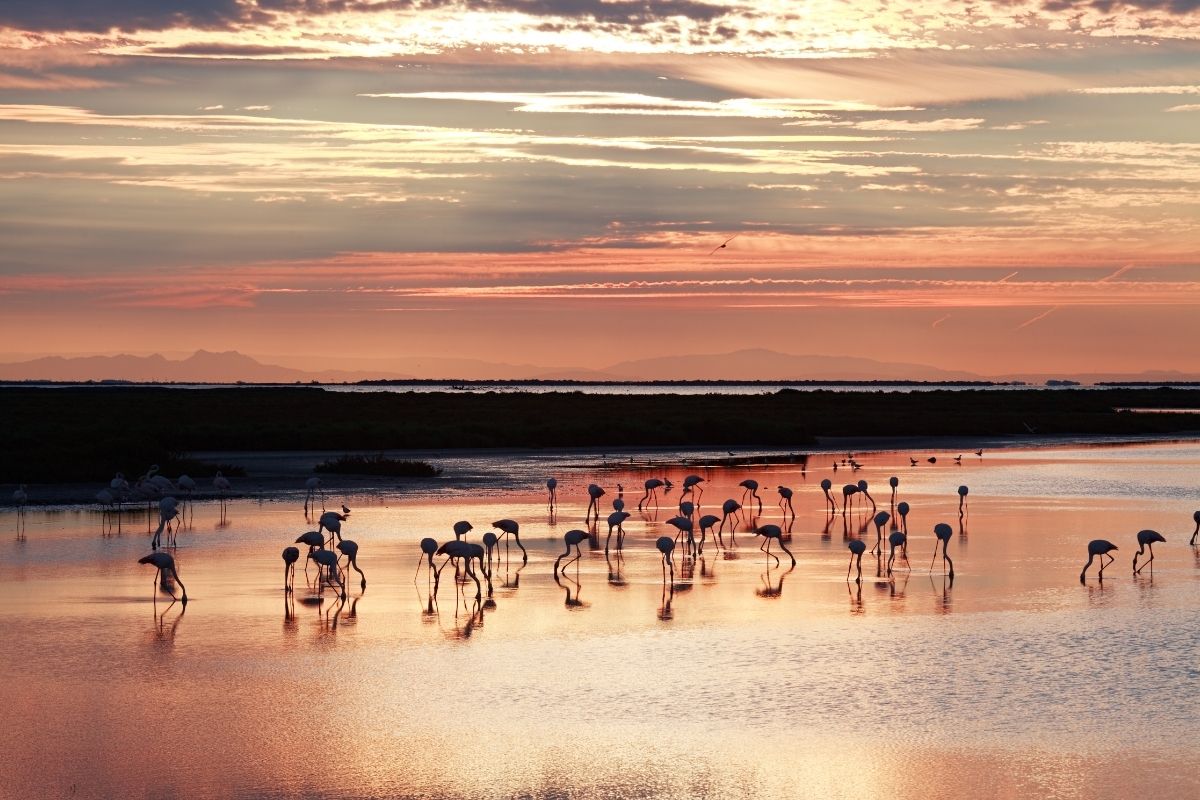
Southwest: The Wild Camargue. The Rhône delta’s protected wetlands — famous for white horses, pink flamingos, and black bulls — offer a landscape unlike anywhere else in France. The fortified town of Aigues-Mortes and the pilgrimage site of Saintes-Maries-de-la-Mer provide cultural anchors to this otherworldly natural environment, where cowboys (gardians) still work cattle on horseback.
East: Lavender Country and the Verdon. The Valensole plateau, Provence’s most famous lavender landscape, lies within easy reach for the peak blooms of late June and early July. Continue slightly further and you reach the Gorges du Verdon — Europe’s most spectacular canyon — for hiking, kayaking, or simply marveling at turquoise waters cutting a thousand feet below limestone cliffs.
North: Wine Country and Mont Ventoux. The vineyards of Châteauneuf-du-Pape, Gigondas, and Vacqueyras sprawl across the southern Rhône, offering tastings and cellar visits among some of France’s most celebrated appellations. Mont Ventoux, the “Beast of Provence” beloved by cyclists and immortalized by the Tour de France, provides dramatic drives and panoramic views from its 1,900-meter summit that stretch, on clear days, all the way to the Alps.
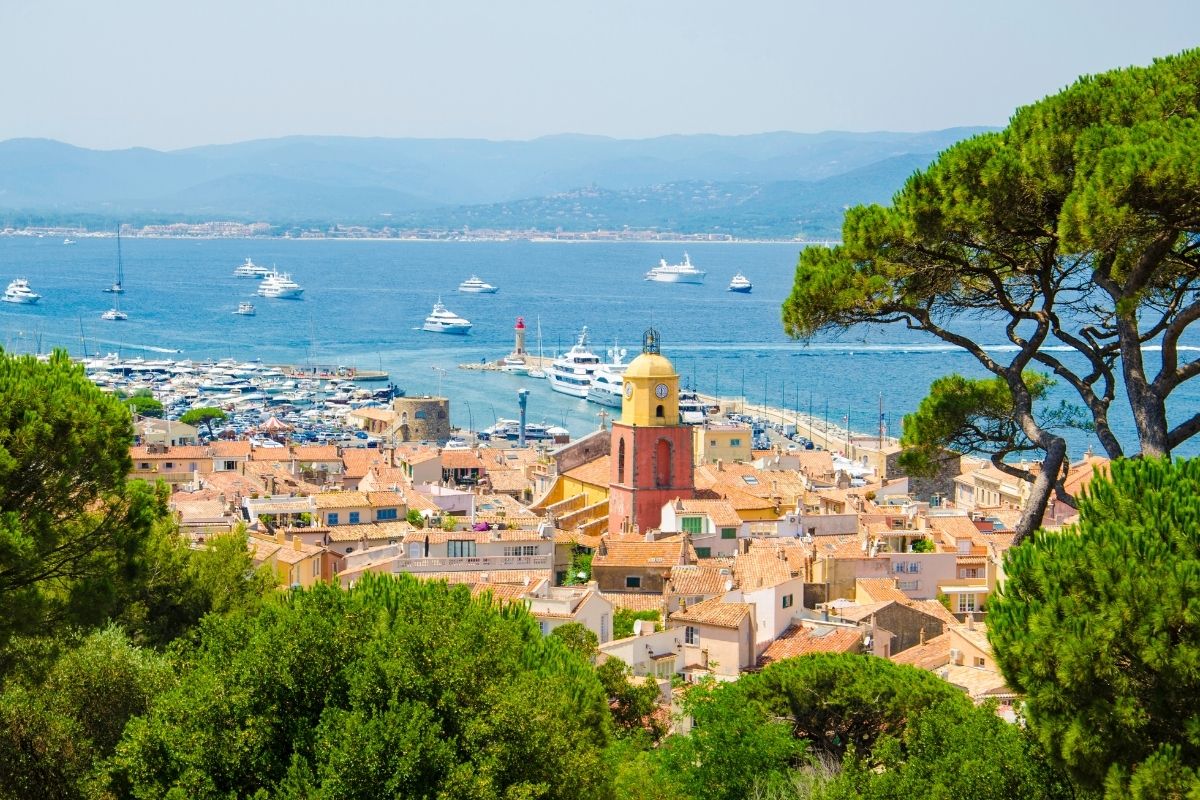
Southeast: The Côte d’Azur. Even the glamour of the French Riviera remains accessible. Saint-Tropez, Cannes, and Nice make viable day trips for those who want a taste of the Mediterranean buzz — then retreat to the authenticity and tranquility of your inland villa at day’s end.
This is the essential advantage of choosing the Alpilles or Luberon as your base: you sacrifice nothing. You wake each morning in the Provence of imagination — ancient stone walls warming in the sun, olive groves silvering in the breeze, village markets unfolding their tables of tomatoes and tapenade, that incomparable light the painters chased their whole lives. Yet the Roman amphitheaters, the coastal calanques, the lavender fields, the Rhône wineries, even the Riviera itself all remain within easy reach whenever the mood strikes.
Rather than committing to one corner of this vast and varied region, you position yourself at its heart. Every direction offers new discoveries; every evening brings you home to the landscape that captures Provence at its most essential — the Provence that lingers in memory long after the holiday ends.
Only Provence specializes in exceptional villa and château rentals throughout the Alpilles and Luberon — each property selected not only for its character and amenities but for its strategic location at the center of everything Provence has to offer.
Our Villa Rental Specialists know these regions intimately and can match you with the property, and the base, that best fits the holiday you’re dreaming of.

Tucked between Gordes and Roussillon, Joucas is the Luberon village that rewards those who wander past the obvious — lavender fields, honey-stone lanes, and genuine serenity. […]

Tucked between Gordes and Roussillon, Joucas is the Luberon village that rewards those who wander past the obvious — lavender fields, honey-stone lanes, and genuine serenity. […]
Read More… from Olive Oil Tours in Provence: Where to Taste, Learn & Shop Artisan Oils

Tucked between Gordes and Roussillon, Joucas is the Luberon village that rewards those who wander past the obvious — lavender fields, honey-stone lanes, and genuine serenity. […]
Read More… from 7 Hidden Villages in Provence That Most Visitors Never Find

Tucked between Gordes and Roussillon, Joucas is the Luberon village that rewards those who wander past the obvious — lavender fields, honey-stone lanes, and genuine serenity. […]
Read More… from Joucas, Provence: A Peaceful Village Near the Lavender Fields
- offering all comforts and amenities - pool, housekeeping, and chef services.
© 2026 Only Provence

Only Provence co-founder Lydia Dean writes about their experiences raising a family, building a business in Provence, and later combining the love of travel with giving back in "Jumping the Picket Fence”. In 2021, she published “Light Through the Cracks,” a continuation of her journey, much of which has been based in Provence. Both books are available Amazon, Amazon.uk, and Amazon.Fr.