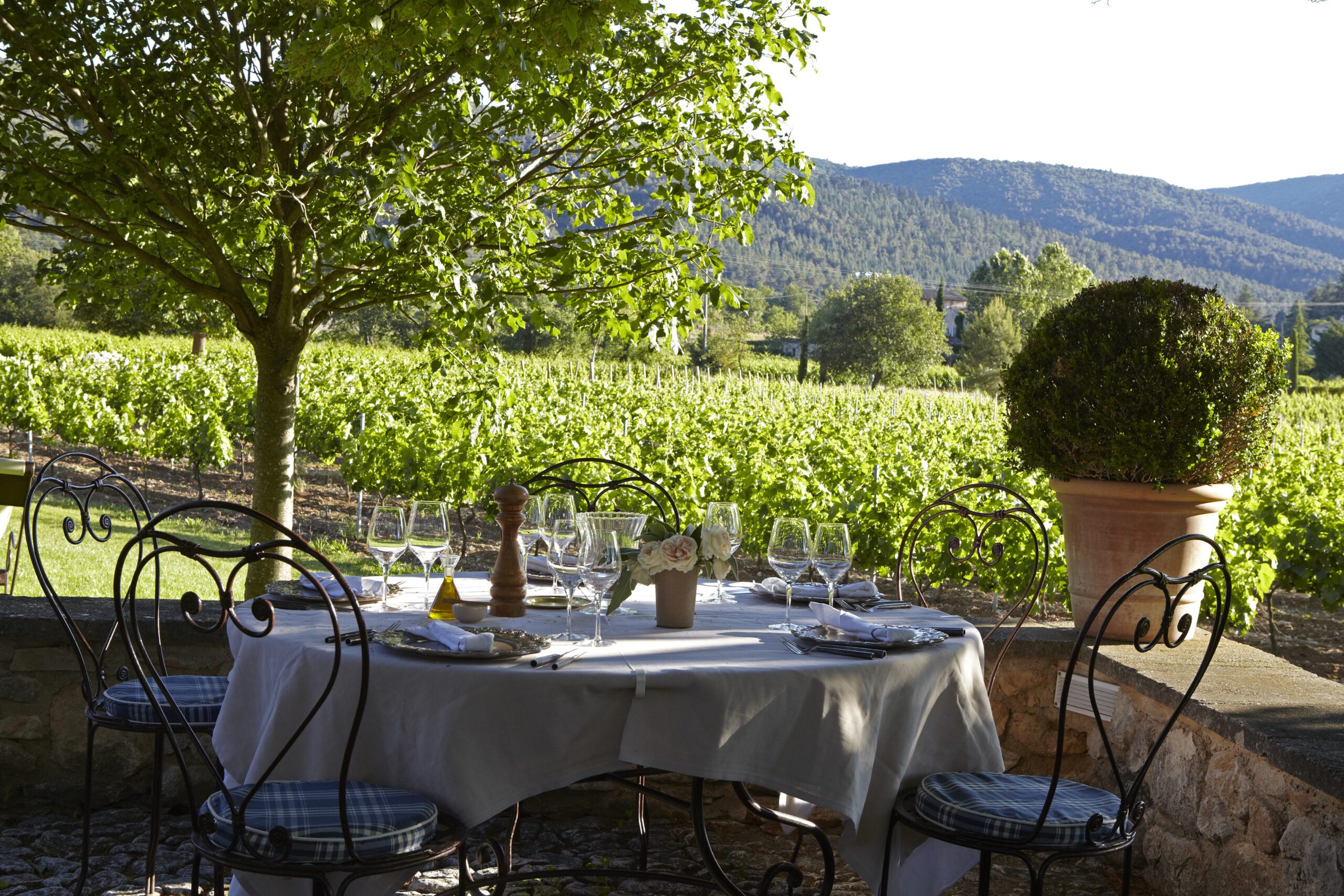

It’s one of history’s most improbable stories. In the early 13th century, four sisters grew up in the courts of Provence surrounded by troubadours, poetry, and the golden light of southern France. Their father, Ramon Berenguer V, was Count of Provence—a title that sounded grander than it was. Provence was a cultural jewel, certainly, but it was also perpetually in debt and of little strategic importance to Europe’s great powers.
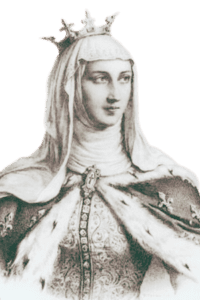
And yet, within a single generation, all four of his daughters would wear crowns. Marguerite became Queen of France. Eleanor, Queen of England. Sanchia, Queen of Germany. Beatrice, Queen of Sicily.
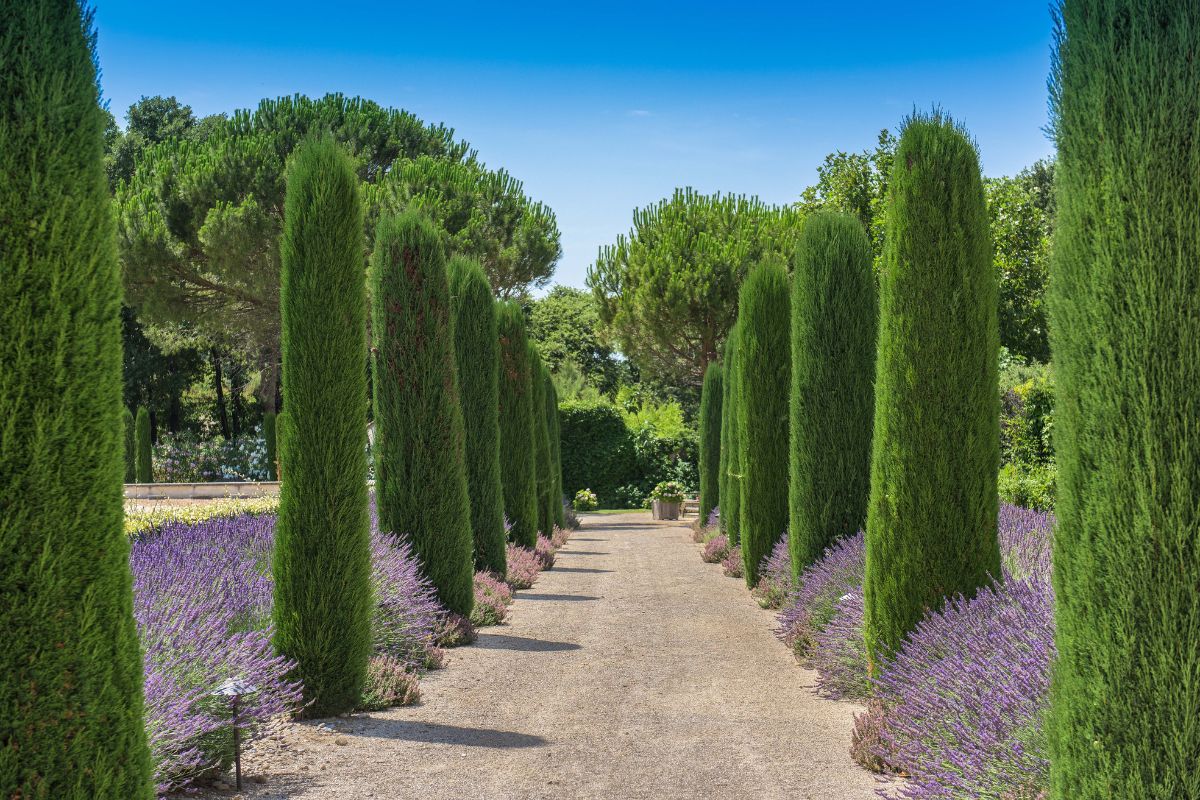
No other family in medieval history achieved anything like it. These four women—beautiful, brilliant, and fiercely loyal to one another—would go on to negotiate treaties, lead armies, ransom kings, and fundamentally reshape 13th-century European politics. Their story begins here, in the sun-drenched landscapes of Provence—landscapes you can still explore today.
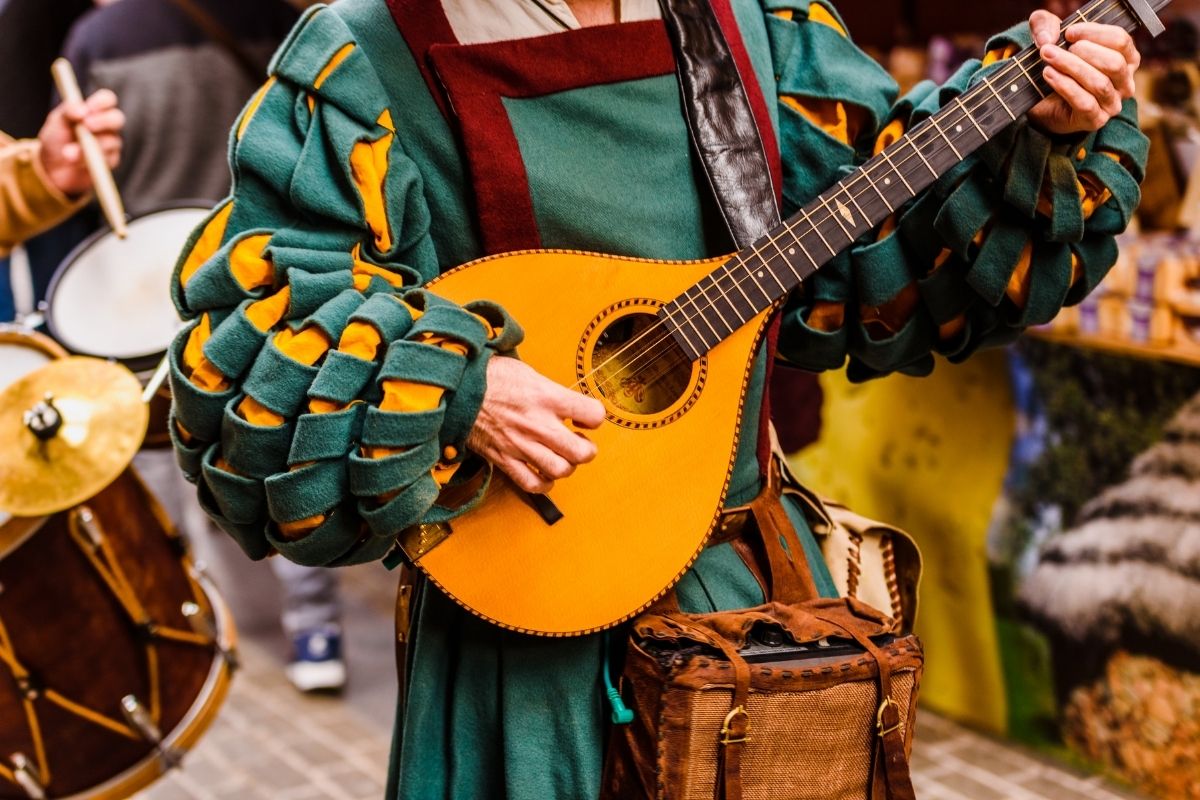
The sisters spent their formative years between Aix-en-Provence and Forcalquier, where their father held court. Ramon Berenguer was the first Count of Provence in over a century to actually live in his own territory, and he made the most of it. His court became a magnet for poets, musicians, and artists from across the Mediterranean world.
The troubadours who gathered there sang of courtly love and chivalric ideals. The girls learned languages, music, and the arts of diplomacy—skills that would serve them well on the thrones of Europe. Their mother, Beatrice of Savoy, was renowned for her political acumen and legendary beauty. Contemporary chronicler Matthew Paris compared her to a second Niobe.
But Ramon Berenguer faced a problem. Without a male heir, his beloved Provence was vulnerable. Wars raged on every border, and the powerful Count of Toulouse had designs on his territory. The only solution was to forge alliances through marriage—and his daughters were his greatest asset.
The eldest sister, Marguerite, was born in Forcalquier in 1221. By all accounts, she was graceful, intelligent, and possessed of an iron will that would be tested in ways few queens have ever experienced.
In 1234, at just thirteen years old, Marguerite married Louis IX of France—the king who would later be canonized as Saint Louis. It was a brilliant match that elevated the obscure house of Provence into the highest circles of European royalty.
But Marguerite’s greatest moment came not in the palaces of Paris, but in the sweltering heat of Egypt. In 1248, she accompanied her husband on the Seventh Crusade, even though she was pregnant. When Louis was captured by Muslim forces in 1250, it was Marguerite—having just given birth to a son she named John Tristan, “child of sorrow”—who took command.
From her bed in Damietta, she negotiated with the enemy. She convinced the Genoese and Pisan merchants not to abandon the city. She secured the enormous ransom—500,000 livres—for her husband and the imprisoned nobles. For those extraordinary months, Marguerite of Provence became the only woman in history to lead a Crusade.
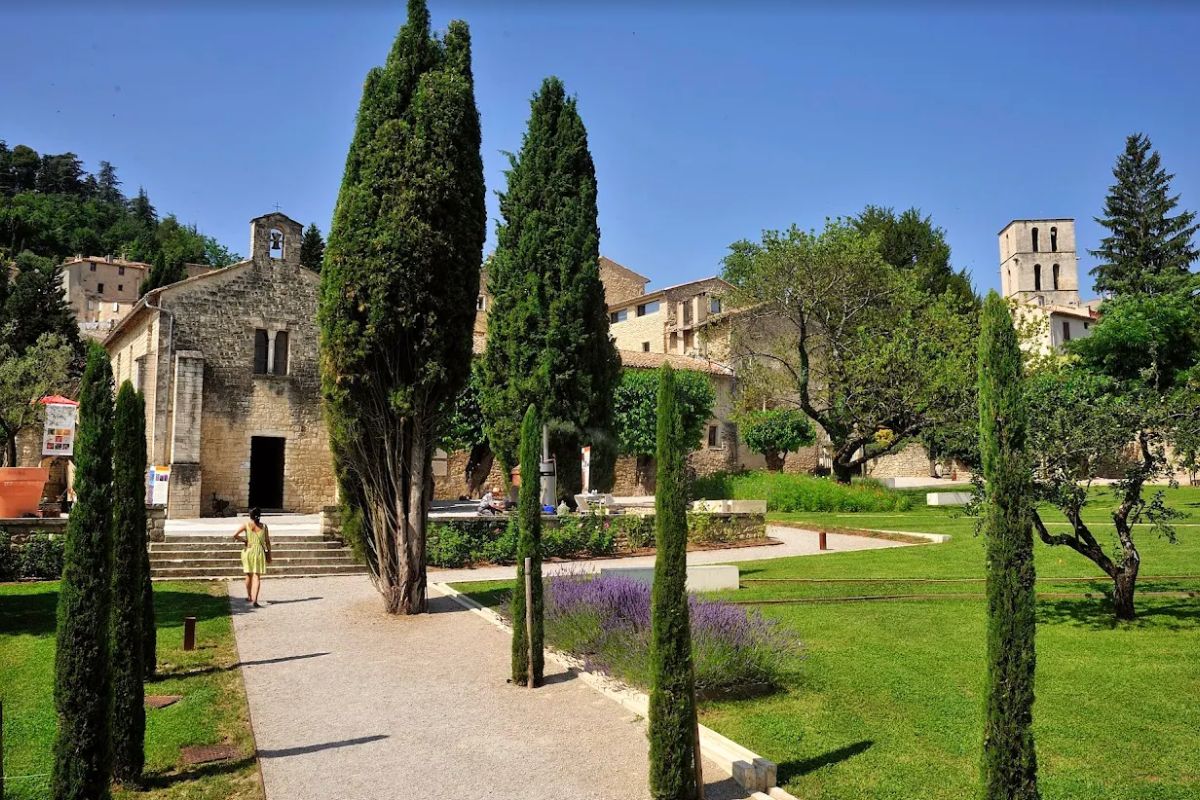
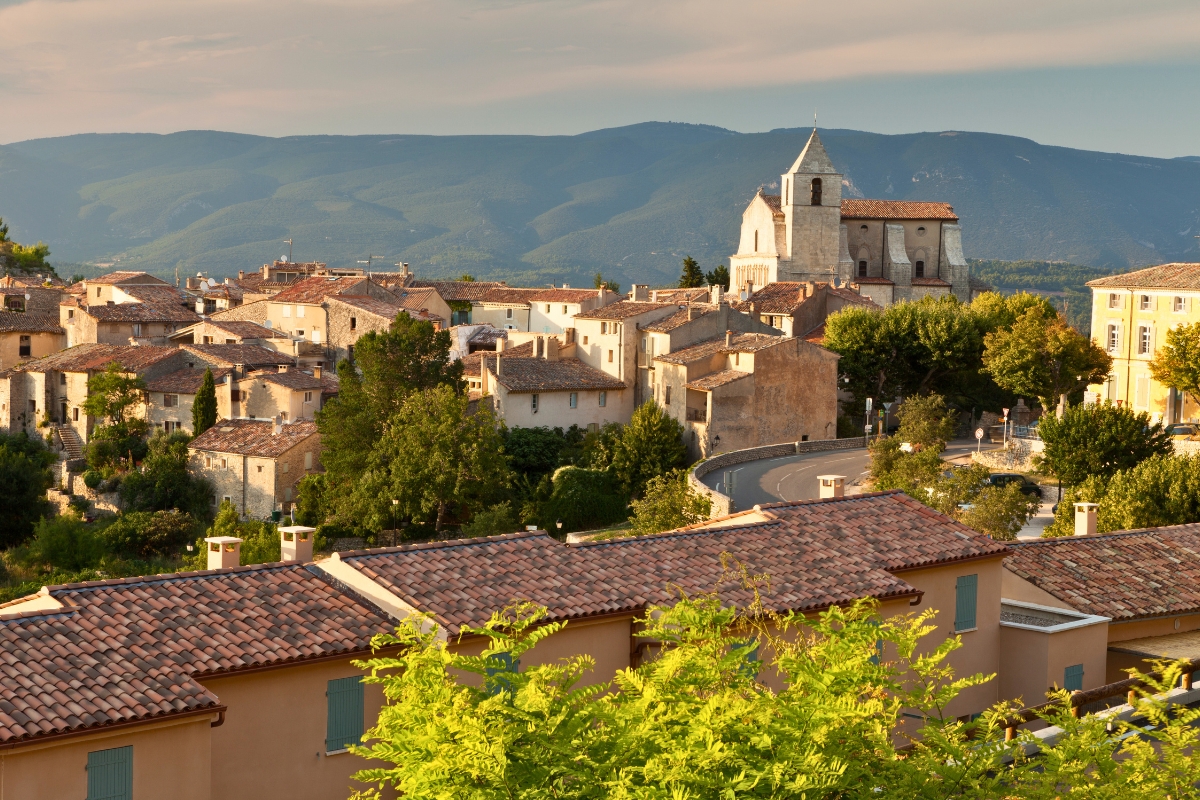
Today, this medieval gem remains one of Provence’s most atmospheric small towns. Located between the Luberon and the Montagne de Lure, Forcalquier was once the capital of an independent county and a seat of real power.
Climb the narrow cobblestone streets to the Citadel, where the castle of the Counts of Forcalquier once stood. Though the fortress was destroyed in 1601, the site now hosts the Chapel of Notre-Dame-de-Provence, offering panoramic views across the same landscapes the young queen would have known—the Luberon hills to the south, the snow-capped Alps on the eastern horizon.
The 13th-century Cordeliers Convent, built during the sisters’ lifetime by Franciscan monks, still stands with its tranquil cloister and medieval gardens. Today it houses the European University of Scents and Flavours—a fitting continuation of Provence’s sensory traditions. The Notre-Dame-du-Bourguet Cathedral, dating to the 12th and 13th centuries, represents the Provençal Romanesque architecture the sisters would have known intimately.
Time your visit for Monday morning, when Forcalquier’s famous market fills the squares with the same scents and colors—local cheeses, lavender honey, olive oils—that would have characterized market days eight centuries ago.
Eleanor, the second sister, was always closest to Marguerite. Born around 1223 in Aix-en-Provence, she followed her elder sister’s path to a throne just two years later. In 1236, she married Henry III of England in Canterbury Cathedral.
The young queen never quite felt at home in what she considered England’s more primitive court, having grown up amid the sophistication of Provence. She surrounded herself with relatives from Savoy—her mother’s powerful family—and worked tirelessly to advance their interests. This made her unpopular with the English nobility, but Eleanor was undeterred.
She was ambitious and politically active in ways that sometimes alarmed even her husband. When civil war threatened England in the 1260s, Eleanor attempted to raise an army on the Continent to restore royal authority. The mission failed, but it demonstrated the steel beneath her gracious exterior.
Throughout their lives, Marguerite and Eleanor maintained an extraordinary bond. In 1254, the two sisters orchestrated a remarkable meeting in Paris between their husbands—the kings of France and England—during which they worked to improve relations between their adopted kingdoms. The Treaty of Paris in 1259 owed much to their diplomatic efforts behind the scenes.
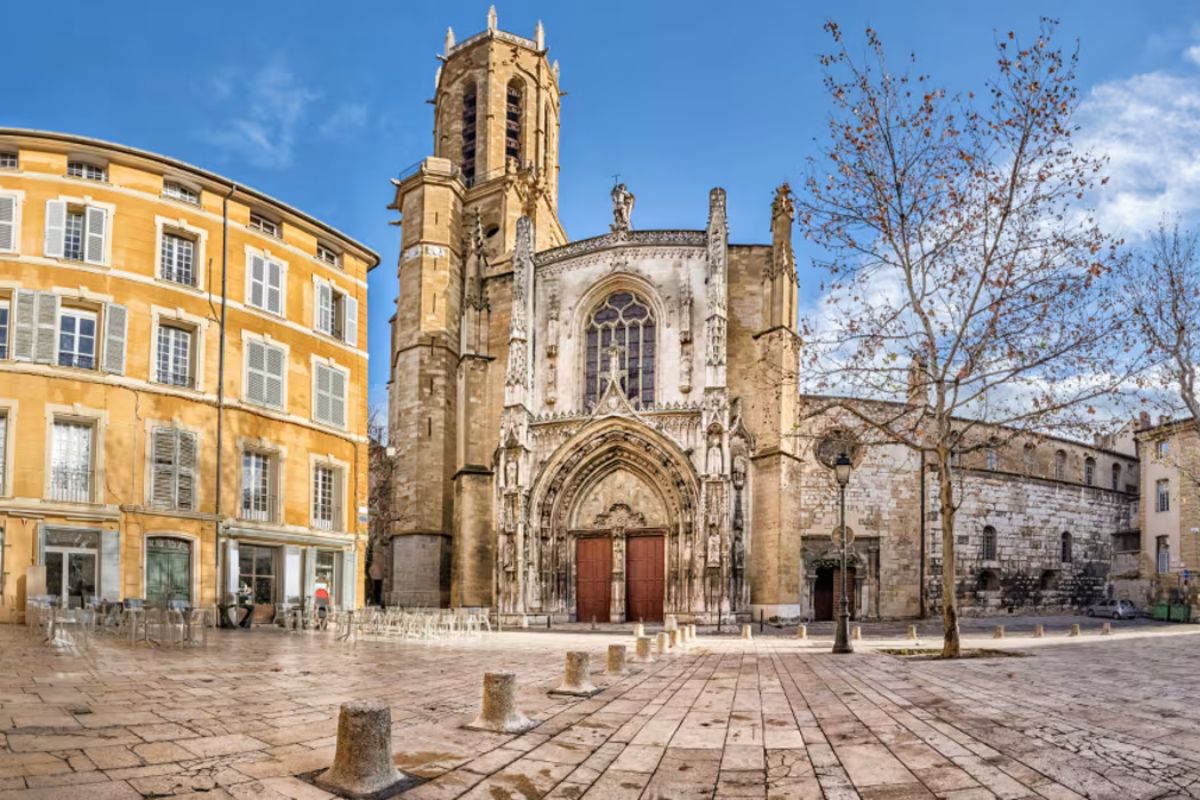
Eleanor and her sisters grew up in the courts of Aix-en-Provence, and today the city remains saturated with medieval heritage. Begin at the Cathédrale Saint-Sauveur, a remarkable palimpsest of architectural styles built between the 5th and 16th centuries. The Romanesque cloister, dating to the late 12th century, would have been newly built during the sisters’ childhood. Its slender columns and sculpted capitals—depicting animals, plants, and symbols of the evangelists—offer a glimpse into the artistic world that surrounded them. The 5th-century baptistery, with its octagonal pool and Roman columns, connects visitors to even deeper layers of Provençal history.
Just steps away stands the Church of Saint-Jean-de-Malte, Provence’s first Gothic church, built in the 1270s by the Knights Hospitaller. This was the burial place of the Counts of Provence, and Ramon Berenguer V—father of the four sisters—rests here still. A statue of the count stands within, and the stunning 19th-century stained glass windows in the apse depict Ramon Berenguer and his daughter Beatrice. The adjoining priory now houses the Musée Granet, one of Provence’s finest art museums.
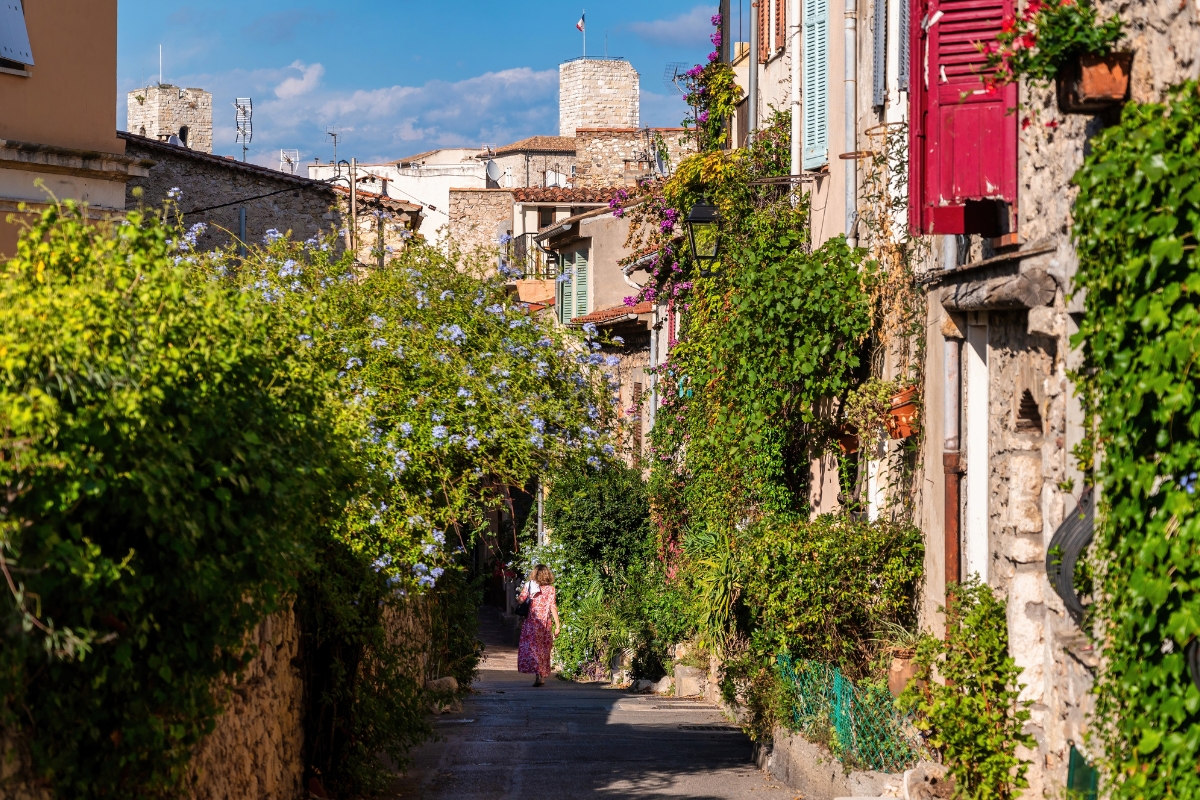
Wander through the narrow streets of Aix’s old town, where 13th-century doorways still punctuate the facades, and imagine the young sisters being educated in languages, music, and the courtly arts that would serve them on the thrones of Europe.
Sanchia, born around 1228 in Aix-en-Provence, was said to be the most beautiful of the four sisters. But beauty alone could not guarantee happiness. When she married Richard, Earl of Cornwall—the younger brother of King Henry III—in 1242, she was acutely aware that her elder sisters already wore crowns while she had married a mere earl.
This changed in 1257 when Richard was elected King of the Romans, making Sanchia Queen of Germany. But the title was more impressive than the reality. Richard’s kingdom was fractious and his authority limited. Sanchia spent much of her brief reign struggling for recognition in a court that did not particularly want her.
Richard adored his wife and lavished her with affection and extravagance. But Sanchia never achieved the political influence her sisters wielded. She died in 1261 at just thirty-three years old, the first of the four sisters to pass away.
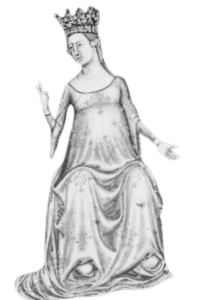
The youngest sister’s story is perhaps the most dramatic. Beatrice was born around 1234, and unlike her sisters, she would not have to leave Provence to find her crown—she would inherit it.
When Ramon Berenguer died in 1245, his will stunned the family. He left Provence itself not to Marguerite, his eldest, but to Beatrice, his youngest. The other three sisters were furious. Marguerite, in particular, never forgave what she saw as an injustice.
Beatrice married Charles of Anjou, the ambitious younger brother of King Louis IX, in 1246. Together, they conquered the Kingdom of Sicily, and Beatrice became queen of one of the Mediterranean’s most powerful realms. But her rise created lasting rifts within the family. Where the three elder sisters had worked together across borders, Beatrice’s alliance with Charles set her against her siblings’ interests.
Beatrice died young, in 1267, but the rivalry she represented between the houses of France and Provence would echo through European politics for generations.
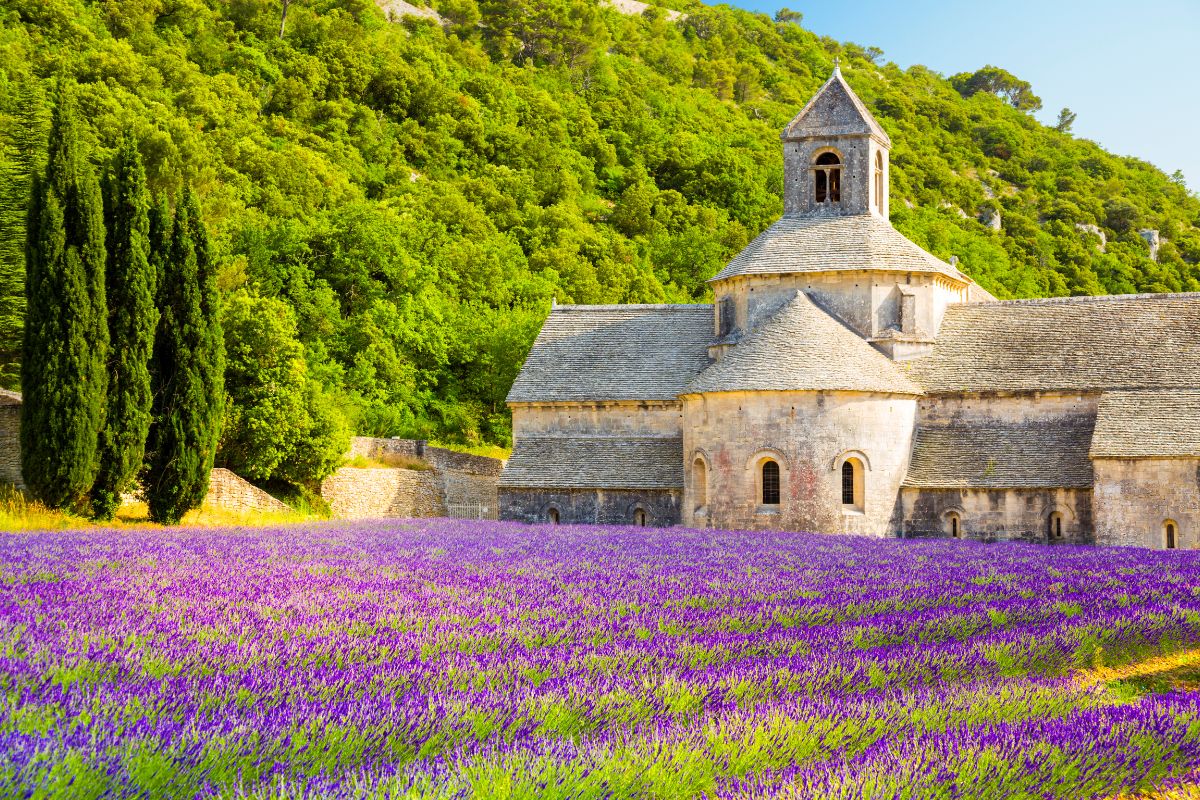
The extraordinary ascent of these four sisters was no accident. Their parents’ careful cultivation of alliances, their uncles from Savoy who guided their early reigns, and their own remarkable intelligence and determination all played roles.
But perhaps their greatest strength was their willingness to work together. As Nancy Goldstone writes in her acclaimed history Four Queens, the sisters “survived war, treachery, and rebellion, often through sheer strength of character and by relying upon one another.” They negotiated across territorial boundaries, supported each other’s projects, and wielded influence that most medieval women could only dream of.
Their legacy shaped the map of Europe. The peace between France and England that Marguerite and Eleanor brokered lasted for decades. The Crusades bore the mark of Marguerite’s extraordinary leadership. And the kingdoms they helped build would evolve into the nations we know today.


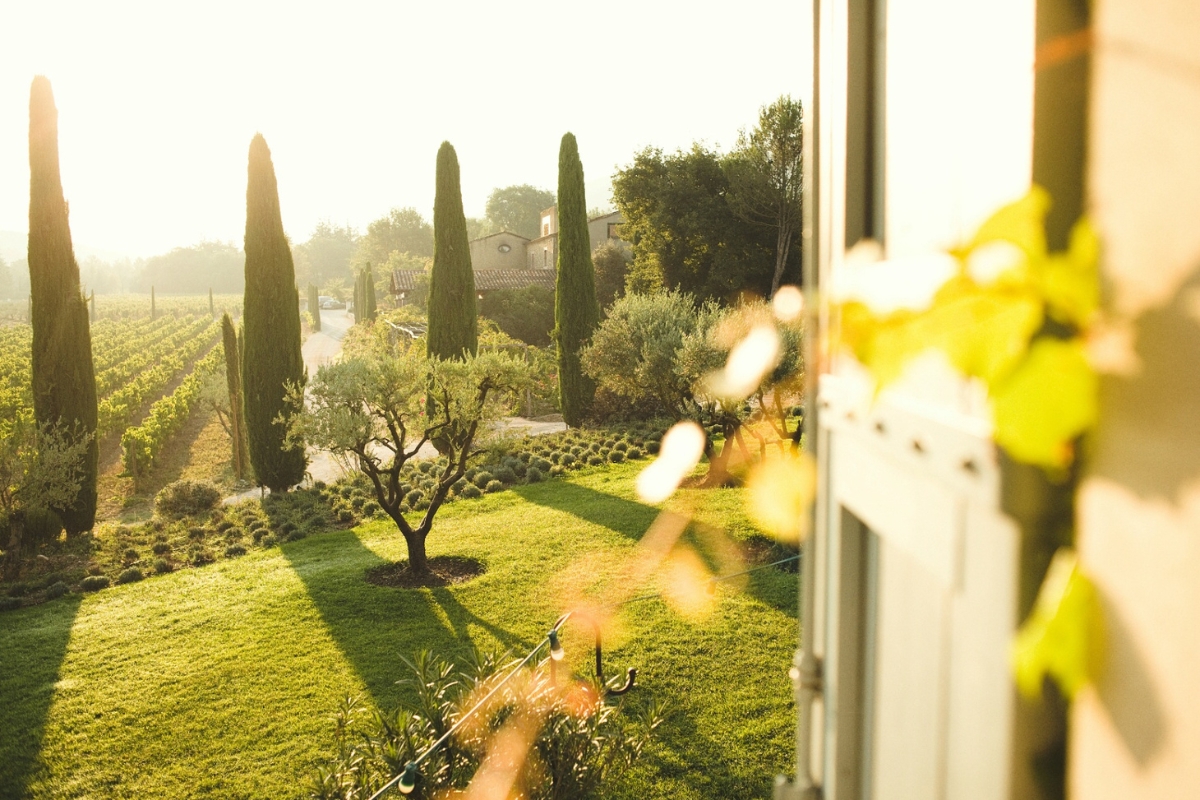
The landscapes where these remarkable women spent their childhoods remain largely unchanged. The light that inspired troubadours still falls golden across the hills of Provence. The ancient streets of Aix-en-Provence and the medieval fortress towns of the Luberon still whisper of courts and poetry and the dreams of four young sisters who would grow up to rule the world.
From a private estate in the heart of Provence, you can trace the footsteps of the Four Queens across a landscape rich with medieval heritage:
Morning in Forcalquier: Begin where Marguerite was born. Explore the Citadel hill for panoramic views, visit the 13th-century Cordeliers Convent cloister, and browse the Monday market for local cheeses, honeys, and lavender products that would feel familiar to a medieval countess.
Afternoon in Aix-en-Provence: Visit the Cathédrale Saint-Sauveur and its Romanesque cloister, then walk to Saint-Jean-de-Malte to pay respects at the burial church of Count Ramon Berenguer V. Stroll the Cours Mirabeau, the elegant boulevard that follows the line of the old city walls, stopping for coffee at one of the historic cafés.
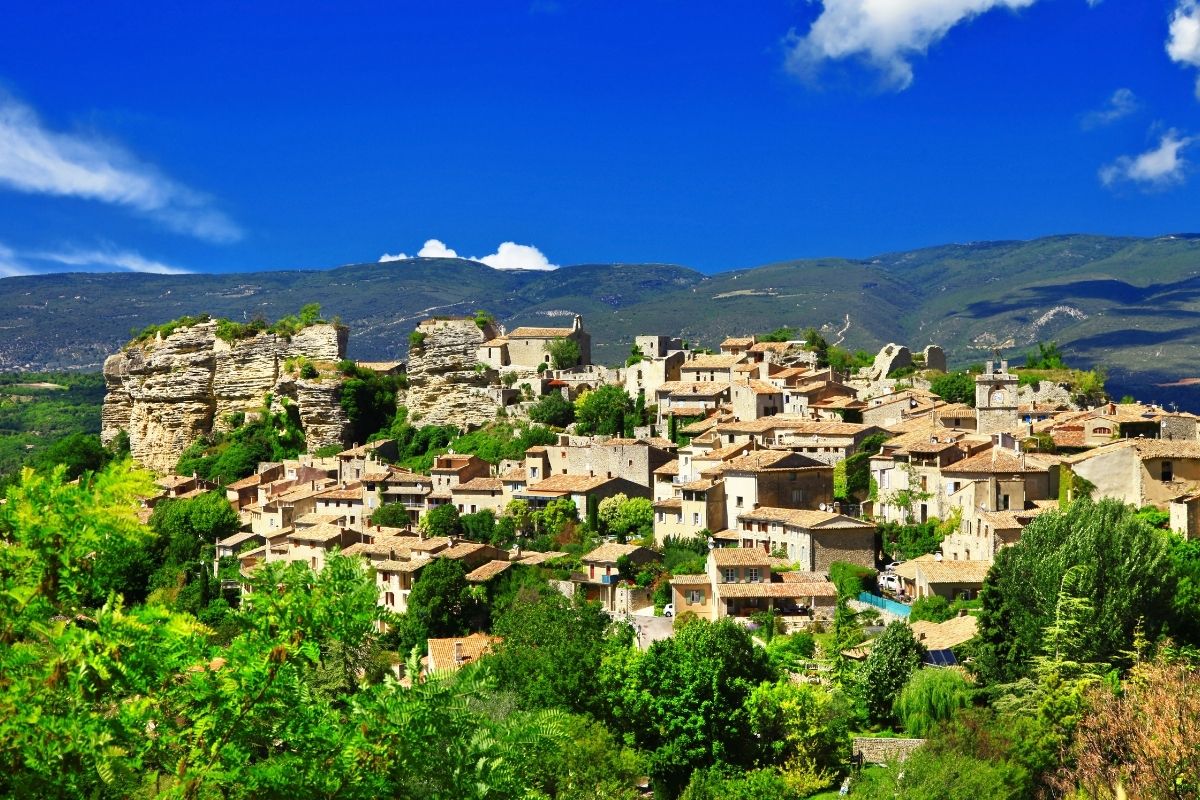
Evening among the Hilltop Villages: As the light turns golden, drive through the Luberon to villages like Gordes, Ménerbes, or Bonnieux—medieval settlements perched on hilltops just as they were when the sisters’ father ruled from nearby. Watch the sunset paint the valley in shades of amber and rose, and understand why this landscape has inspired artists, poets, and dreamers for centuries.
The region offers countless other medieval treasures for those inspired by the Four Queens’ story:
Silvacane Abbey: Near the Durance River, this austere 12th-century Cistercian abbey offers a glimpse into the monastic world that shaped medieval culture.
The magic of these medieval sites reveals itself slowly—in morning walks before the crowds arrive, in afternoon glasses of rosé as the light turns golden, in twilight drives home through lavender-scented lanes.
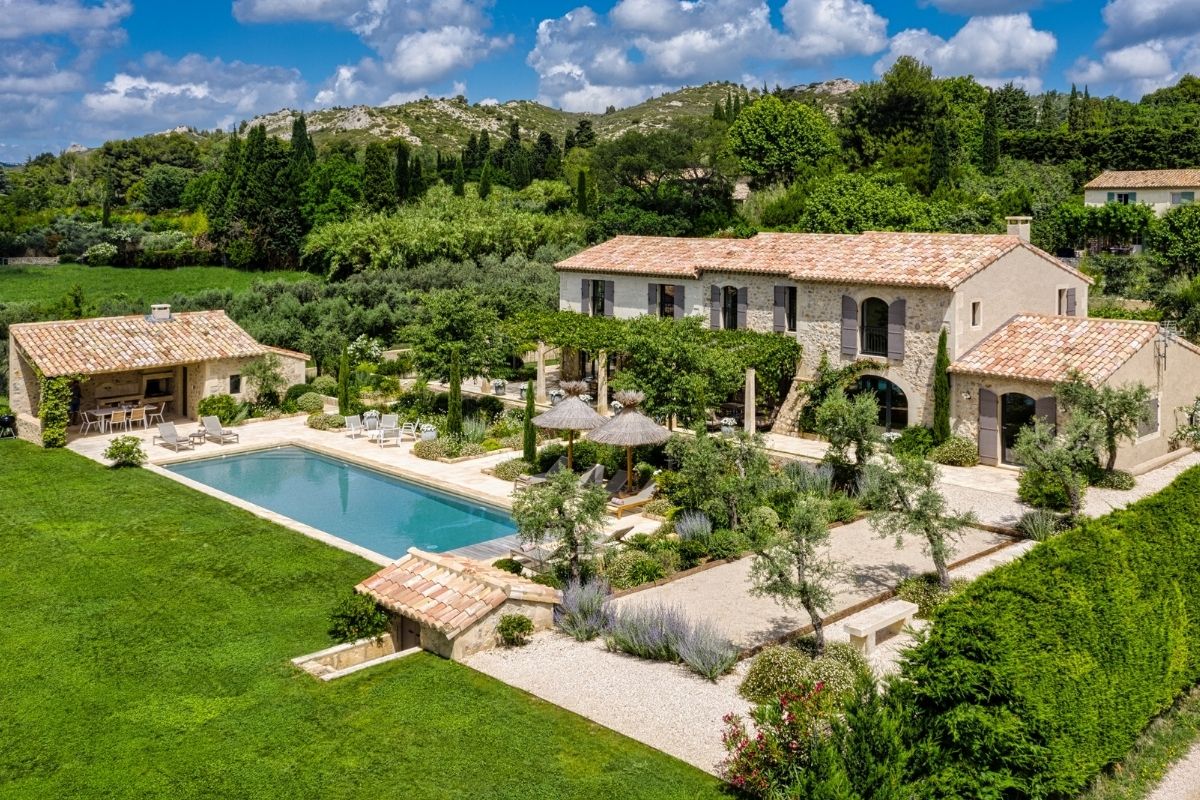
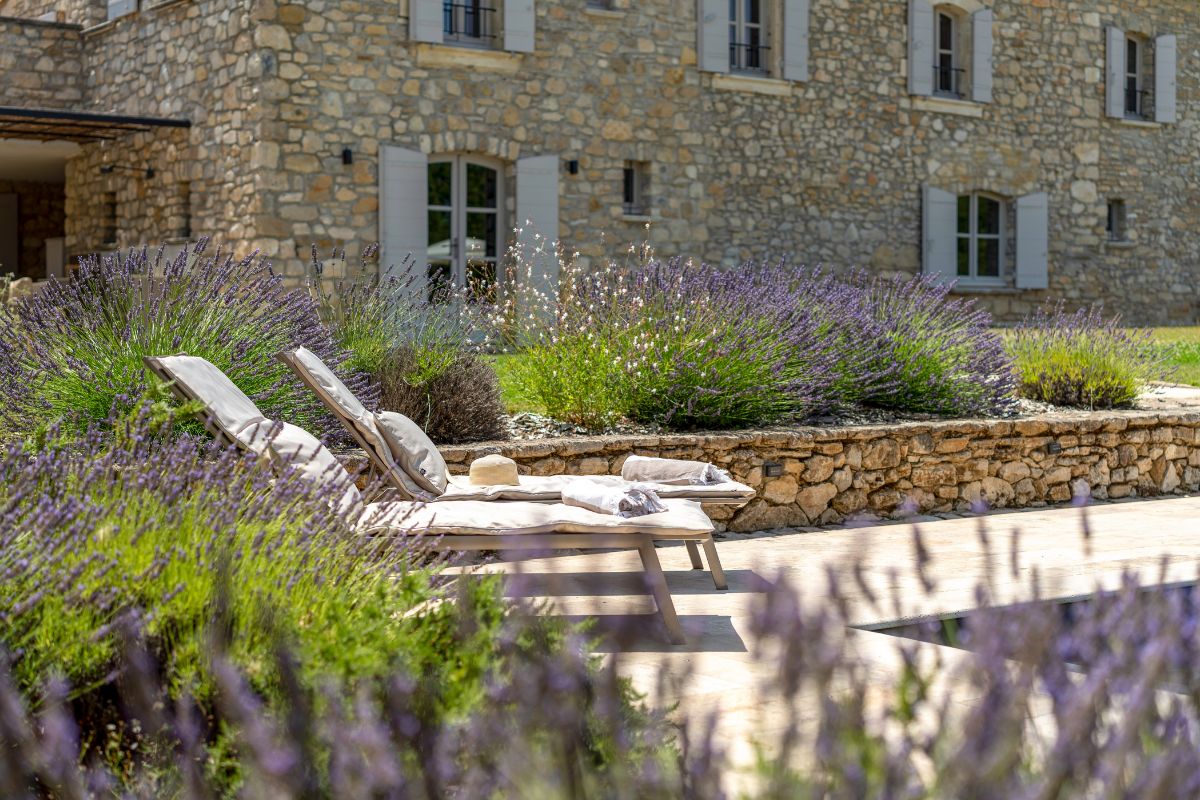
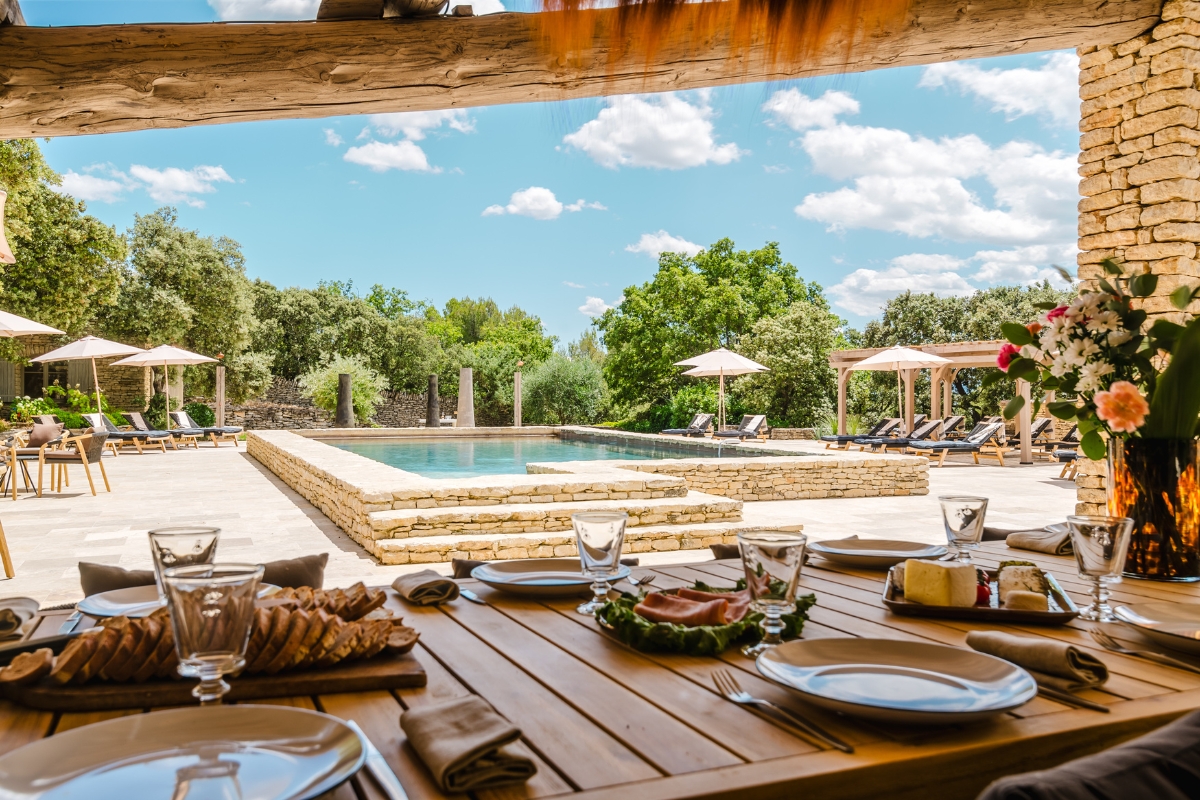
This is why experiencing medieval Provence from a private villa or château changes everything. Rather than rushing between destinations, you become part of the landscape. You wake to views that have inspired artists for centuries. You return each evening to pool terraces and stone-walled gardens that feel like extensions of the ancient villages themselves.
From a well-positioned estate, the sites of medieval Provence become your neighbors. Forcalquier for Monday market and a morning exploring the sisters’ birthplace. Aix-en-Provence for an afternoon of cathedral cloisters and café culture. The hilltop villages of the Luberon for sunset and centuries of history.
This is Provence as it was meant to be experienced—unhurried, immersive, and utterly unforgettable. Eight centuries after Marguerite, Eleanor, Sanchia, and Beatrice left these hills to rule Europe, the land that shaped them still has the power to transform all who visit.

Discover the remarkable story of the Four Queens of Provence—Marguerite, Eleanor, Sanchia, and Beatrice—the 13th-century sisters who became queens of Europe’s greatest powers. Visit the medieval sites where their story began. […]
Read More… from 12 Reasons Provence Is the World’s Best Slow Travel Destination

Discover the remarkable story of the Four Queens of Provence—Marguerite, Eleanor, Sanchia, and Beatrice—the 13th-century sisters who became queens of Europe’s greatest powers. Visit the medieval sites where their story began. […]

Tucked between Gordes and Roussillon, Joucas is the Luberon village that rewards those who wander past the obvious — lavender fields, honey-stone lanes, and genuine serenity. […]

Tucked between Gordes and Roussillon, Joucas is the Luberon village that rewards those who wander past the obvious — lavender fields, honey-stone lanes, and genuine serenity. […]
- offering all comforts and amenities - pool, housekeeping, and chef services.
© 2026 Only Provence

Only Provence co-founder Lydia Dean writes about their experiences raising a family, building a business in Provence, and later combining the love of travel with giving back in "Jumping the Picket Fence”. In 2021, she published “Light Through the Cracks,” a continuation of her journey, much of which has been based in Provence. Both books are available Amazon, Amazon.uk, and Amazon.Fr.