In Provence, the pace isn’t a philosophy you adopt. It’s simply how life works.
Whether you’re settling into a sun-warmed château in the Luberon, following a truffle hunter through oak forest at dawn, or watching the weekly market transform a medieval square into a theatre of colour and conversation, Provence offers a rare truth: the slower you go, the more you find.
These are twelve reasons it earns its place as the world’s best slow travel destination.
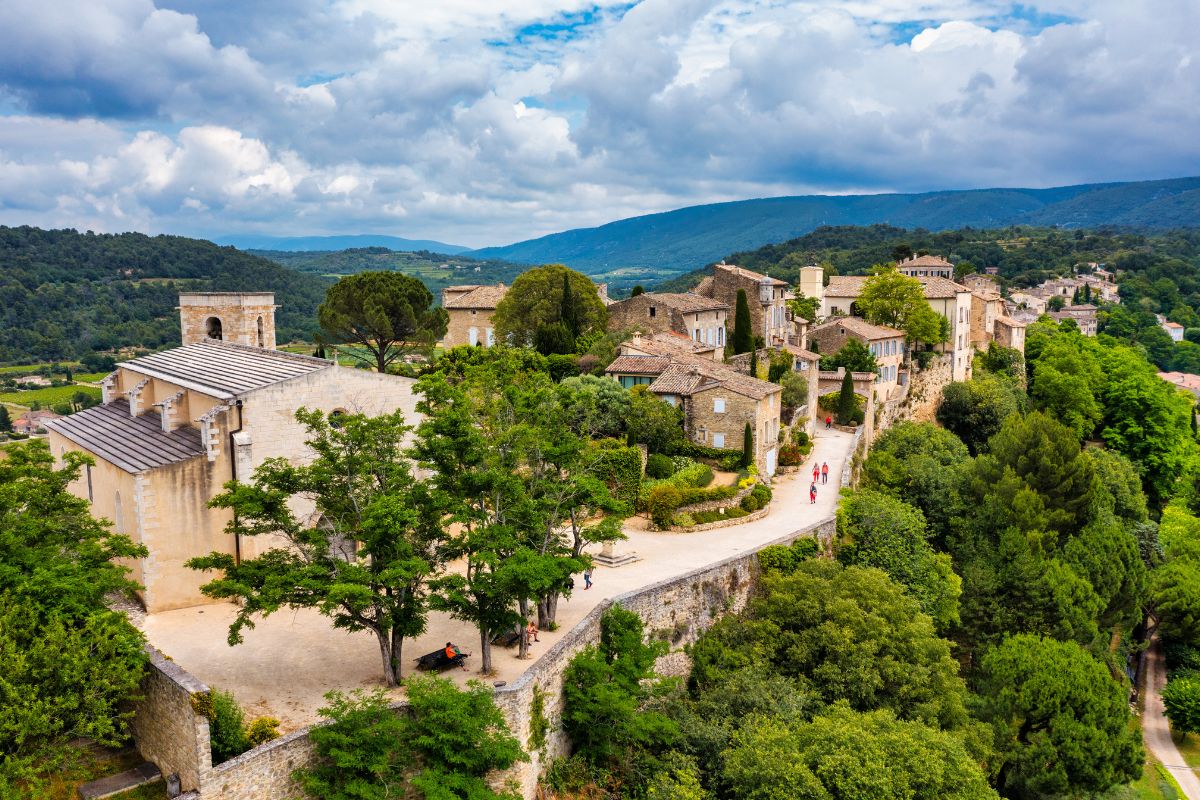
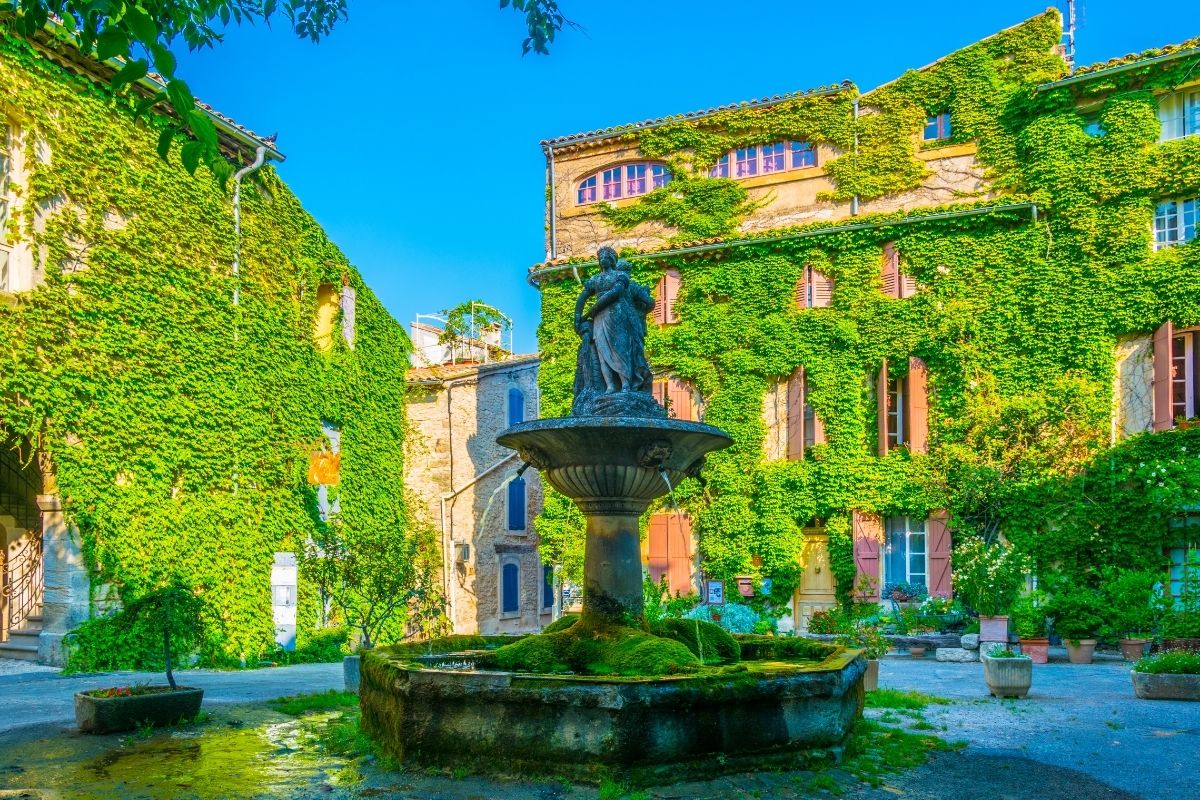
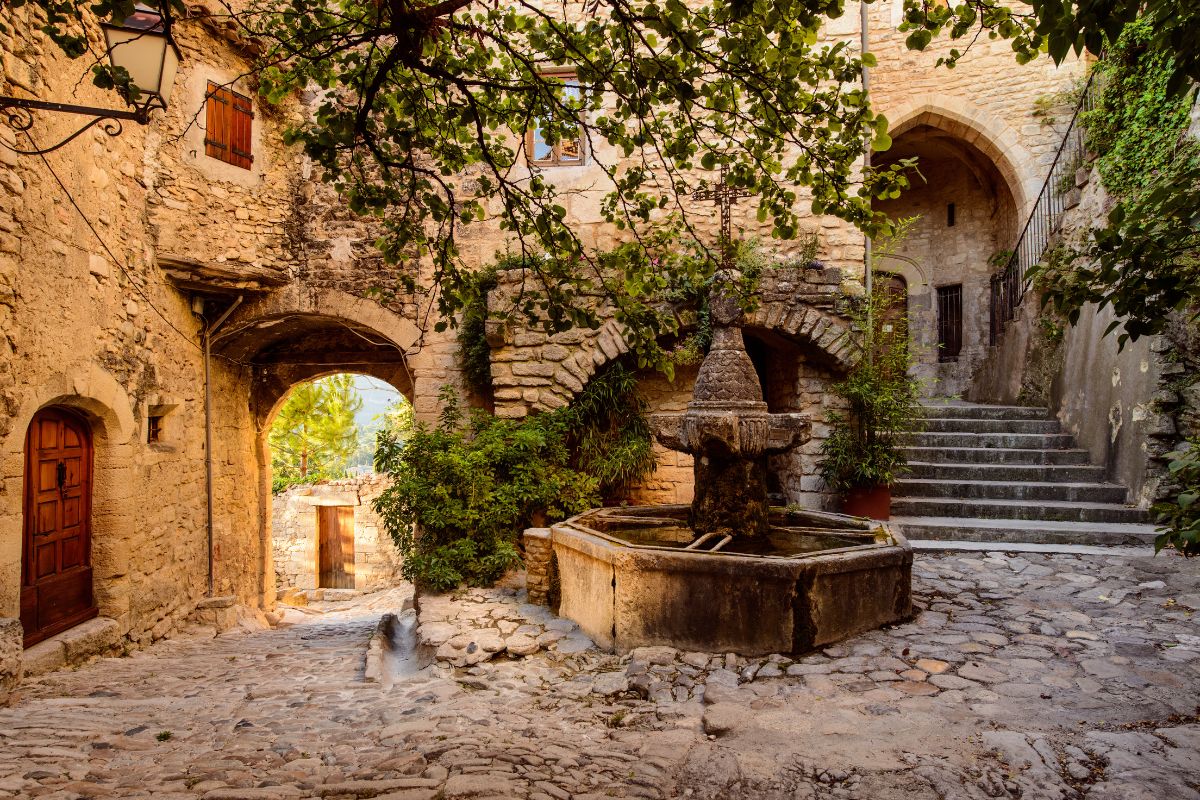
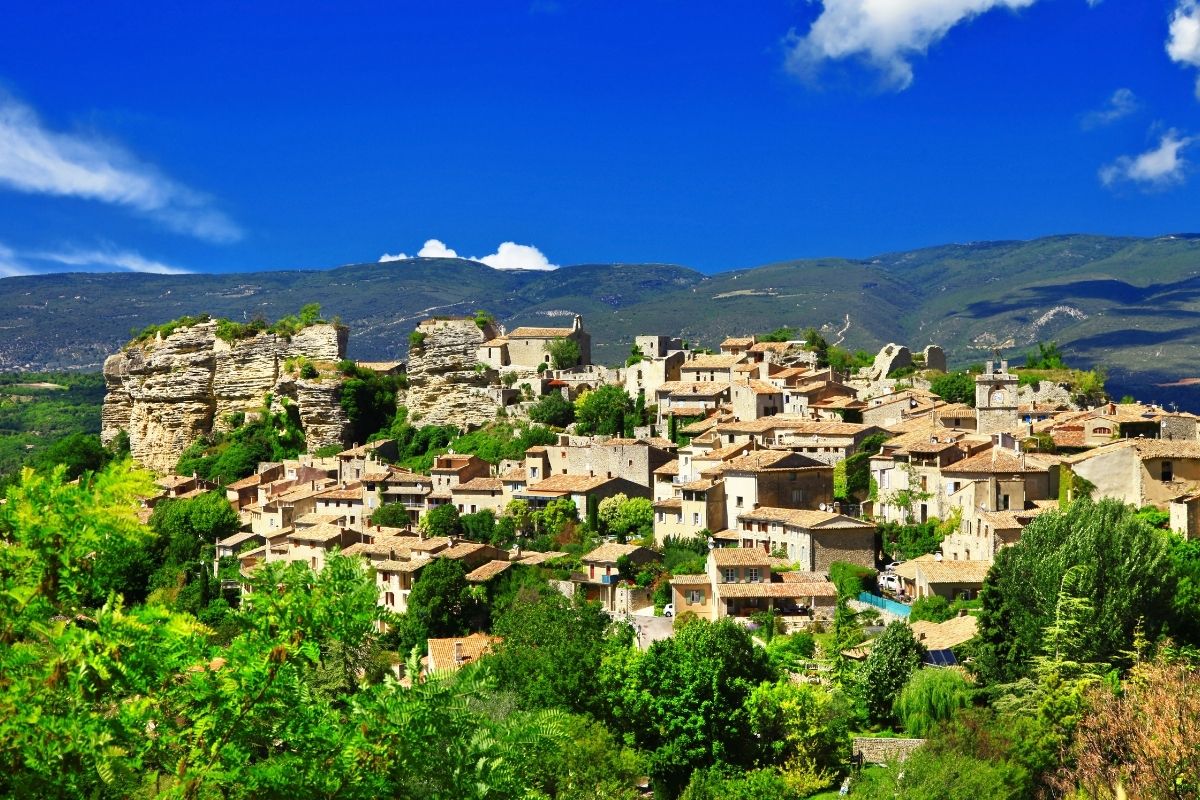
Provence’s hilltop villages — Gordes, Ménerbes, Bonnieux — are architectural arguments for lingering. Their medieval lanes, shaded fountains, and terraced café tables weren’t designed for tourists moving at tourist pace. They were built for the rhythm of a working life: morning bread, midday shade, evening aperitif. Spend a week in a single village and it becomes yours in a way no whirlwind tour could replicate.
Why it matters for slow travellers: Unlike destinations where “slowing down” means skipping an attraction, in Provence it means discovering one village completely — its baker, its view at golden hour, which café the locals actually use.
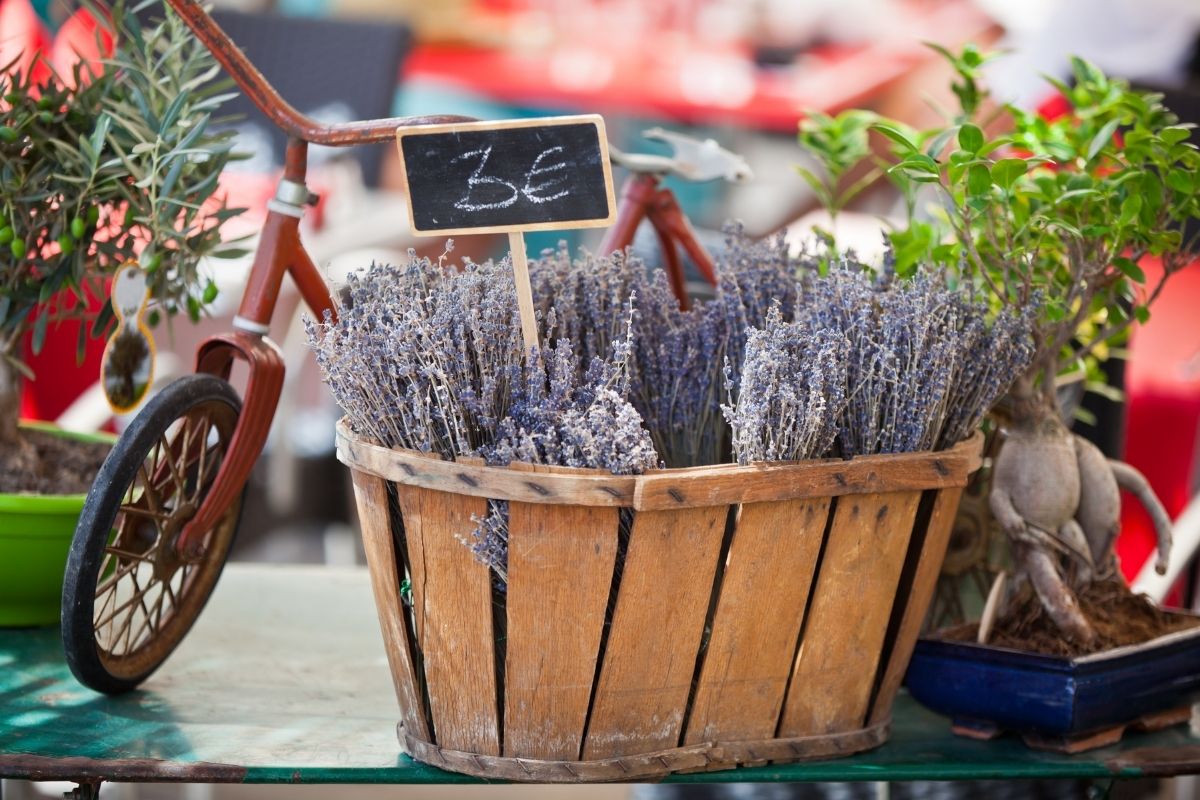
Every village in Provence has its market day, and attending one is less a tourist activity than a social institution. The markets of Apt, L’Isle-sur-la-Sorgue, and Arles each draw thousands of vendors and visitors who arrive not to rush but to deliberate — debating the merits of a particular cheesemaker, selecting herbs still fragrant from that morning’s harvest, lingering over a glass of local rosé at a stand-up bar.
For slow travellers, Provence’s market culture is a masterclass in presence. You don’t photograph the market and leave. You participate in it.
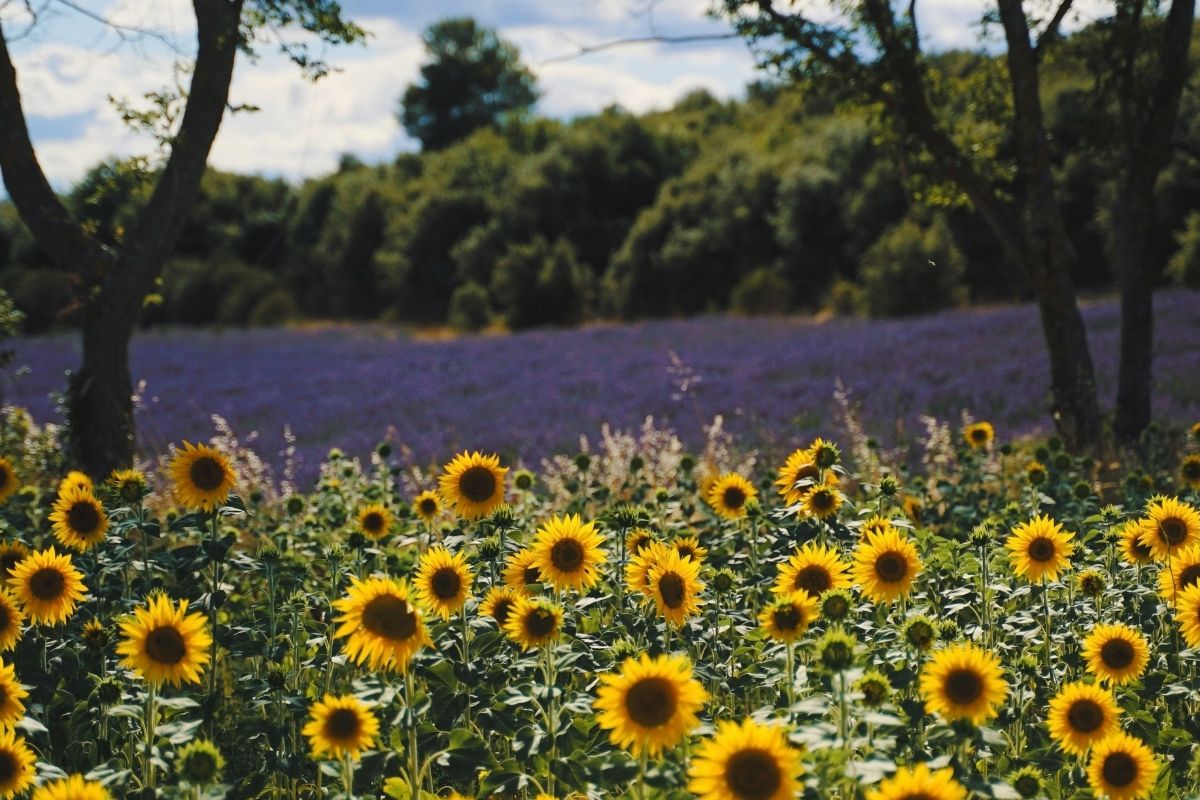
Provence’s lavender fields — the ones that have become among the most photographed landscapes on earth — only reveal their full splendour to those who plan around them. Peak bloom in the Valensole Plateau and the Luberon typically falls between late June and mid-July. Arrive a week early or a week late and the display is ordinary. Arrive in the window and the landscape becomes something otherworldly: hectares of violet-blue, the air so thick with fragrance it becomes physical.
That specificity is the essence of slow travel: shaping your visit around the rhythms of place, not the convenience of your itinerary.
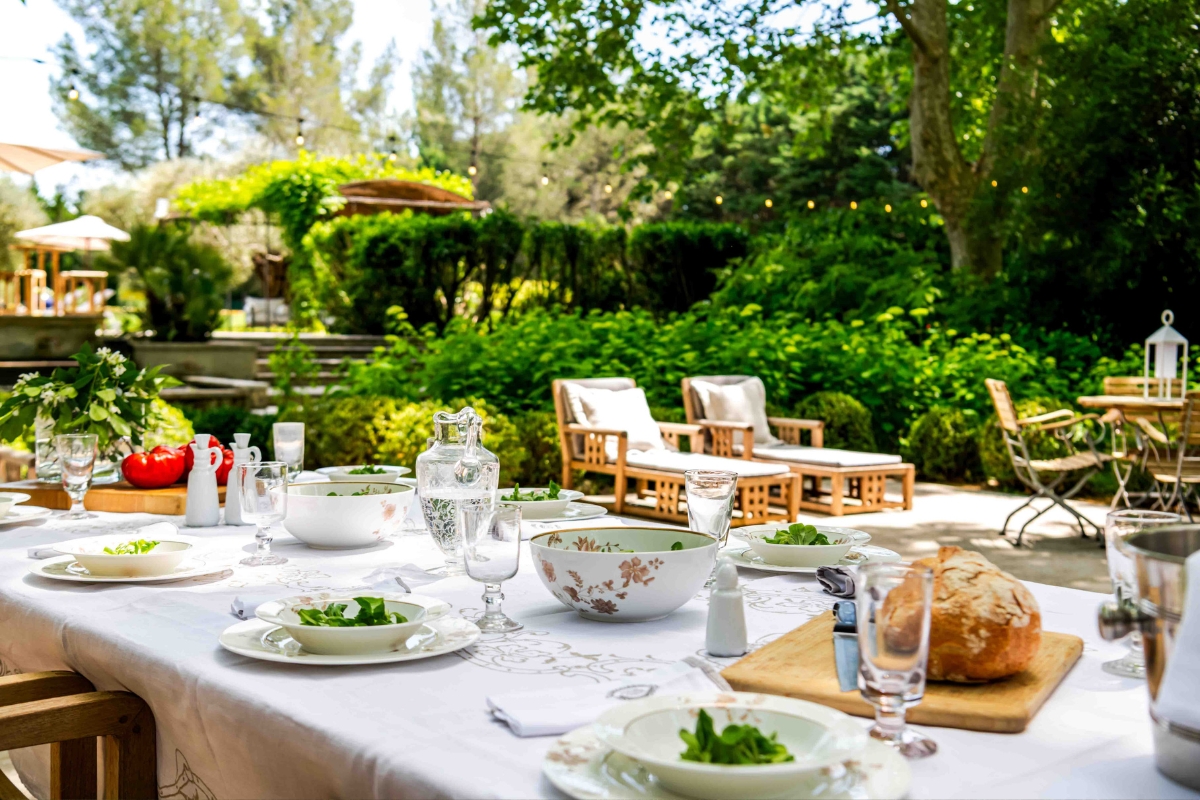
Provençal cuisine is a cuisine of patience. Daube de boeuf simmers for six hours. Tapenade requires the slow work of olive pits. A proper bouillabaisse, made to the rules set down by Marseille’s chefs, takes two days. The region’s restaurants — from neighbourhood bistros to Michelin-starred tables like La Chassagnette in the Camargue — operate on a schedule that treats a meal as an event, not a transaction.
Slow travellers who surrender to this rhythm quickly understand that the two-hour lunch is not inefficiency. It is the point.
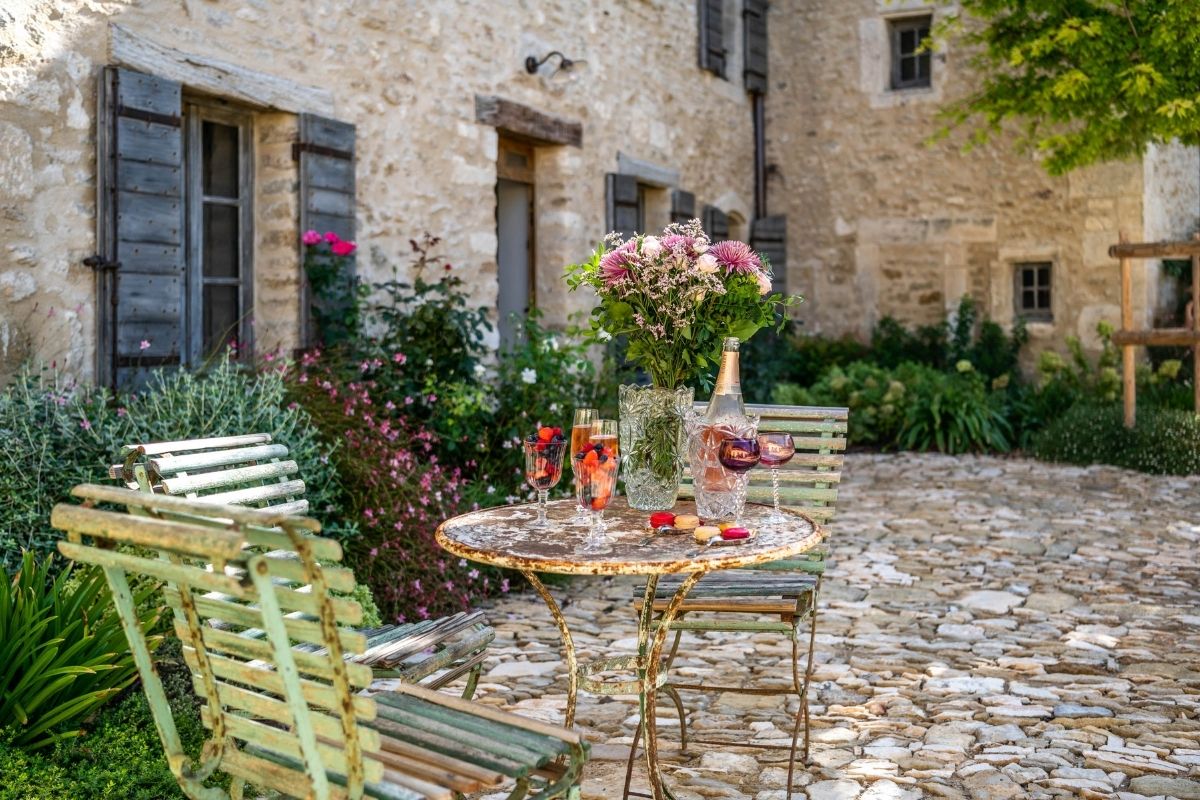
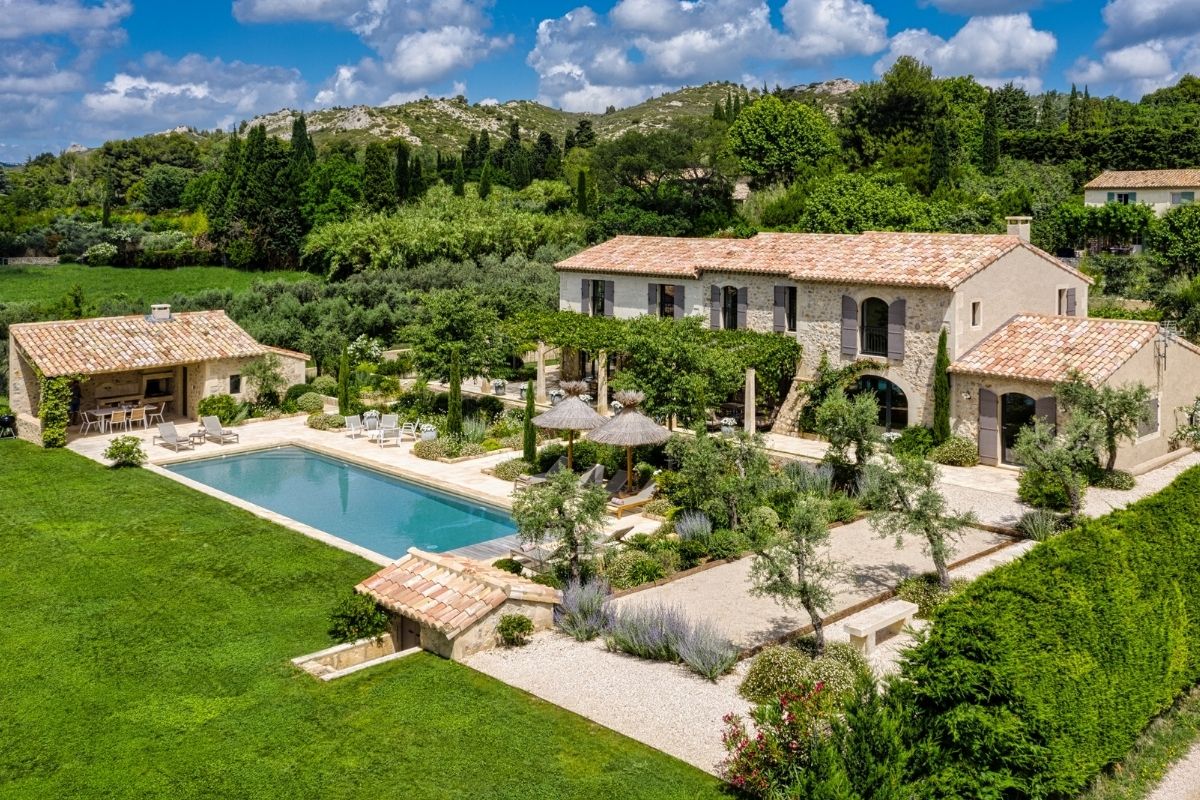
The difference between slow travel and slow tourism often comes down to where you stay. A hotel, however beautiful, keeps you at arm’s length from daily life. A private villa — with its kitchen garden, its shaded terrace, its morning light through wooden shutters — makes you a temporary resident.
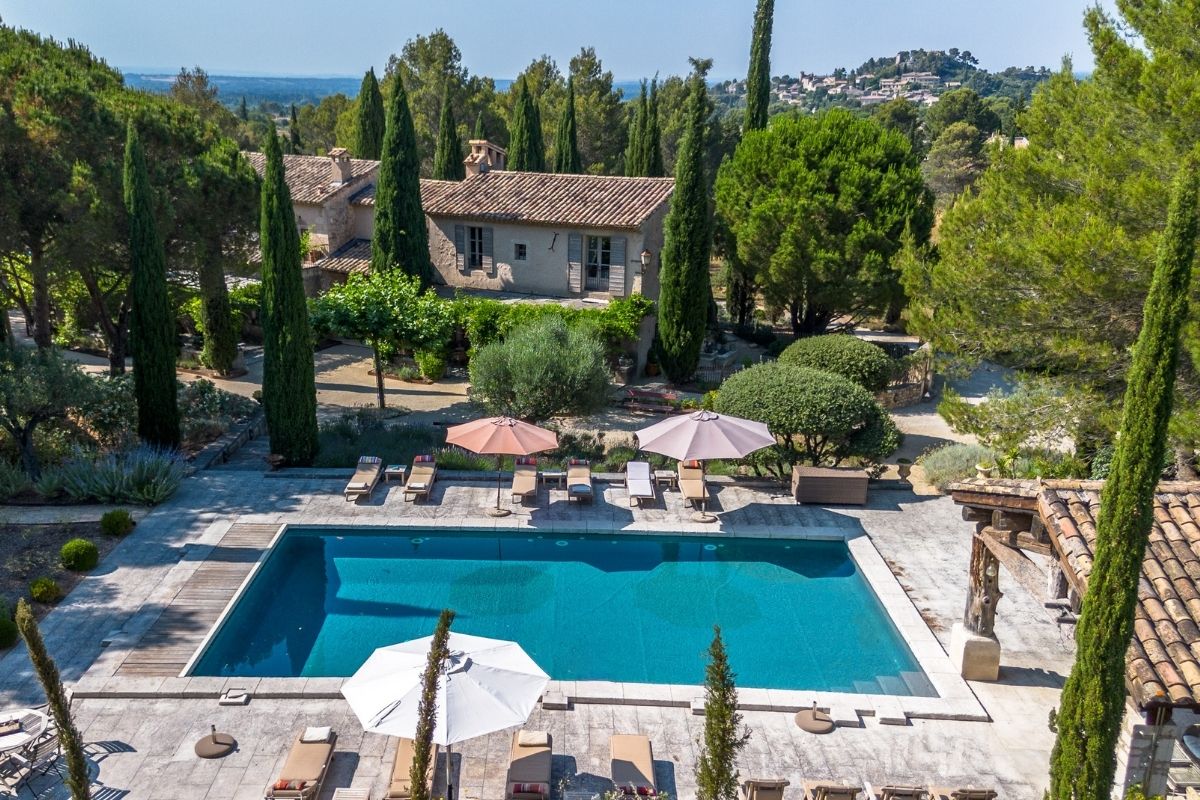
Only Provence’s portfolio of 200+ personally vetted villas and châteaux across the Luberon and Alpilles is built on exactly this premise. Properties like Château de Sannes, Château Avignon, and Château Rhône aren’t accommodations — they’re settings. With multiple bedrooms for families or small groups, a private chef from Provence Chefs Expérience, and concierge-arranged market visits and wine tastings, they transform a holiday into something closer to a life briefly and beautifully lived.
Slow travel thrives on variety within proximity — the sense that each day holds something new without requiring you to cover long distances. Provence delivers this in abundance. Within an hour’s drive, you can move from the stark white limestone ridges of the Alpilles to the forested valleys of the Luberon, from the lavender-terraced hillsides around Sault to the salt marshes and flamingo-haunted wetlands of the Camargue.
This landscape diversity means slow travellers can spend two weeks in a single villa and feel the world shift around them every day.
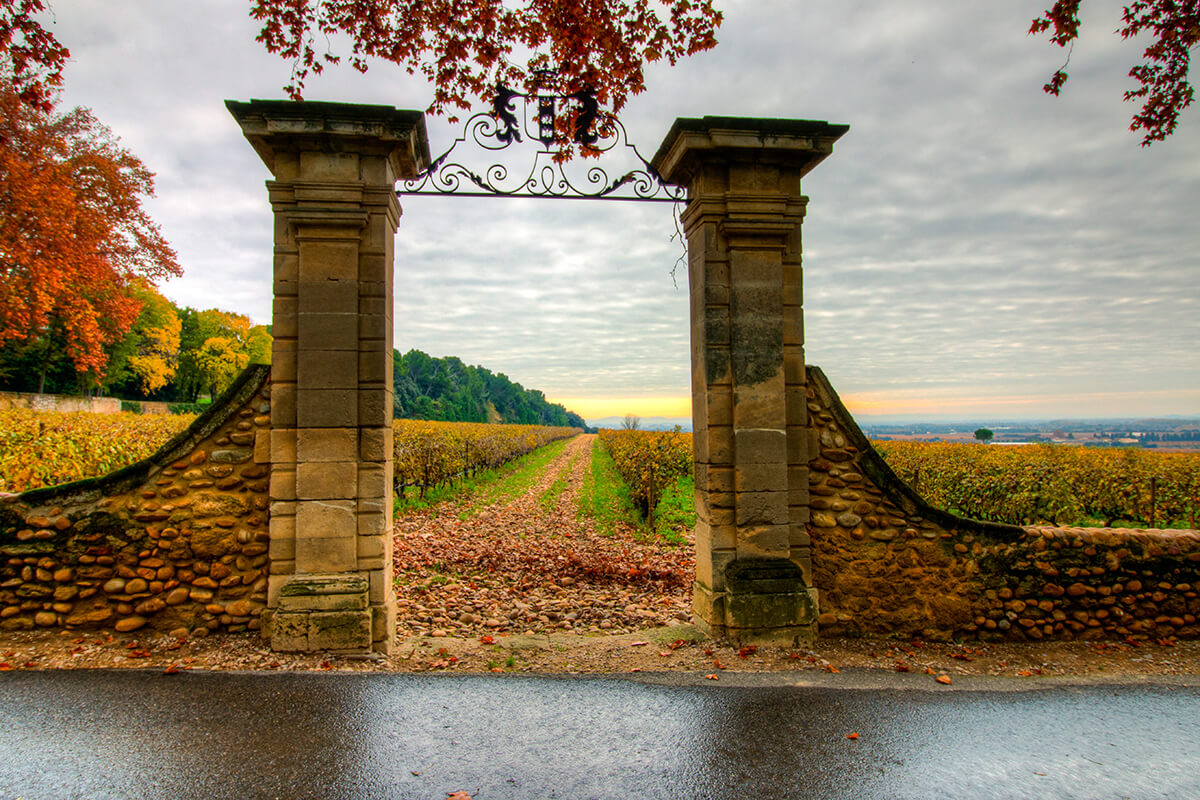
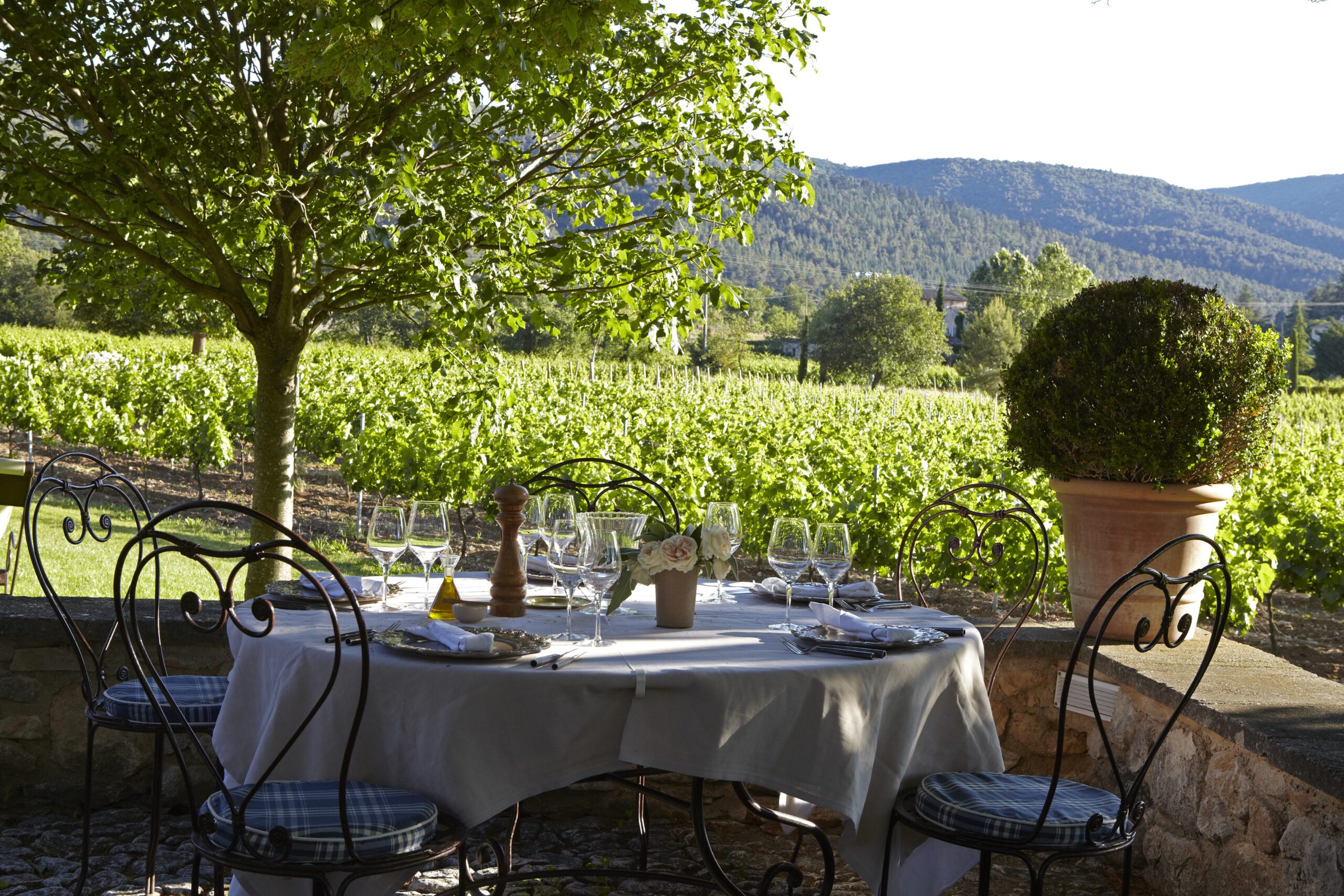
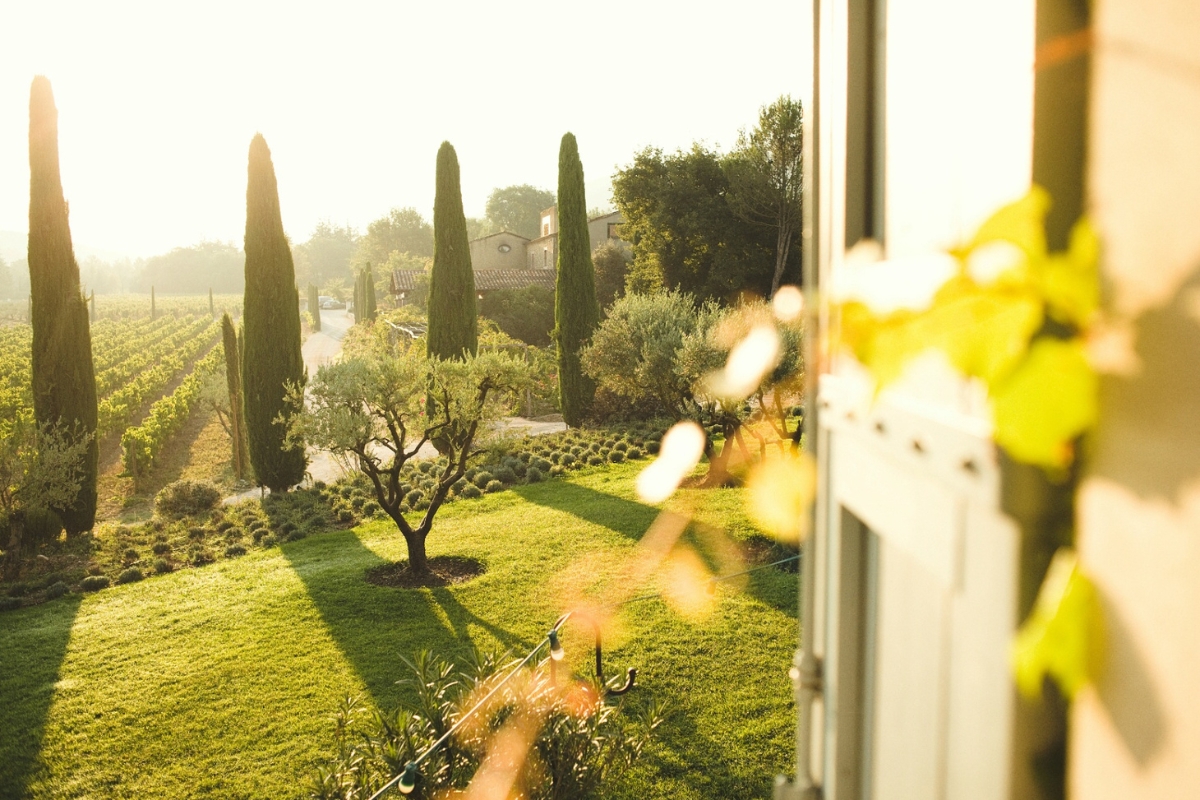
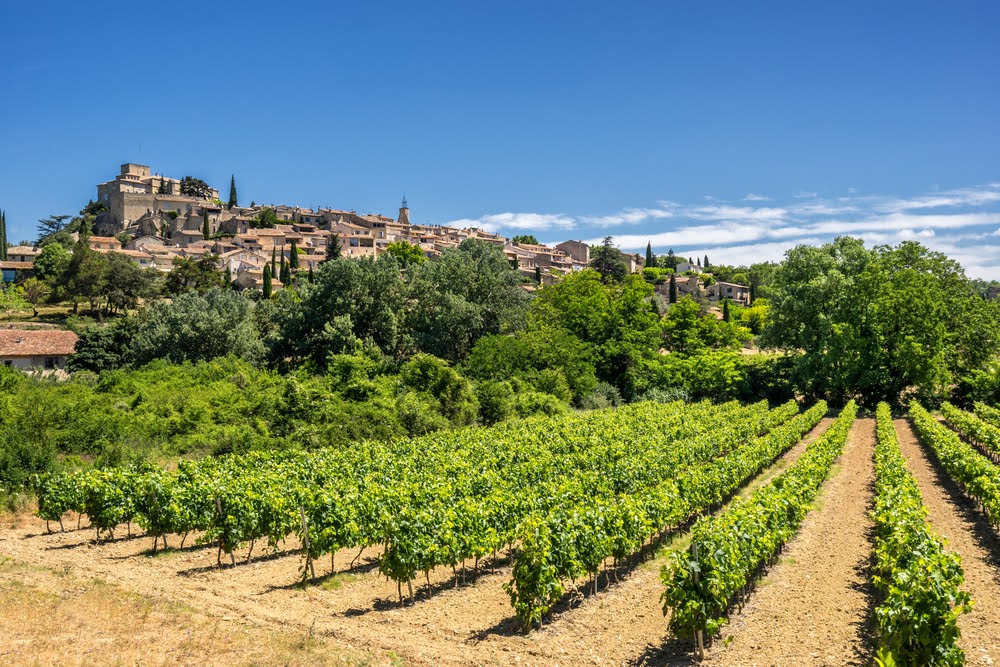
Provence is France’s oldest wine-producing region — vines have grown here since Greek settlers arrived in the 6th century BC — and its wine culture reflects that depth. The rosés of the Côtes de Provence, the reds of the Luberon appellation, and the whites of Cassis are best understood not through tastings rushed between sites but through visits to the domaines that produce them: sitting in a stone cellar with a winemaker who can trace each bottle back to a specific hillside and a specific growing season.
For slow travellers, Provençal wine is less a product to sample than a conversation to enter.
Artists from Cézanne to Van Gogh understood something that every slow traveller eventually discovers: Provence’s light is not constant. It changes dramatically through the day and across the seasons — the pale gold of winter mornings, the hard white noon of August, the amber warmth that descends over the Luberon at dusk and turns every village to honey and rose. Photographers and painters have pursued it for centuries.
To experience it properly requires the thing that rushing makes impossible: time to simply watch.
The slow travel philosophy sits uncomfortably with bucket lists, and Provence — unlike Paris or the Amalfi Coast — offers no single unmissable moment that every visitor chases. There is no Eiffel Tower, no single site around which all tourism organises itself. Instead, there are dozens of unhurried pleasures, each of roughly equal distinction: a village perché at sunrise, a Sunday market, an afternoon truffle hunt, a swim in a limestone gorge.
This absence of a centre of gravity is precisely what makes Provence the ideal slow travel destination. There is nowhere you must be, and everywhere worth being.
The difference between a good week in Provence and an extraordinary one is almost always the same thing: someone who knows it intimately. Only Provence’s concierge team — led by people with deep regional knowledge built over years of living and working here — is the kind of resource that transforms a stay from well-organised tourism into genuine discovery.
Custom itineraries, private guided walks through hidden Luberon villages, introductions to artisan producers who don’t advertise — this is the intelligence that no algorithm can replicate. Slow travel isn’t just about moving at a different pace. It’s about knowing where to be slow.
Provence has four distinct travel seasons, and each makes a different argument for being the best time to visit. Spring brings cherry blossom and the first warm café terraces. Summer unfolds the lavender and rose seasons simultaneously. Autumn arrives with the grape harvest, and forests turning amber through October. Winter reveals a quieter Provence of woodsmoke, empty village squares, and the truest version of local life — unhurried, uncrowded, unhurried.
Slow travellers who return year after year are drawn not by what changes but by how deeply each season changes what stays the same.
The most persuasive argument for Provence as the world’s best slow travel destination is one that can’t be measured in itineraries or attraction counts. It’s the quality of what remains after you leave. The particular green of morning light on a Luberon vineyard. The smell of a Provençal market — lavender, saucisson, warm bread — that surfaces unexpectedly months later. The dinner that went three hours and felt too short.
Slow travel’s deepest promise is not relaxation but remembrance: the conviction that you were truly somewhere, and that somewhere was truly worth being. Provence delivers on that promise more completely than anywhere else on earth.
Only Provence has spent years building what no booking algorithm can: genuine local knowledge, personally vetted properties, and a concierge team that knows the region the way a well-travelled friend does. Our portfolio of 200+ villas and châteaux across the Luberon and Alpilles is the starting point. Everything that makes your stay extraordinary — the private chef, the curated itinerary, the market introductions, the advice on where to be and when — comes from people who love this place as much as you will.
Slow travel in Provence means choosing depth over distance — staying in one region (typically the Luberon or Alpilles) for a week or more, following local rhythms like weekly markets and seasonal harvests, eating at an unhurried pace, and experiencing village life from the inside rather than passing through. It’s the opposite of a highlights tour.
Every season offers a distinct and rewarding experience. Late June to mid-July is ideal for lavender season in the Valensole Plateau and Luberon. September through October brings the grape harvest — among the most atmospheric times to visit. Spring (April–May) offers fewer crowds and stunning blossom. Winter suits those who want authentic local life without tourism plus the best of the truffle season.
Private villas and châteaux are the ideal slow travel accommodation in Provence. Unlike hotels, they integrate you into daily life — with access to local markets, private outdoor space, and the flexibility to host private chefs, wine tastings, or simply spend an afternoon doing nothing at all. Properties with three or more bedrooms suit families, friend groups, and multi-generational travellers.
Provence combines landscape diversity, deep culinary culture, village architecture, a working wine industry, and seasonal events like lavender bloom and truffle season within a compact, drivable region. Unlike single-note slow travel destinations, it layers sensory experiences — light, food, fragrance, history — that reward extended stays and multiple return visits.
Yes. Provence is one of Europe’s most family-friendly and group-friendly slow travel regions. Large private villas accommodate multigenerational families and friend groups with space for children, outdoor dining, and private pools. Activities range from village tours and cooking classes to cycling through village markets and swimming in the Luberon’s natural gorges.
The Luberon is a larger, more forested massif with iconic villages like Gordes, Ménerbes, and Bonnieux, known for its dramatic hilltop settings and lavender valleys. The Alpilles is a smaller, more sculptural range with the white limestone backdrop of Les Baux-de-Provence and the elegant town of Saint-Rémy. Both regions offer world-class villa accommodation and distinct characters — the Luberon wilder, the Alpilles more refined.

Discover the remarkable story of the Four Queens of Provence—Marguerite, Eleanor, Sanchia, and Beatrice—the 13th-century sisters who became queens of Europe’s greatest powers. Visit the medieval sites where their story began. […]
Read More… from 12 Reasons Provence Is the World’s Best Slow Travel Destination

Discover the remarkable story of the Four Queens of Provence—Marguerite, Eleanor, Sanchia, and Beatrice—the 13th-century sisters who became queens of Europe’s greatest powers. Visit the medieval sites where their story began. […]

Tucked between Gordes and Roussillon, Joucas is the Luberon village that rewards those who wander past the obvious — lavender fields, honey-stone lanes, and genuine serenity. […]

Tucked between Gordes and Roussillon, Joucas is the Luberon village that rewards those who wander past the obvious — lavender fields, honey-stone lanes, and genuine serenity. […]
- offering all comforts and amenities - pool, housekeeping, and chef services.
© 2026 Only Provence

Only Provence co-founder Lydia Dean writes about their experiences raising a family, building a business in Provence, and later combining the love of travel with giving back in "Jumping the Picket Fence”. In 2021, she published “Light Through the Cracks,” a continuation of her journey, much of which has been based in Provence. Both books are available Amazon, Amazon.uk, and Amazon.Fr.