5 Favorite Villages for a Quiet Local Morning | Only Provence

5 Favorite Villages for a Local Morning in Provence

Written by the Only Provence Team • Last Updated August 23, 2026

Only Provence is an award-winning villa rental company with a collection of more than 200 luxury villas and châteaux throughout the Luberon and Alpilles. Combining deep local expertise with personalized service, we craft exceptional journeys tailored for discerning travelers.

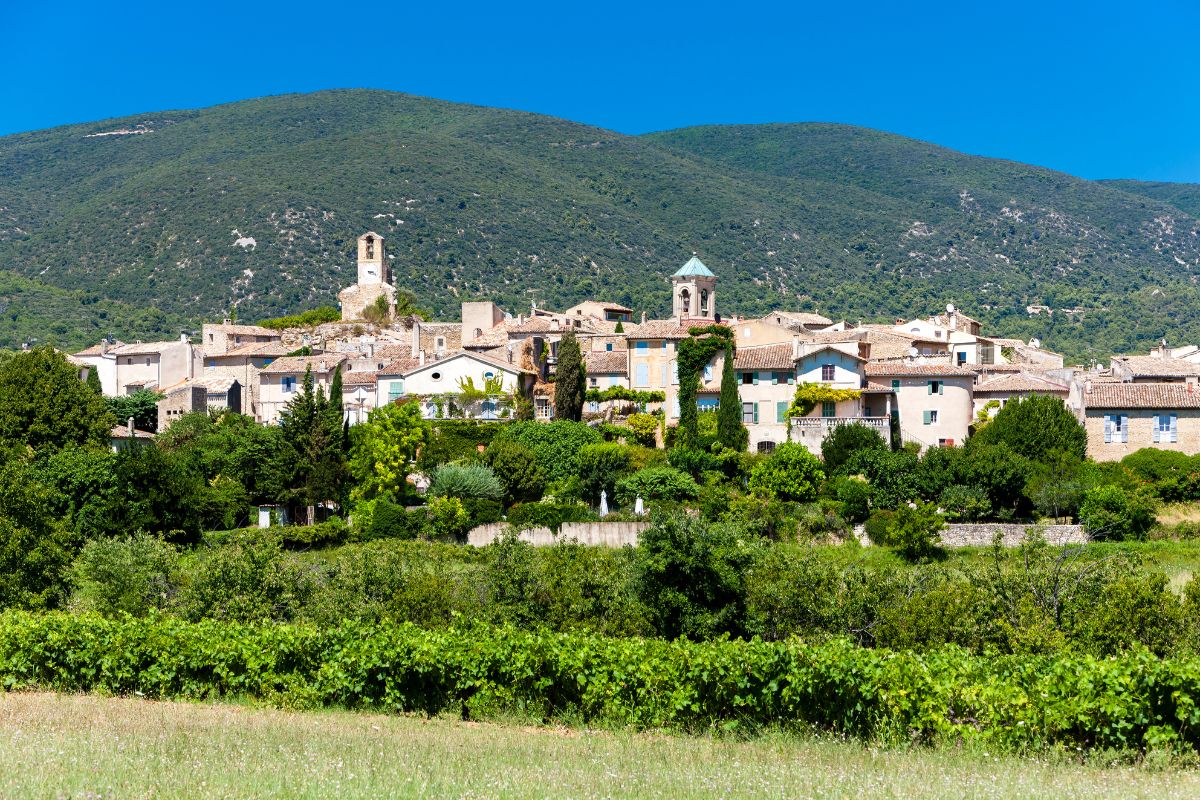
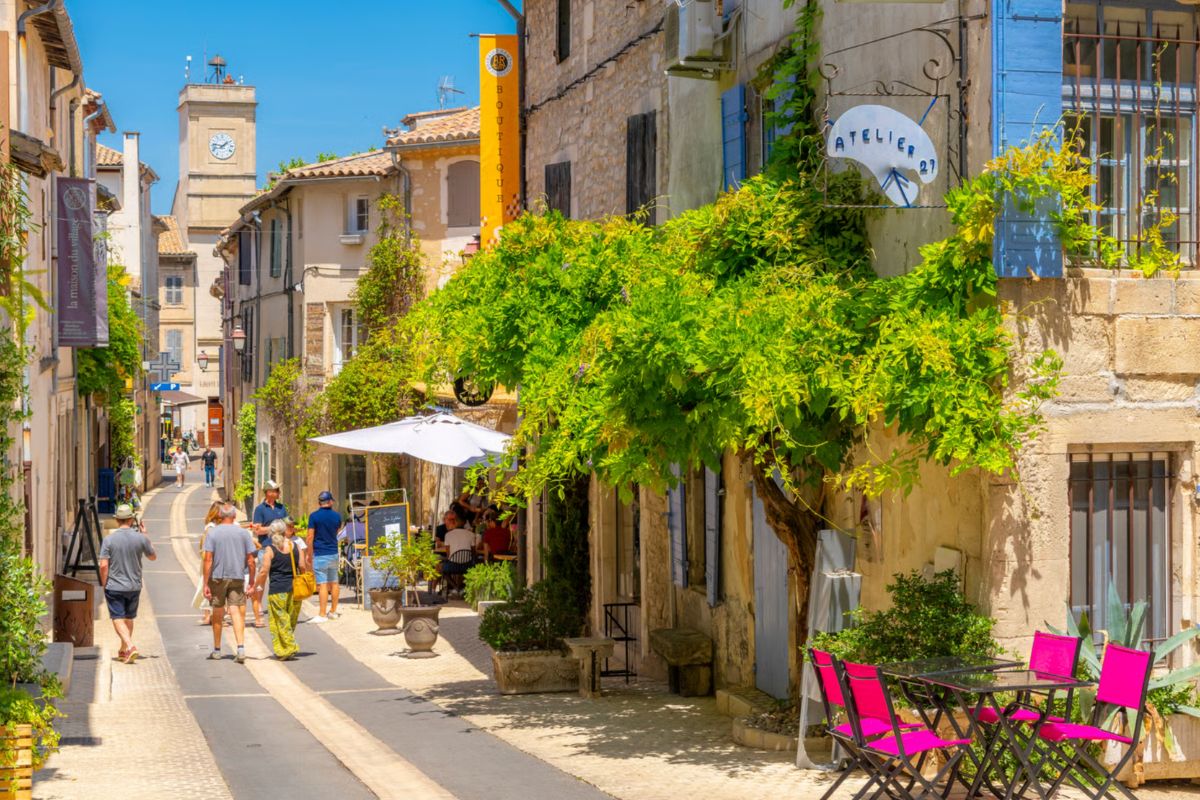
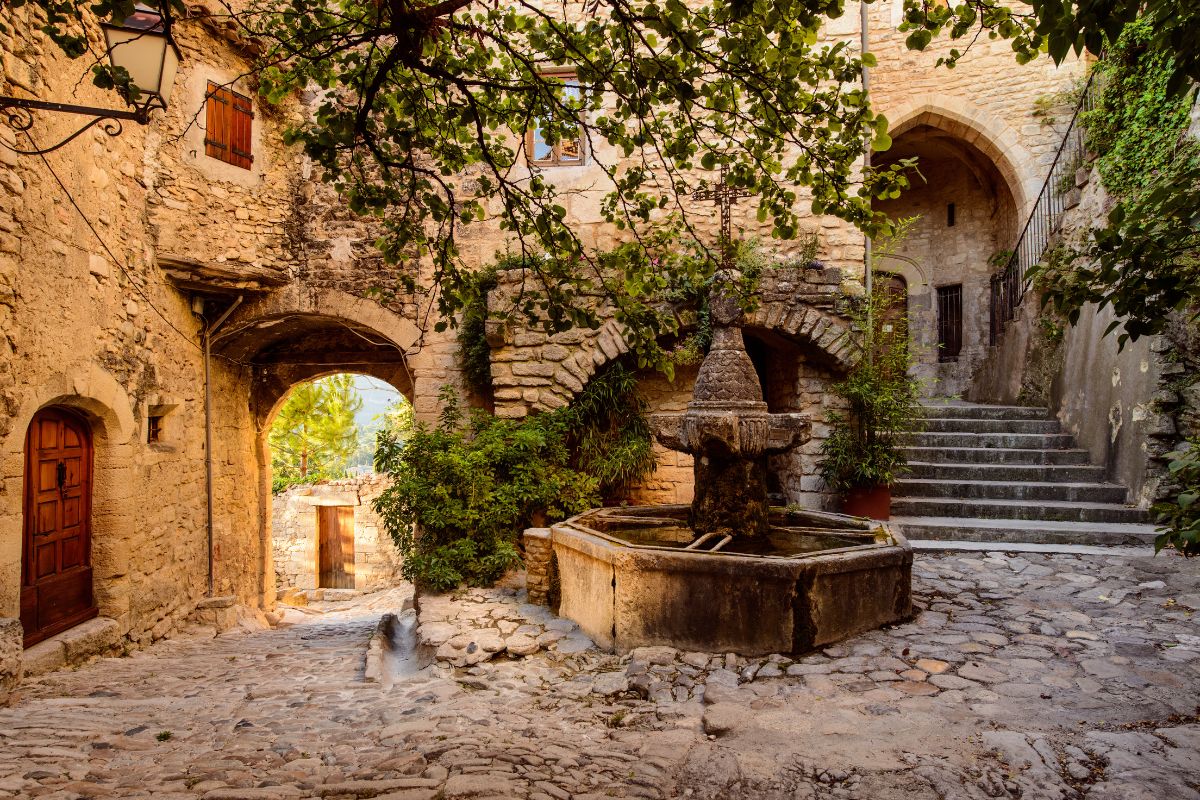
Five Provençal villages reward the early riser, when the morning still belongs to the people who live there: Eygalières and Saint-Rémy-de-Provence in the Alpilles, and Lourmarin, Ménerbes, and Gordes in the Luberon. Arrive before the day’s visitors, and you find the village at its truest — the baker, the café terrace, the fountain, and the first light on old stone.

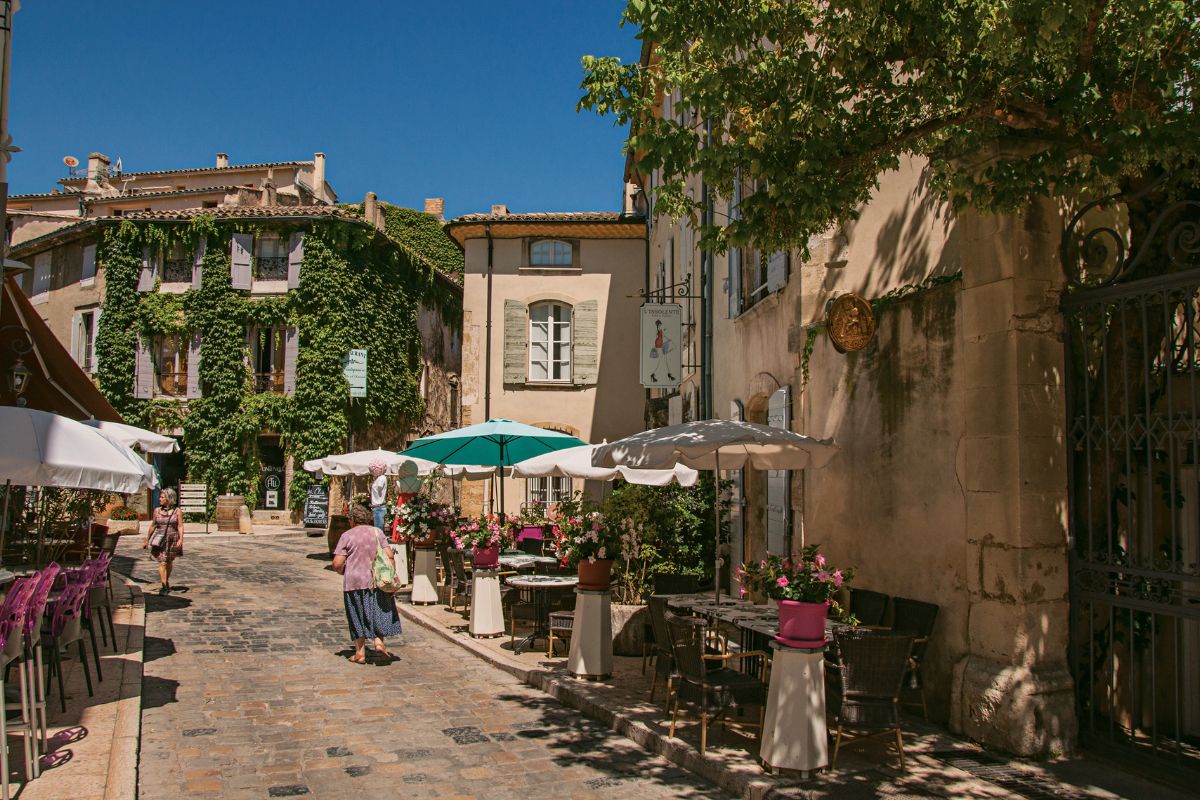
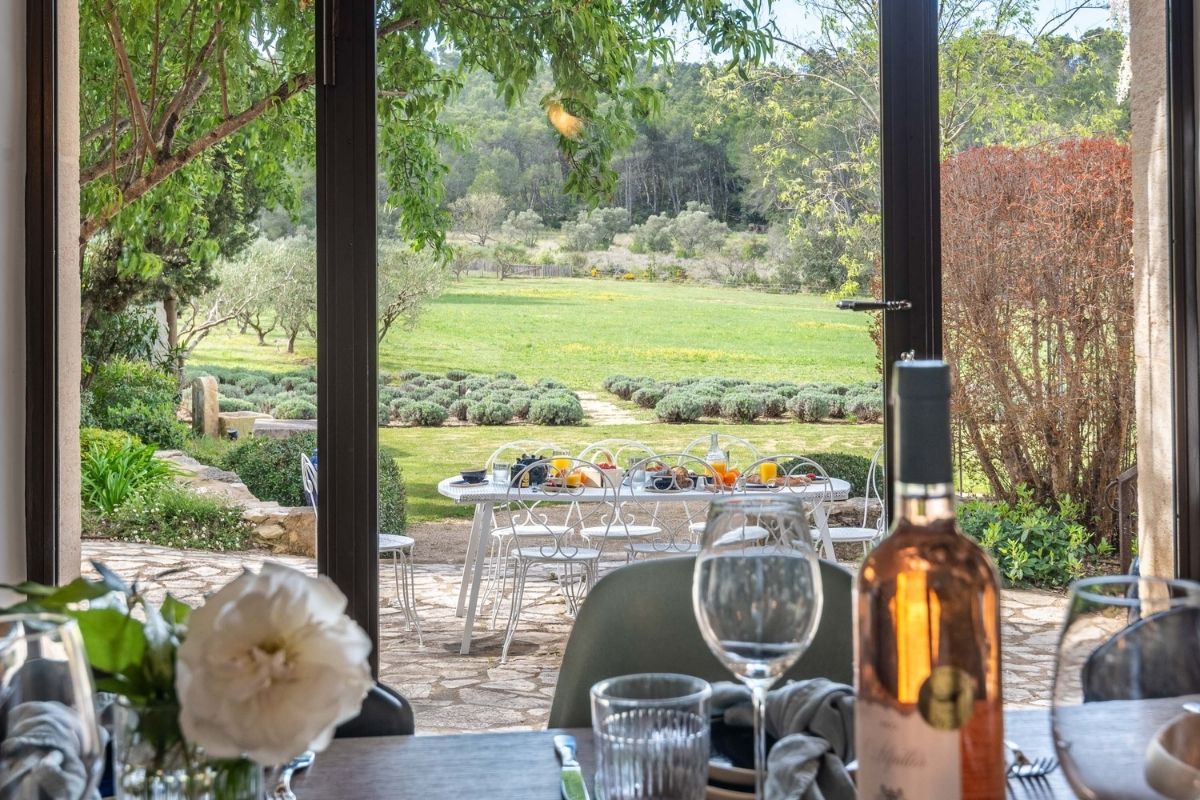
Provence is at its most photographed by mid-morning and at its most honest, an hour before. The villages that fill with visitors by ten o’clock are, at seven or eight, still going quietly about their own business: shutters opening, bread arriving, a handful of residents gathering over coffee before the heat and the day set in. The difference between seeing a village and belonging to its morning is largely a matter of timing — and of waking somewhere close enough to be there early.

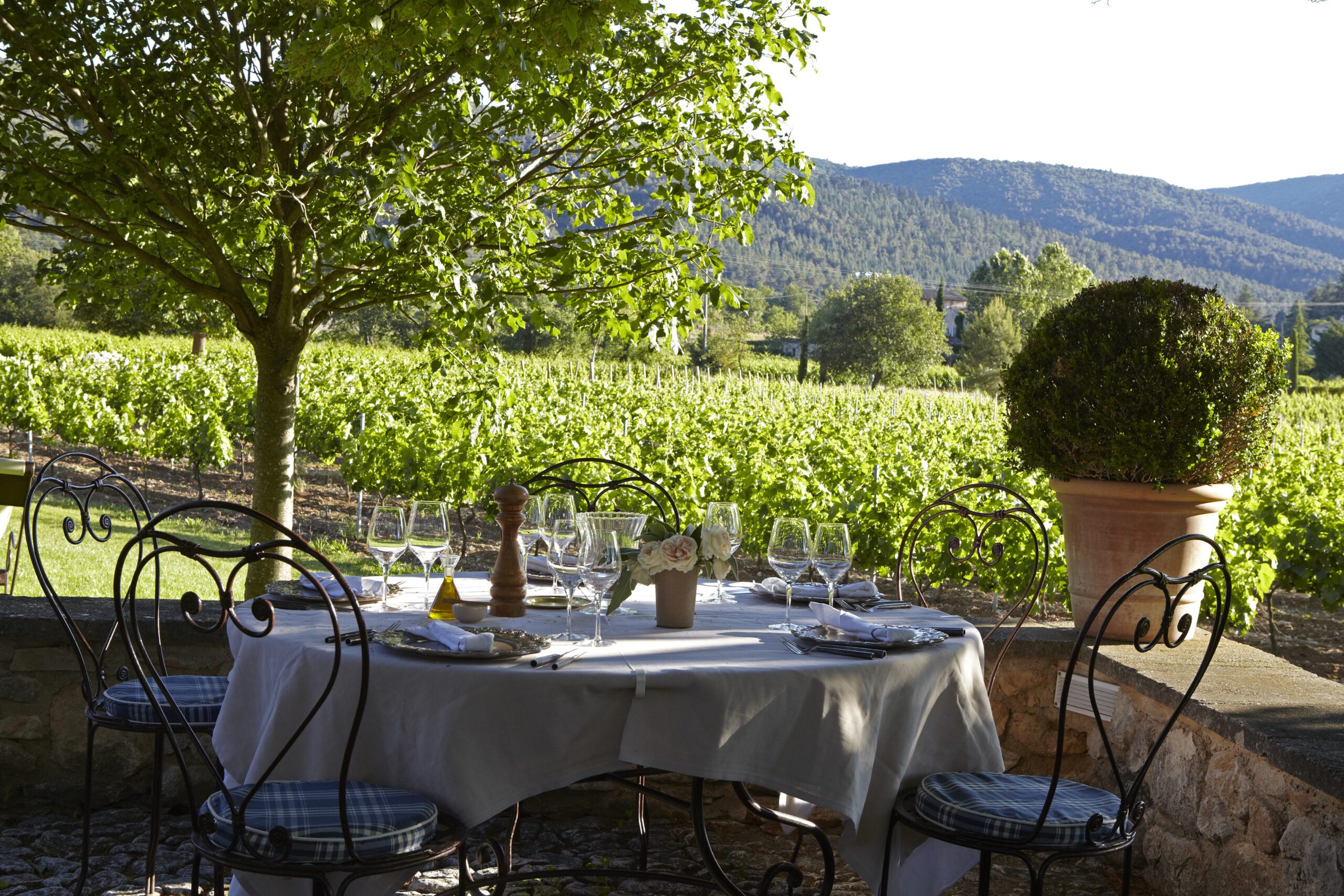
That is the advantage of a villa over a day trip. Staying nearby, rather than driving in from afar, is what places you in the square at first light, when the lanes are cool and empty and the village is simply itself. The five below are among our favourites for exactly that hour.

Ménerbes — the Luberon

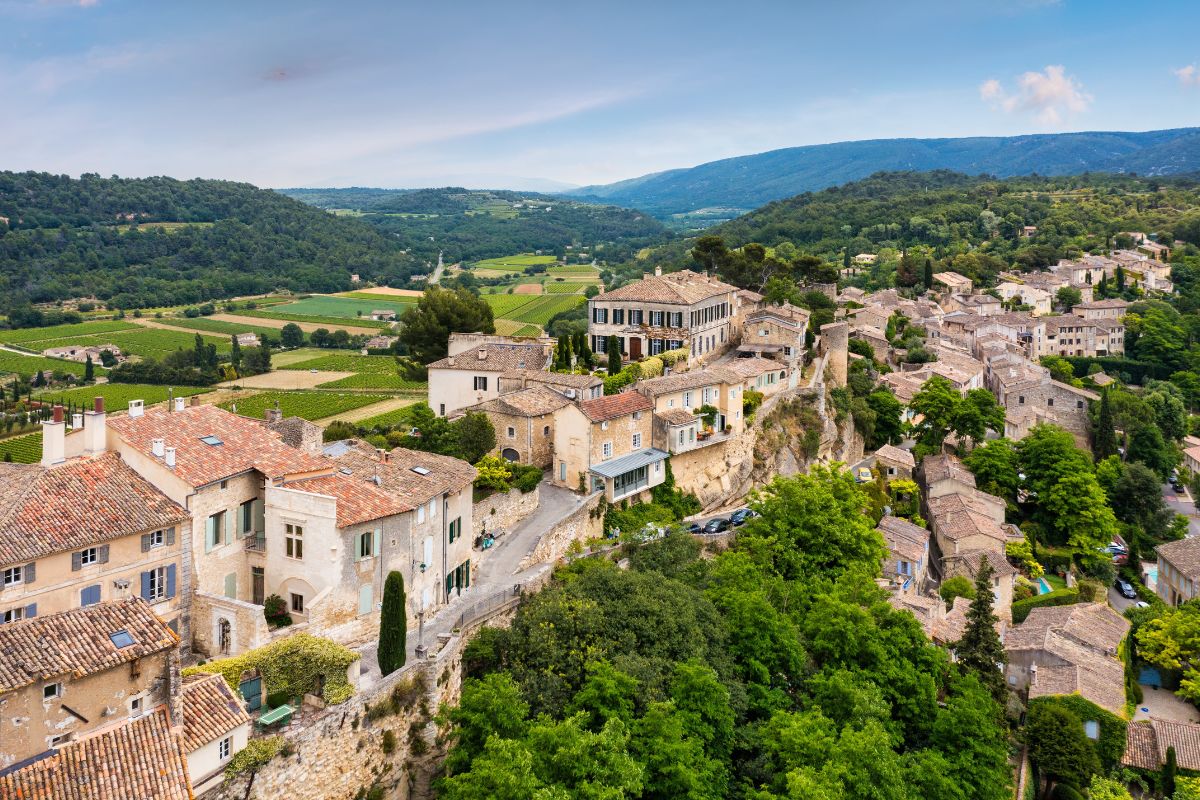
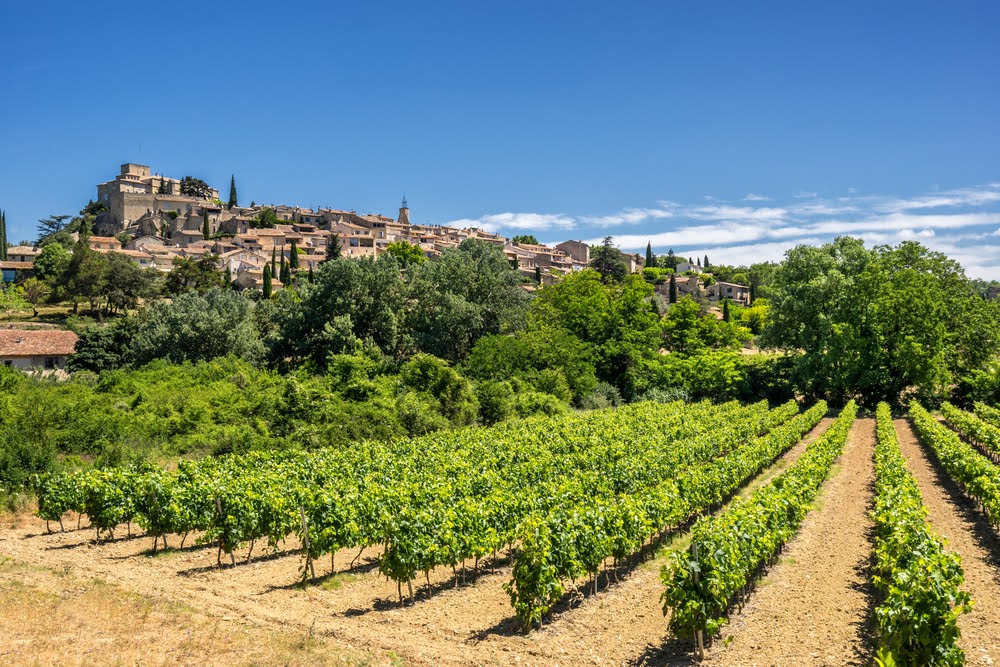
Ménerbes offers the quietest morning of the five. A walled village of around one thousand residents, strung along a narrow ridge in the heart of the Luberon and counted among the Most Beautiful Villages of France, it has few streets and fewer crowds — and in the early hours it is often silent but for birdsong and a shutter opening somewhere below.

The village is ancient: its name recalls Minerva, and it stood on the Roman Via Domitia that once crossed the Luberon. Its most dramatic chapter came during the Wars of Religion, when a small Protestant garrison held the citadel through the longest siege of that conflict, from 1573 to 1578, against far greater Papal forces. In quieter centuries it became a haven for artists, among them Dora Maar and Nicolas de Staël, drawn by the light and the seclusion. From the village’s edges the vineyards and orchards of the valley fall away on either side, and the dawn light lies long and gold across them. Ménerbes has long been associated with the wine and the truffle of the Luberon, a heritage it wears quietly. Its small market keeps to Thursday mornings; the rest of the week, the village asks nothing of you but to walk it slowly.

Below the village, reached by a narrow road, stands the Abbaye Saint-Hilaire, a small former Carmelite convent from the thirteenth century, partly carved into the rock, facing the Luberon across its terraced olive slopes. Little visited and deeply peaceful, it is among the oldest of its kind in the region, and in the morning quiet you may well have its cloister to yourself.

Lourmarin — the Luberon

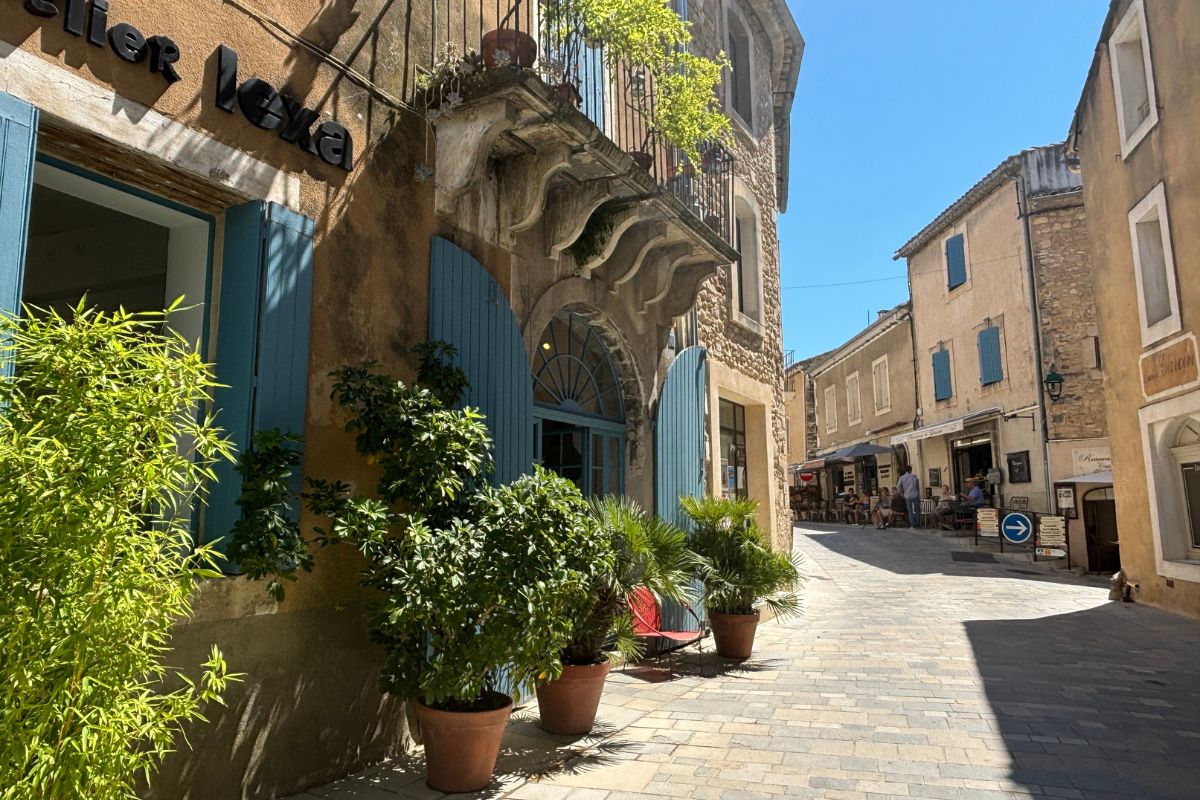
Lourmarin is at its loveliest before its cafés fill. A village of about one thousand residents at the southern foot of the Luberon, and one of the officially designated Most Beautiful Villages of France, it gathers around a Renaissance château beneath long avenues of century-old plane trees.

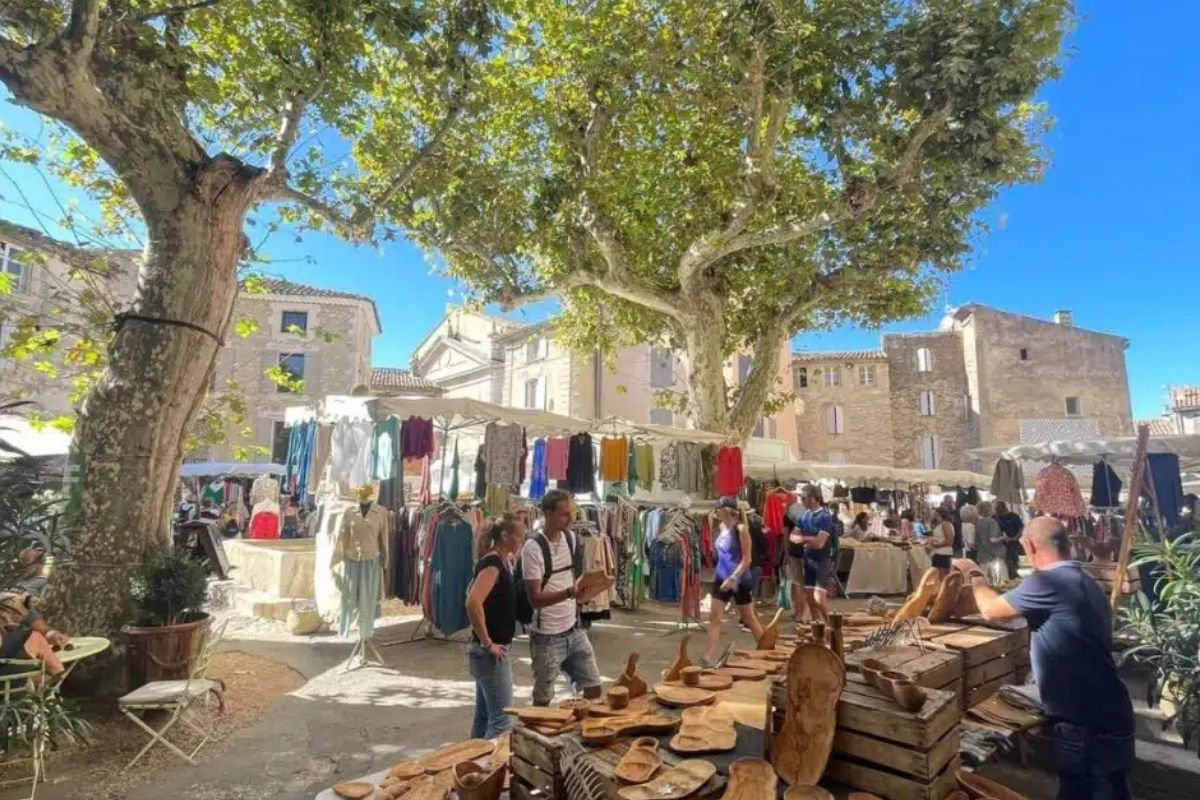
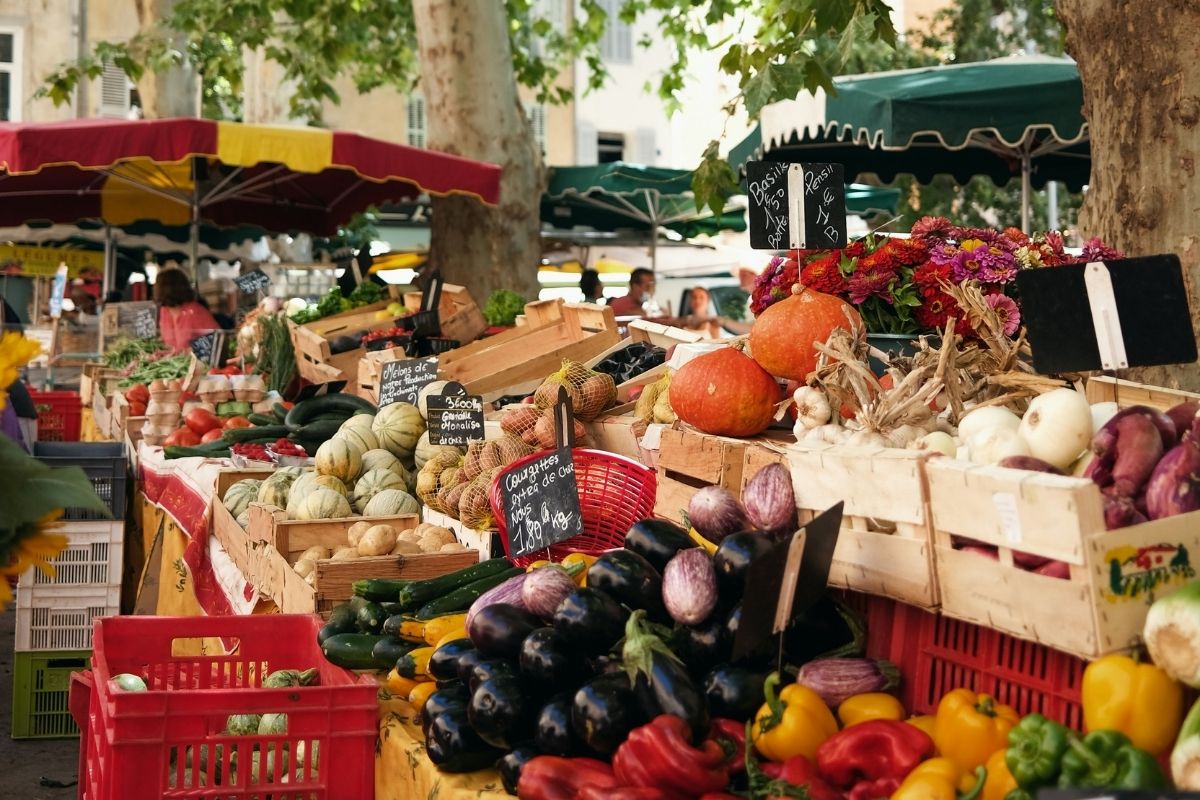
The village has been settled for a thousand years, first as a staging post below the pass that cuts through the Luberon. Its château, rebuilt between 1480 and 1526, is held to be the first Renaissance château in Provence, and later, a quiet town renowned as a haven for writers. Walk the lanes early, before the terraces are busy, and the village belongs to its residents: shutters opening, bread arriving, the day beginning without hurry. The Friday market is generous and much loved, spilling beneath the plane trees, and it draws a crowd, so the early hour is the one to keep.

Seek out the village cemetery, quiet and unassuming at the edge of the houses. Here lie two writers who made Lourmarin their home, Albert Camus and Henri Bosco, their graves plain among the rest. It is an understated place, and in the stillness of the morning a fitting one — a reminder that this village has long drawn those who came simply to think, and to stay.

Eygalières — the Alpilles

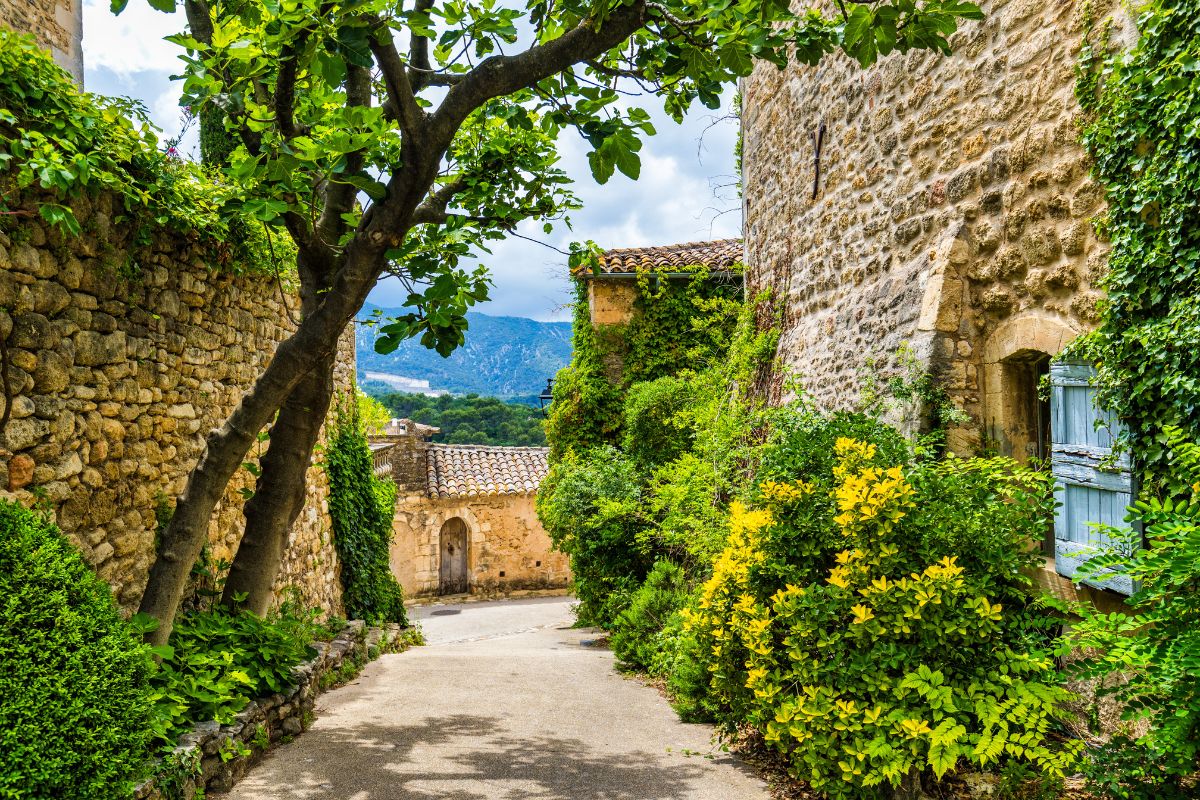
Eygalières keeps its mornings quiet longer than most of the Alpilles. A perched village of roughly one thousand eight hundred residents, about fifteen minutes east of Saint-Rémy-de-Provence, it has long drawn those who prefer their Provence discreet — and at first light it belongs entirely to the people who live there.

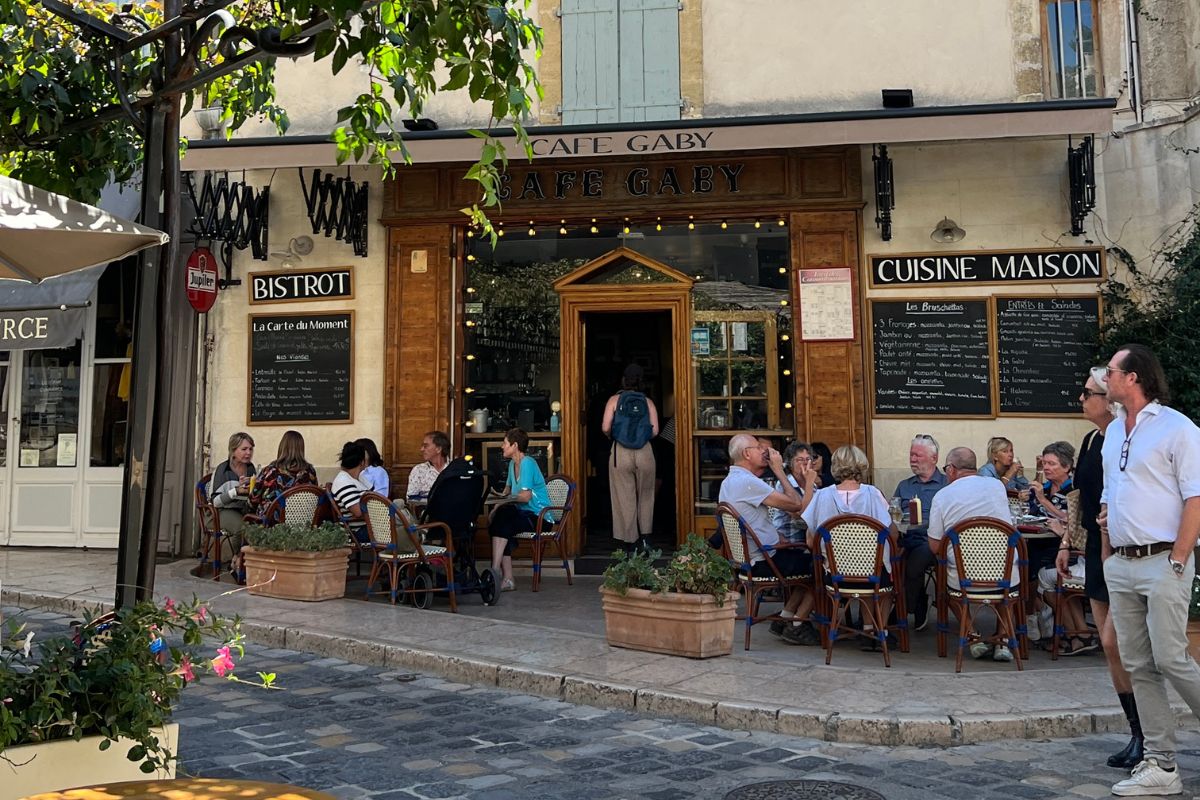
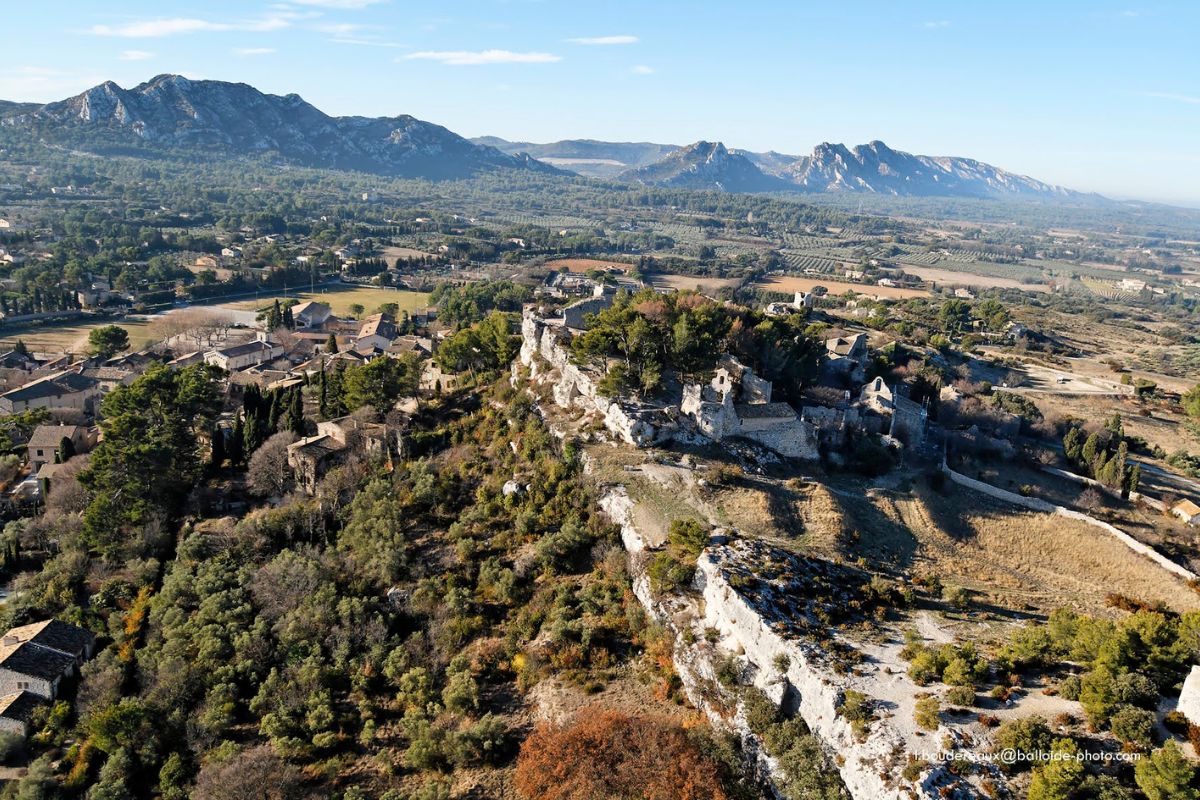
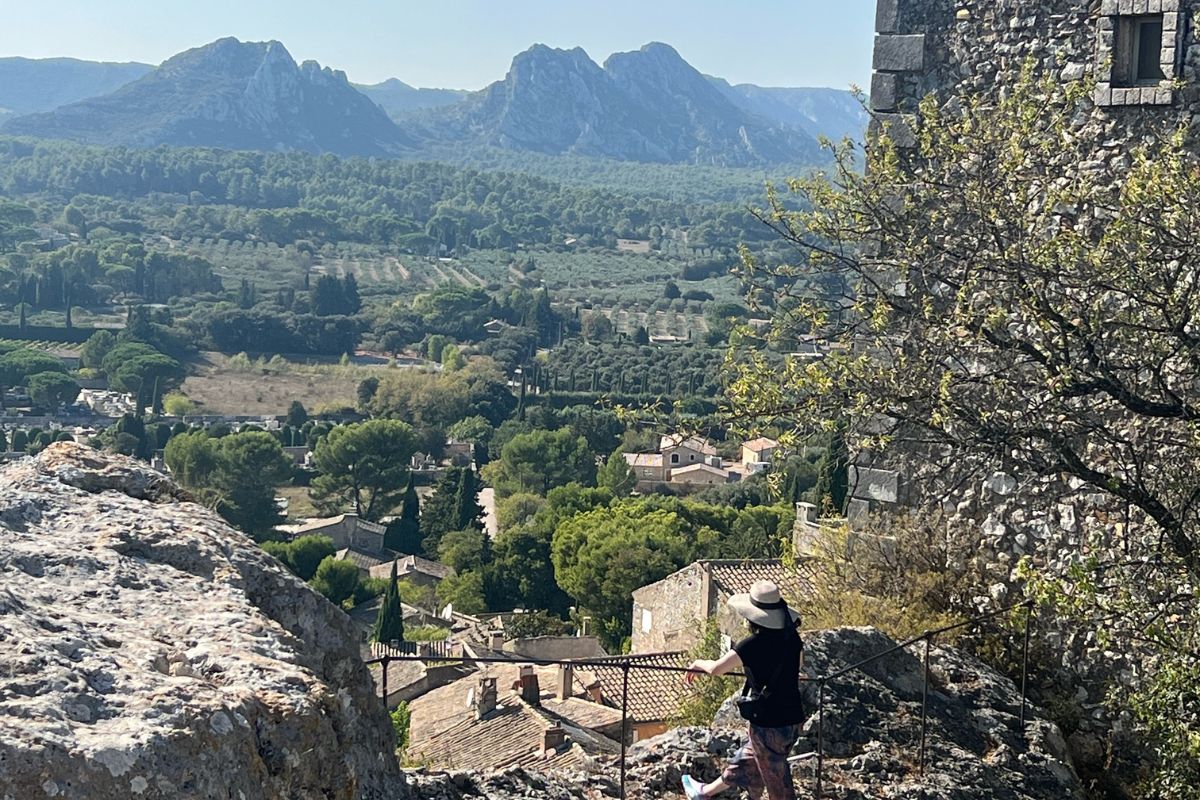
The old village climbs to a rocky summit crowned by the ruins of its medieval château and ramparts, with a clock tower and the former church among the stones. Settlement here reaches back well before the Middle Ages, drawn by the springs that gave the village its name. Today the lower village holds the cafés and the daily life; the upper village holds the view, opening across olive groves and vineyards to the Alpilles and the distant Durance. Come early, and the lanes are still cool, the baker first to open, a handful of residents gathering before the day warms. The Friday market is small and carefully kept; on any other morning, the village is simply itself.

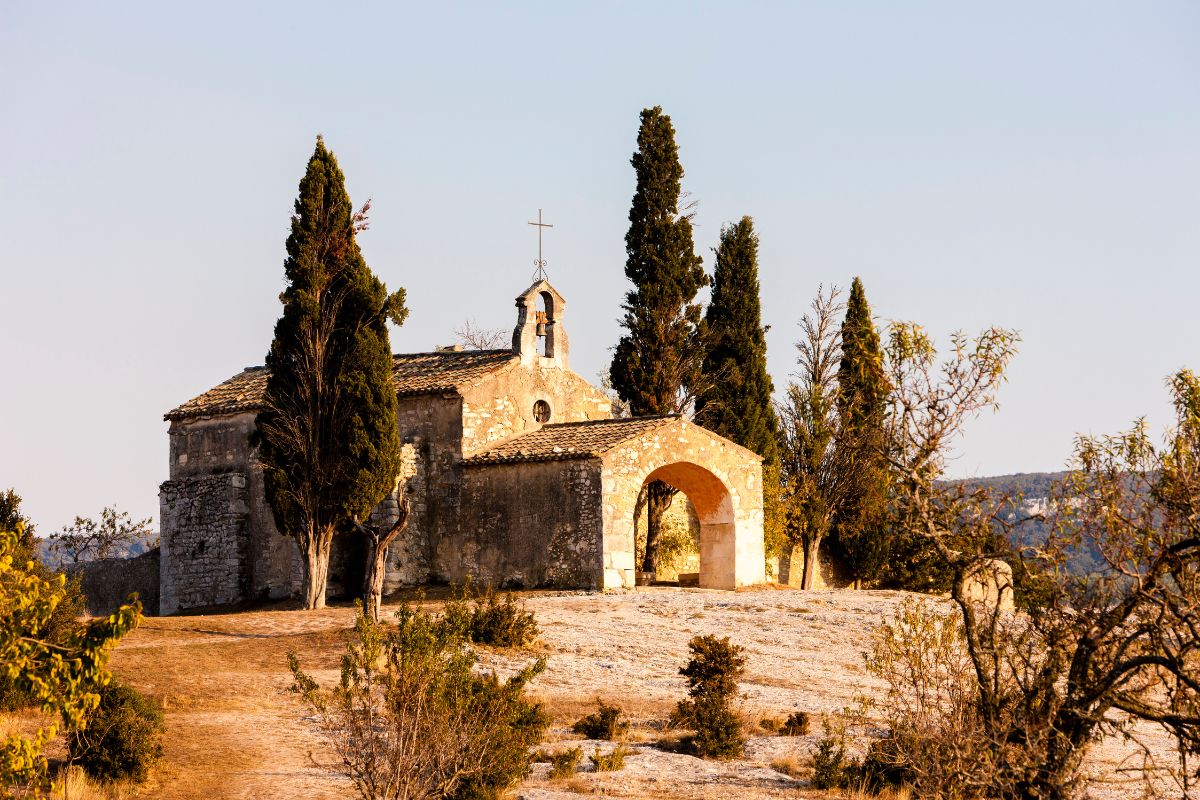
A quieter discovery lies just east of the village. The Chapelle Saint-Sixte, a plain Romanesque chapel from the twelfth century, stands alone among cypresses on a low rocky rise, built beside an ancient spring where a far older sanctuary once stood. Few places in the Alpilles reward an early walk more; arrive before the day, and you will likely have it, and the silence around it, to yourself.

Gordes — the Luberon

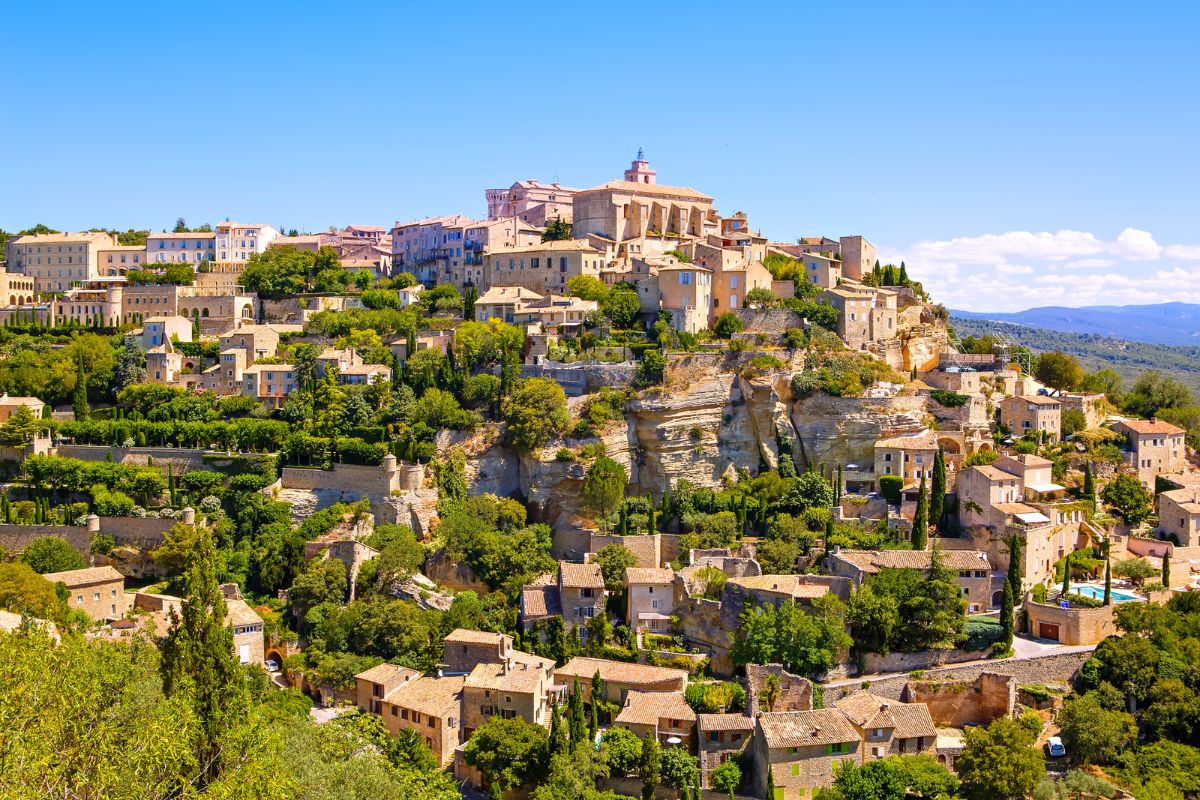
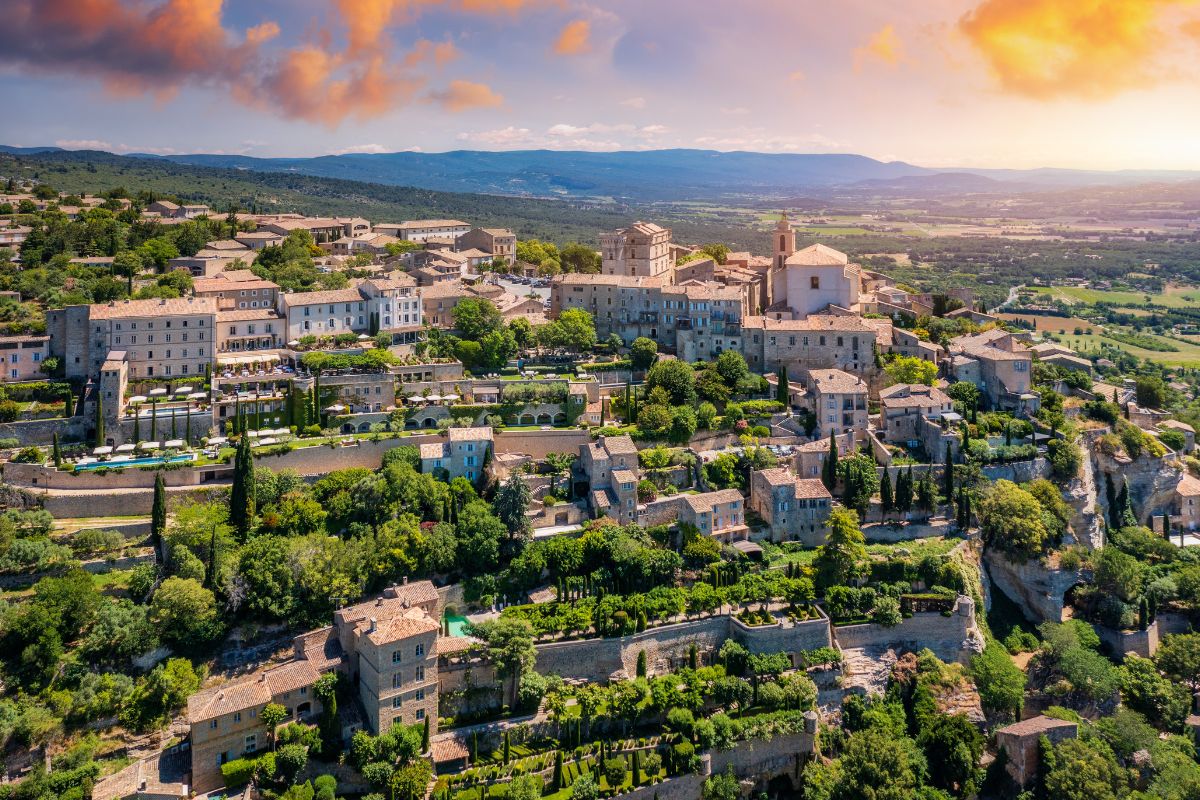
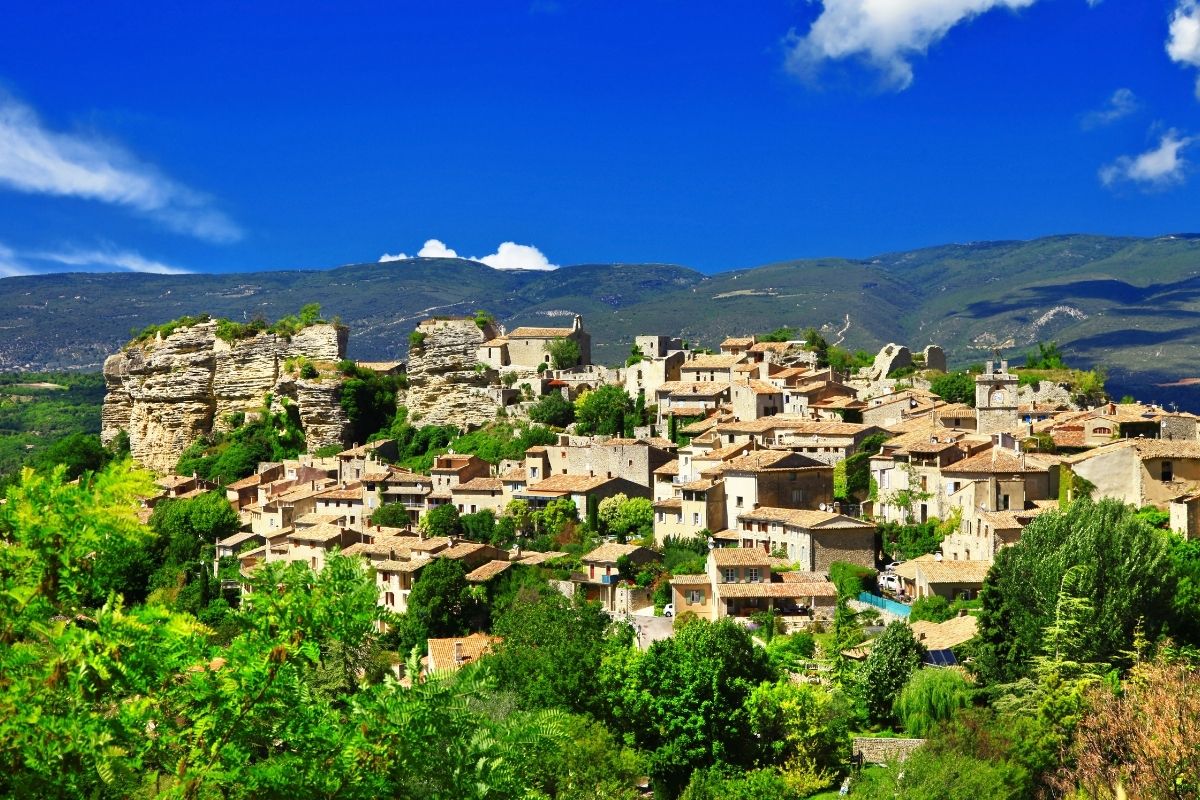
Gordes demands an early start, and repays it. The most photographed of the hilltop villages — its pale stone houses stacked in tiers beneath a Renaissance castle, home to fewer than two thousand residents — draws visitors throughout the day, but at first light it is quiet, the great viewpoint empty, the valley still holding the cool of the night.

The village has crowned this rock since the Middle Ages, its houses built from the very stone they stand on, its castle rebuilt in the sixteenth century on eleventh-century foundations. Below it, a few minutes down the hill, the Cistercian abbey of Sénanque has stood since 1148 and is still home to monks who tend the lavender before it — most serene, like the village, in the early hour. Arrive before the coaches, and the lanes, the castle square, and the panorama across the Luberon are yours. The market fills the square on Tuesday mornings and the village is busiest then; on any morning, however, the earliest hour is the one that still belongs to Gordes itself.

A short drive from the village lies the Village des Bories, an open-air hamlet of some twenty dry-stone huts once used by shepherds and farm workers, built without mortar from flat local limestone. Restored and protected since the 1970s, it is quiet in the early day, and it tells a humbler, older story of the Luberon than the grand village above — the Provence of those who worked the land, in the stones they raised by hand.

Saint-Rémy-de-Provence — the Alpilles

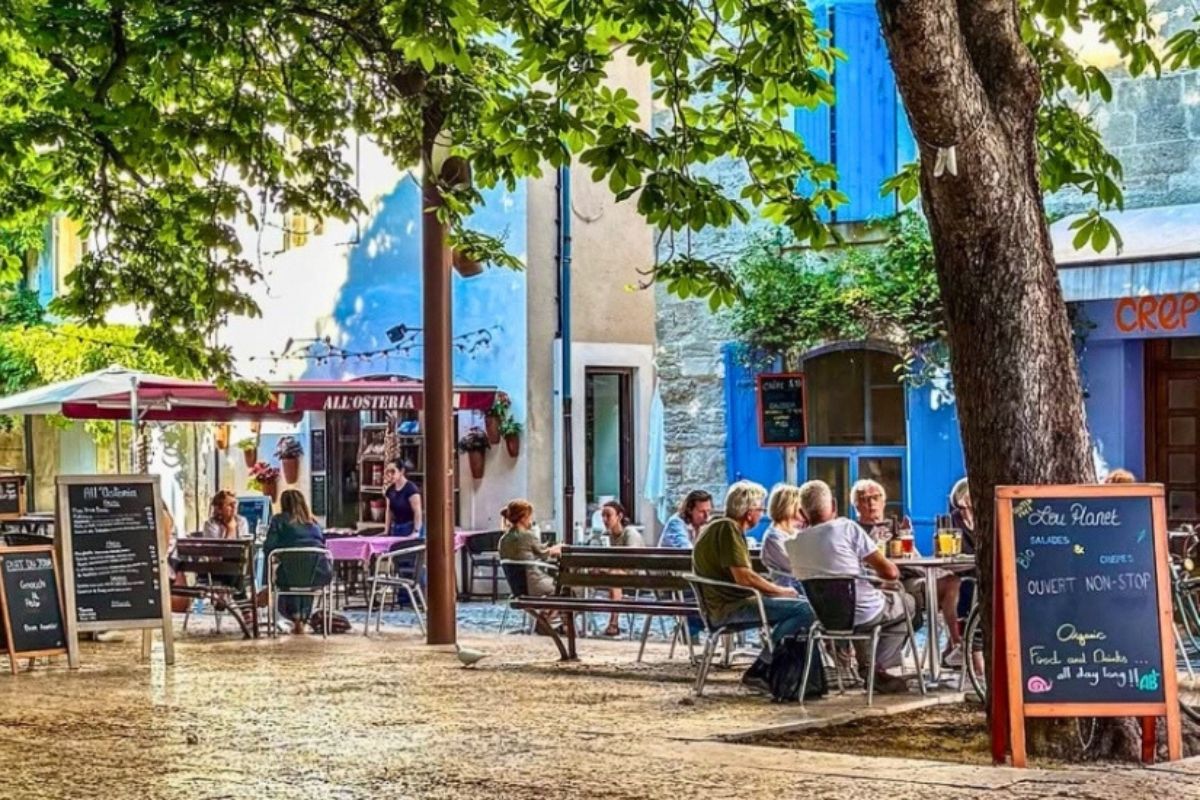
Saint-Rémy-de-Provence rewards the visitor who arrives before the town wakes. The principal town of the northern Alpilles, with around nine thousand six hundred residents — a number that swells through summer — it is larger and livelier than the hilltop villages, yet in the first hours its plane-lined boulevards and inner lanes are cool, quiet, and nearly empty.

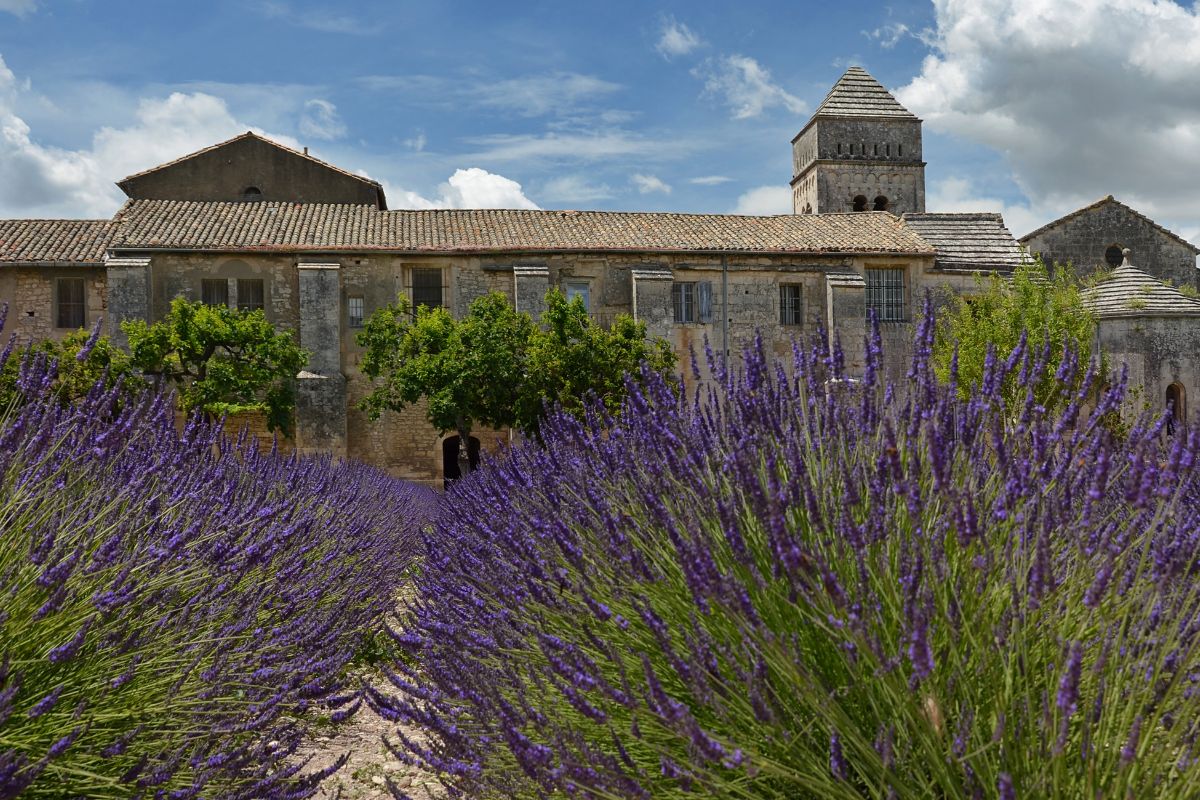
Few small towns in Provence carry as much history. Saint-Rémy grew beside Glanum, a Gallo-Greek and then Roman city whose mausoleum and triumphal arch — known as Les Antiques — have stood at the southern edge of the town since the first century before our era, and may be seen freely at the roadside. Nostradamus was born here in 1503, and it was at the monastery of Saint-Paul-de-Mausole, on the town’s edge, that Van Gogh spent a year from 1889 and painted some one hundred and fifty canvases, among them The Starry Night. In the early hour the cafés set out their chairs beneath the planes, the lanes are quiet enough for footsteps, and the Wednesday market, one of the largest in Provence, has yet to fill the squares.

For the quietest morning of all, walk out to Saint-Paul-de-Mausole before the town stirs. The former monastery, its Romanesque cloister and garden little changed, still looks onto the wheatfield and cypresses Van Gogh painted from his window, with the Roman ruins of Glanum just beyond. In the low early light, the olive groves silver and the Alpilles behind, it is as close as one may come to the Provence he saw.

Find a private villa in your dream village

The quiet hour in these villages is largely a matter of where you wake. Staying in a villa nearby, rather than driving in from a distance, is what lets you stand in Eygalières or Gordes at first light, before the day arrives. Tell a Villa Rental Specialist which part of Provence draws you — the Alpilles or the Luberon — and they will match you to a house within easy reach of these villages, and arrange whatever the mornings call for: a local guide, a table for lunch, an early start with the car ready. Speak with a Villa Rental Specialist, and wake where the morning is still local.

Frequently Asked Questions About One Week in Provence

Eygalières and Ménerbes are among the quietest at the early hour, particularly before the day’s visitors arrive, with Ménerbes the most peaceful of the five. Lourmarin and Saint-Rémy-de-Provence are larger and livelier but hold their calm in the sunrise hours. A Villa Rental Specialist can suggest a villa within reach of whichever you prefer.

The early morning, before roughly ten o’clock, is the quietest time in most Provençal villages, and earlier still on market day. Popular villages such as Gordes and Lourmarin fill from mid-morning, so arriving at first light — ideally from a villa nearby — is the surest way to experience them at their calmest.

Each village has its own market morning: Gordes on Tuesday, Saint-Rémy-de-Provence on Wednesday, Ménerbes on Thursday, and both Lourmarin and Eygalières on Friday. Markets run from around eight in the morning until one. Villages are busiest on their market day, so arrive early if you wish to enjoy both the market and the quiet.

They lie in two neighbouring areas. Eygalières and Saint-Rémy-de-Provence sit in the Alpilles, while Lourmarin, Ménerbes, and Gordes belong to the Luberon, a little to the north-east. Both areas feature in the Only Provence collection, and a Villa Rental Specialist can place you wherever suits the villages you most wish to wake beside.

Saint-Rémy-de-Provence suits a first visit especially well: larger than the hilltop villages, with its cafés, lanes, and Roman and artistic history, it offers a full sense of Provence in one place. For a smaller, quieter first impression, Eygalières is often described as Saint-Rémy in miniature. A Villa Rental Specialist can advise based on your plans.

The Only Provence collection includes villas throughout the Alpilles and the Luberon, within easy reach of all five villages. Describe the mornings you have in mind to a Villa Rental Specialist, who will match you to a house nearby and arrange the details of the stay. The most sought-after villas are reserved well ahead for peak weeks, so it is wise to enquire early.

Recent Articles You Might Enjoy

A distinct collection of luxury villa rentals and real estate for sale in the South of France
- offering all comforts and amenities - pool, housekeeping, and chef services.

© 2026 Only Provence

Jumping the Picket Fence Light Through the Cracks

Only Provence co-founder Lydia Dean writes about their experiences raising a family, building a business in Provence, and later combining the love of travel with giving back in "Jumping the Picket Fence". In 2021, she published "Light Through the Cracks," a continuation of her journey, much of which has been based in Provence. Both books are available Amazon, Amazon.uk, and Amazon.Fr.