
Where to Stay in Provence: Luberon, Alpilles or Cities

Where to Stay in Provence: Hilltop, Vineyard or Village?

Written by the Only Provence Team • Last Updated September 03, 2026

Only Provence is an award-winning villa rental company with a collection of more than 200 luxury villas and châteaux throughout the Luberon and Alpilles. Combining deep local expertise with personalized service, we craft exceptional journeys tailored for discerning travelers.

Provence is not one place. Where to stay in Provence depends less on a map and more on how you want to wake up: to the hush of a stone village perched above the Luberon, to silver olive groves running toward the white cliffs of the Alpilles, or to a café terrace and a market square in Avignon, Aix, or L’Isle-sur-la-Sorgue. Each region keeps its own light, its own pace, and its own idea of a good morning.

That is the real question behind planning a stay here. Not “which is best,” but “which one is you.” Below, we compare the three corners of Provence where our villas gather, judged by the thing that shapes a holiday more than any guidebook: the first hour of the day.

The Hilltop Luberon: Mornings in the Perched Villages

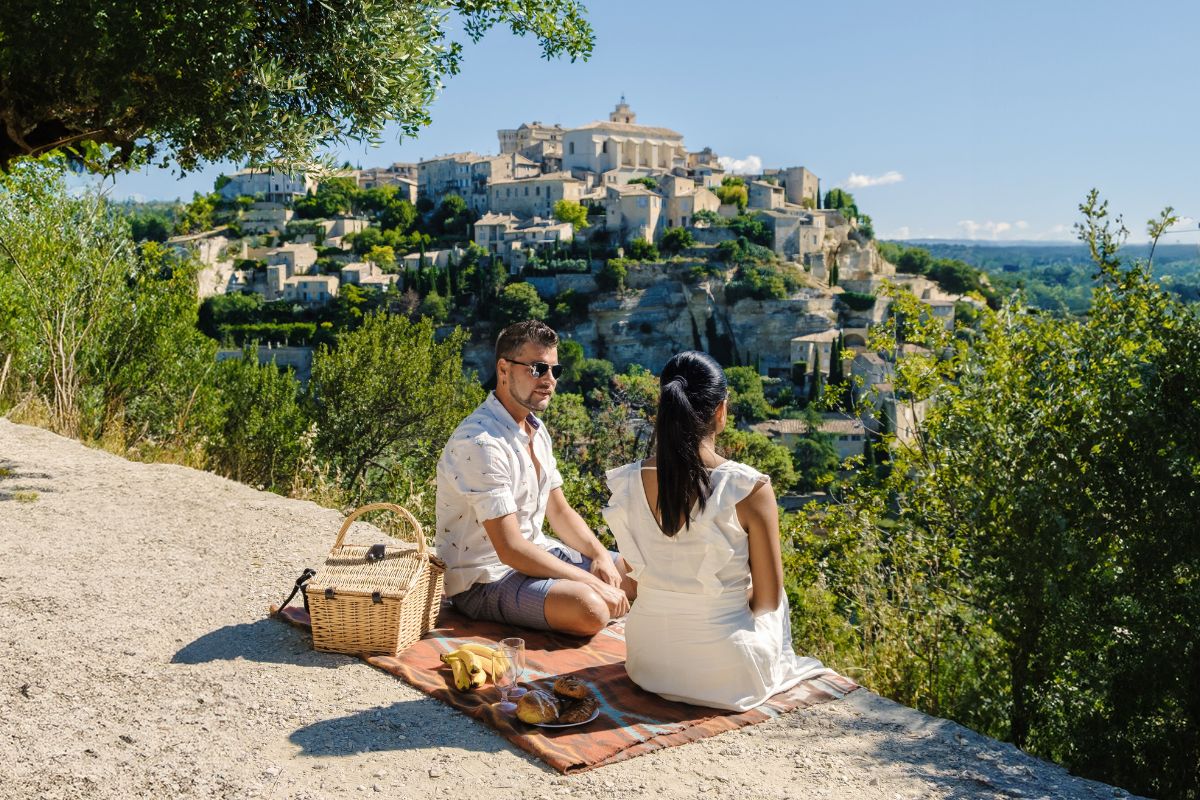
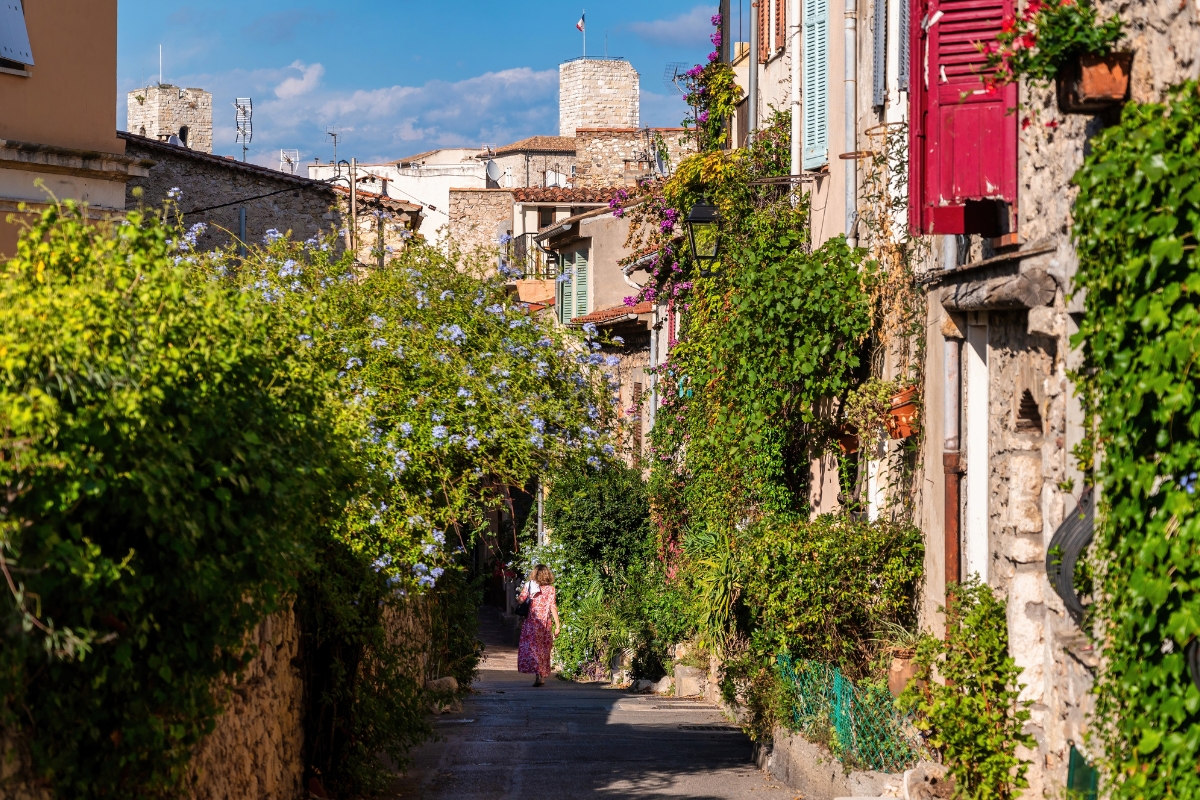
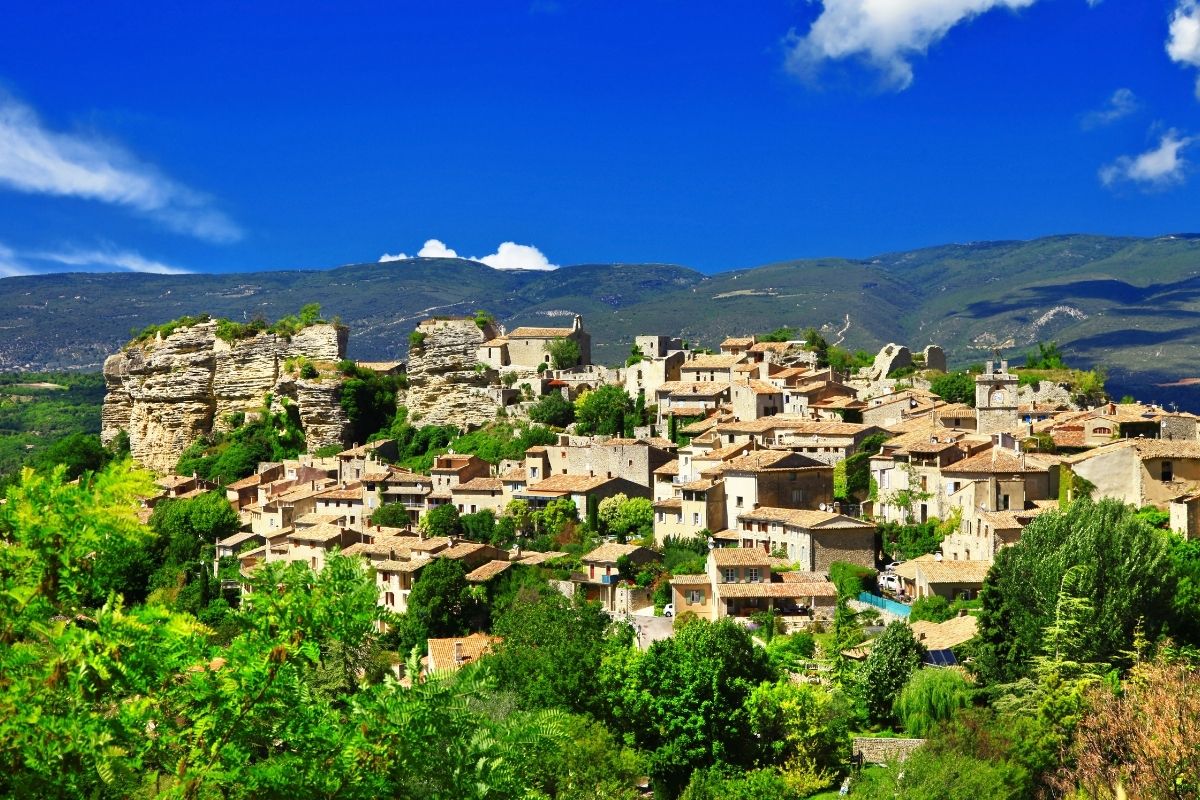
Stay in the Luberon if you want to wake up above the world. Mornings here begin with shutters opening onto valleys of vine and lavender, church bells carrying across the ravines, and a walk down to the boulangerie before the heat arrives. This is the Provence of golden stone villages and slow, unhurried market days.

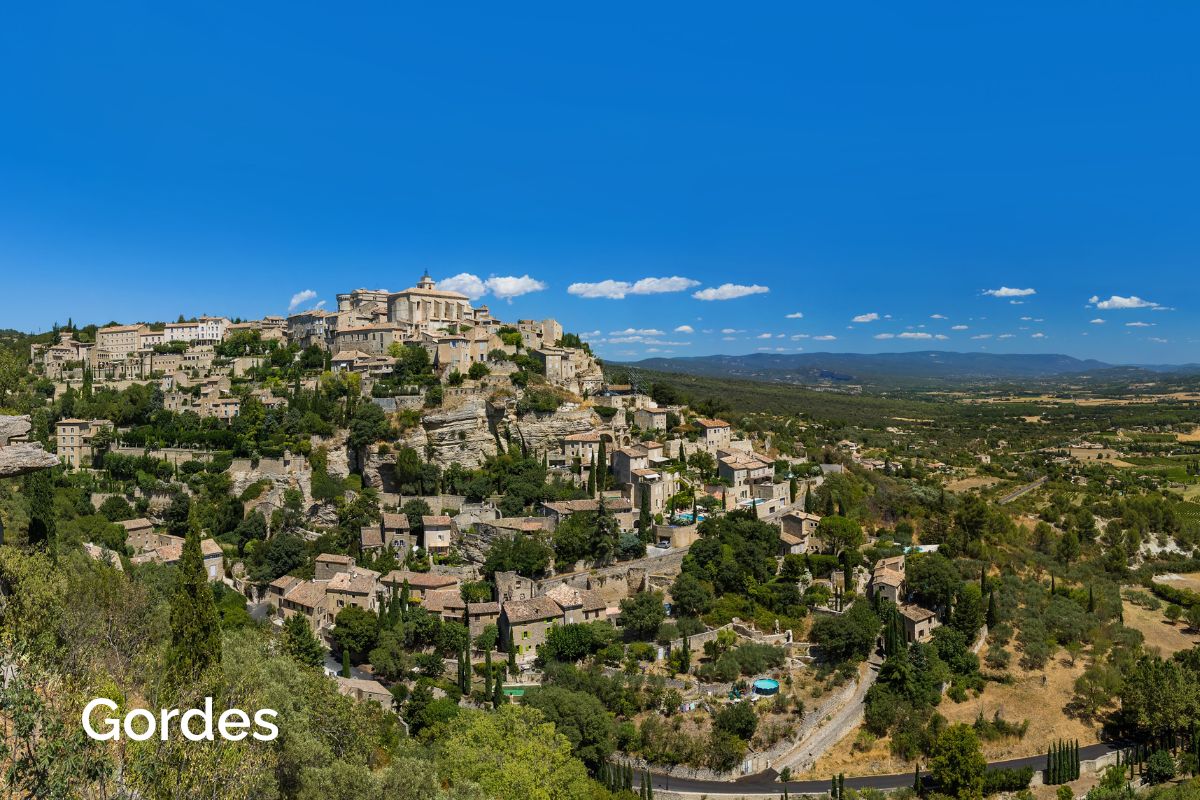
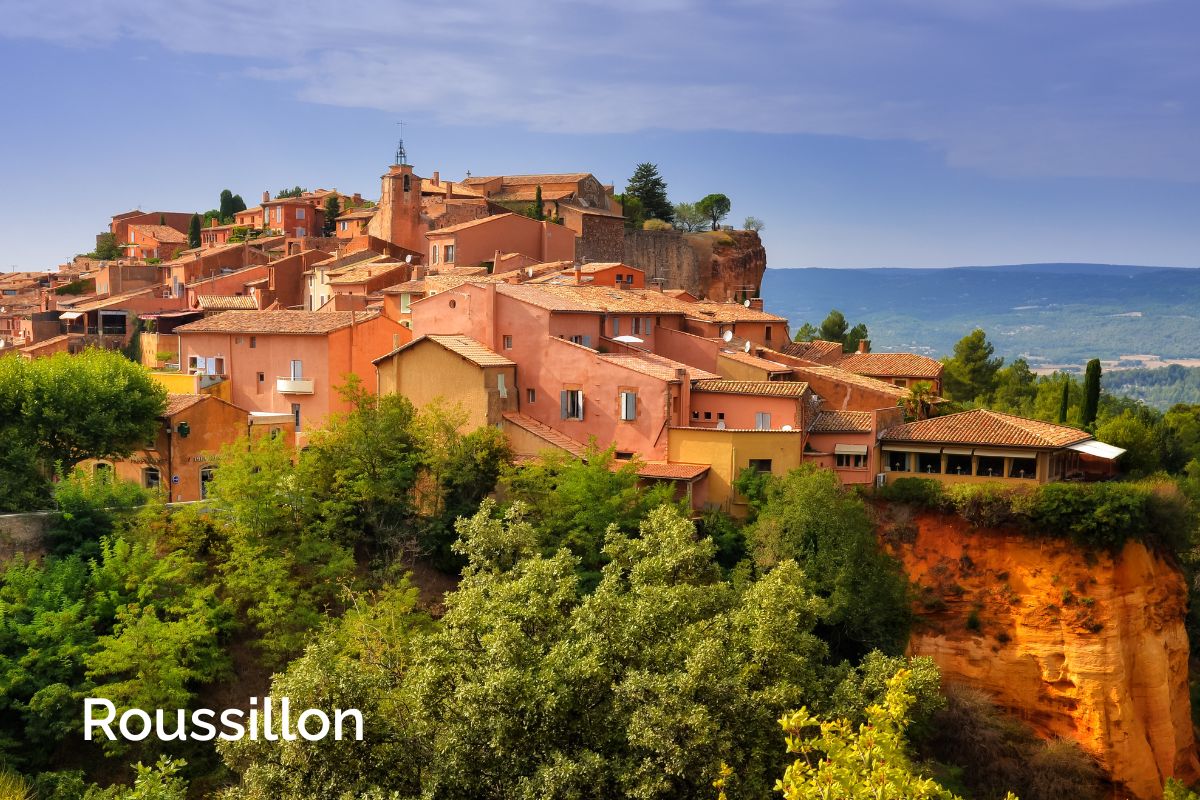
The Luberon sits within a protected regional natural park, and its villages hold onto their calm because of it. Gordes stacks its houses up a cliff face in tiers of pale limestone, with the Sénanque Abbey and its lavender fields hidden in a fold just beyond. Roussillon glows a deep terracotta red, its lanes cut from the same ochre once mined along the Sentier des Ocres below the village. Nearby, Rustrel opens onto the Colorado Provençal, a landscape of old ochre quarries in every shade of rust and gold.

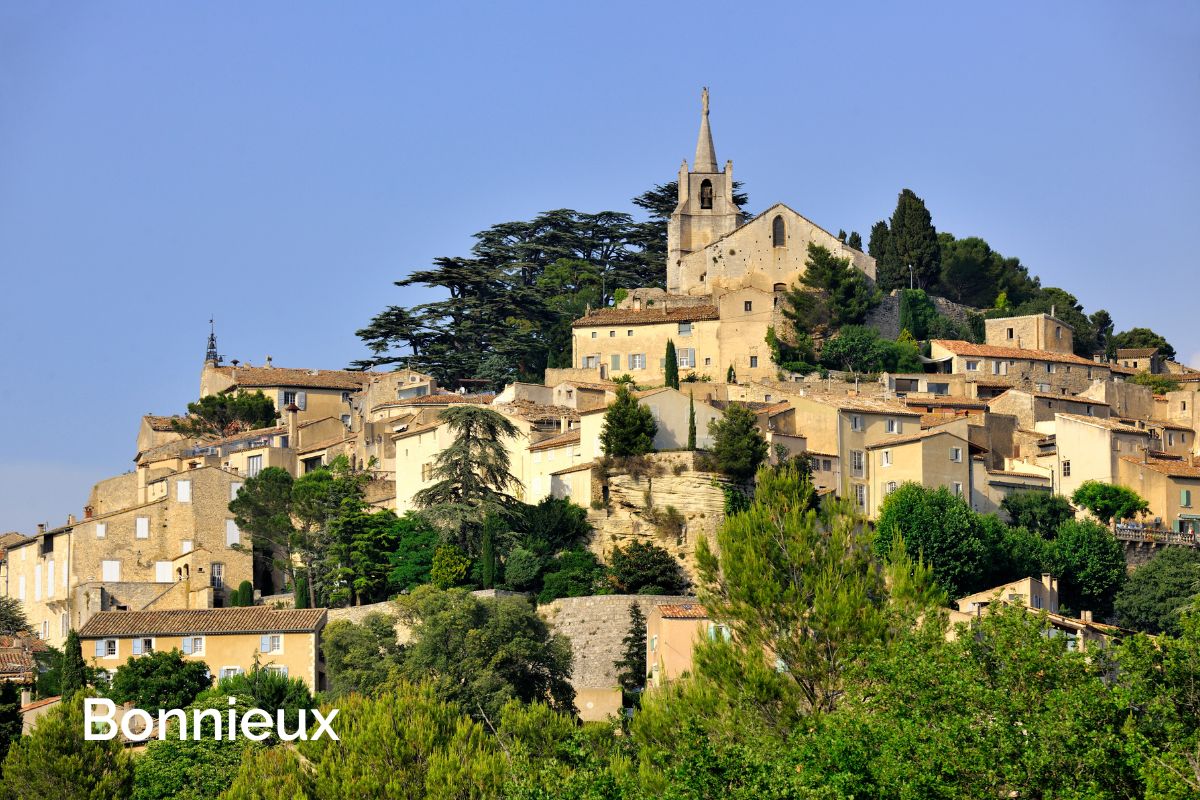
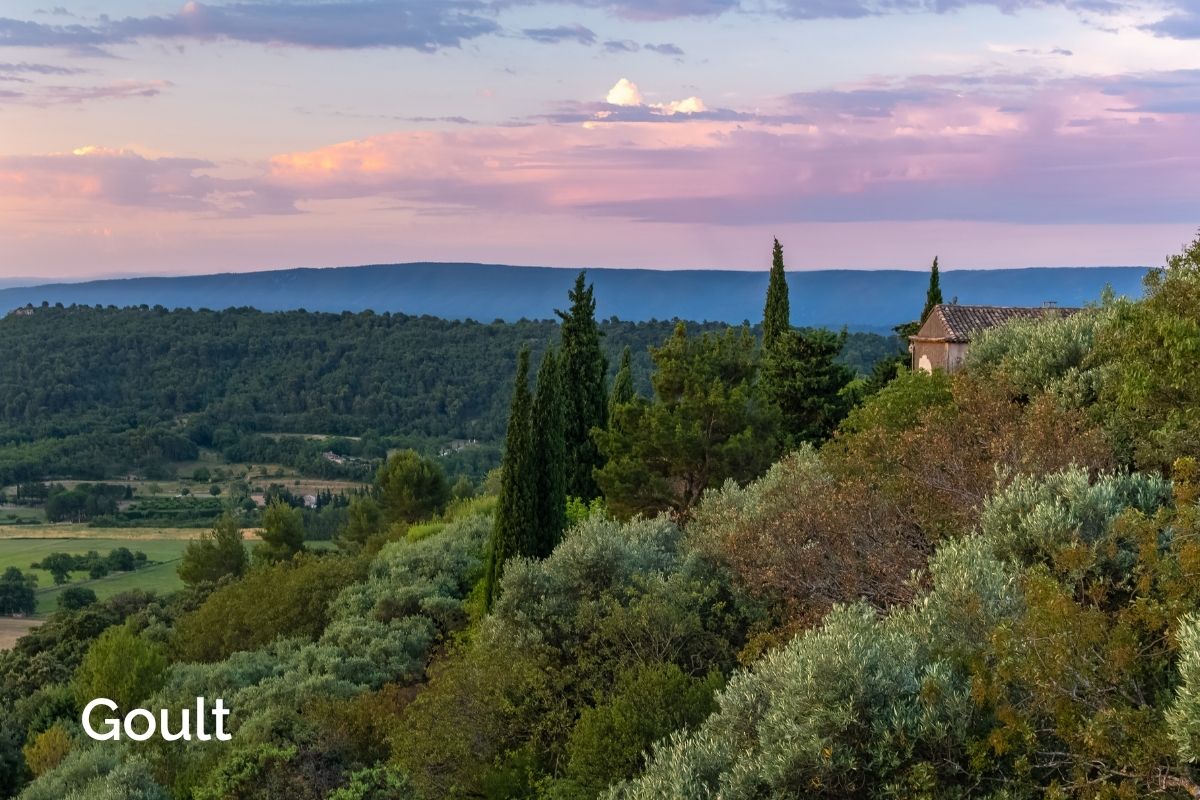
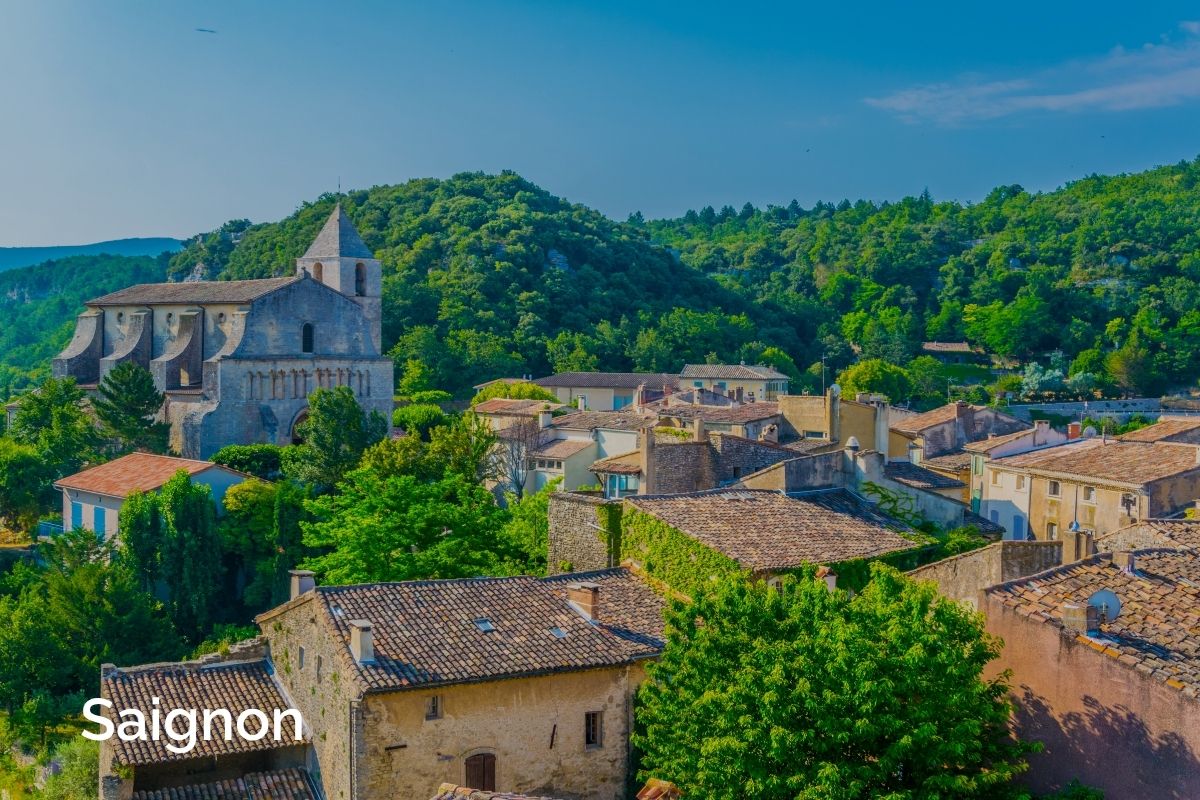
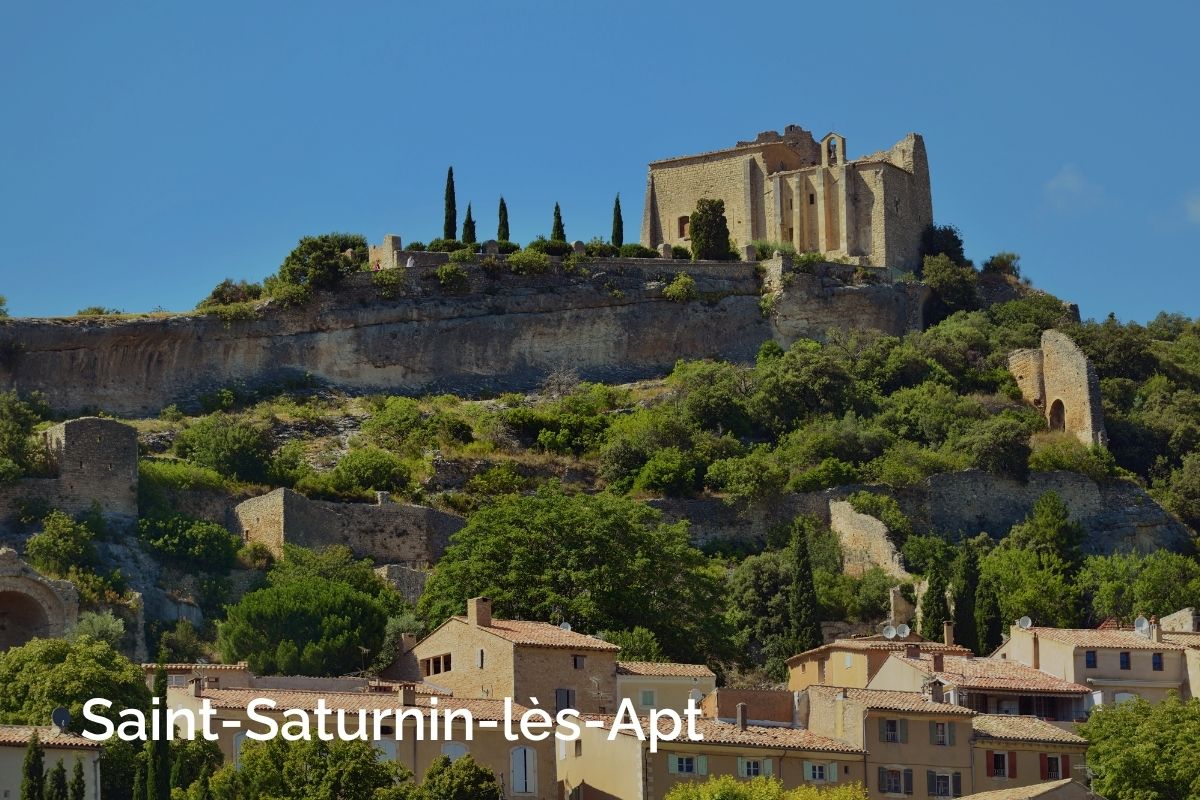
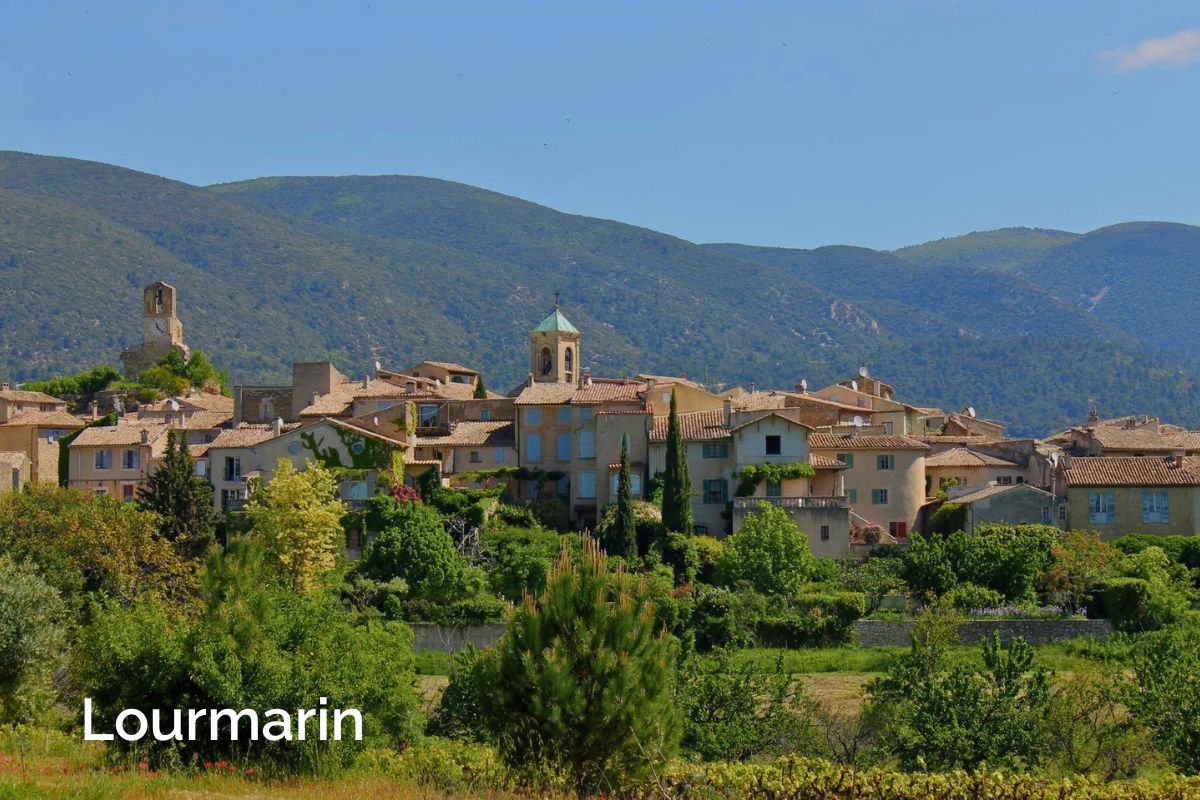
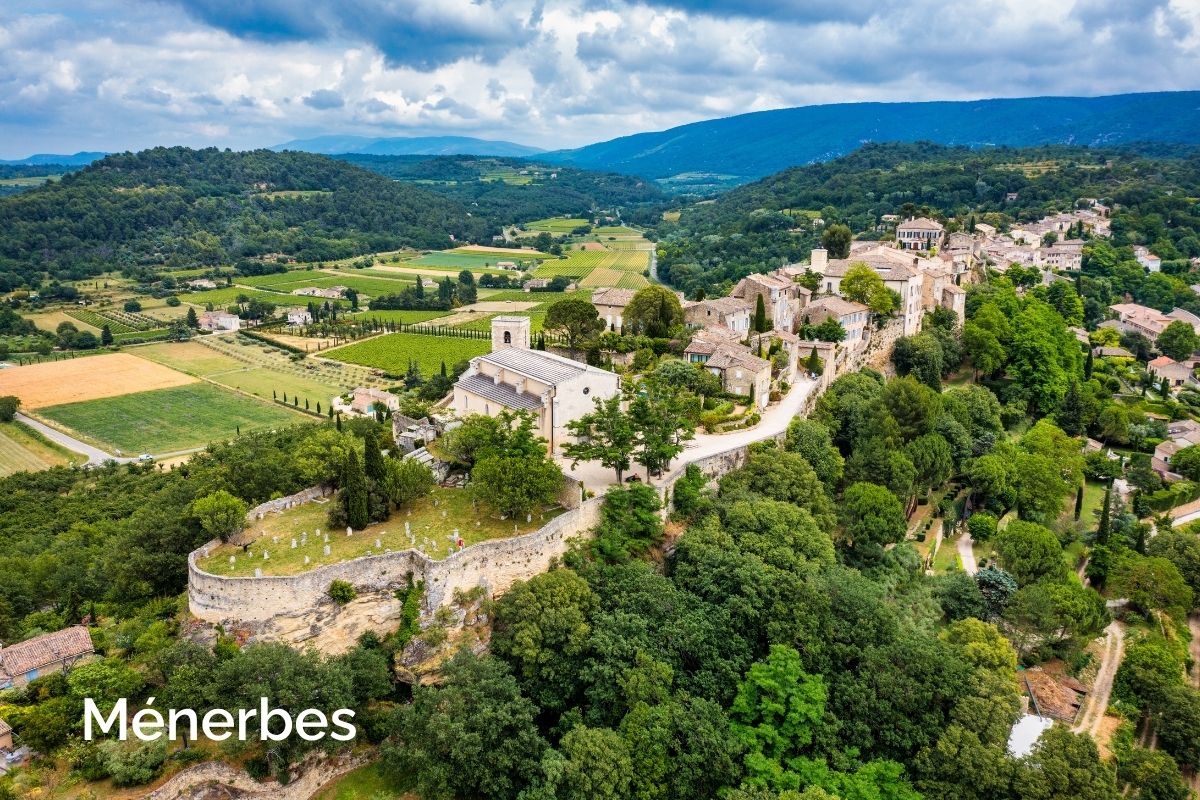
Each village keeps its own character. Bonnieux climbs its hill in two tiers above the cedar forest and the Roman Pont Julien. Ménerbes, made famous by Peter Mayle’s A Year in Provence, runs along a narrow ridge. Goult keeps its restored windmill and a quieter pace, while Saignon perches on a rock above Apt around a single fountain square. Saint-Saturnin-lès-Apt rises to a ruined castle and old windmills, and Lourmarin, set where the hills open to the plain, holds a Renaissance château, the grave of Albert Camus, and a Friday market worth planning a day around.

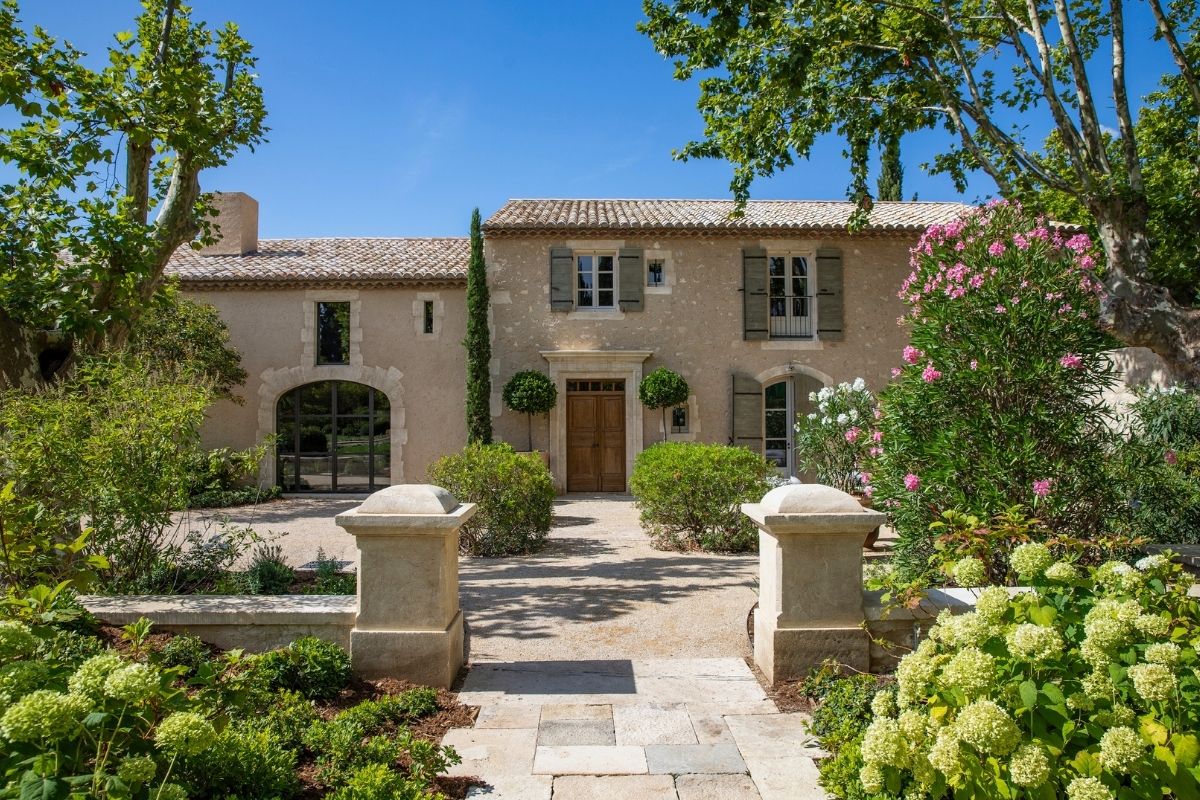
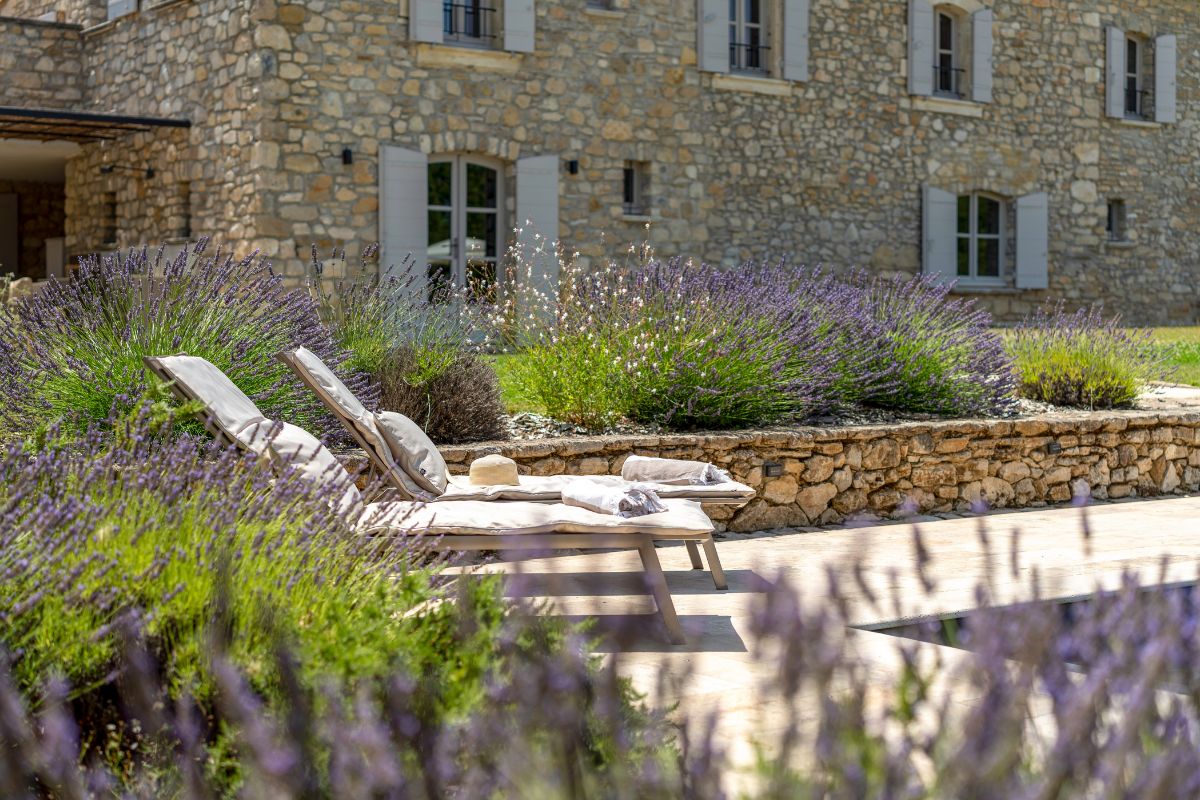
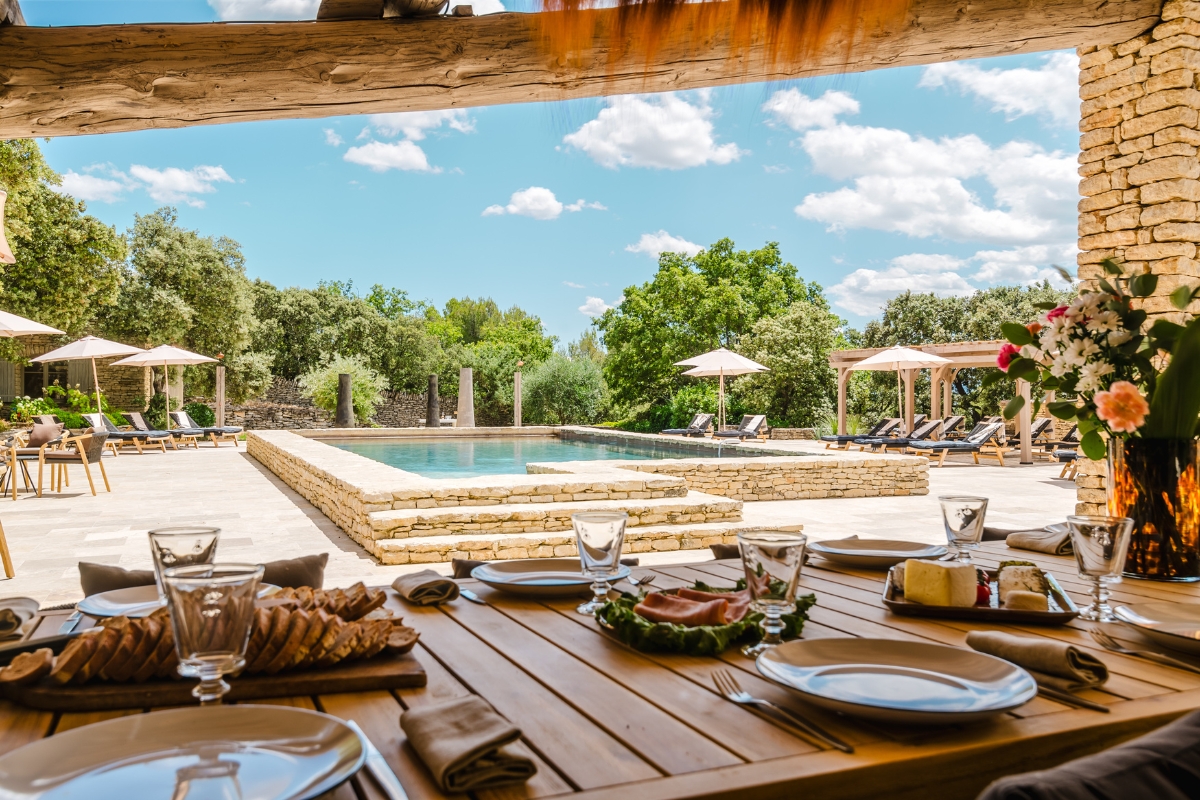
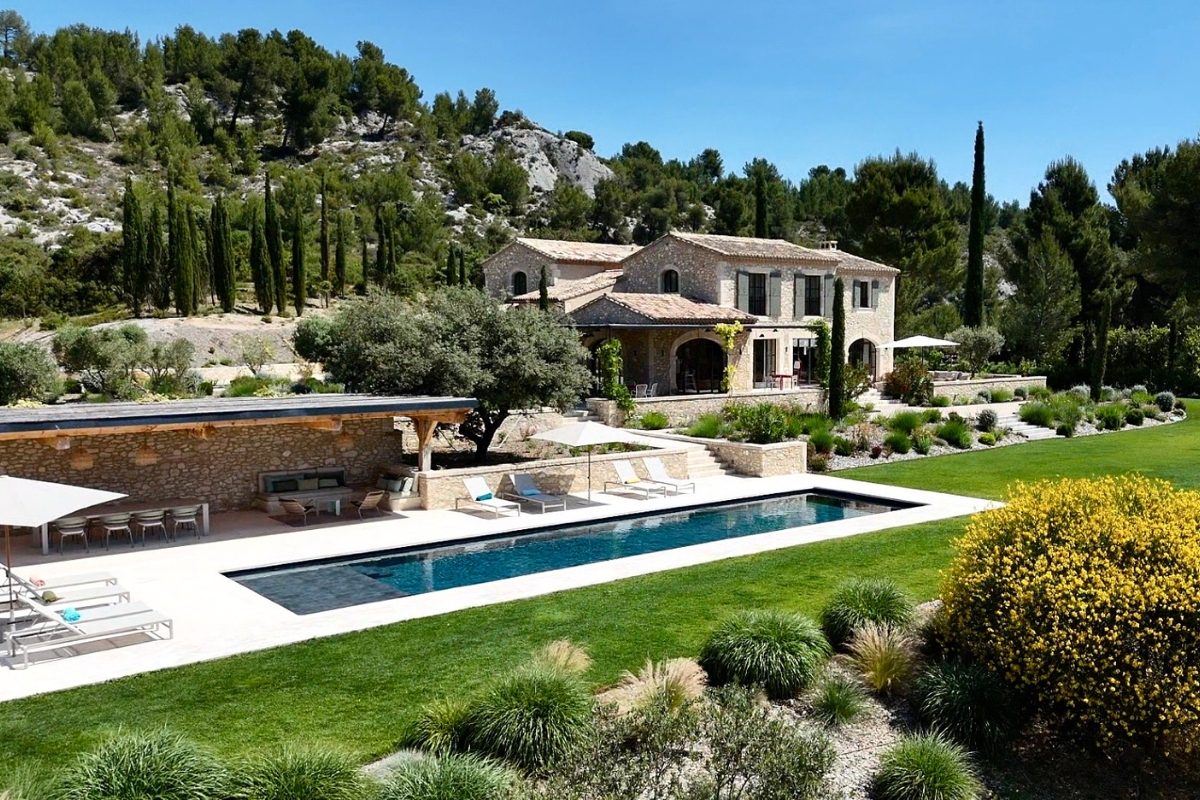
The Luberon suits travelers who want scenery, ritual, and space to relax. Markets set the rhythm of the week: Apt on Saturdays, Lourmarin on Fridays, Coustellet and Cadenet on their own days. A villa here often comes with a pool set into a terraced garden, olive trees, and long views across the valley, the kind of place where the day’s ambition is an afternoon swim and a table under the plane trees.

The Alpilles: Mornings Among Olive Groves and White Stone

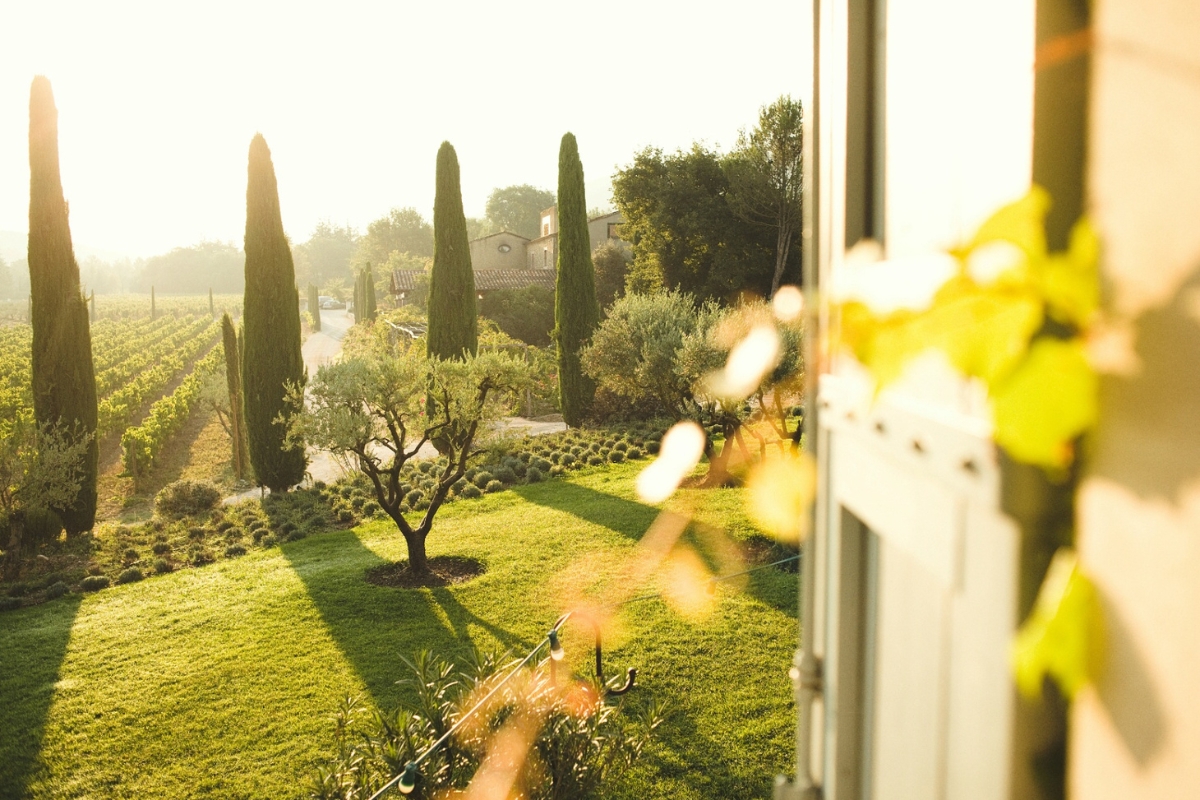
Choose the Alpilles if your ideal morning smells of rosemary and warm stone. Here you wake between olive groves and a jagged spine of white limestone, in a landscape that drew Van Gogh and still feels painted. This is the softer, more southerly face of inland Provence, all silver leaves, cypress lines, and light that photographers chase.

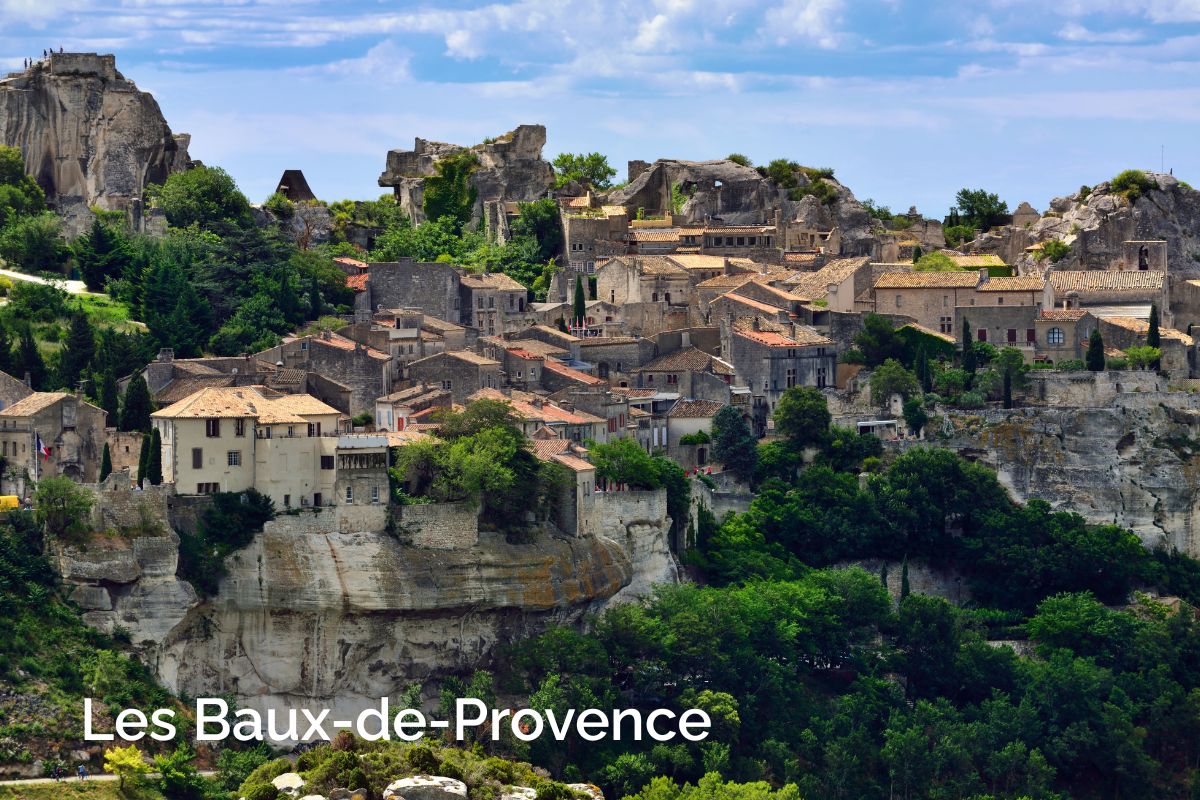
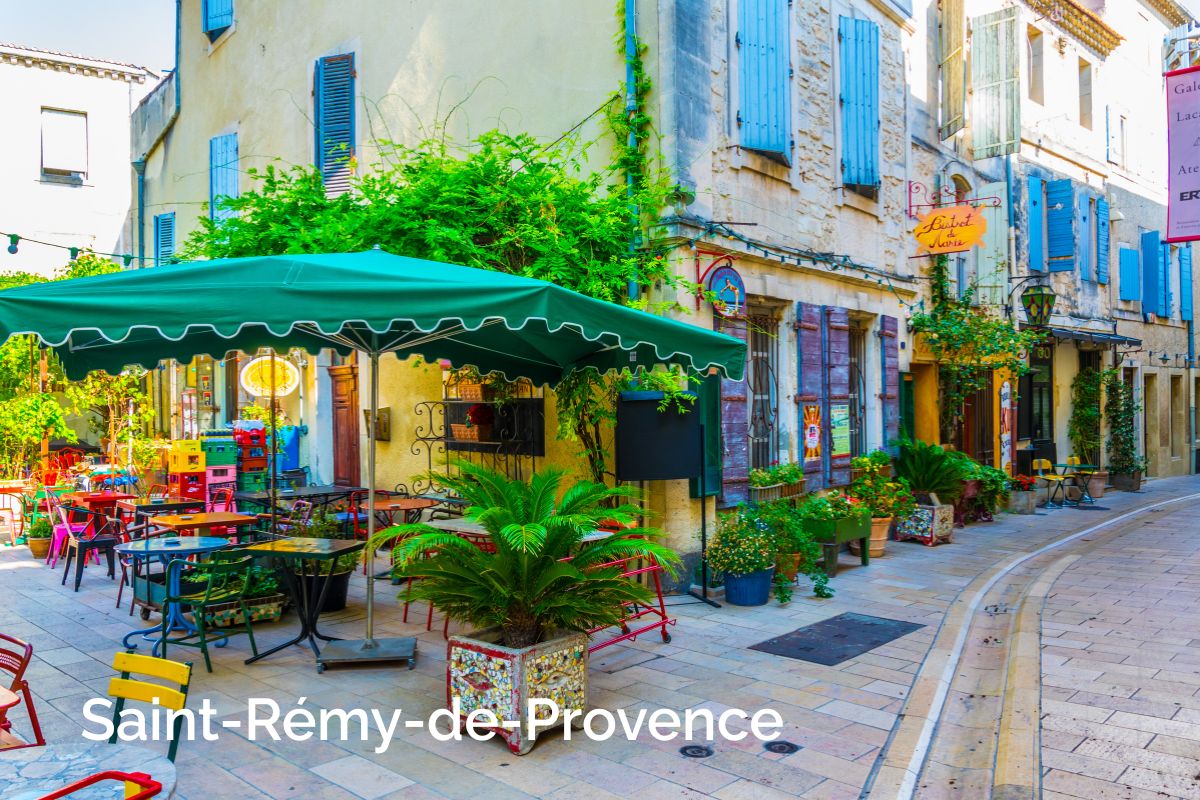
The villages here are elegant and easy to love. Saint-Rémy-de-Provence anchors the region, with its Wednesday market, its ring of plane-lined boulevards, and the asylum of Saint-Paul-de-Mausole where Van Gogh painted for a year, a short walk from the Roman ruins of Glanum. Just south, Les Baux-de-Provence crowns a rocky spur with a medieval citadel, while the old bauxite quarries below now house the immersive light shows of the Carrières de Lumières.

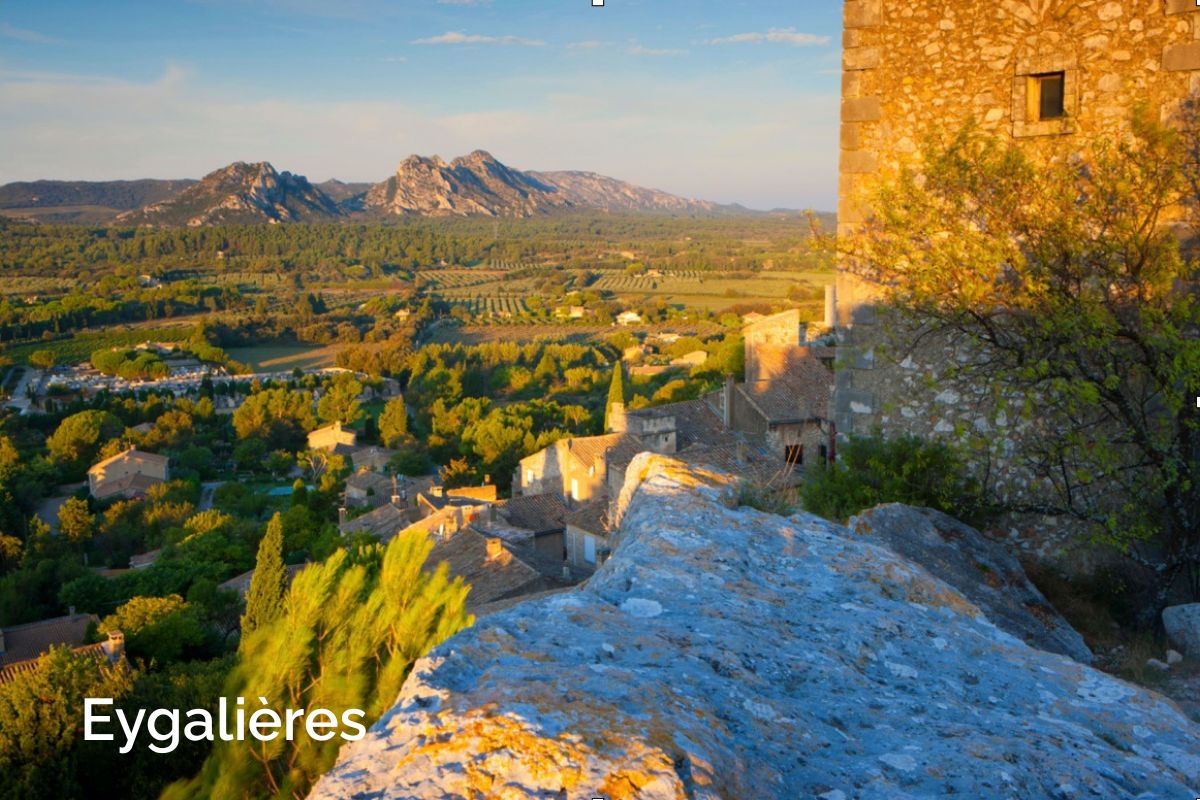
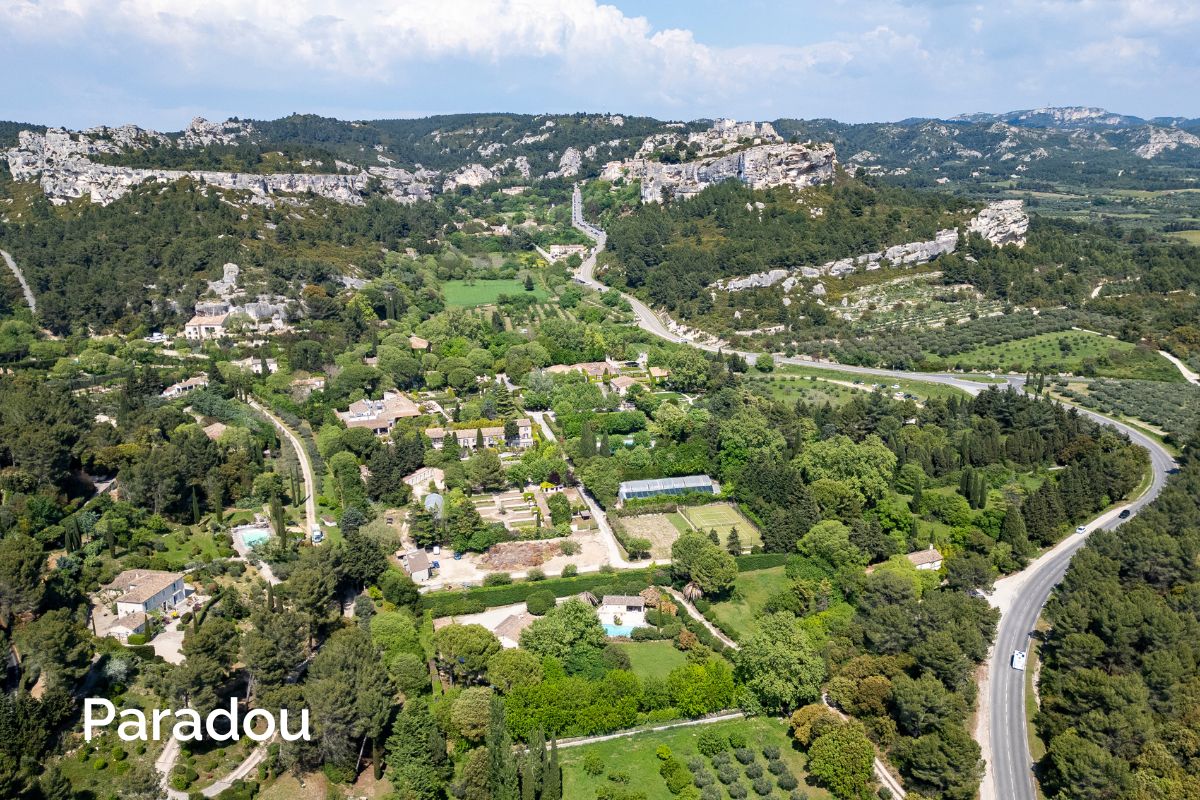
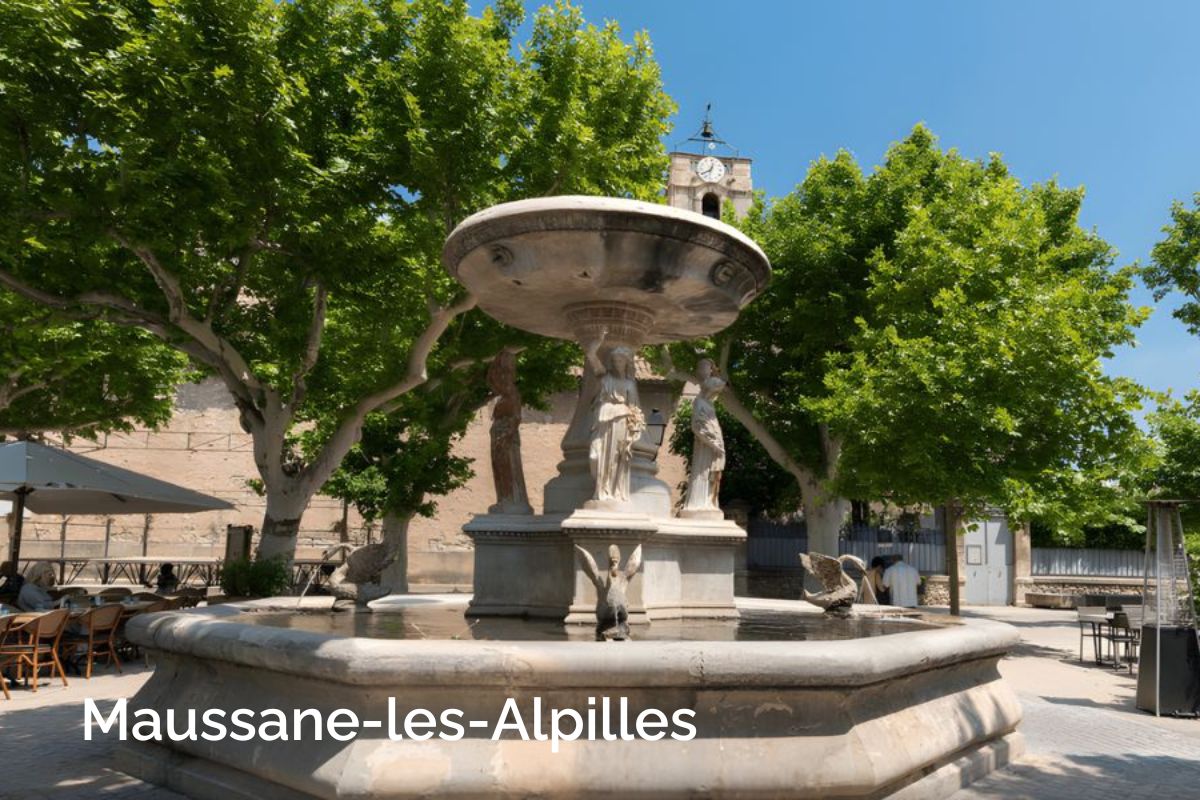
Olive country runs through the heart of the Alpilles. Maussane-les-Alpilles and its neighbors sit in the Vallée des Baux, home to some of France’s most respected olive oil, pressed at village mills that welcome visitors. Paradou keeps its handful of celebrated tables and a village calm. To the east, Eygalières draws a stylish crowd to its ruined castle and its monthly professional brocante on the last Sunday, one of the best hunting grounds in the region for antiques.

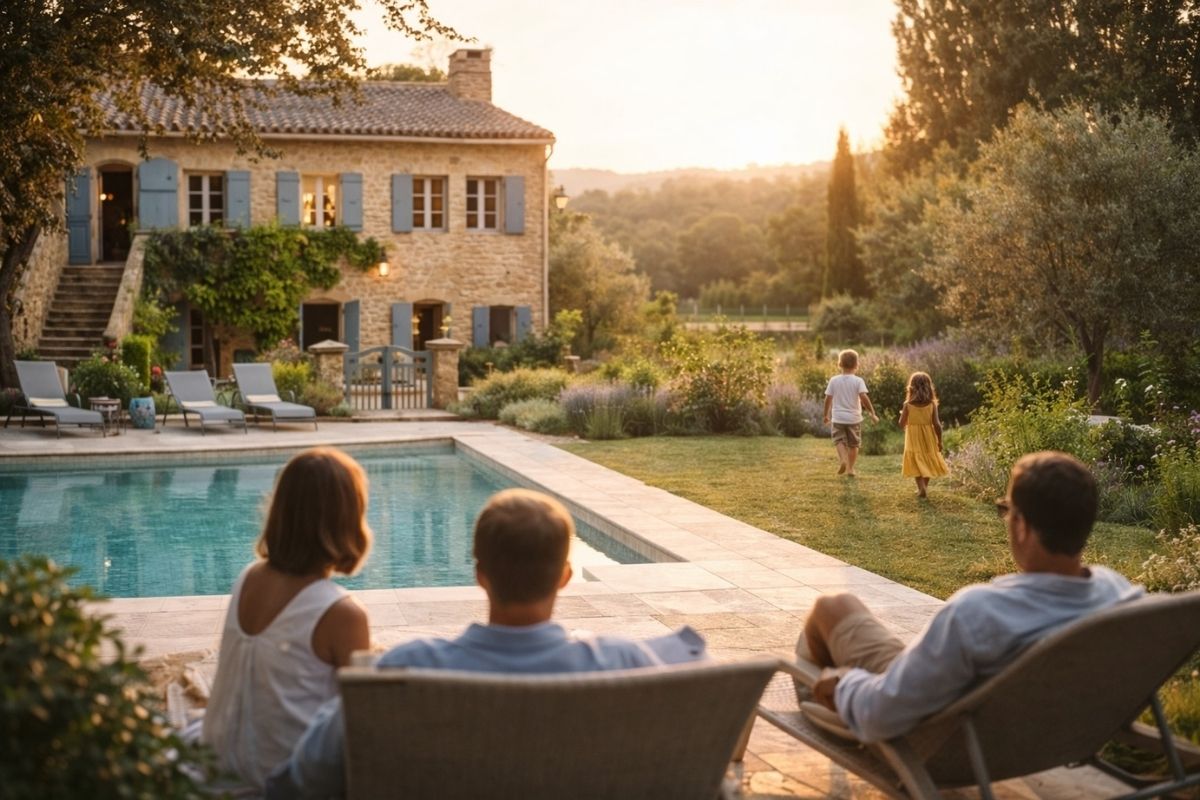
The Alpilles suits travelers who want beauty, food, and culture within easy reach. Distances are short, so a morning at a market can turn into an afternoon among olive mills and a sunset walk in the hills. A villa here tends to sit among the groves, with a pool, a shaded terrace, and that famous Provençal light doing most of the work.

The Market Towns and Cities: Avignon, Aix, and L'Isle-sur-la-Sorgue

Head for the towns if you want to wake to café clatter and a square already filling with market stalls. Staying in or near Avignon, Aix-en-Provence, or L’Isle-sur-la-Sorgue puts culture, restaurants, and daily life on your doorstep, with the countryside a short drive away. This is the choice for travelers who like a walkable base with something happening.

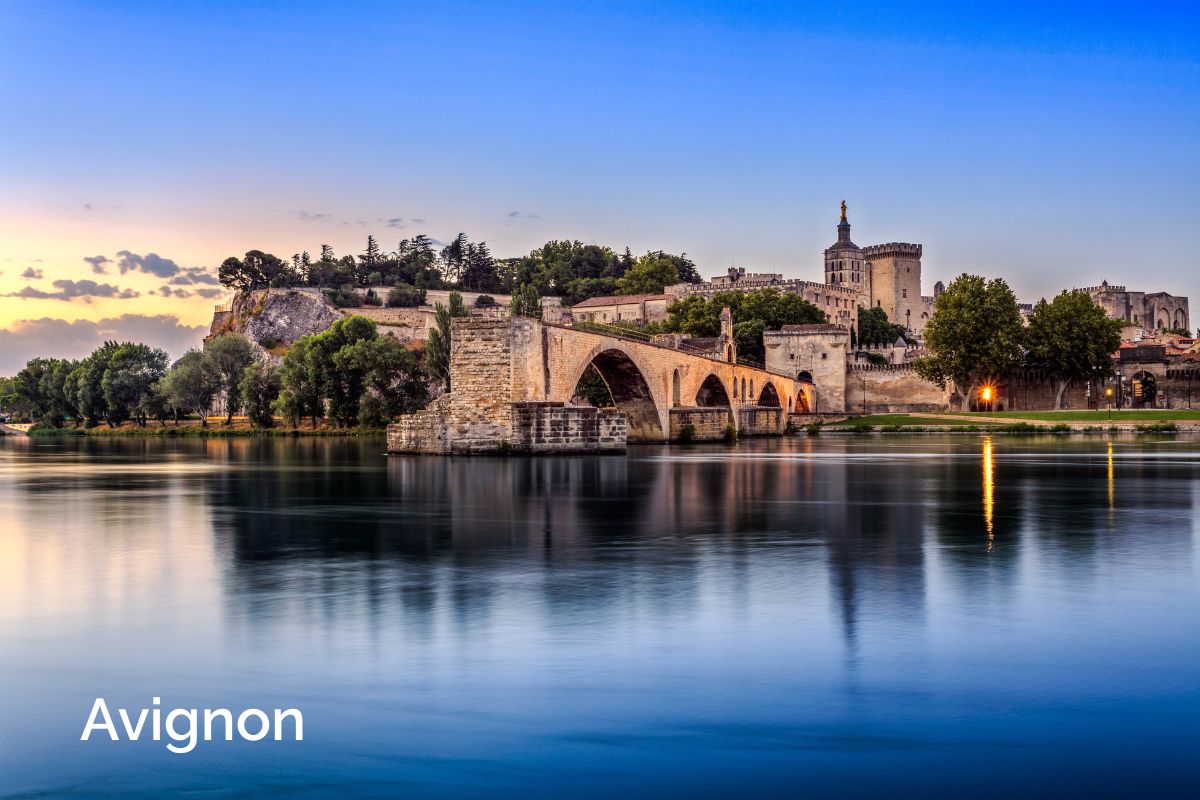
Avignon carries its history in stone. The Palais des Papes, the vast Gothic palace of the medieval popes, dominates the old walled city, and the famous bridge of song still reaches out over the Rhône. Every July the streets fill for the Festival d’Avignon, one of the great theatre festivals in Europe. The city also makes an easy gateway, well connected by TGV and close to the Luberon, the Alpilles, and the wine country to the north.

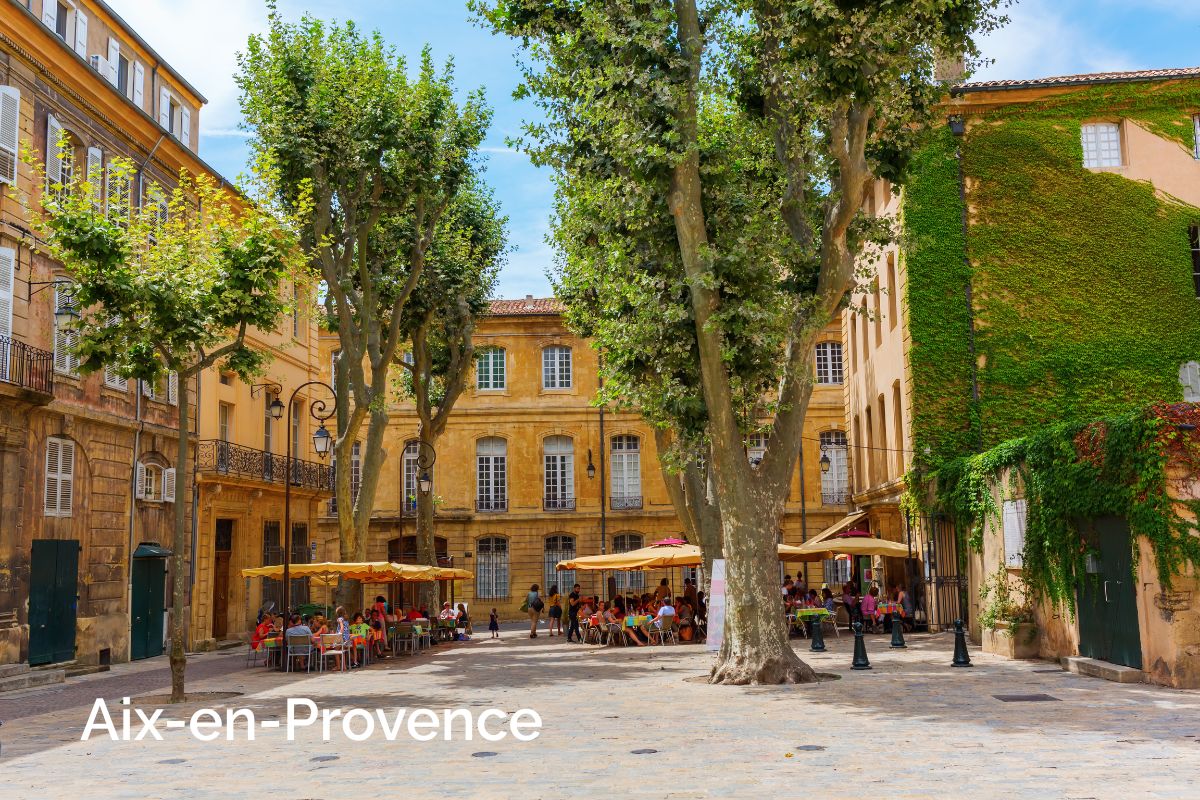
Aix-en-Provence trades grandeur for elegance. Fountains and honey-colored townhouses line the Cours Mirabeau, café terraces spill across the squares, and the daily markets rank among the best in the south. This was Cézanne’s city, and the Montagne Sainte-Victoire he painted so often still rises to the east. It is a place for lingering over coffee, browsing, and long lunches.

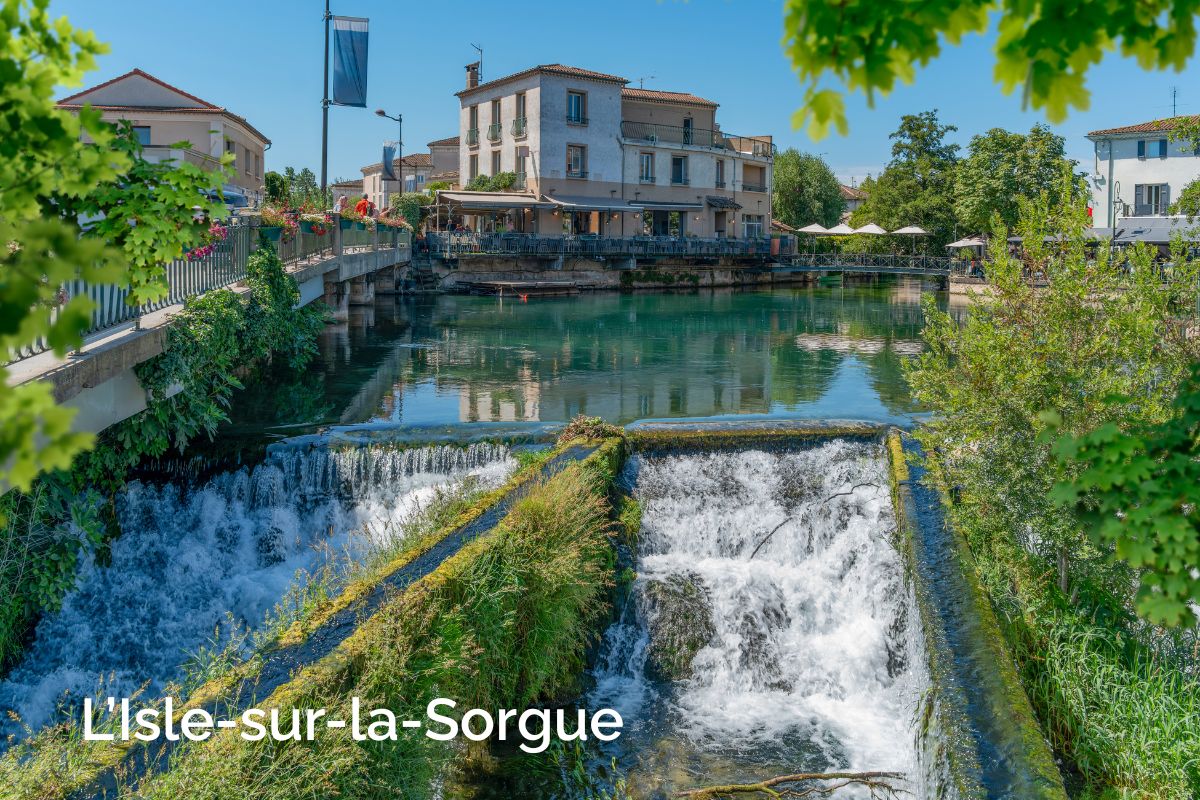
L’Isle-sur-la-Sorgue offers something different again. Built across the branches of the Sorgue and turned by mossy waterwheels, it is the antiques capital of Provence, with permanent dealer villages and its celebrated Sunday market. Twice a year, at Easter and in August, it hosts one of the largest antiques fairs in Europe. Base yourself here and you wake to the sound of running water and the promise of a find.

How to Choose Where to Stay in Provence

The simplest way to decide where to stay in Provence is to picture your ideal morning and work backward. Want perched stone villages, markets, and long valley views? The Luberon. Want olive groves, white-stone hills, and Van Gogh light? The Alpilles. Want lots of café terraces, culture, and boutiques within walking distance? Avignon, Aix, or L’Isle-sur-la-Sorgue. None is more authentically Provence than the others. They are simply three chapters of the same region.

A Few Practical Notes

All three areas are easiest to reach through Avignon, whether by TGV from Paris or by car from Marseille Provence Airport, with Aix and Avignon both offering their own stations. The regions sit close together, so the choice of base matters less than it might seem: a villa in the Alpilles is within reach of the Luberon, and the antiques of L’Isle-sur-la-Sorgue are a short drive from either.

A car is worth having in all three, since the best of Provence tends to hide down small roads. And there is no rule against combining them, pairing a week among the hilltop villages with a few days in olive country.

Start Planning Your Stay

Once you know the morning you are after, the villa is the easy part. Tell us how you want to wake up in Provence, and our Villa Rental Specialists will curate a selection of villas across the Luberon, the Alpilles, and the towns between them to match it.

Frequently Asked Questions: Where to Stay in Provence

For a first trip, the Luberon and the Alpilles are the classic choices. The Luberon offers the postcard hilltop villages of Gordes, Roussillon, and Ménerbes, while the Alpilles pairs Saint-Rémy and Les Baux with olive groves and Van Gogh landscapes. Both put much of Provence within an easy drive, so you never have to choose between countryside and culture.

The Luberon is hill country: perched stone villages, vineyards, and a protected natural park north of the Durance. The Alpilles is a smaller range of white limestone to the southwest, known for olive groves, Saint-Rémy-de-Provence, Les Baux, and the light that drew Van Gogh. The Luberon feels wilder and more spread out, the Alpilles softer and more compact.

L’Isle-sur-la-Sorgue is the antiques capital of Provence, with permanent dealer villages, a famous Sunday market, and major fairs at Easter and in August. For food markets, Saint-Rémy-de-Provence on Wednesdays, Apt on Saturdays, and Aix-en-Provence daily are among the finest in the region.

A week lets you settle into one region and explore it properly. Ten days to two weeks is ideal if you want to combine two areas, such as the hilltop Luberon and the Alpilles, with relaxed drives between them. Anything shorter is best spent in a single base rather than moving around.

Yes, a car is strongly recommended. Provence’s villages, markets, vineyards, and olive mills are spread across the countryside and connected by small roads rather than frequent public transport. A car gives you the freedom to follow the markets, cellars, and hill villages that make the region worth the trip.

Recent Articles You Might Enjoy

A distinct collection of luxury villa rentals and real estate for sale in the South of France
- offering all comforts and amenities - pool, housekeeping, and chef services.

© 2026 Only Provence

Jumping the Picket Fence Light Through the Cracks

Only Provence co-founder Lydia Dean writes about their experiences raising a family, building a business in Provence, and later combining the love of travel with giving back in "Jumping the Picket Fence". In 2021, she published "Light Through the Cracks," a continuation of her journey, much of which has been based in Provence. Both books are available Amazon, Amazon.uk, and Amazon.Fr.