One Week Provence Villa: Markets, Light, and Mornings That Last

What One Week in Provence Looks Like from a Luxury Villa

Written by the Only Provence Team • Last Updated July 22, 2026

Only Provence is an award-winning villa rental company with a collection of more than 200 luxury villas and châteaux throughout the Luberon and Alpilles. Combining deep local expertise with personalized service, we craft exceptional journeys tailored for discerning travelers.

During one week in Provence, there is a moment—usually around day three—when your internal clock simply shifts. You notice it first when you realize you haven’t checked the time since breakfast, and you don’t care to.

Your afternoon agenda shrinks to driving to a recommended village, finding the local bakery, and seeing what happens. The pool is there if you want it; the terrace is there if you don’t.

A villa stay in Provence removes your sense of urgency so gently and completely that you don’t notice it’s gone until you feel the quiet space it left behind.

What follows is what those days actually look like. This isn’t a curated highlight reel, but the reality of the trip: the Wednesday mistral that changed the light, the Tuesday market you returned to on Friday, and the simple terrace dinner no restaurant could match.

One Week in Provence: The Ultimate Luxury Villa Experience

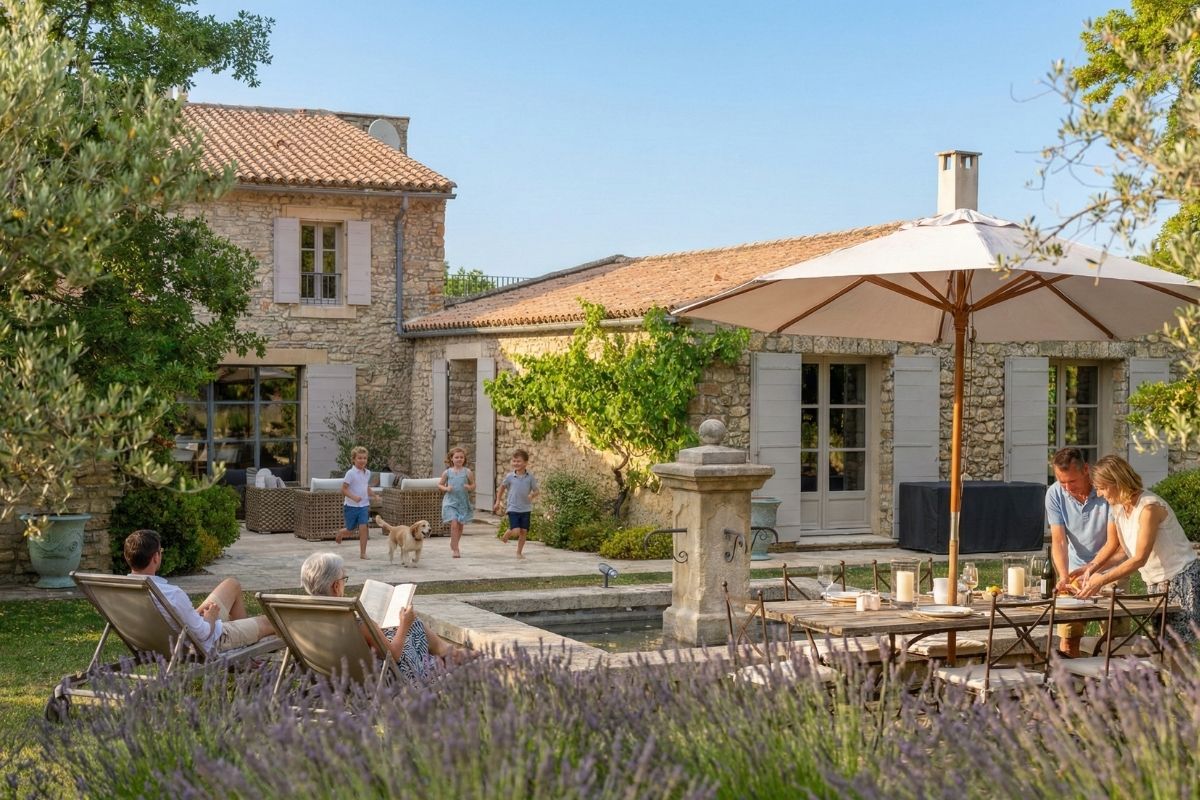
A week in a Provence villa typically follows a loose rhythm shaped by the region’s daily and weekly rituals rather than a fixed itinerary. Mornings are anchored by local markets — each village holds one on a set day, rotating through the week — and the slow business of coffee, bread, and the planning of nothing in particular. Afternoons move between village exploration, wine domaine visits, swimming, and the long lunches that are not a Provençal indulgence but a structural feature of the day. Evenings belong to the terrace: aperitif at dusk, dinner under whatever sky the mistral has left behind, conversation that continues past the point where anyone is counting hours.

For most guests, the rhythm takes two days to find and a lifetime to forget.

Arrival: The Villa Unlocks

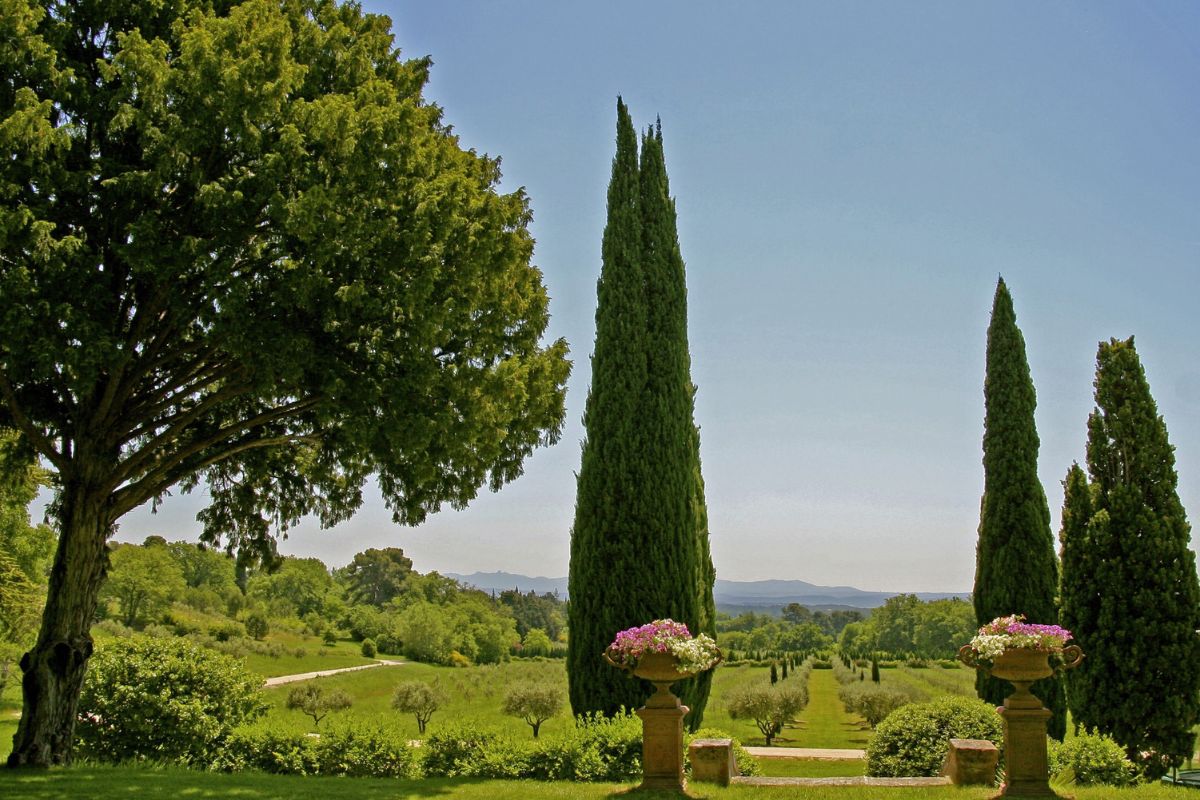
The drive from the airport is its own beginning. From Marseille or from Avignon, the road south into the Luberon or east into the Alpilles passes through a landscape that announces itself before you arrive: limestone ridges above terraced hillsides, a village perched on a crest, the first olive trees of the journey. By the time you turn off the main road and the lane narrows, something is already happening to you.

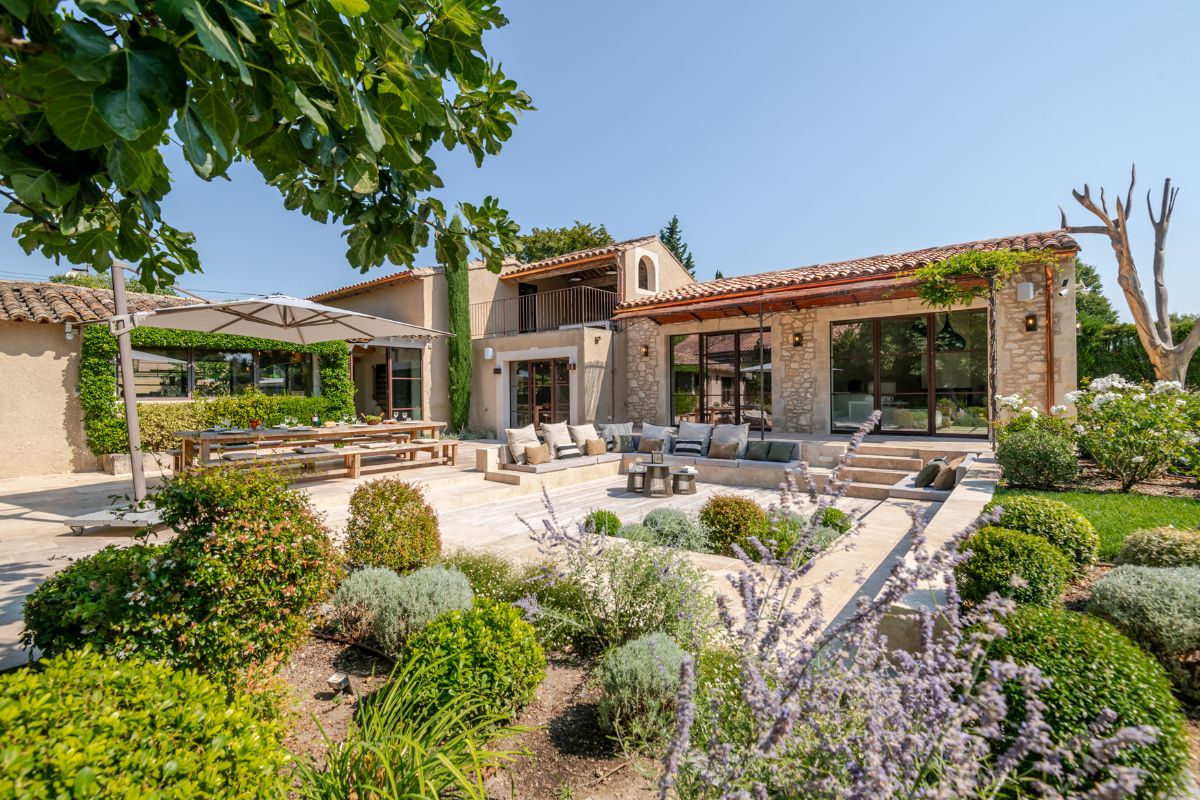
The villa itself — stone, almost always old, shuttered against the afternoon heat — is waiting the way only ancient buildings can wait: patiently, without urgency, as though it has held the same afternoon light for three hundred years and will do so tomorrow regardless of who is inside.

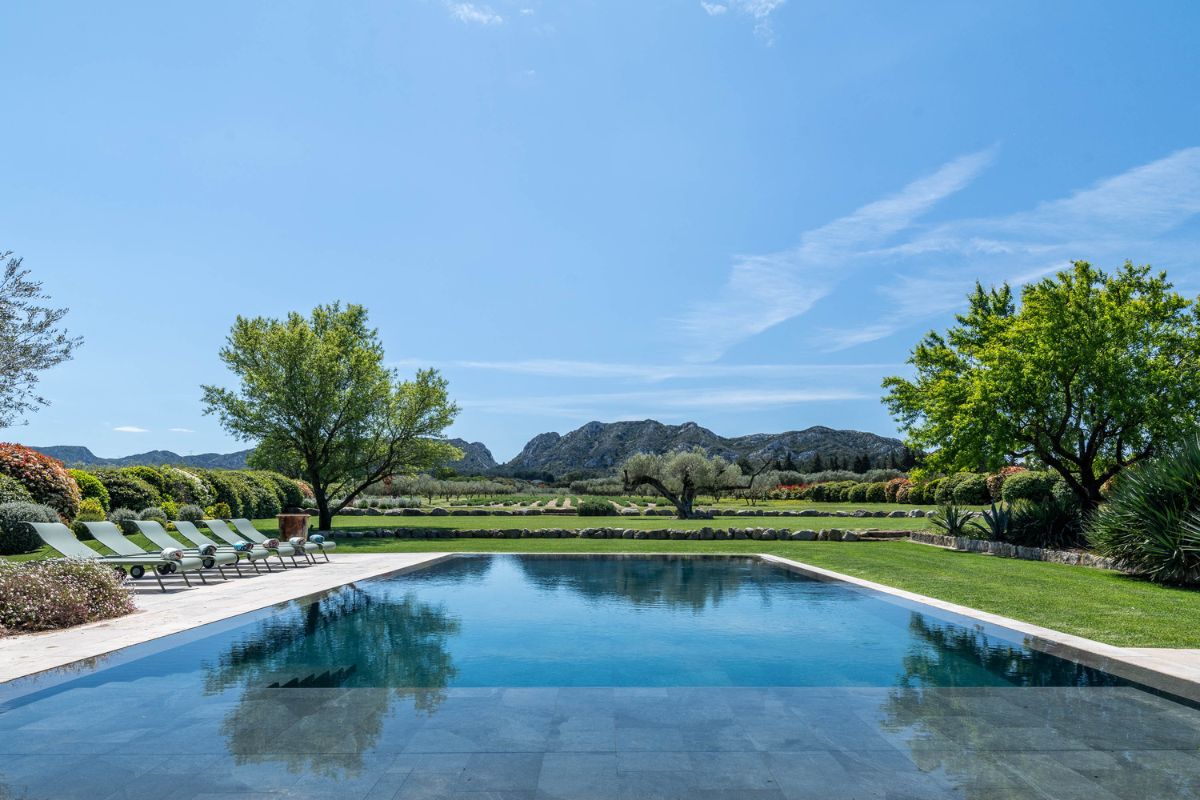
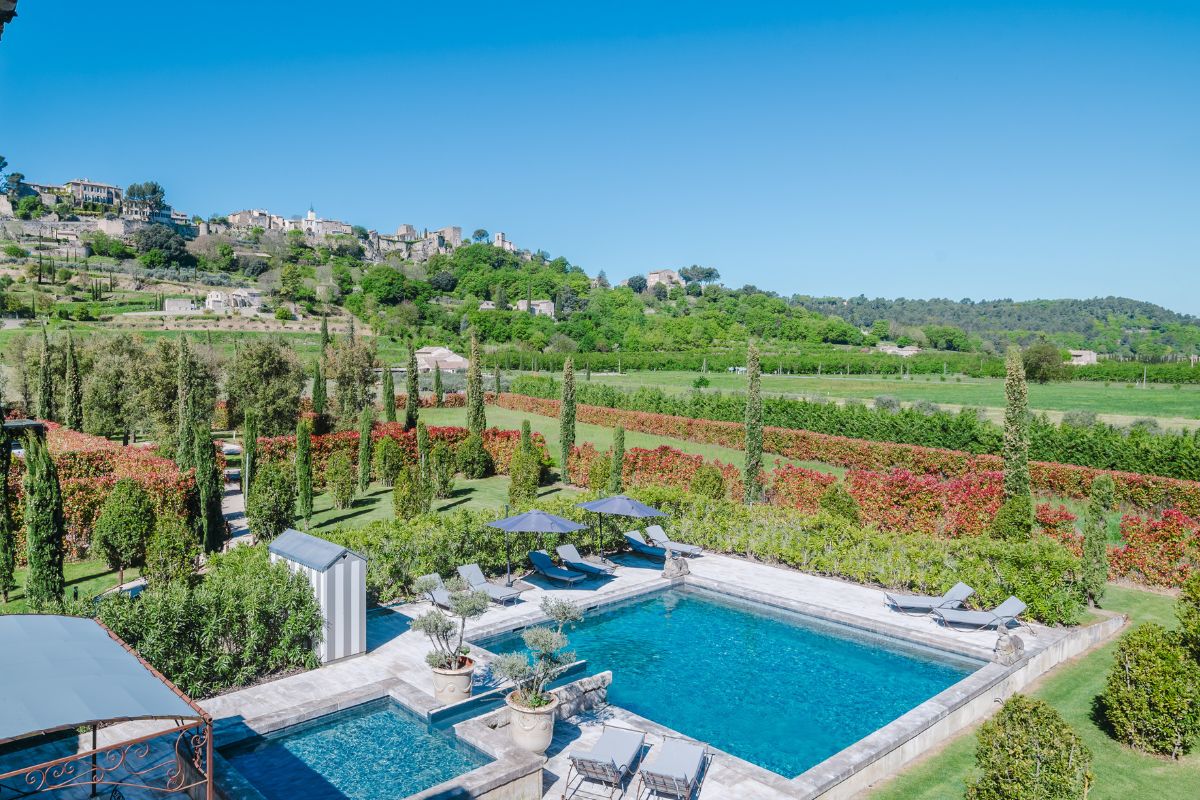
The pool will be perfectly refreshing. The wine in the kitchen will be local. The view from the terrace will be the view you booked the flight for. The first evening is always the same: you eat simply, drink well, and sleep at a depth you had forgotten was available to you.

Day One: The Market Morning

Every village in Provence has its market day, and your villa’s concierge — or in the case of an Only Provence stay, the knowledge built into your arrival notes and the team available by phone — will have told you which one is nearest and which one is worth the drive.

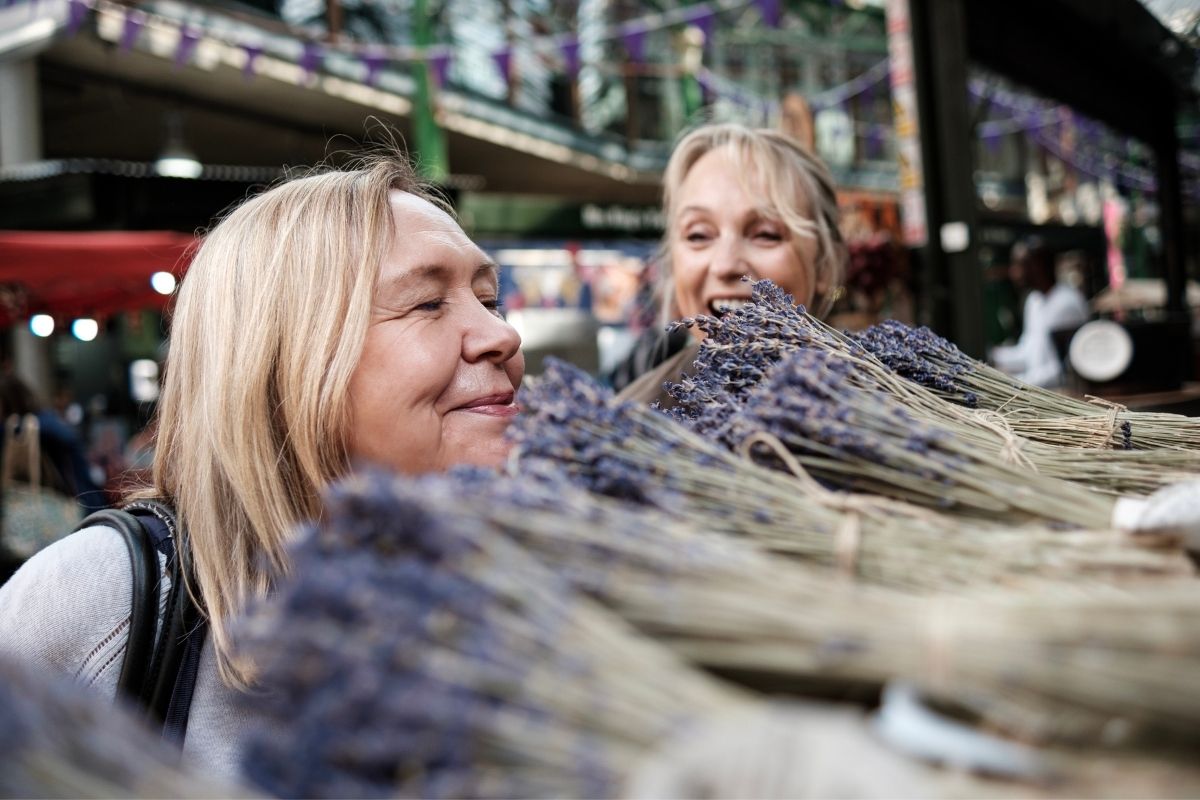
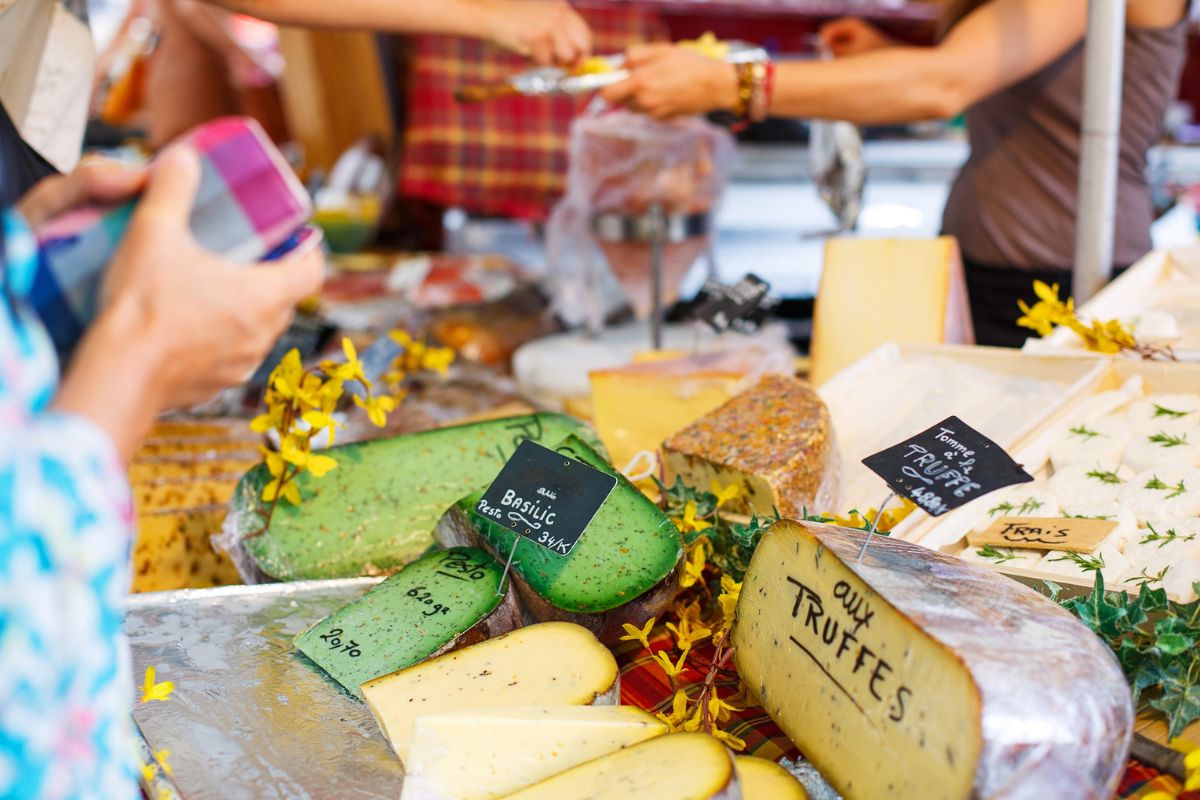
The market is not a place you move through. It is a place you are in. The conversation between two women comparing tomatoes in front of you is not theatre — it is genuinely important to them, and it will take as long as it takes. You learn quickly that the correct pace is that of the person in front of you, and that this pace is slower than anything you brought with you from home.

You buy bread, cheese, a jar of tapenade, a bunch of something you cannot name that smells extraordinary. You buy a melon and carry it back to the car with the care it deserves. You sit at the café on the square and drink coffee and watch the market dismantle itself with the same unhurried efficiency with which it appeared.

Back at the villa, the morning’s purchases become lunch: improvisatory, imprecise, better than it has any right to be.

Day Two: Finding Your Provençal Rhythm

The second day is when the week begins to take its shape.

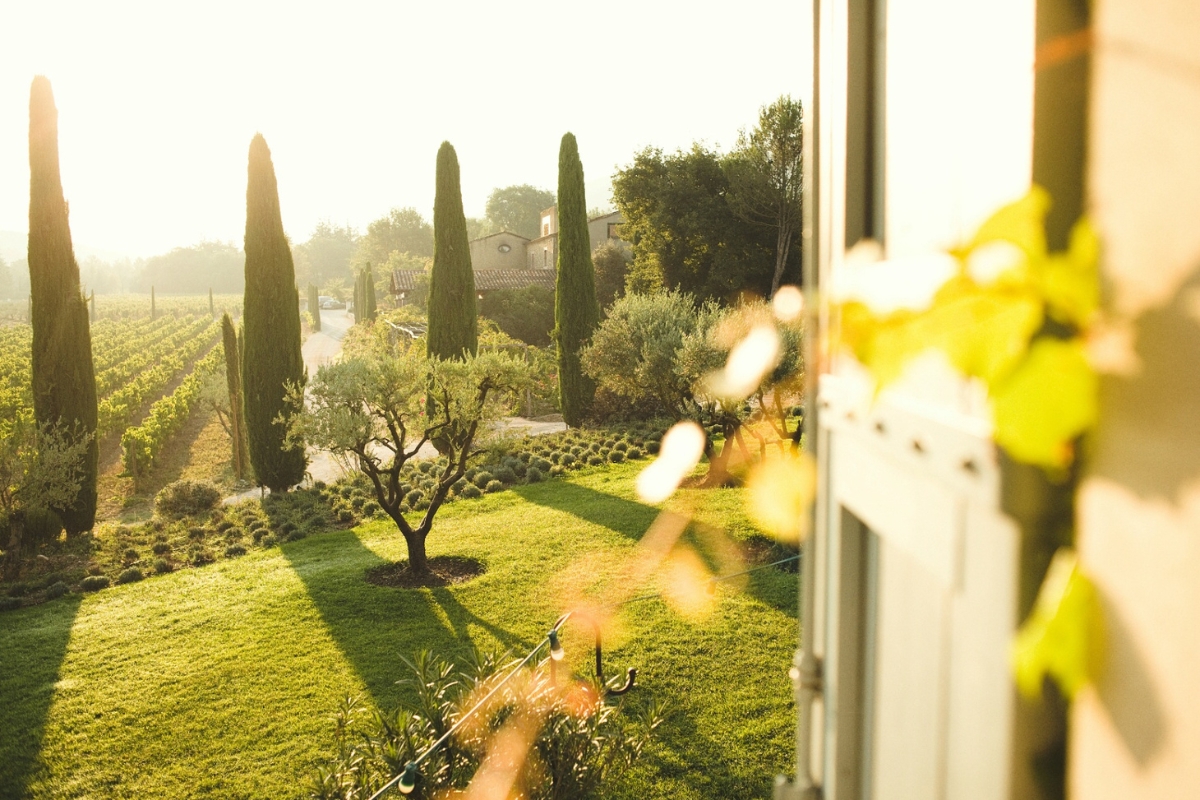
Someone wakes early and finds the terrace before anyone else. The light at 7am in Provence is pale and horizontal, coming in low over the valley with a quality that the word “golden” barely reaches. There is birdsong from the oak forest behind the property. The air is cool enough to need a light layer and warm enough to make the wearing of it feel generous rather than cold.

Breakfast extends. The bread from yesterday’s market is still good enough, just, for toast. There is coffee and the morning and nowhere to be until noon, and this, it turns out, is more than enough.

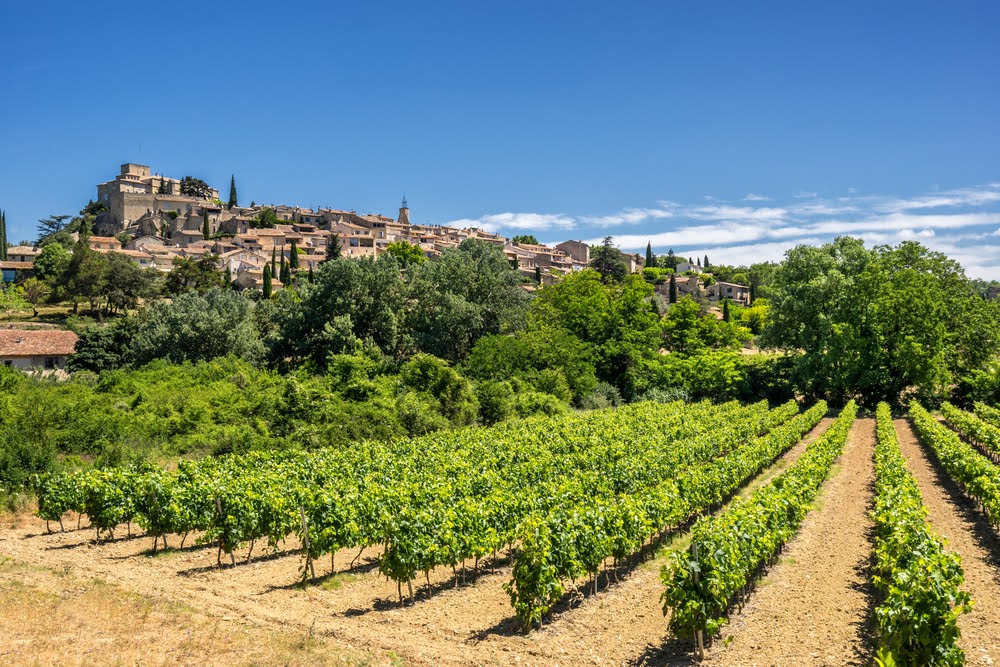
The afternoon produces a decision: the village to the north, which the notes recommend for its Tuesday market (gone until next week, but the village remains). You drive up, park below the walls, walk the lanes. There is a church, and in the church a quality of cool silence that the afternoon heat outside makes feel like grace. There is a view from the ramparts that you photograph and photograph again and that photographs cannot contain.

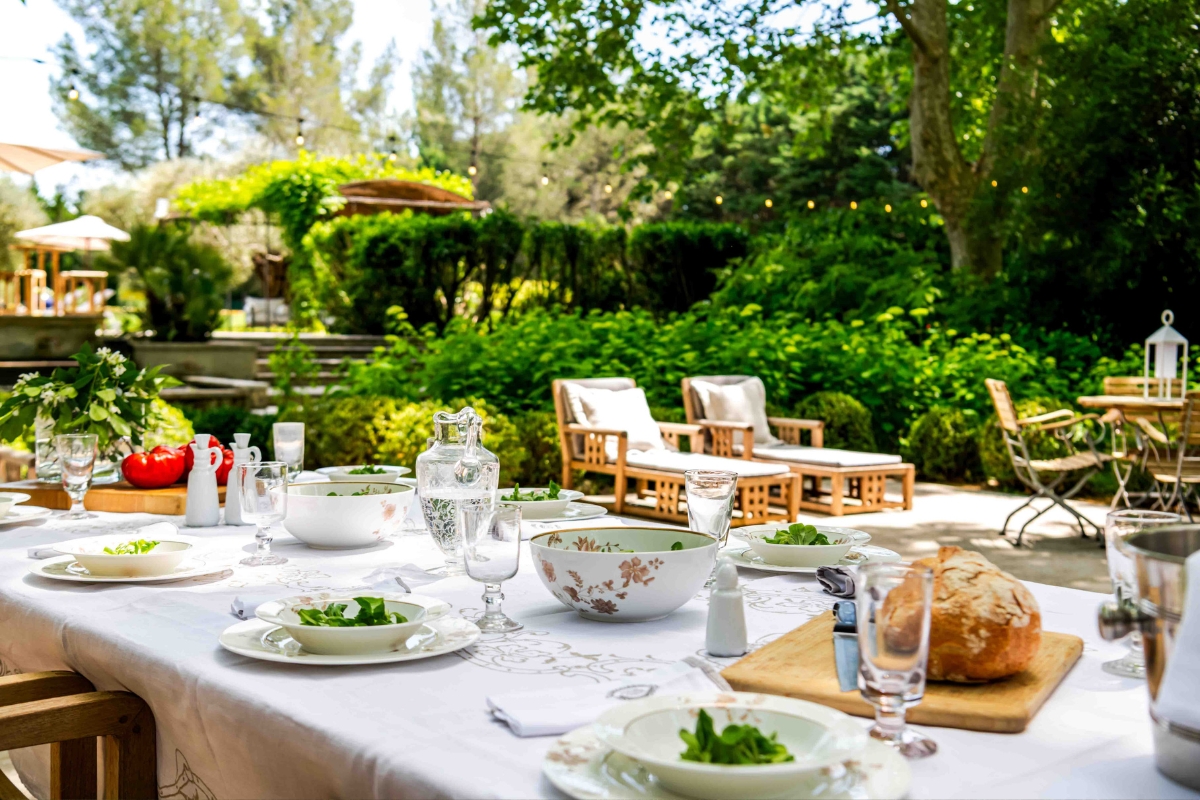
Dinner is at the villa. The private chef your concierge arranged through Provence Chefs Expérience arrives at 5pm with a basket and a manner that makes clear she has done her shopping this morning and has a clear idea of what this evening is for. By 8pm, the terrace table holds things you will describe to people for years.

Day Three: The Village That Wasn't on the Map

It begins with a wrong turn.

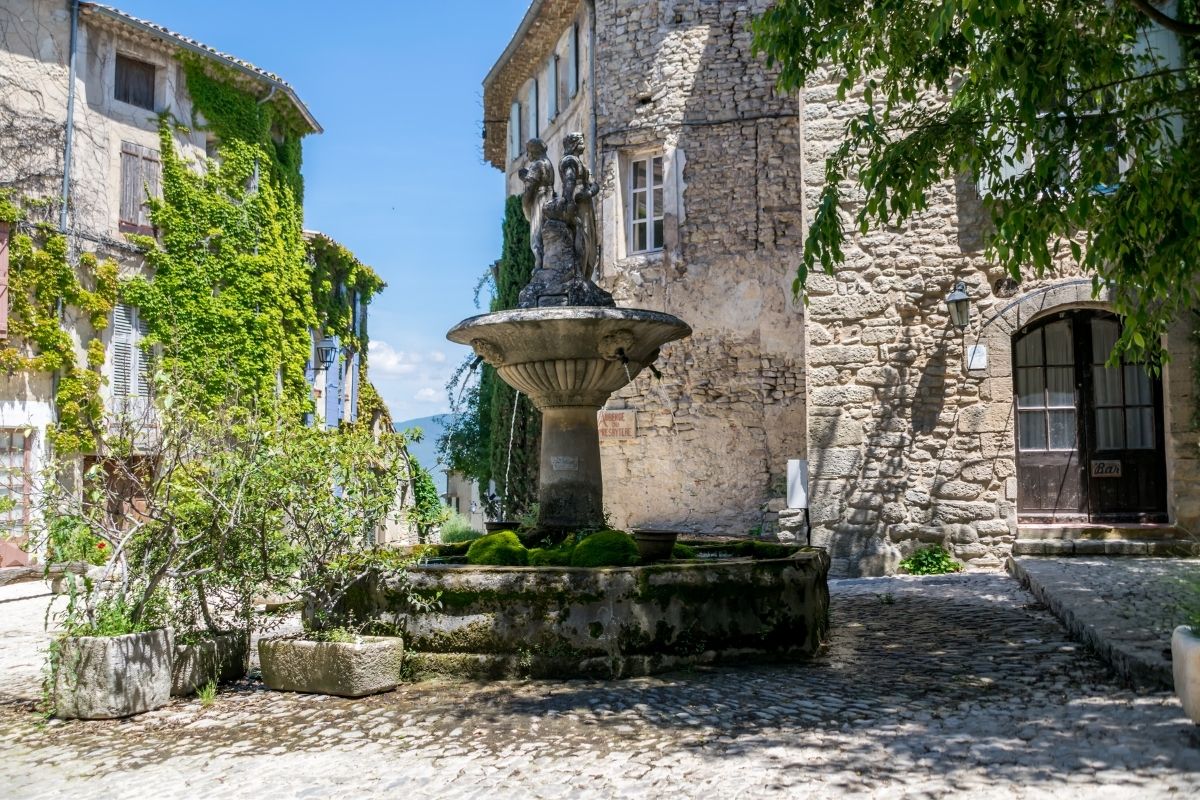
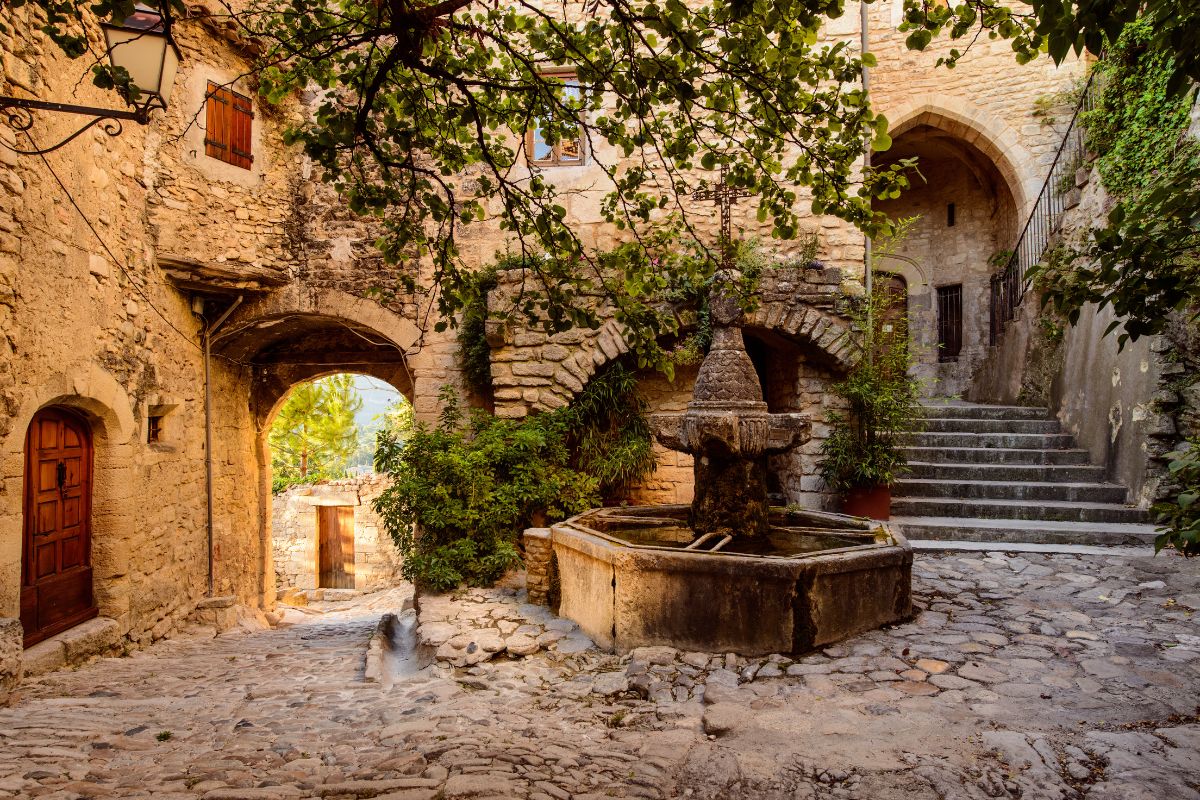
You were heading to the village your arrival notes recommended — the one with the Wednesday market and the bakery that apparently opens at 6am and sells out by 8. You missed a turning, followed a road that narrowed, climbed through oak forest, and emerged at a place so small it barely qualifies as a village: eight houses, a fountain, a stone church, a tabac that doubles as a bar and appears to serve as the de facto town hall.

There is no one here but two men drinking coffee outside the tabac, who acknowledge your arrival with the particular nod that means you are welcome to exist here so long as you don’t require anything of them. 

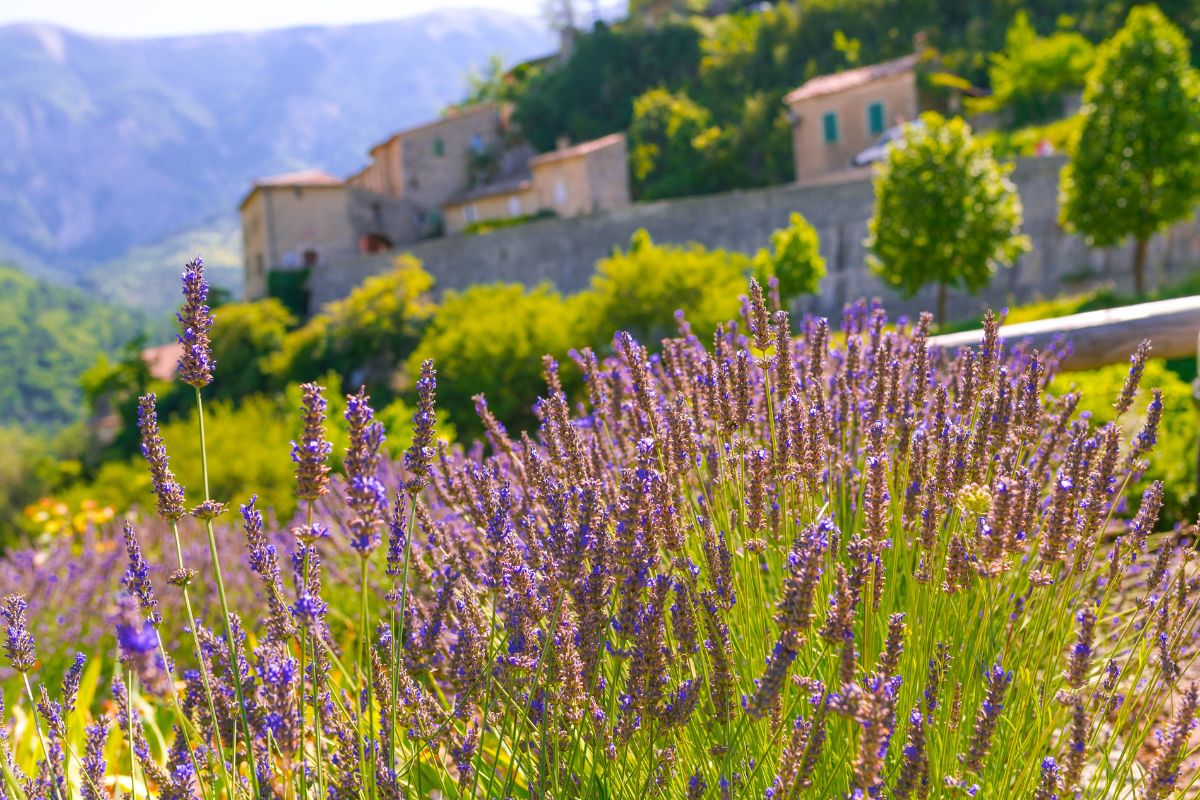
You have coffee. You sit on the low wall by the fountain. The valley below stretches away into a blue-grey distance of oak and limestone and, somewhere in the middle of it all, the terrace of the villa you came from, invisible from here but present in a way that makes the distance feel like perspective rather than separation.

This is the discovery that Provence offers to those who don’t over-plan: the unnamed place, the unscheduled morning, the village that appears not because you looked for it but because you were moving slowly enough to find it. You photograph nothing. You remember everything.

The market, when you eventually reach it, is everything it was promised to be. But the morning’s best moment is already behind you, and you know it, and that knowledge makes the rest of the day feel like a gift that keeps extending itself

Day Four: Into the Vines

The domaine is not on the main road. This is, your host will tell you, intentional.

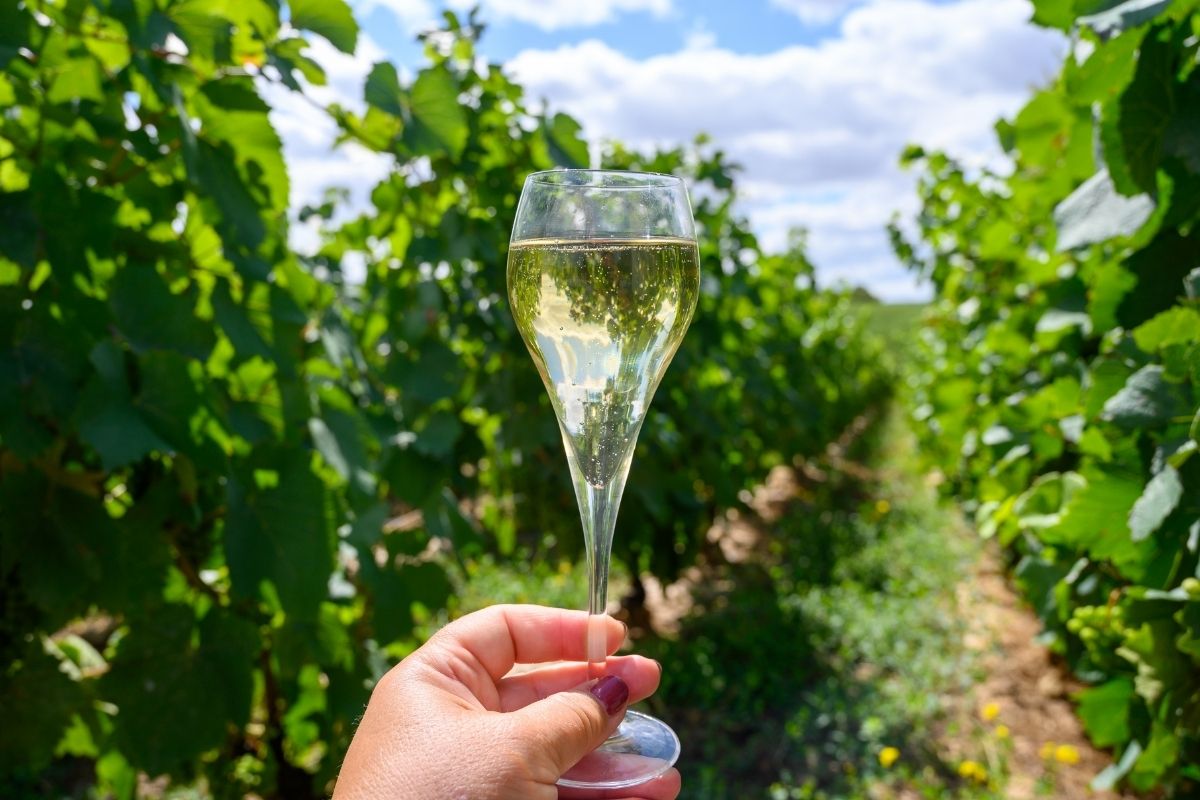
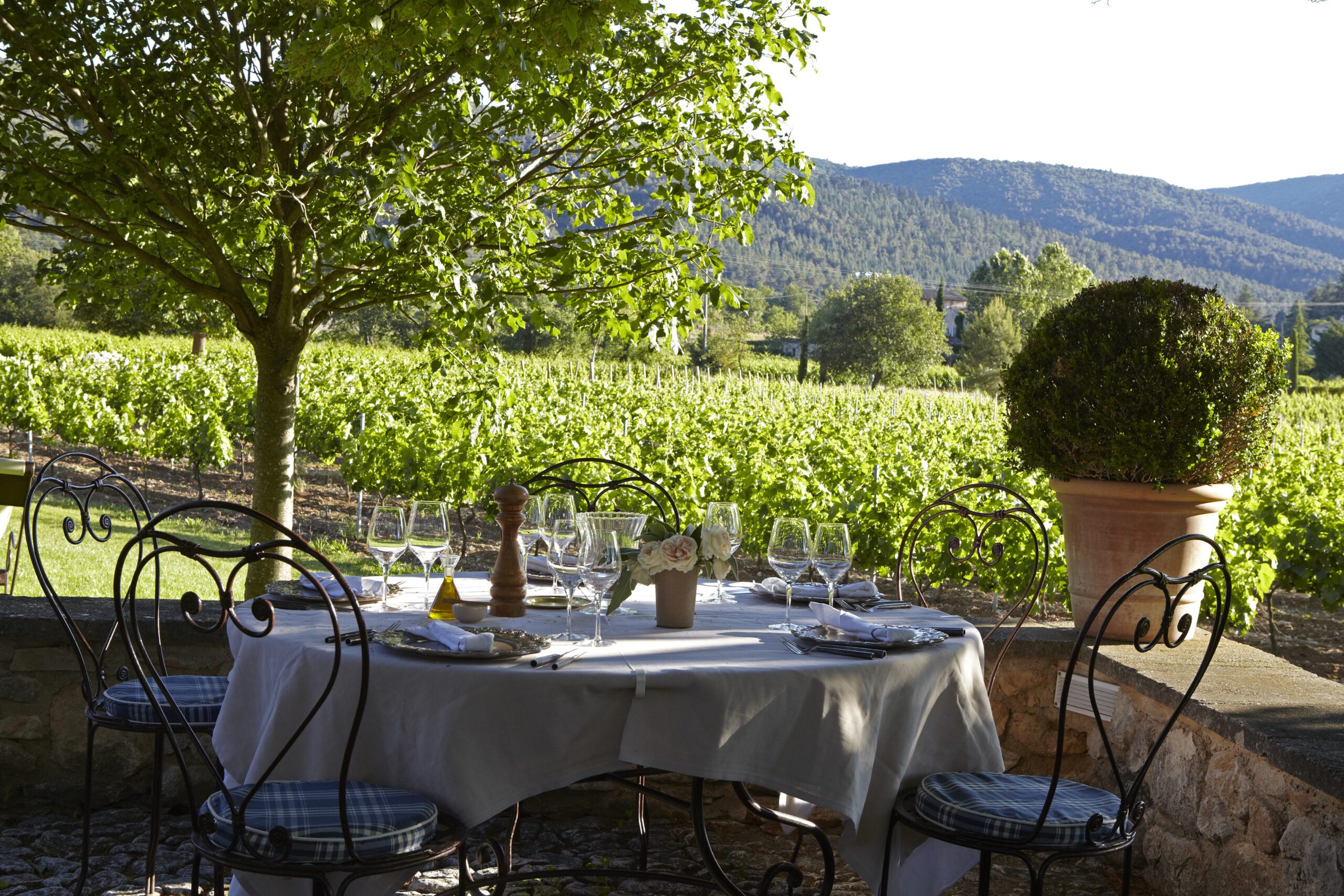
The winemaker — whose family has farmed this particular hillside in the Luberon since his grandfather planted the first vines in 1962 — meets you in the courtyard with the slightly distracted air of someone whose primary relationship is with the work rather than with the visitors, and who has agreed to this meeting as a favour rather than a commercial transaction. This is precisely the kind of introduction that Only Provence’s concierge team exists to arrange: not the tasting room, not the estate tour, but the cellar and the person who understands what is in it.

He opens four bottles. He does not describe them in the vocabulary of tasting notes. He describes the year: the rain in April, the drought in August, the harvest he brought in three days early because he knew the weather was changing. The wine is the record of a year on this hillside, and when he explains it that way, you taste something in each glass that wasn’t there before.

You buy more than you planned to carry home. You arrange shipping for the rest. On the drive back to the villa, through vines that are now not just scenery but a specific place with a specific story, the landscape looks different. This is what local knowledge does: it turns beautiful into meaningful.

Day Five: The Long Afternoon

There is a day in every good Provence week that has no agenda, and this is it.

The pool in the morning, the terrace for lunch — something assembled from what remains of the week’s market shopping, supplemented by yesterday’s discovery of a fromagerie in the village below that had a comte aged eighteen months that made conversation stop. The afternoon sun moves across the courtyard in its arc, and someone falls asleep in the shade, and someone reads, and someone does nothing at all with an absorption that would embarrass them at home.

This is, without irony or apology, the point.

The long afternoon in Provence is not wasted time. It is the medium through which the place enters you. It is how the quality of the light on old stone becomes a memory rather than an observation. It is where the week accumulates into something that will outlast the journey home.

Dinner, that evening, is at the restaurant outside the closest village that your arrival notes described as “the one the locals use, not the one they direct visitors to.” The dining is— unhurried, ingredient-led, specific to the hillside outside the window. The bill is modest. The evening is not.

Day Six: The Find You Didn't Plan For

Every good Provence week produces one: the thing that wasn’t in the notes, the village that appeared by accident, the morning that became the week’s truest memory.

Yours might be the path you took above Bonnieux that broke suddenly from the oak forest onto a view of the whole Luberon valley laid out below in the low September light, with no one else on it. It might be the Thursday market in a village small enough that the same three vendors you spoke to at 8am are still there at noon, and they recognise you, and this small recognition does something unexpectedly large to your sense of being, briefly, known. It might be the roadside stall — honour-system payment box, no vendor present — selling olive oil in bottles with handwritten labels.

These things cannot be planned for. They can only be made possible, by staying long enough, moving slowly enough, and knowing the general direction without the specific destination. Which is, in essence, the whole philosophy of a Provence villa week.

Day Seven: The Last Morning

The last morning always has a particular quality. You are up before anyone else, for the same reason you have been up before anyone else all week: the light, and the silence, and the fact that this is now the last of them.

You have coffee on the terrace. The valley below the property is still half in shadow. The mistral has gone — it left sometime on Friday night — and what replaced it is an absolute stillness, the air warm and faintly scented with something you have never been able to name precisely: thyme, dry grass, something older that might just be sun on old stone.

You sit there longer than you have any practical reason to. The cases are packed. The car is ready. The airport is two hours away.

In the end, you go inside. You take one more look at the terrace, the pool, the view that will not look precisely like this again until you return. You lock the shutters the way you were shown to on arrival, which turns out to feel like something.

On the drive to the airport, through the early morning landscape that is now legible to you in a way it wasn’t a week ago, you are already working out when you can come back. This is normal. This happens to almost everyone. It is, in its quiet way, the best review a place can receive.

Ready to plan one week in Provence?

What we have described here is not an exceptional week in Provence. It is a reasonably typical one, for guests who arrive with the right property, the right preparation, and the right people helping them find what the region actually holds rather than what it shows to the unprepared visitor.

Only Provence has spent years building the knowledge, the villa portfolio, and the concierge relationships that make weeks like this reproducible. Not identical — no two weeks in Provence are identical, because the market changes and the mistral comes when it comes and the winemaker opens the bottle he decides to open. But the quality of the week: the depth of it, the way it accumulates into something you carry home and return to — that is something we know how to make possible.

The first step is finding the right property. We know where to start.

Frequently Asked Questions About One Week in Provence

A week in a Provence villa follows the region’s natural rhythms: morning markets, unhurried lunches, afternoon village exploration, and evenings on a private terrace. Days are loosely structured around the weekly market calendar — each village holds its market on a set day, rotating through the week so there is always one within easy reach. Activities emerge from local knowledge rather than fixed itineraries: a winery visit arranged by the concierge, a private chef dinner, a truffle hunt in season. The defining quality is time — the sense that there is enough of it, and that this changes everything.

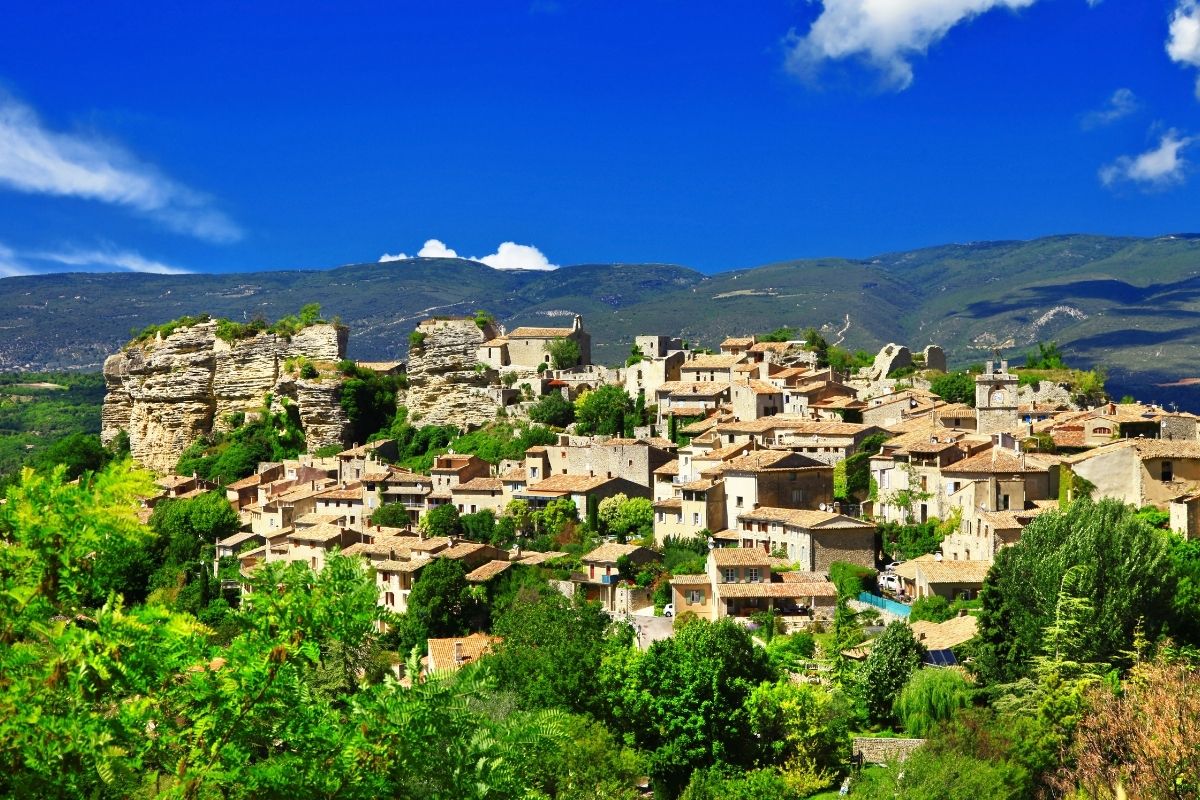
The most rewarding Provence discoveries tend to come from local knowledge rather than guidebooks — which is precisely what a concierge-supported villa stay provides. Beyond the well-known villages of Gordes and Les Baux, the Luberon holds dozens of smaller, quieter hamlets that receive a fraction of the visitor traffic: Buoux above its limestone gorge, Sivergues on its isolated ridge, Saignon with its panoramic ramparts. The Alpilles has equivalents. A well-briefed concierge can point you toward whichever of these suits the day’s mood — and more importantly, can tell you what to do when you get there.

For peak summer weeks — particularly late June through mid-August and during lavender season — booking six to twelve months in advance is strongly recommended for the best properties. Shoulder season weeks in September, October, and May can often be secured three to six months out, with greater flexibility in availability. Only Provence maintains long-standing relationships with villa owners across the Luberon and Alpilles, which occasionally allows access to preferred availability outside standard booking windows for returning guests.

A well-paced week in Provence might include two or three morning market visits across different villages, one or two wine domaine visits arranged through a local concierge, at least one private chef dinner at the villa, hiking or cycling in the Luberon Regional Nature Park, and several afternoons with no fixed plan. Seasonal additions include truffle hunting from late October, grape harvest visits in September, and lavender field visits in late June to mid-July. The most important structural principle is to resist over-scheduling — the best days in Provence tend to be the ones with the most room in them.

Both are exceptional, and the choice depends on what kind of week you want. The Luberon is larger, wilder, and more forested — with dramatic hilltop villages like Gordes, Ménerbes, and Bonnieux — and is best suited to travellers who want landscape immersion, hiking, and market culture as the primary experience. The Alpilles is smaller, slightly more refined, and more closely associated with Saint-Rémy-de-Provence’s art and wellness culture — better suited to travellers who want elegant village life, endless Michelin-adjacent dining, and the particular beauty of white limestone against blue sky. Many regular Provence visitors choose one region per trip and alternate between them across return visits.

A week is the minimum for a meaningful slow travel experience in Provence — enough time for the region’s rhythm to replace your own, to discover at least one thing that wasn’t on the itinerary, and to feel genuinely settled rather than just arrived. Two weeks allows deeper exploration: a second regional area, more developed local relationships, and the particular quality of a second week in which you already know where things are and can spend your time rather than finding it. Most guests who stay a week describe it as exactly the right length; most guests who stay a week also wish they’d booked two.

Recent Articles You Might Enjoy

A distinct collection of luxury villa rentals and real estate for sale in the South of France

- offering all comforts and amenities - pool, housekeeping, and chef services.

© 2026 Only Provence

Jumping the Picket Fence Light Through the Cracks

Only Provence co-founder Lydia Dean writes about their experiences raising a family, building a business in Provence, and later combining the love of travel with giving back in "Jumping the Picket Fence". In 2021, she published "Light Through the Cracks," a continuation of her journey, much of which has been based in Provence. Both books are available Amazon, Amazon.uk, and Amazon.Fr.