
This is not nostalgia. It is what happens every June, every July, every August, in the hills and fields and village squares of the Alpilles and the Luberon. It is happening again this year. And if you are reading this, it may be time to be there for it.
Summer 2026 in Provence is a season of exceptional depth — lavender fields at full bloom across the Luberon and Valensole Plateau, a landmark cultural calendar anchored by major festivals in Avignon, Aix and Arles, long unhurried evenings at the markets and terraces of the hill villages, and the enduring pleasures of one of the world’s great food and wine landscapes.
Looking for a last-minute villa rental for this summer in Provence? Don’t hesitate to contact a Villa Rental Specialist today to see what’s available.
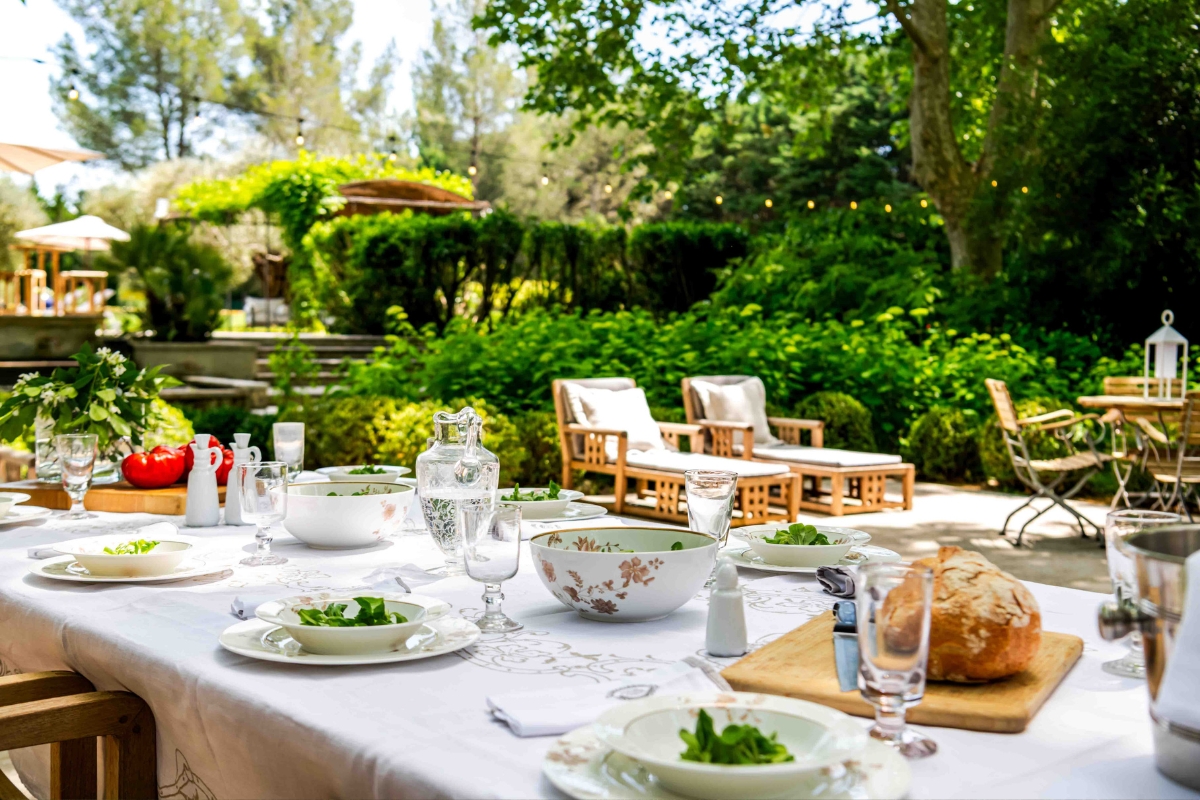
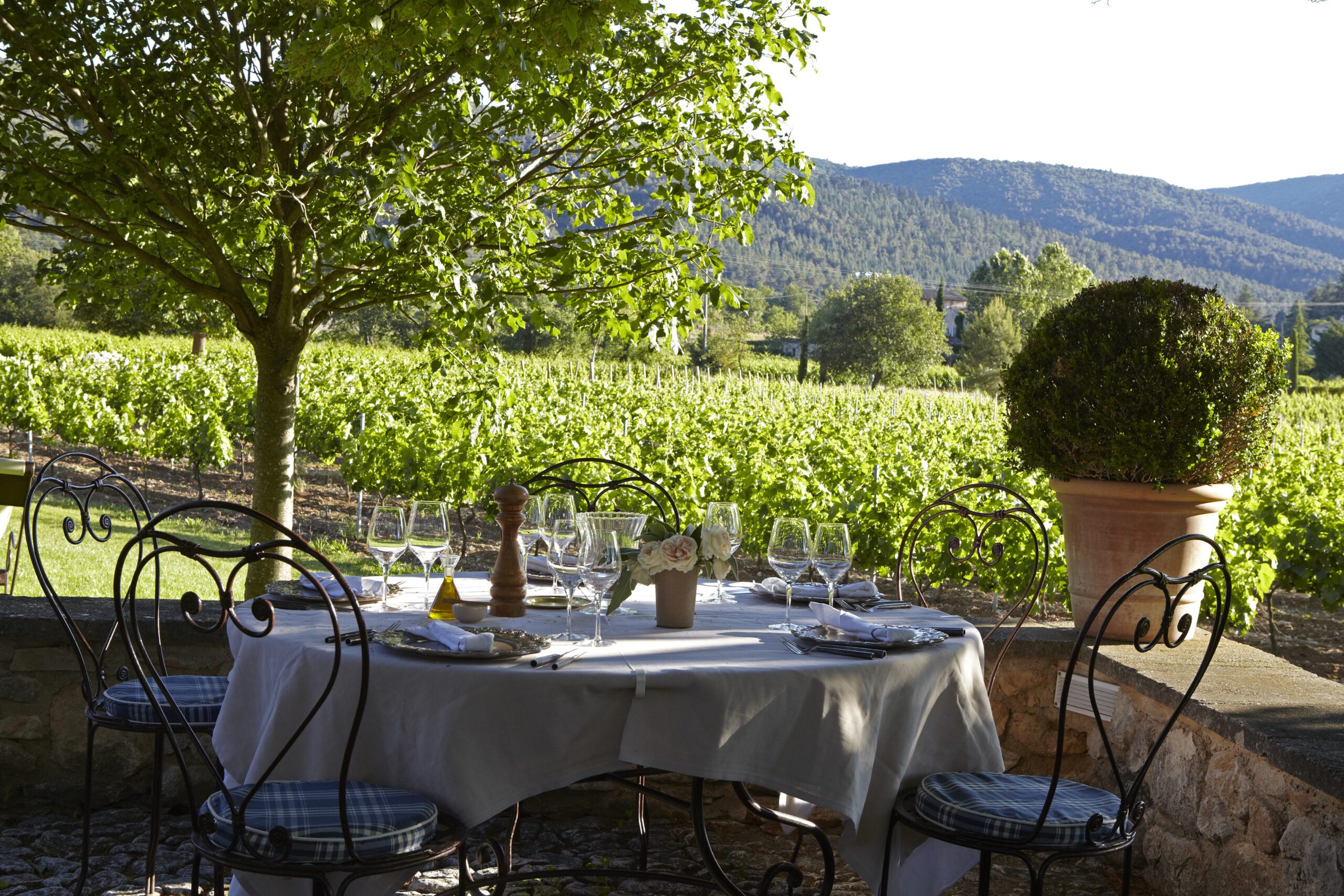
Summer in Provence operates at a frequency that most of the world’s great destinations can only approximate. The days are long — properly, generously long — with evening light that lingers past nine and a golden hour that stretches across terraces and hilltop villages in a way that makes you want to sit still and simply watch it. The heat is real and it is also part of the pleasure: the particular satisfaction of cold rosé on a shaded terrace, of a market morning completed before the sun reaches its height, of an afternoon that invites genuine rest.
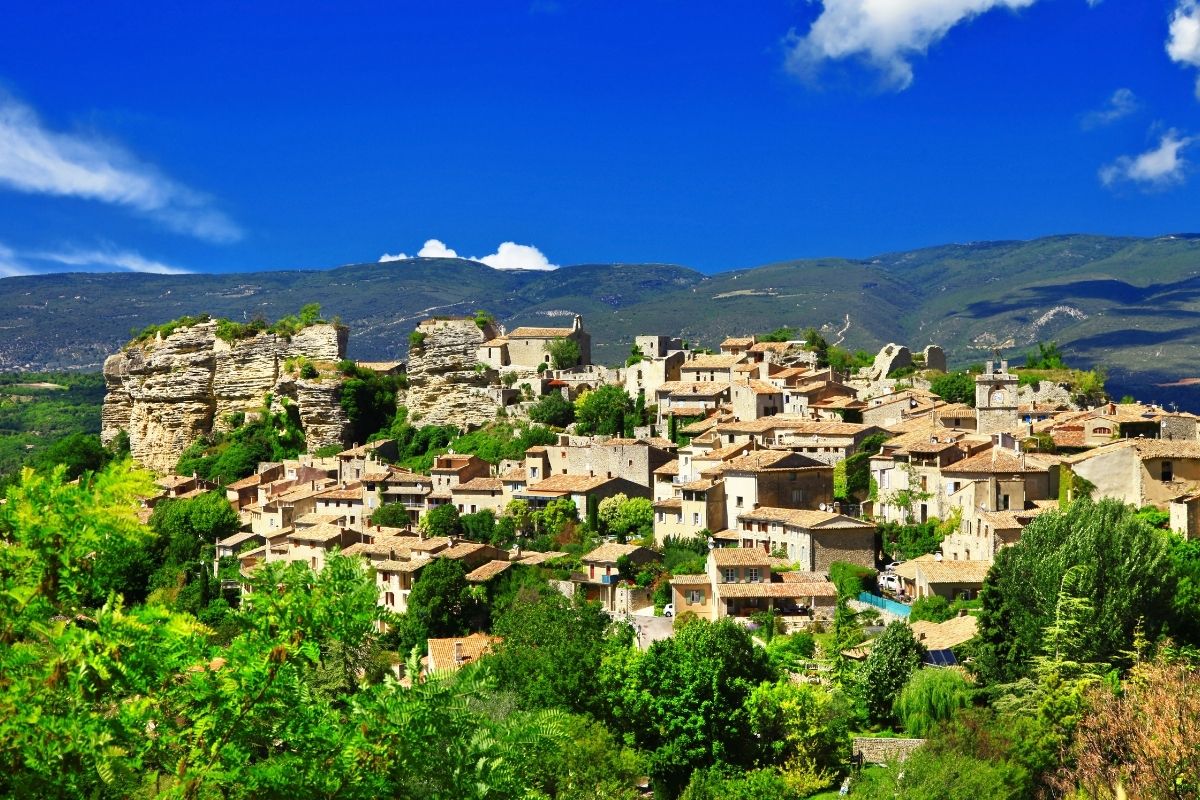
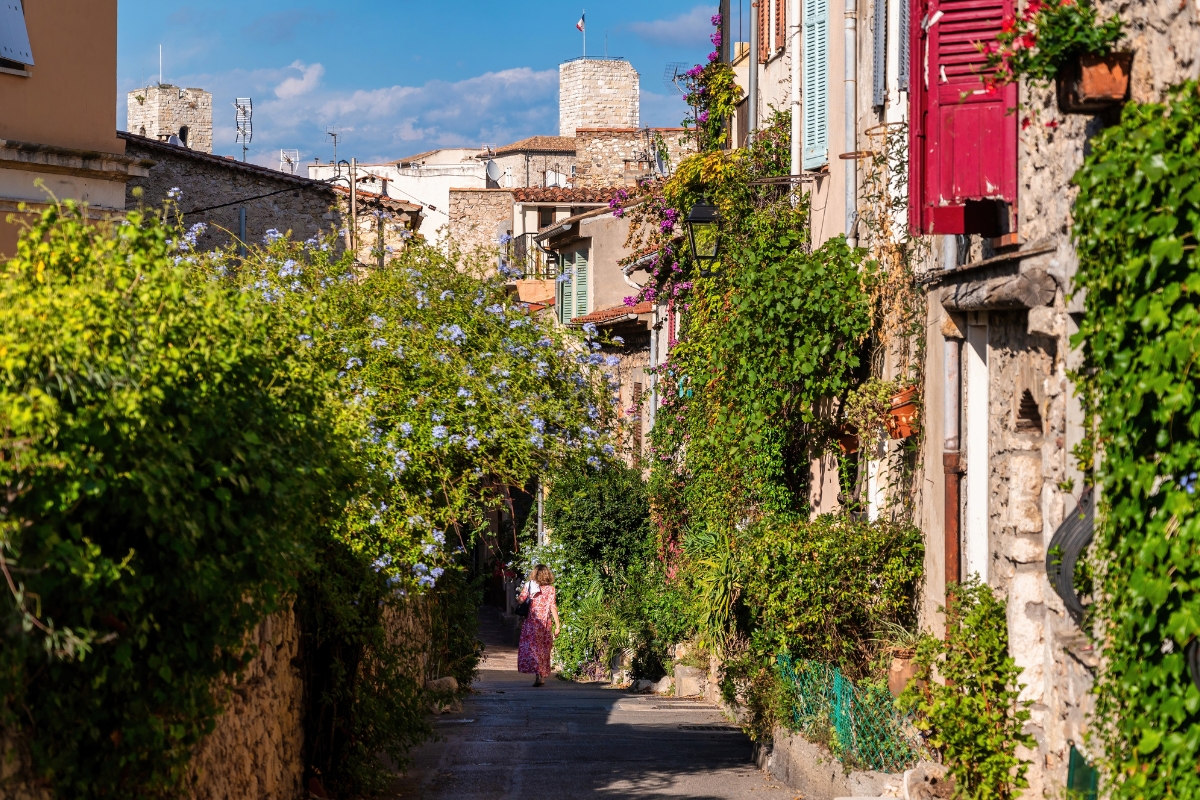
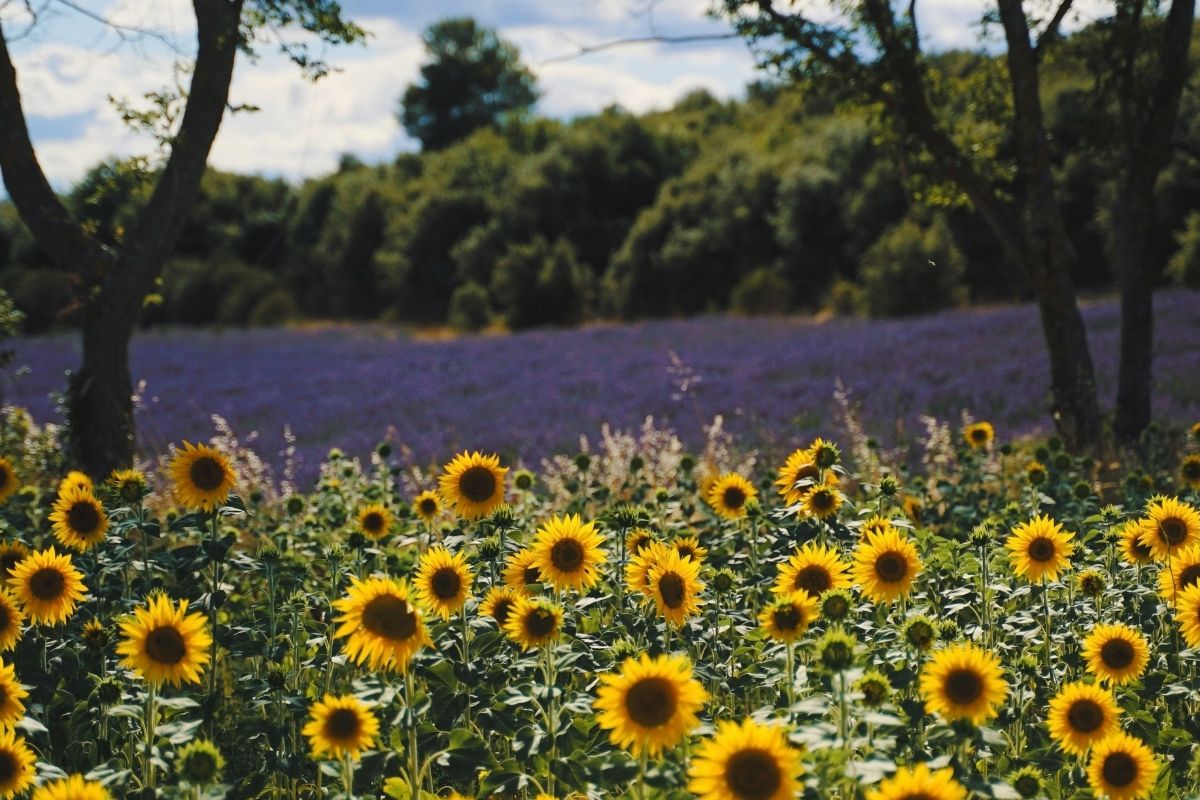
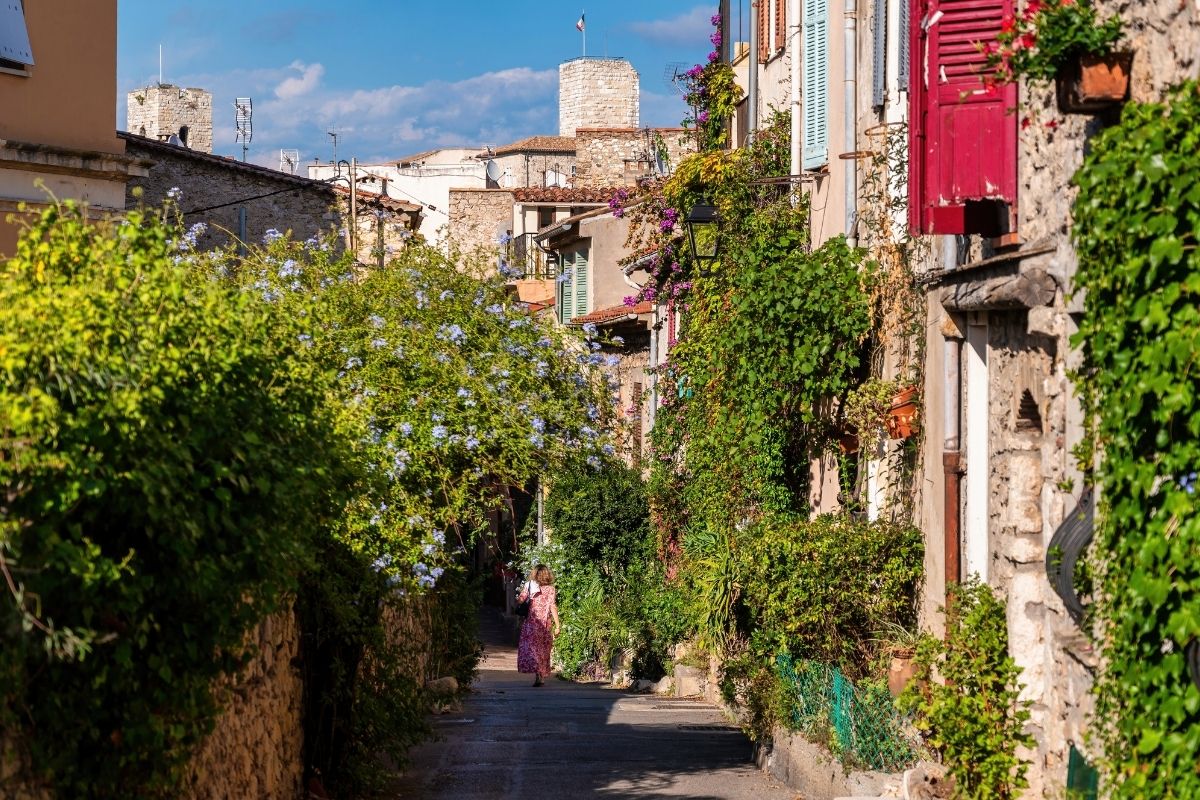
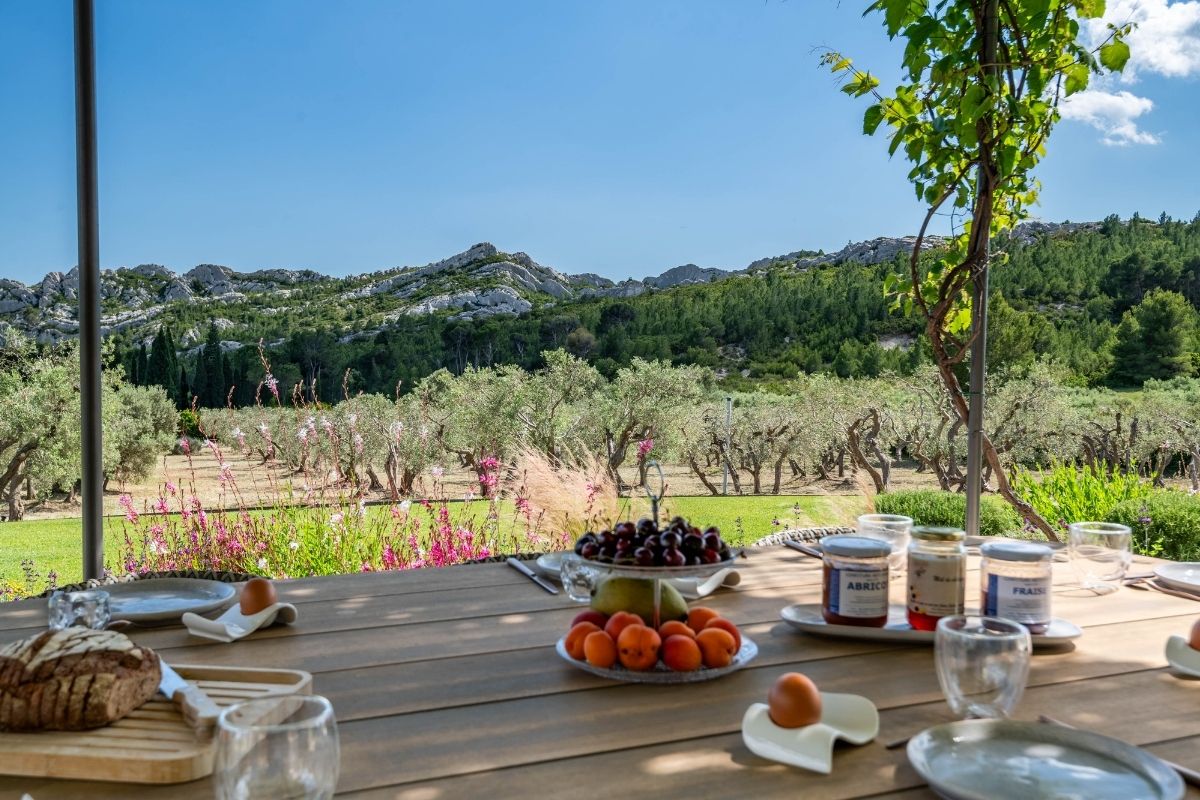
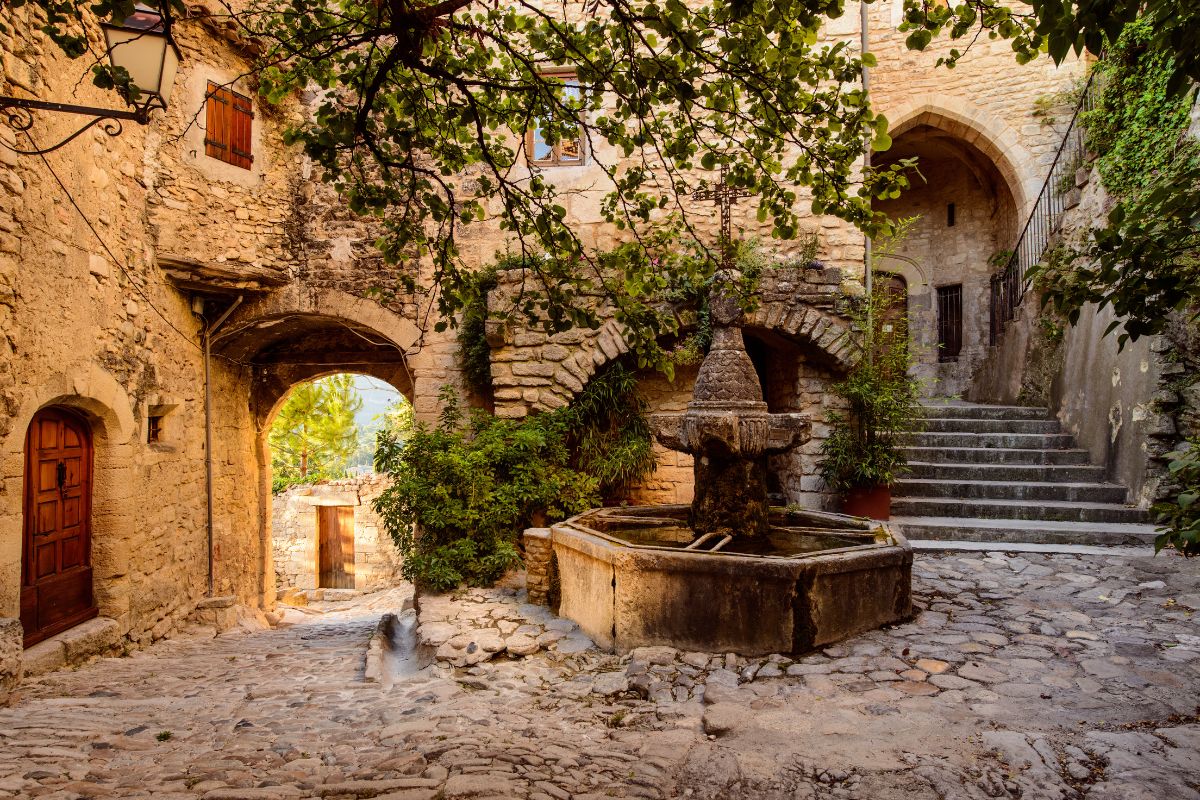
The landscape in July is at its most layered and most dramatic. The lavender is in bloom across the plateau. The sunflower fields stand open. The older villages of the Luberon — the stone and ochre and steep lanes — look exactly as they should: inhabited, unhurried, entirely themselves. The weekly markets, which in Provence are not tourist constructions but genuinely functioning parts of local life, are at their most abundant. The produce — the tomatoes and melons and courgette flowers and cherries — is at a peak that explains, without requiring any further argument, why Provençal cooking is what it is.
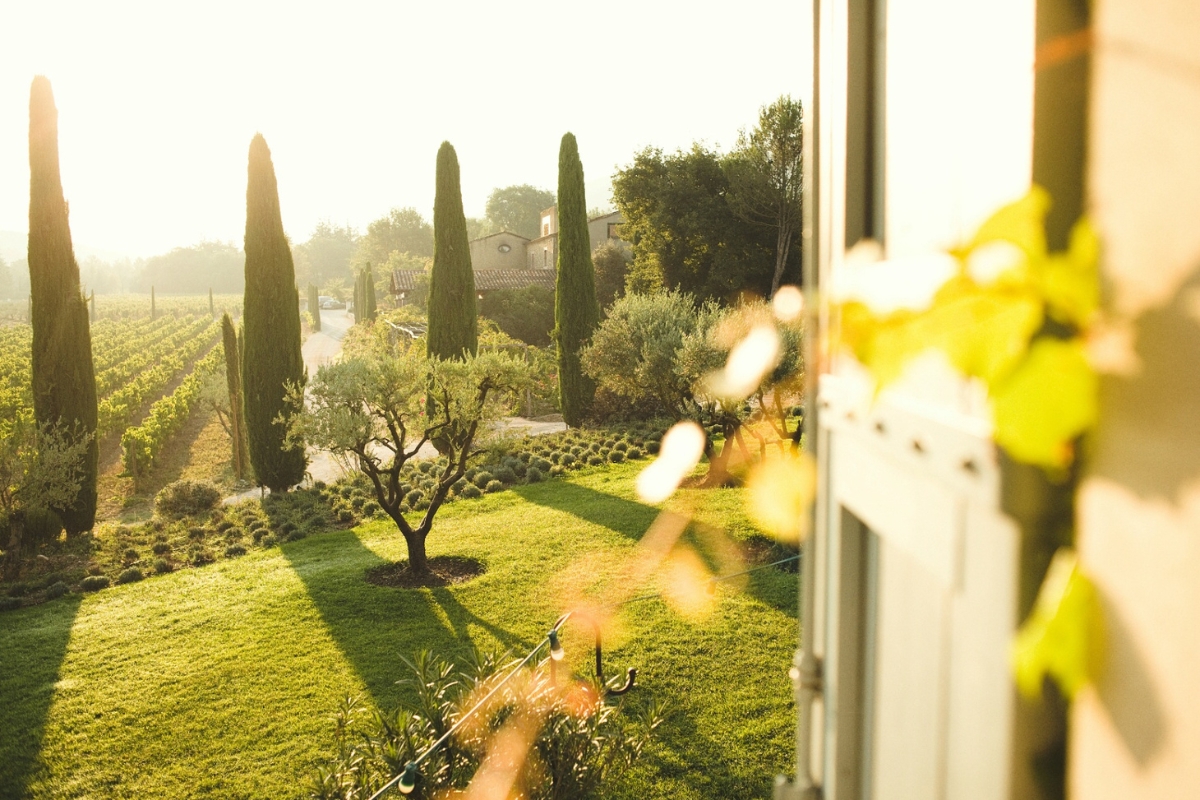
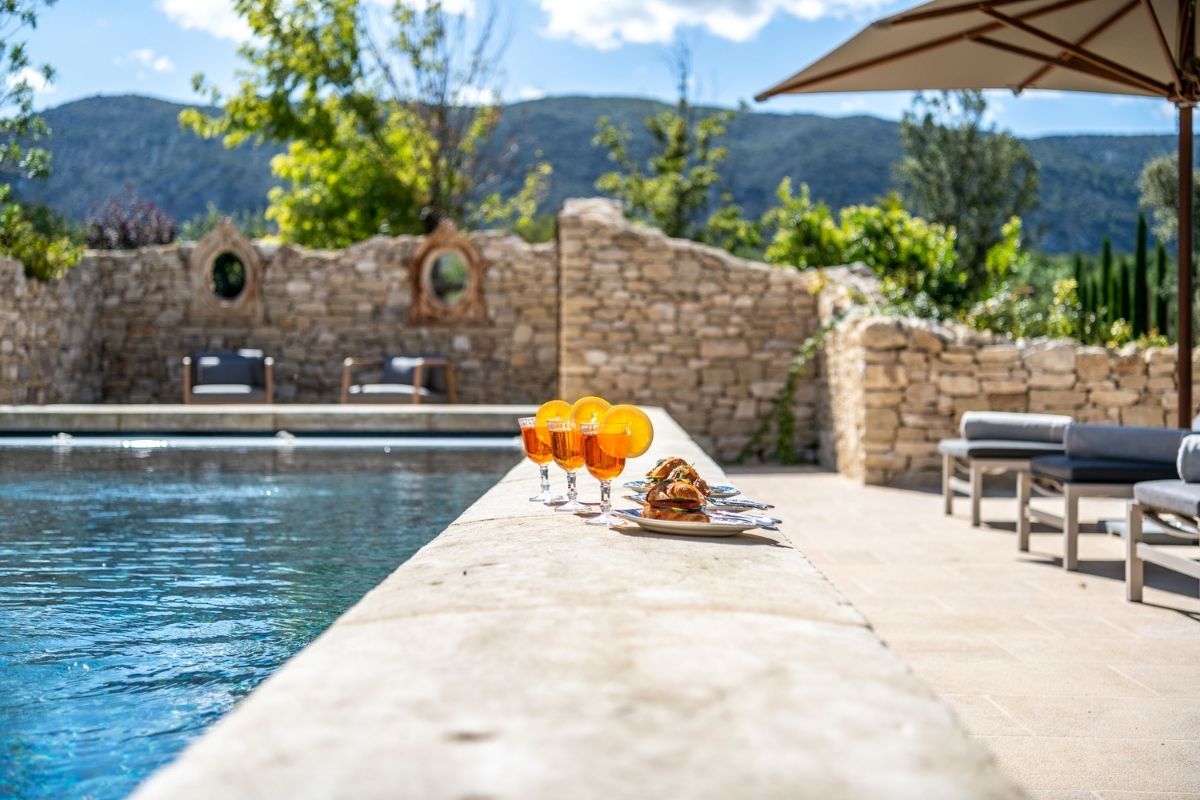
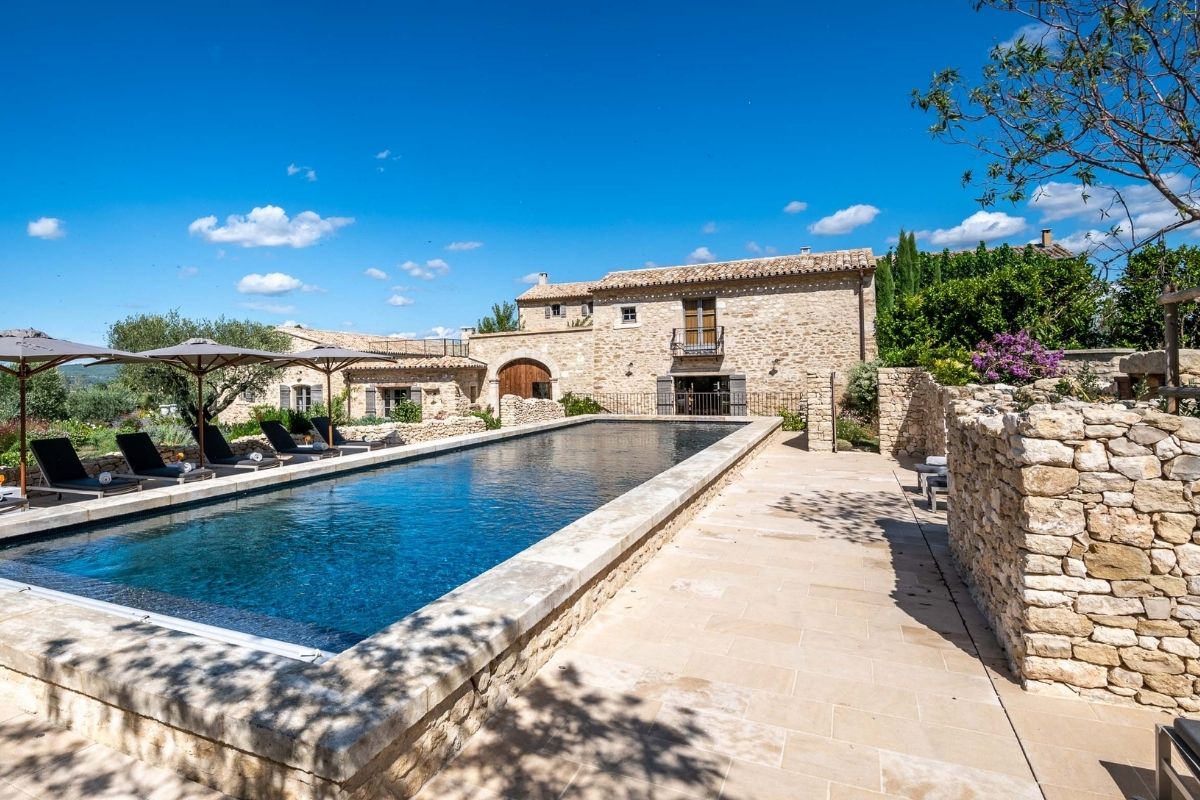
This is a landscape best experienced slowly. From a terrace, from a shaded drive through the hills, from a long lunch that extends without apology into the middle of the afternoon. A private villa — with the pool and the garden and the particular rhythm that comes from having a home rather than a room — is the right setting for this kind of summer. It always has been.
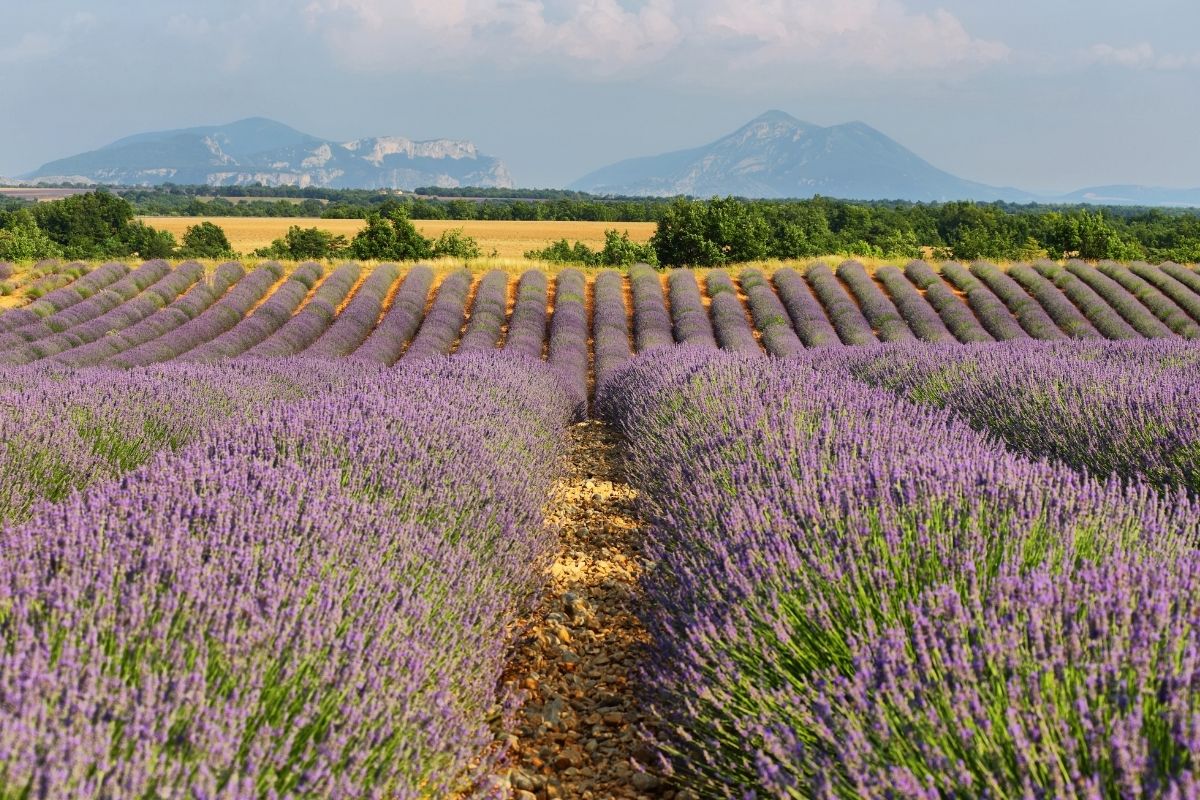
The lavender season is not a fixed event. It is a living, altitude-dependent progression that rewards those who understand its rhythms — and, for the guests who time their arrival well, delivers one of the most genuinely transporting landscapes on earth.
The Luberon: Late June — Early July: The Luberon lavender fields sit at a relatively low altitude — between 350 and 700 metres — and bloom earlier than anywhere else in the region. The hilltop villages of Gordes, Bonnieux and Ménerbes are at their most spectacular in this window, with fields in the valleys below already saturated with colour while the light is still at its most golden. For guests whose travel window falls in late June, the Luberon is where to be first.
Valensole Plateau: First Two Weeks of July: The Valensole Plateau is the image most visitors carry of Provence lavender — vast, horizon-filling rows of lavandin set against stone farmhouses, punctuated by sunflower fields that amplify the colour. The best time to visit the fields in bloom is generally the first two weeks of July, before the harvest begins in mid-July on the lower ground. The Valensole Lavender Festival takes place on the third Sunday of July — around July 19, 2026 — with traditional distillery demonstrations, local crafts and lavender product markets.
Pays de Sault: Mid-July — Early August: For those travelling in late July or August, the high plateau of Sault — above 800 metres — is where the finest lavender grows and where the season lasts longest. Less touristy than the Valensole Plateau, the Pays de Sault offers the chance to experience authentic Provençal lavender with fewer crowds, a dramatically cooler landscape, and bloom that continues well into August. The Sault Lavender Festival falls on August 15 each year. The village of Sault itself, and the drives through Aurel and Ferrassières, are among the most unhurried and genuinely beautiful excursions in the region.
A note worth holding: lavender responds to weather, not calendars. A warm early summer can accelerate the bloom; a heatwave can bring the harvest forward by days. The rhythm described above is reliable as a guide, not a guarantee — which is another reason to travel with a specialist who knows the region and can read the season as it develops.
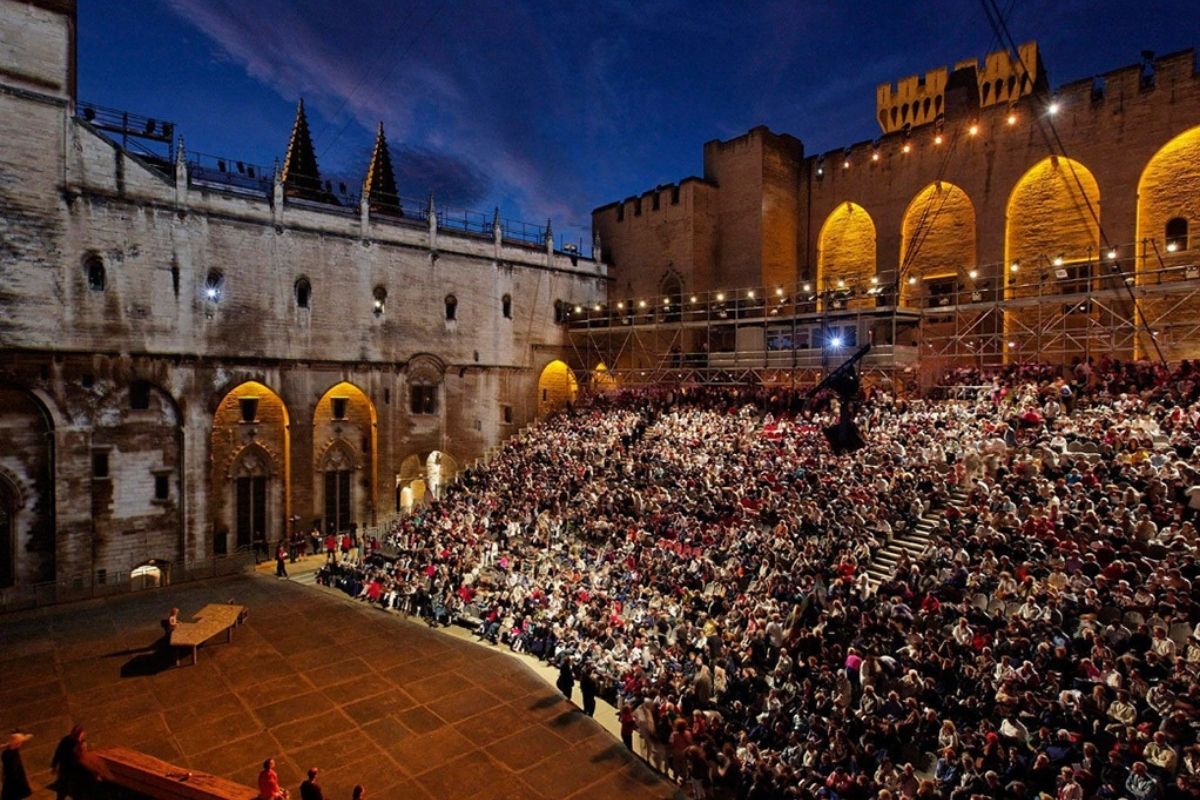
Summer 2026 happens to be a season of particular cultural richness in Provence. The Festival d’Avignon runs July 4–25, marking its historic 80th anniversary, with over 1,000 performances across 140 venues. The Festival d’Aix-en-Provence runs concurrently from July 2–21, and the Rencontres d’Arles photography festival opens its landmark week on July 6.
The Chorégies d’Orange — opera performed in a Roman theatre whose 37-metre-high ancient stage wall creates acoustics so perfect that elaborate sets become unnecessary — features Verdi’s La Traviata on July 4 and the Ballets de Monte-Carlo on July 13. An evening at Orange is one of those experiences that resists easy description: the heat of the stone after a long summer day, the first stars appearing above the stage, music rising into open air that has heard music for two thousand years.
For those who prefer their cultural experiences without crowds or calendars, the Carrières des Lumières at Les Baux-de-Provence — the immersive digital art experience housed in the dramatic limestone quarries beneath the village — presents Picasso: The Art in Motion and Frida Kahlo: In Full Heart throughout the season. Arrive in the morning, before the coaches; the quarry is cool, cavernous and extraordinary.
Explore 2026 Festival & Events in more depth in our dedicated seasonal guide.
Since April 10, 2026, a new EU border system has been fully in operation across all Schengen countries, including France. The EU Entry/Exit System — EES — is straightforward in practice, and once you understand what it involves, there is nothing about it that should give a well-prepared traveller a moment’s concern.
What the EES Is: The EES replaces the stamping of passports with digitally recorded entries and exits, alongside biometric data — fingerprints and a facial image — registered the first time a non-EU traveller crosses a Schengen border. It applies to UK, US, Australian, and Canadian visitors, and to any traveller from a country that does not hold EU or Schengen citizenship or residency.
What Happens at the Border: On your first crossing under the new system, you will be asked to scan your passport, have a facial image taken, and provide fingerprints at a kiosk or manned booth. You may also be asked a few simple questions about your stay — where you are staying, your return date — all of which takes place at the border and typically adds only a few minutes to the process. After this initial registration, future arrivals are considerably faster: your biometric data is already on file, and verification is largely automated.
With biometric and travel data already stored, border officers can verify identity faster and focus on targeted questions. Over time, many frequent visitors are expected to complete most steps at kiosks before a brief final inspection.
The Practical Advice: Allow a Little Extra Time: The system is now several months into operation and the processes are becoming well-established. That said, travellers arriving this summer are advised to reach the airport around an hour and a half to two hours earlier than they usually would, to account for any EES-specific processing time — particularly during peak travel periods in July and August. This is sensible precaution rather than cause for concern, and applies principally to the first trip; the system is explicitly designed to become progressively more efficient with each subsequent crossing.
For guests staying in a private villa in the Alpilles or Luberon, a car is not optional — it is the condition under which the region reveals itself properly. The lavender fields, the markets, the villages, the viewpoints that don’t appear in any guidebook: these are all accessible by road, at your own pace, on your own schedule. Provence is a landscape designed for the unhurried drive.
The airports most practical for the region are Marseille Provence (for the Alpilles and western Luberon) and, secondarily, Nice Côte d’Azur (for the eastern Luberon and beyond). Both have good car hire facilities; advance booking in summer is strongly recommended. The TGV from Paris to Avignon takes under three hours and is a graceful way to begin the journey if you are travelling through the capital.
Late June is for guests who want the lavender early, the villages before high season reaches full intensity, and the ease of days that are gloriously warm without being at the apex of summer heat. Markets are full, fields are beginning to colour, and the whole region has the particular atmosphere of something wonderful just beginning.
July is the height of it all — the fullest bloom, the most vivid light, the longest evenings, the richest market stalls, the great festivals. It is also the most sought-after month, and the most competitive for the finest properties. July guests book earliest, and the best villas are reserved well in advance.
August is golden in a different register — deeper, slower, a little more amber than July’s purple. The lavender plateau at Sault is still in bloom. The pace of village life has settled into its fullest summer rhythm. Families fill the courtyards and terraces, the light stays extraordinary, and the whole experience of Provence has a ripeness and generosity that makes it, for many guests, the most beloved month of all.
Each has its distinct character. The right answer depends on your party, your priorities, and — if you haven’t already secured your dates — what remains available for the season.
Check Availability for 2026: Share your travel dates and party details with the Only Provence team. We will tell you what remains available and, with the knowledge of nearly two decades in this region, what is worth choosing.
Start Planning for 2027: If the summer window is closing faster than you hoped, the best properties for 2027 are open now. This is the moment when choice is greatest and planning is most rewarding.
Lavender season in Provence in 2026 runs broadly from mid-June through early August, with peak timing varying by location and altitude. The Luberon fields bloom earliest — typically late June to early July. The Valensole Plateau reaches full bloom in the first two weeks of July, with the Valensole Lavender Festival taking place on July 19. The high-altitude Pays de Sault blooms latest, holding colour through late July and into August. For most guests, the first two weeks of July offer the best combination of bloom, light and warmth across all lavender areas.
The EU Entry/Exit System has been fully operational across all Schengen countries since April 10, 2026. It applies to UK, US, Australian and Canadian visitors — anyone from outside the EU or Schengen area. On your first visit under the system, you will register a facial image and fingerprints at the border, alongside your passport and a few brief questions about your stay. The process adds a modest amount of time at the border, and travellers are advised to allow an extra hour and a half to two hours at the airport for their outbound journey. After this initial registration, future crossings are significantly faster, as your biometric data is already on file.
No pre-travel authorisation is required for UK, US or other visa-exempt travellers visiting France for a summer holiday in 2026. The EU’s ETIAS travel authorisation — a system similar to the US ESTA — is expected later in 2026 but has not yet been confirmed or launched, and is not required for summer travel. EES registration happens automatically at the border on arrival; there is no need to register in advance, though the official Travel to Europe app allows you to pre-complete some biometric steps within 72 hours of travel if available in your country.
Summer 2026 is an exceptional season for the arts in Provence. The Festival d’Avignon runs July 4–25, marking its 80th anniversary, with over 1,000 performances across the city. The Festival d’Aix-en-Provence runs July 2–21. The Chorégies d’Orange — opera performed in one of the world’s best-preserved Roman theatres — features La Traviata on July 4. The Rencontres d’Arles international photography festival opens its principal week on July 6. The Carrières des Lumières immersive art experience at Les Baux-de-Provence is open throughout the season. Our dedicated summer 2026 cultural guide covers all of these in detail.
Marseille Provence Airport is the most practical gateway for both the Alpilles and the Luberon, with journey times of approximately 45 minutes to an hour by car for the Alpilles and an hour to an hour and a half for the heart of the Luberon. Nice Côte d’Azur Airport serves the eastern Luberon and the Var and is a good option for guests approaching from that direction. For those travelling from Paris, the TGV to Avignon takes under three hours, with car hire available at the station. A car is essential for getting the most from either region, and advance reservation in July and August is strongly recommended.
There are still exceptional properties available for summer 2026, but the window is narrowing — particularly for July and for the most sought-after properties in the Alpilles and Luberon. The best approach is to contact the Only Provence team directly with your travel dates, party size and preferences; our specialists know the current availability across the full portfolio and can advise quickly on what remains genuinely exceptional rather than simply available. For those whose 2026 plans are now fixed, it is also a natural moment to begin thinking about 2027 — when the full range of properties and the best travel dates are still open.

Summer 2026 in Provence is extraordinary — lavender in full bloom, a landmark cultural calendar, and long golden evenings waiting. Here’s everything you need to know to arrive relaxed and ready. […]

Discover the remarkable story of the Four Queens of Provence—Marguerite, Eleanor, Sanchia, and Beatrice—the 13th-century sisters who became queens of Europe’s greatest powers. Visit the medieval sites where their story began. […]
Read More… from 12 Reasons Provence Is the World’s Best Slow Travel Destination

Discover the remarkable story of the Four Queens of Provence—Marguerite, Eleanor, Sanchia, and Beatrice—the 13th-century sisters who became queens of Europe’s greatest powers. Visit the medieval sites where their story began. […]

Tucked between Gordes and Roussillon, Joucas is the Luberon village that rewards those who wander past the obvious — lavender fields, honey-stone lanes, and genuine serenity. […]
- offering all comforts and amenities - pool, housekeeping, and chef services.
© 2026 Only Provence

Only Provence co-founder Lydia Dean writes about their experiences raising a family, building a business in Provence, and later combining the love of travel with giving back in "Jumping the Picket Fence”. In 2021, she published “Light Through the Cracks,” a continuation of her journey, much of which has been based in Provence. Both books are available Amazon, Amazon.uk, and Amazon.Fr.