Why Travellers Keep Coming Back to Provence Year After Year - Only Provence

Why Travellers Keep Coming Back to Provence Year After Year

It's not nostalgia. It's the unsettling feeling, somewhere over the English Channel or the Atlantic, that Provence is more yours than the place you're returning to.

There is a specific conversation that happens in the Only Provence office more than any other. A guest calls — sometimes weeks after returning home, sometimes years later — and says some version of the same thing: We need to go back.

Not “we’d love to return someday.” Not “we’re thinking about it.” We need to go back. The phrasing is always slightly urgent, slightly bewildered, as though they are reporting something that happened to them rather than a decision they have made.

Provence does this. It is perhaps the region’s least-advertised quality — not the lavender or the light or the food, all of which are famous, but the hold it takes on people who spend time here properly. The returning guest is not seeking the same experience twice. They are seeking the next layer of a place that, it turns out, has more layers than one visit can reach.

Here is what they are really going back for.

Why Do People Keep Returning to Provence?

Provence generates unusually high rates of repeat visitation among European travel destinations, particularly among travellers who stay in private villas or châteaux for a week or more. The reasons are consistently both specific and difficult to articulate: the food, the light, and the landscape are cited most often, but experienced travellers typically point to something less tangible — a quality of presence, of feeling genuinely located in a place, that proves hard to replicate elsewhere and nearly impossible to forget. Many guests return to Provence two, three, or more times, often to different regions — the Luberon one year, the Alpilles the next — before finding a property or a village they consider theirs.

The Seasons Ensure You've Never Really Seen It

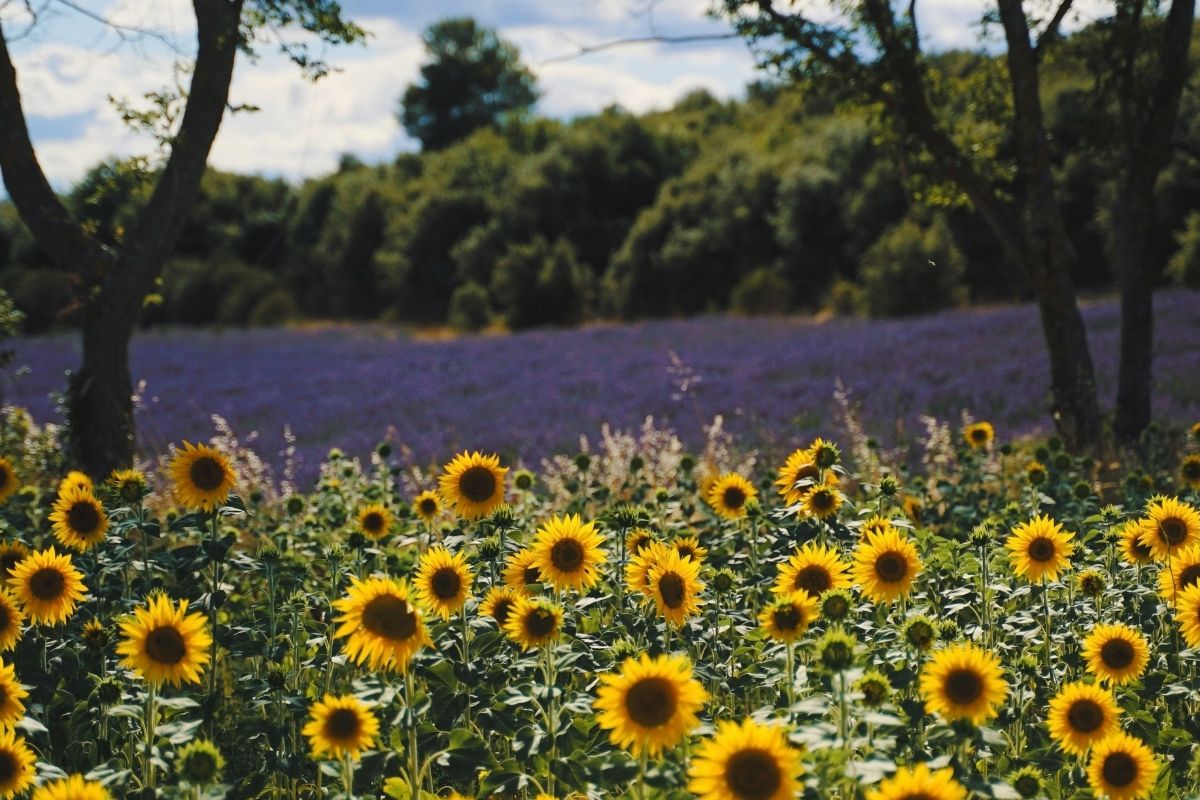
Provence in summer and Provence in autumn are not variations on the same experience. They are different destinations wearing the same landscape. The lavender fields of late June, the grape harvest of September, the truffle markets of January, the cherry blossom of April: each season opens a Provence that the other three keep closed.

Travellers who visit once in August, however perfect the stay, have seen one-quarter of what this region contains. This is not a failing of the first visit. It is the invitation the first visit extends. Return in October and the light is different, the tables are different, the villages are different, and you are slightly, usefully different too. Provence rewards the traveller who gives it time across seasons the way a great novel rewards the reader who returns to it across years.

Each Visit Goes Deeper

The first time in Provence, you notice the obvious: the beauty of the hilltop villages, the quality of the rosé, the languorous pace of a long lunch. The second time, you notice what’s underneath: the particular winemaker whose Luberon rouge is unlike any other, the village market that appears only on Wednesdays and only between 8 and noon, the hiking trail above Bonnieux that opens a view no guidebook has adequately described.

Slow travel in Provence reveals itself in layers. Each return peels one back. Travellers who visit three or four times often describe a growing feeling of orientation — not just knowing where things are, but knowing how the place works, which is something different and harder to acquire. It is the difference between visiting a city and beginning to understand it.

The Relationships Become Real

Provence’s most loyal returning guests share a particular kind of story. The winemaker who, on the third visit, didn’t open the bottle from the wine list but disappeared into the cellar and brought up something he’d been keeping. The market vendor who recognised them two years on and set aside a piece of aged cheese before they could ask. The village baker who learned their order by the second morning of a second stay.

These relationships don’t happen on a first visit, and they don’t happen at a hotel check-in desk. They happen when you return, and when you stay long enough that you cease to be a tourist in someone else’s daily life and become a brief, familiar part of it. For many Provence regulars, this accumulation of small recognitions is the thing they miss most acutely when they are home.

The Light Is Somehow Different Every Time

Provençal light is famous enough to seem like a fixed quantity — as if you could bank the experience of it on one visit and withdraw it on demand. What regular visitors discover is that it is nothing of the sort. The quality of light changes with the season, the time of day, the presence or absence of the mistral, the angle of the sun at different points in the year.

The autumn light above the Luberon at 5pm is not the summer light at noon. The winter light on the limestone ridges of the Alpilles on a clear January morning is not the spring light diffused through almond blossom. Artists from Cézanne to Van Gogh returned to this landscape repeatedly not because they were painting the same thing but because, in different conditions, it became a different thing. Returning travellers experience a version of this — not artistic but perceptual, and no less real for that.

The Villa Becomes a Second Home

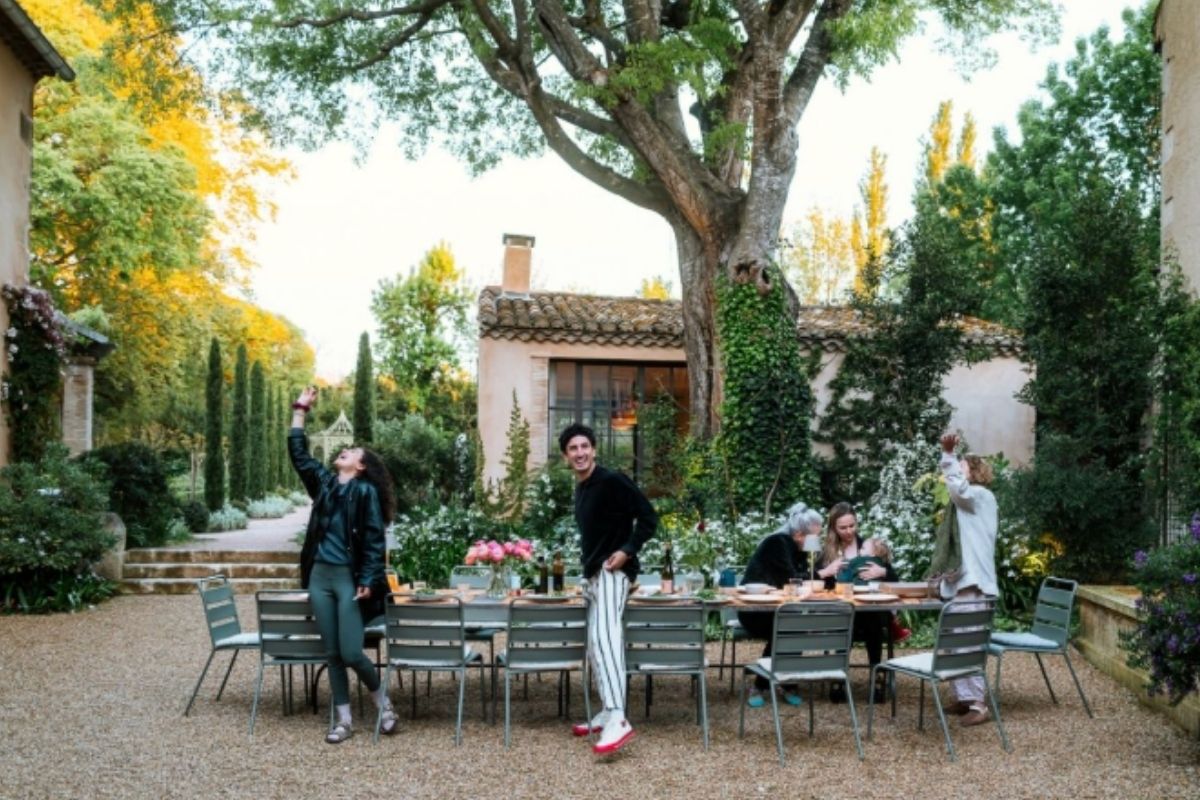
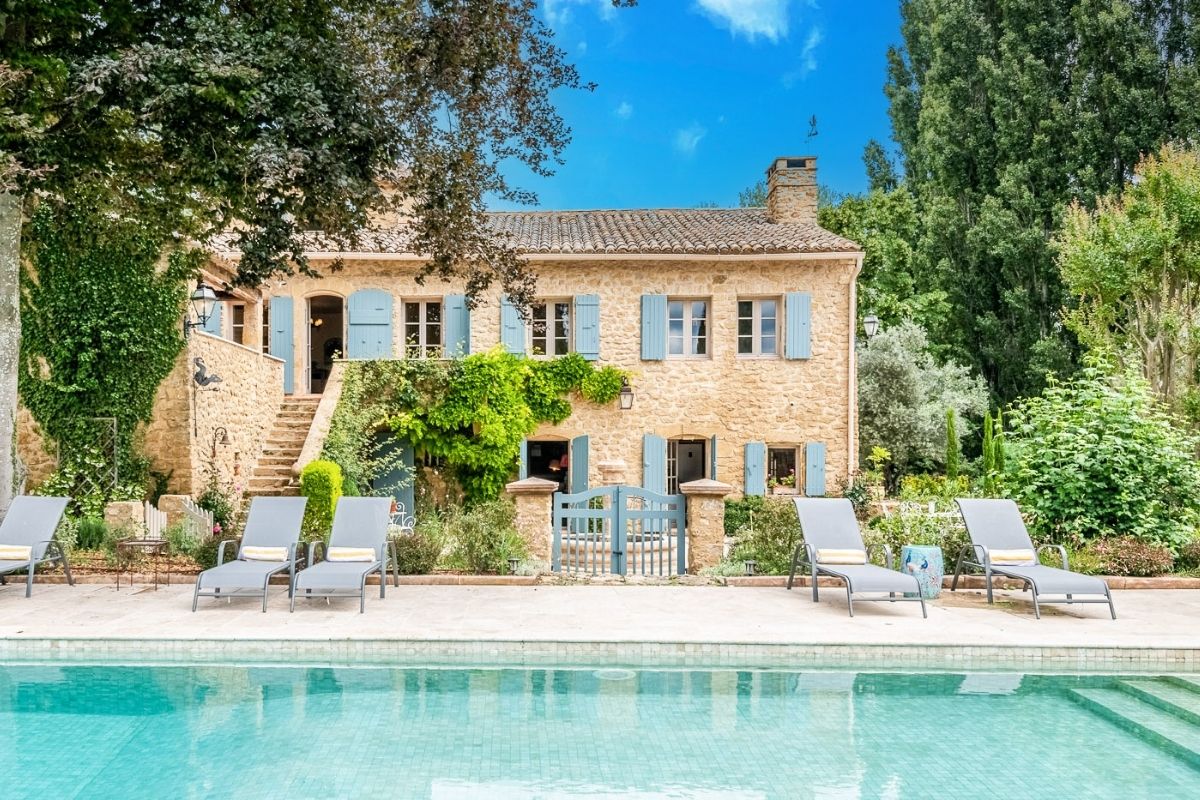
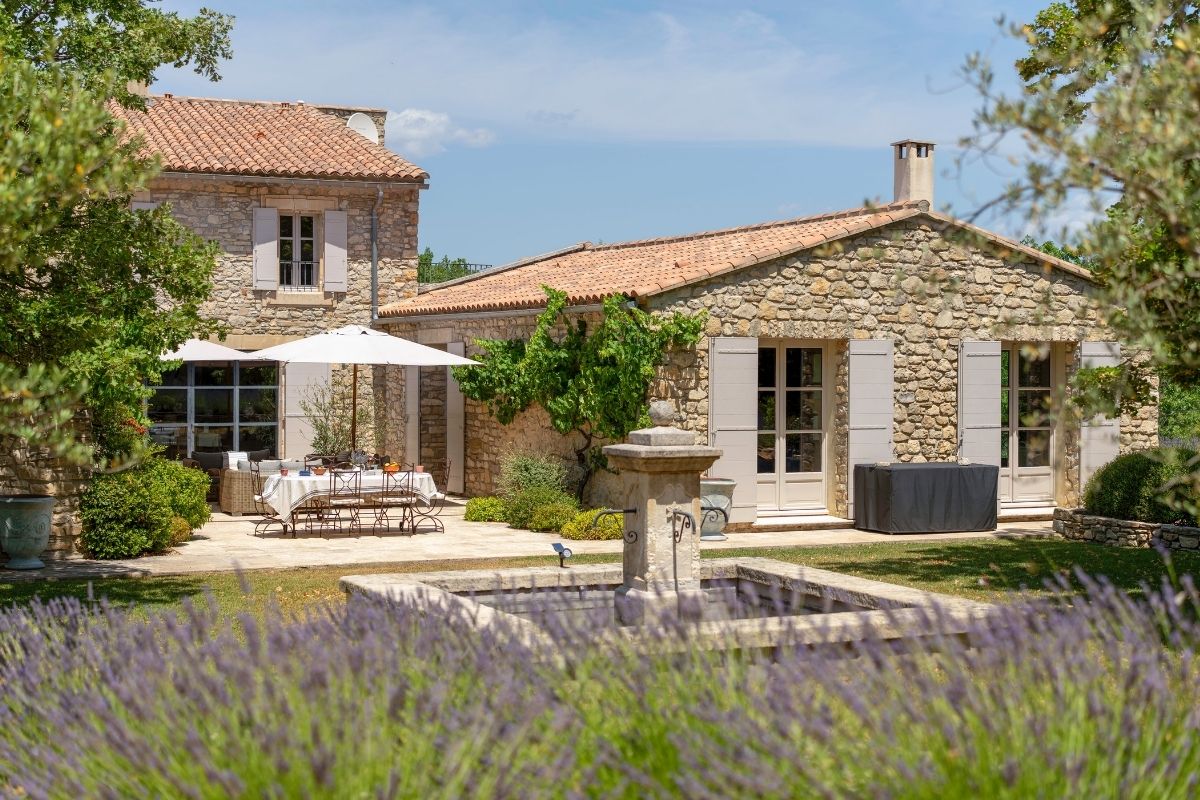
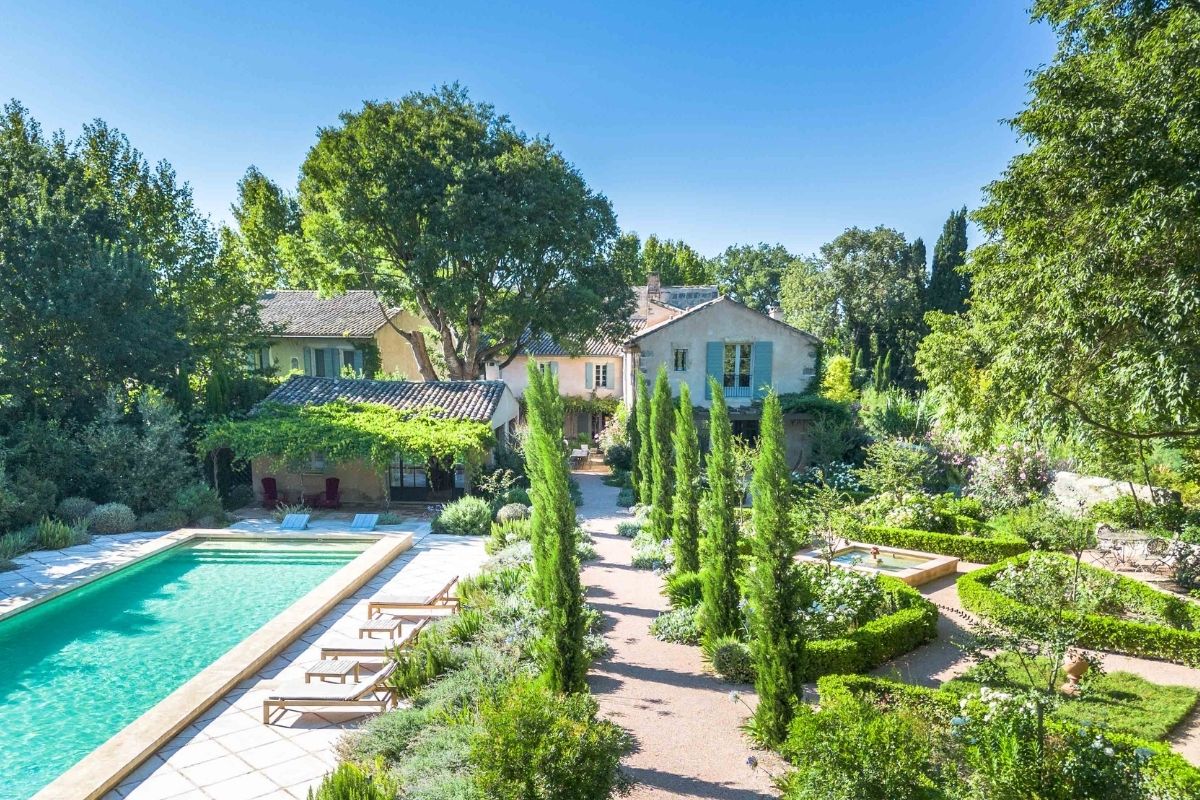
There is a particular category of returning guest who requests the same property every year. Not a similar property. The same one. The villa where the fig tree overhangs the breakfast terrace. The château where the bedroom shutters open onto a specific view of the valley. The farmhouse with the kitchen that made a week of private chef dinners feel like cooking in someone else’s family home.

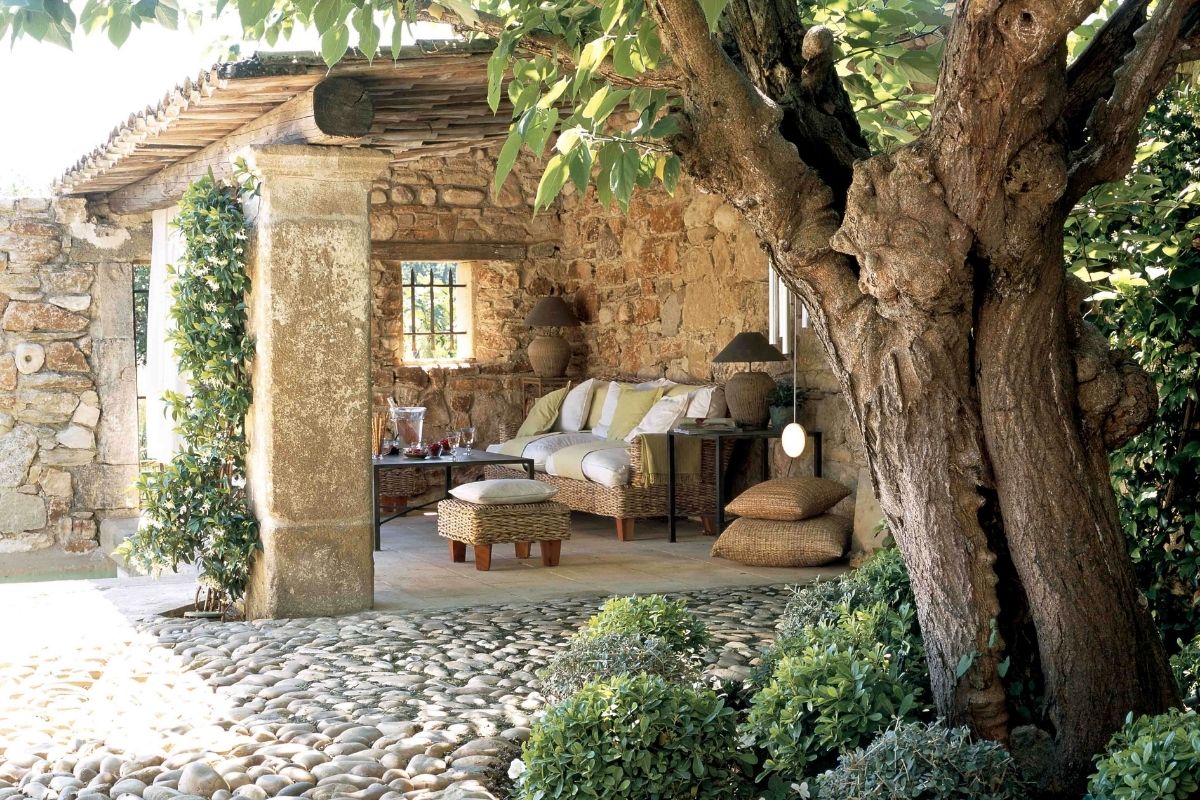
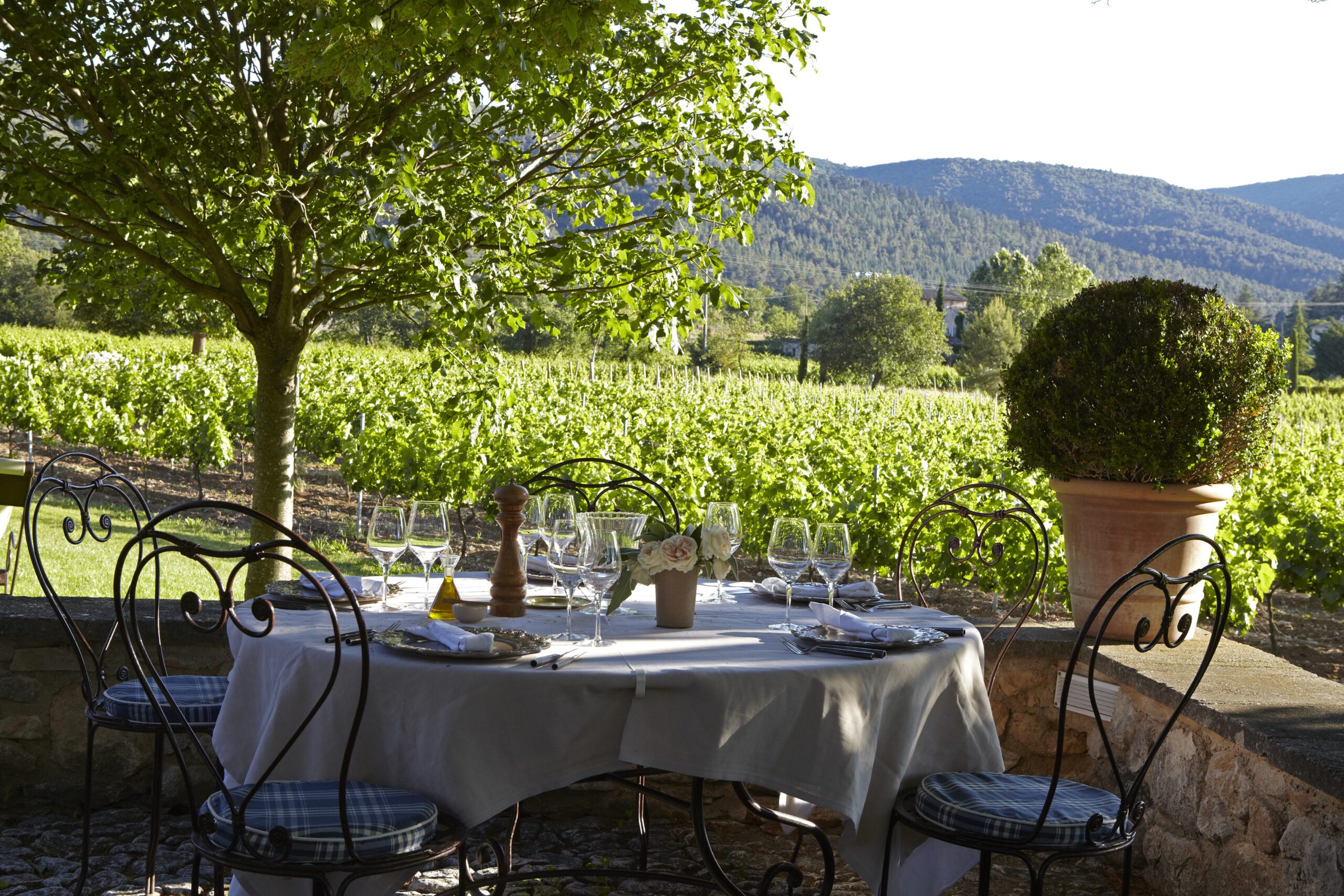
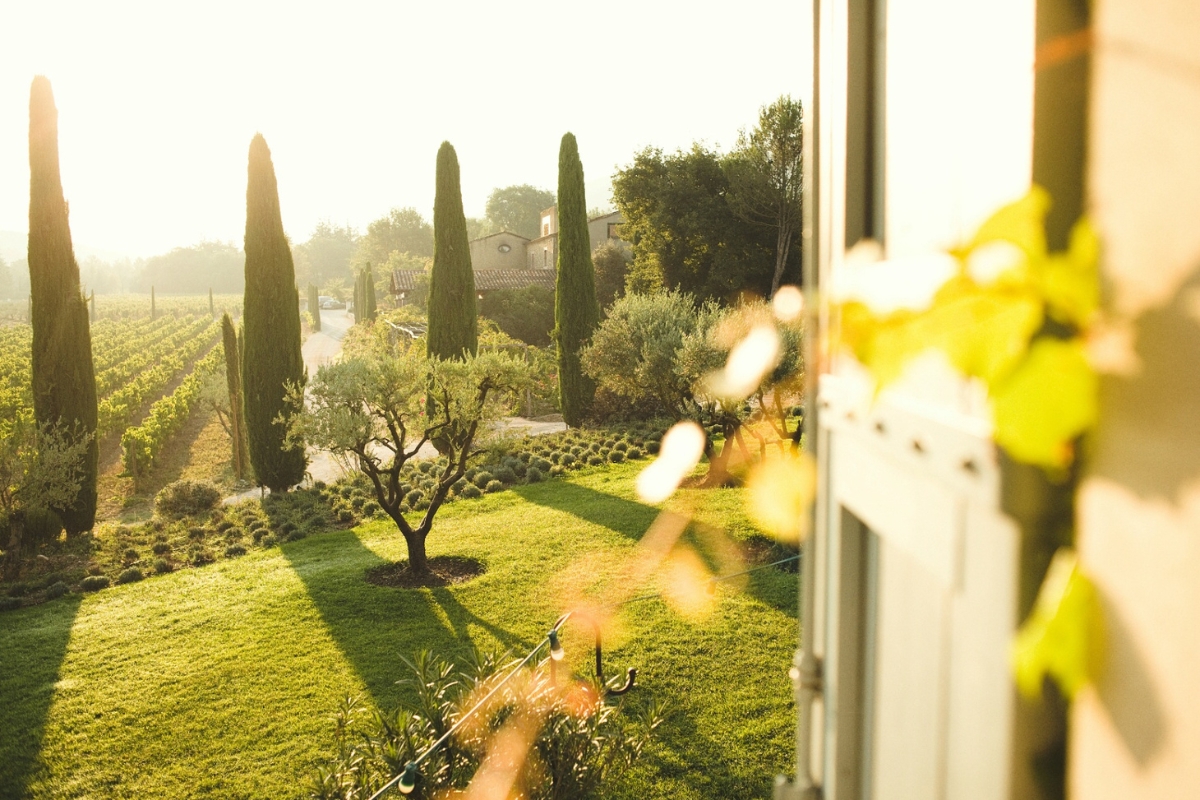
Private villa accommodation in Provence generates this kind of attachment in a way that hotel stays rarely do. The property becomes a spatial memory — you know where the light falls at noon, you know the sound the cicadas make from the pool in late afternoon, you know which terrace to have dinner on and which to have breakfast on and why. Returning to that property is not repetition. It is, for many guests, the closest thing to having a second home in southern France without the paperwork.

Only Provence maintains long-standing relationships with its villa owners and its returning guests, which means we can often secure preferred availability at the same property year after year — and we know which properties generate this kind of loyalty most reliably.

It Becomes a Marker of Time

For many families, Provence has taken on a role that goes beyond travel. It has become the place where time is measured. The year the children were young enough to spend all afternoon in the pool. The year the grandparents came and sat in the garden every evening until dark. The year that was unexpectedly difficult at home and the Luberon felt, against the odds, like relief.

Multigenerational Provence trips — and Only Provence’s properties are specifically suited to large groups and extended families, with villas of three bedrooms and above — create the kind of shared memory that families return to not just physically but in conversation for years afterwards. The accumulation of these markers is one of the deepest reasons people come back: not to see Provence again, but to add another layer to a record of their lives that happens to be written in lavender and stone.

The Food Refuses to Leave You Alone

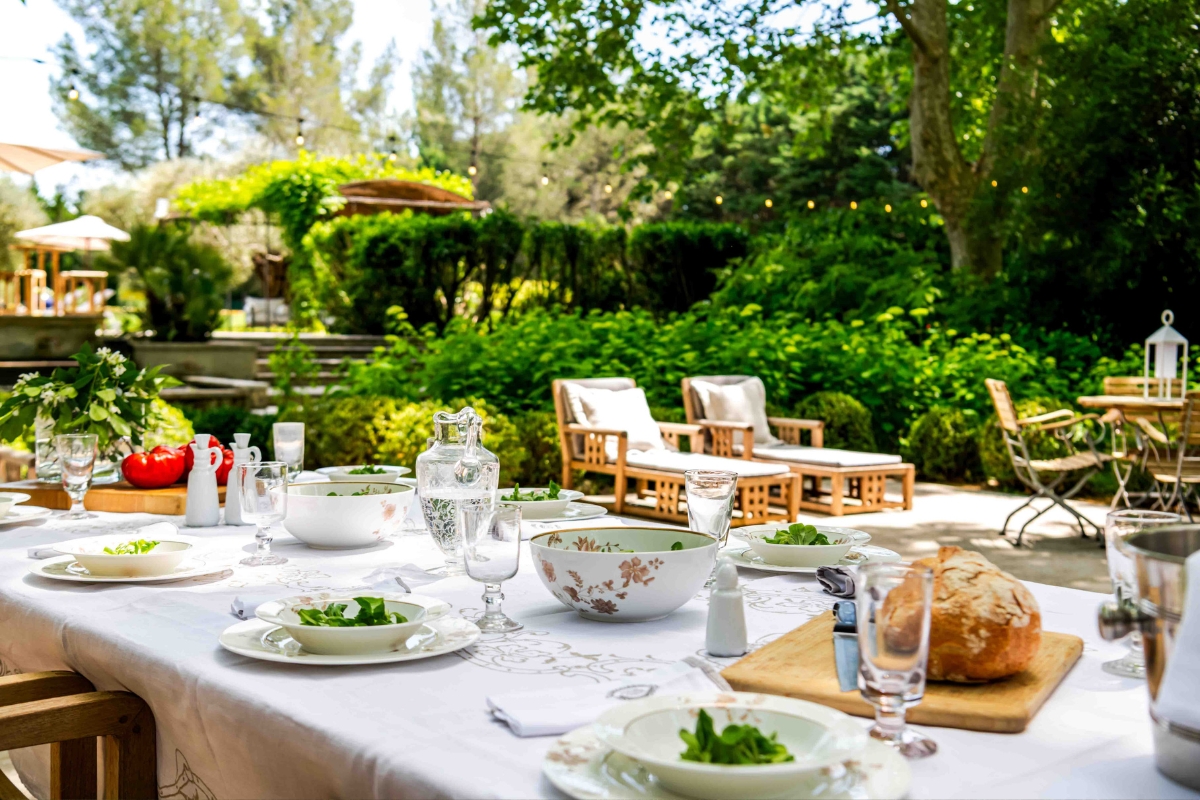
Somewhere between a month and a year after returning from Provence, most visitors experience the same thing: a specific craving they cannot satisfy at home. Not for Provençal food in general — for a particular thing. The tapenade from a specific market stall. The lamb they ate on the second night at that restaurant outside Lourmarin. The omelette aux truffes that the private chef made on the last morning.

This is not homesickness for a place. It is a sensory memory so specific that only returning to its source will address it. Provençal cuisine, at its best, is precise: the flavours are individual enough, the ingredients specific enough to their region, that they cannot quite be reproduced elsewhere. This is, in purely practical terms, an excellent reason to return. Most people don’t argue with it.

It Is the Place Where You Remember How to Stop

Provence has a specific effect on certain travellers — the ones who arrive overscheduled, overstretched, and operating at a pace that the region immediately refuses to accommodate. The long lunch cannot be shortened. The market cannot be hurried. The village square at dusk has no agenda and will not be rushed through.

What these travellers discover, usually by day three, is that they have stopped checking the time without noticing. That they have sat on a terrace for two hours watching the light move across the valley and found it sufficient. That they have, in some fundamental way, exhaled.

The return visit is often an attempt to recover this — not as a tourist experience but as a practice, something to be returned to the way one returns to exercise or sleep or any maintenance that life’s velocity tends to interrupt. Provence, for these travellers, is not a destination. It is a recalibration they have learned they require.

There Is Always One More Village

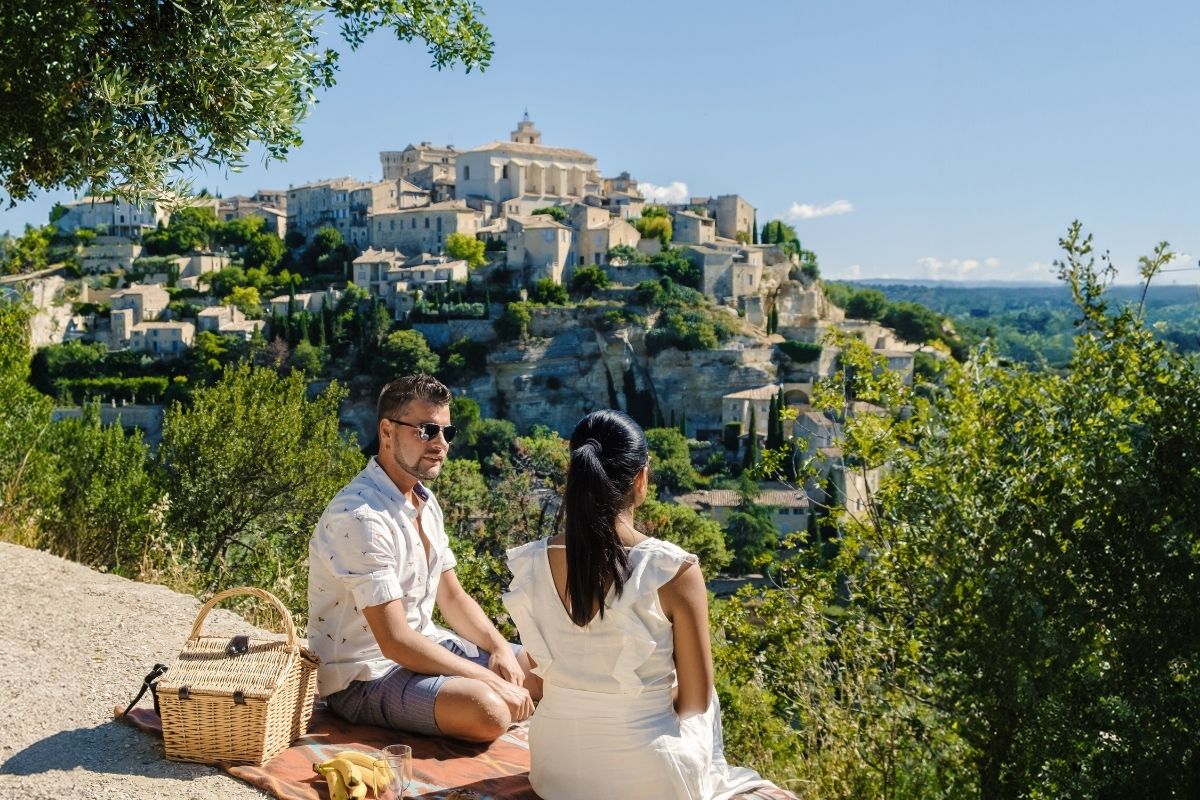
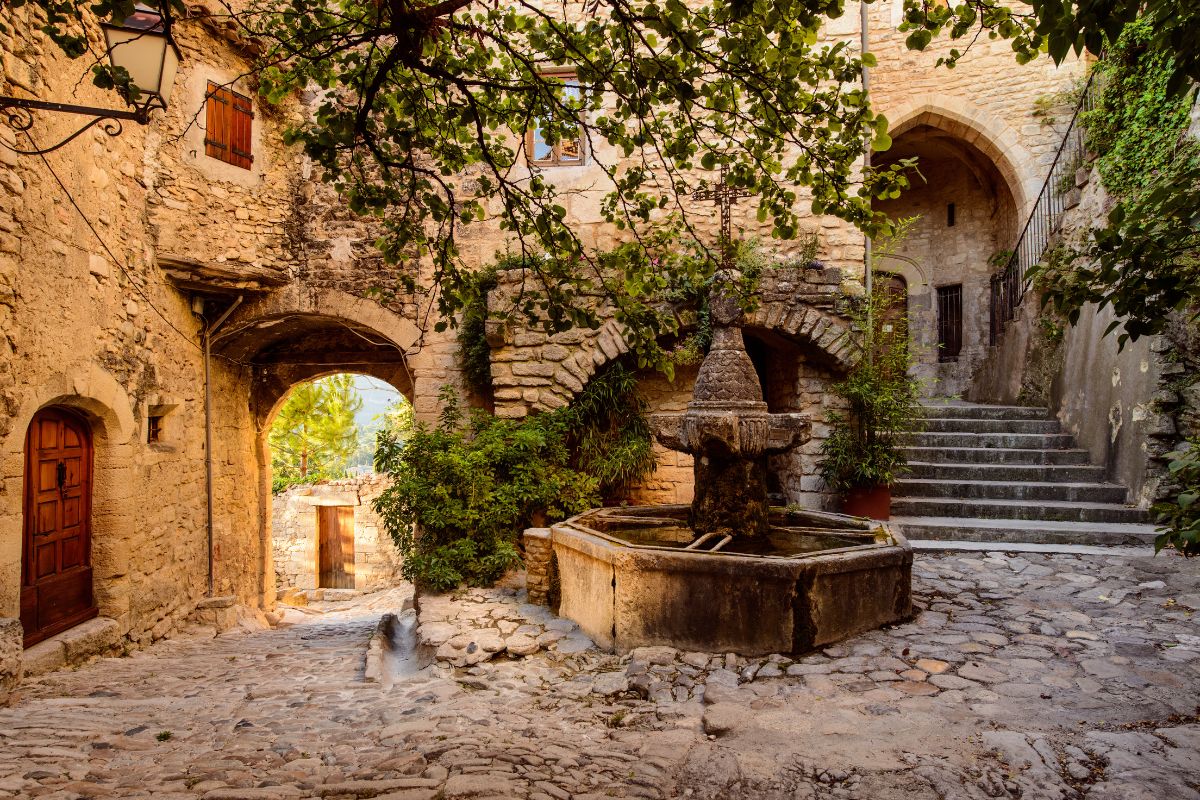
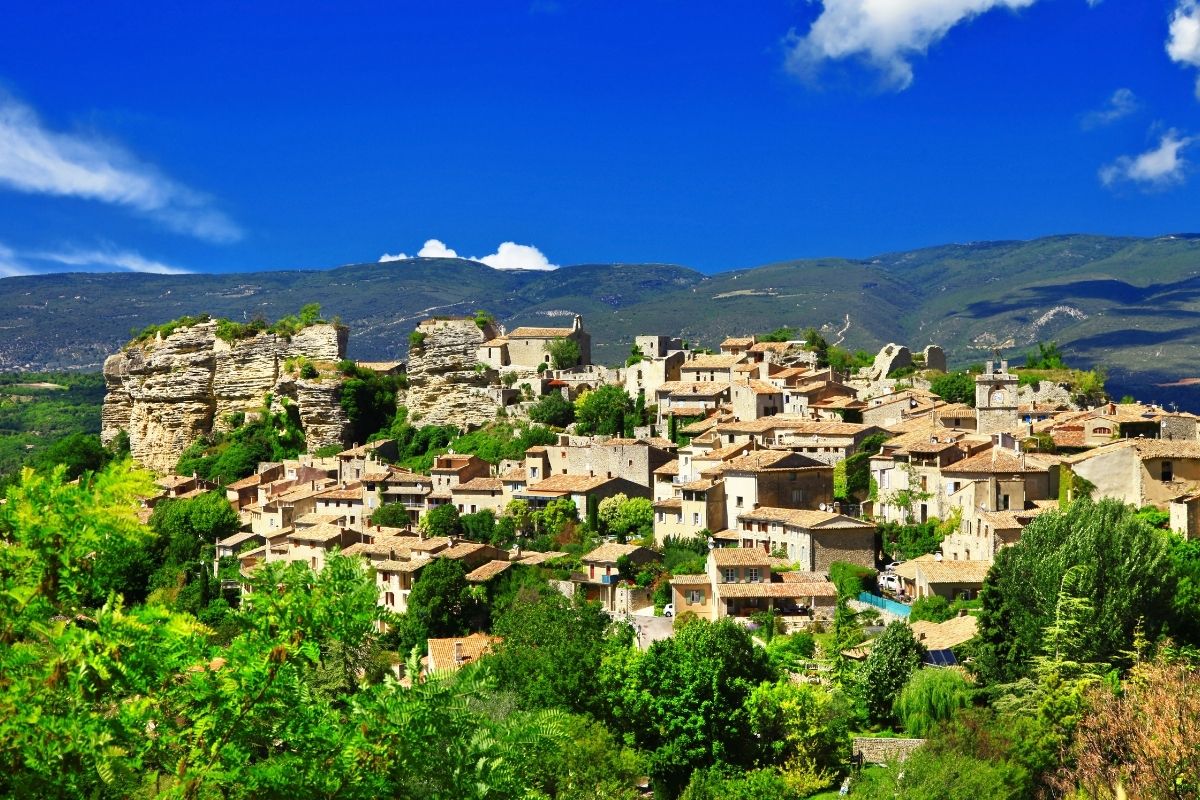
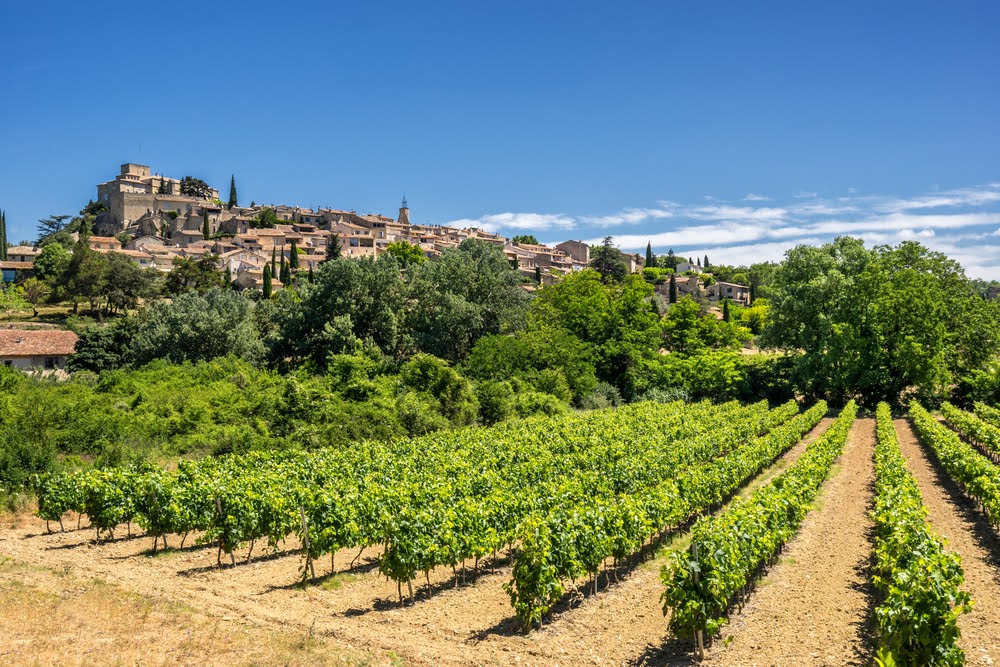
Provence contains dozens of villages of genuine, individual character — and no single visit, however well-planned, reaches more than a handful of them. The Luberon alone holds Gordes, Ménerbes, Lacoste, Bonnieux, Lourmarin, Cucuron, Ansouis, Saignon, and a score of less-visited villages that appear on no itinerary but reward the traveller who finds them: Buoux above its gorge, Sivergues on its isolated ridge, the remarkable village perché of Oppède-le-Vieux returning slowly, beautifully to ruin above the valley.

The Alpilles adds another layer: Saint-Rémy, Les Baux, Eygalières, Maussane, Le Paradou. Each region a separate argument for return. Each village, entered properly and given time, a world complete in itself. Provence’s geography is vast enough, and varied enough, that returning visitors rarely feel they are retracing steps. More often they feel they are exploring a country they have barely begun to understand.

Ready to Return to Provence?

If you’ve been to Provence, you already know what this is about. The specific pull of it. The moment somewhere on the flight home when the trip shifted from something you were having to something you were reluctant to leave.

Only Provence has been matching guests to the right properties, the right regions, and the right seasons for years — not just for first visits but for the second, third, and fourth trips that the first one tends to make inevitable. Our concierge team knows which villas generate the fiercest loyalty, which areas reward the returning traveller differently from the first-timer, and how to build a stay around what you found last time and what you haven’t found yet.

Going back to Provence doesn’t require a reason. But if you need one, we know where to start.

Frequently Asked Questions

Provence generates repeat visits more reliably than most European destinations because it changes significantly across seasons and reveals more the longer and more slowly it is explored. The lavender of summer, the harvest of autumn, the truffles of winter, and the blossom of spring each open a different region. Beyond the calendar, repeated visits allow travellers to build local relationships, discover less-visited villages, and develop the kind of orientation that transforms a beautiful holiday into something closer to a second home.

Yes, substantially. Summer (June–August) offers lavender season, full market activity, and long warm days, but also peak crowds and high temperatures. Autumn (September–November) brings the grape harvest, mushroom season, and the start of truffle season, with far fewer visitors. Winter (December–February) offers truffle markets, empty villages, and an unfiltered view of Provençal life at its quietest. Spring (March–May) brings blossom, mild temperatures, and the earliest outdoor dining. Experienced travellers regularly describe each season as distinctly worth a separate visit.

Provence combines several qualities that individually distinguish great travel destinations but rarely appear together: extraordinary landscape diversity within a compact, drivable region; a food culture tied to specific seasonal ingredients that change the culinary experience across visits; a village architecture and way of life that rewards extended stays rather than passing visits; and a climate that is genuinely pleasant across three of the four seasons. The combination creates a destination that gives more, the more time it is given.

One week is the minimum for a meaningful slow travel stay; two weeks allows you to genuinely settle into village rhythms, explore multiple areas, and experience the difference between being a visitor and feeling temporarily at home. Return visitors who know a specific region of Provence — the Luberon or the Alpilles — often find that a week in a single area, without over-scheduling, reveals more than a busier two-week first visit.

Both strategies have strong arguments. Returning to the same region — and ideally the same property — builds the depth of familiarity that generates the strongest sense of place and the local relationships that take multiple visits to develop. Exploring a different region on a return visit — the Alpilles after a Luberon stay, or adding the Camargue or the Verdon Gorge — expands the picture of Provence significantly. Many returning guests do both over successive years: deepening in one area while occasionally pivoting to something new.

There is no single answer — which is, in a sense, the point. Gordes and Les Baux-de-Provence are the most dramatic architecturally but the most visited in summer. Ménerbes, Lacoste, and Bonnieux in the Luberon offer comparable beauty with more village character. Eygalières in the Alpilles is consistently named by experienced Provence visitors as among the most perfectly preserved and atmospheric villages in the region. The most rewarding answer, for any returning traveller, is the village they haven’t found yet.

Recent Articles You Might Enjoy

A distinct collection of luxury villa rentals and real estate for sale in the South of France

- offering all comforts and amenities - pool, housekeeping, and chef services.

© 2026 Only Provence

Jumping the Picket Fence Light Through the Cracks

Only Provence co-founder Lydia Dean writes about their experiences raising a family, building a business in Provence, and later combining the love of travel with giving back in "Jumping the Picket Fence”. In 2021, she published “Light Through the Cracks,” a continuation of her journey, much of which has been based in Provence. Both books are available Amazon, Amazon.uk, and Amazon.Fr.