
Provence, France: Travel Guide & Best Things to Do (2027)
See properties offering a 10% discount on any 2027 reservation if booked before November 15 2026.

Provence, France: Travel Guide & Best Things to Do (2027)

Written by Lydia Dean, co-founder of Only Provence • Last Updated September 25, 2026

Only Provence is an award-winning villa rental company with a collection of more than 200 luxury villas and châteaux throughout the Luberon and Alpilles. Combining deep local expertise with personalized service, we craft exceptional journeys tailored for discerning travelers.

Provence, France: The Complete Travel Guide for 2027

There is a moment most visitors have somewhere in their first few days here, usually over a lunch that has quietly stretched past three o’clock. They look down at the table and realize they haven’t checked the time in hours, and nobody around them has either. We have had a long and rich history with Provence, and we still think that moment is the best introduction to the region. It says more about the place than any list of sights.

Still, a list helps, especially when you’re planning from a distance and trying to decide whether to base yourself in the Luberon, les Alpilles or near the coast, and whether lavender season is worth the crowds. This guide covers where Provence is, what it’s known for, when to come, and the things we recommend most often to friends and guests. It is written from the inside, by people who have lived it all in real time.

Where Is Provence?

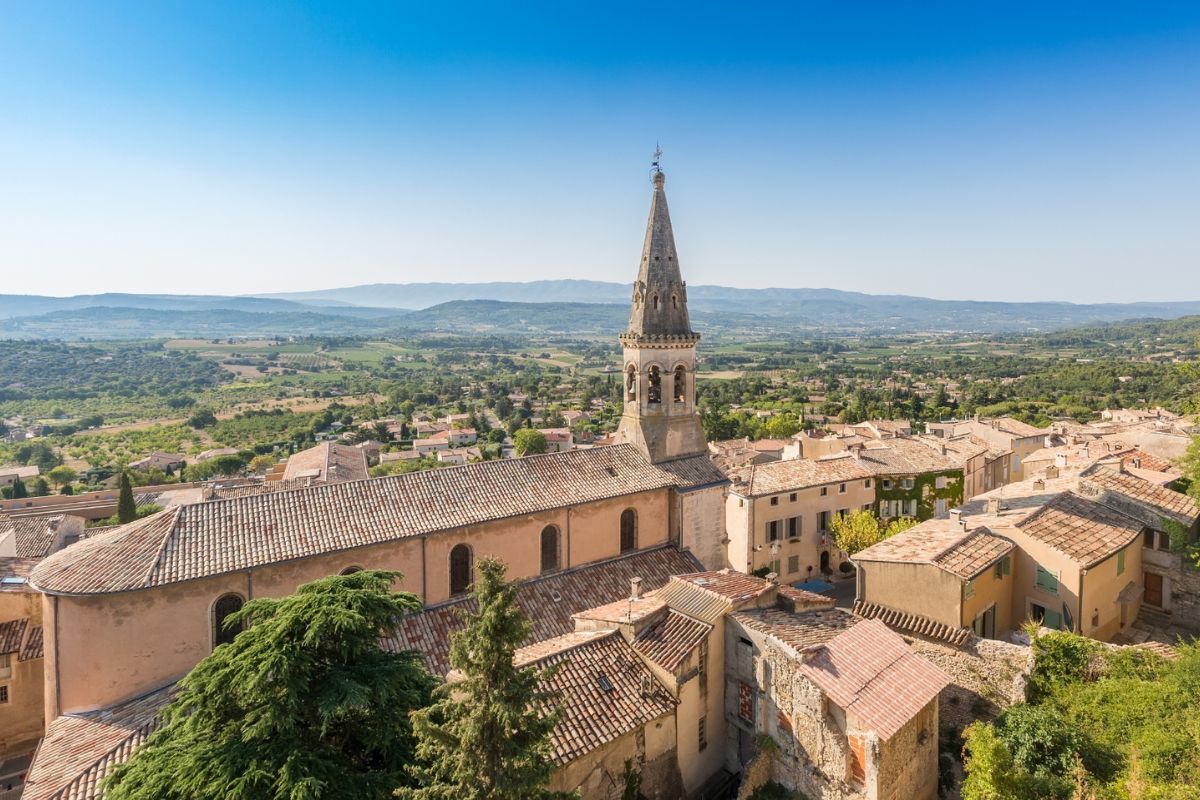
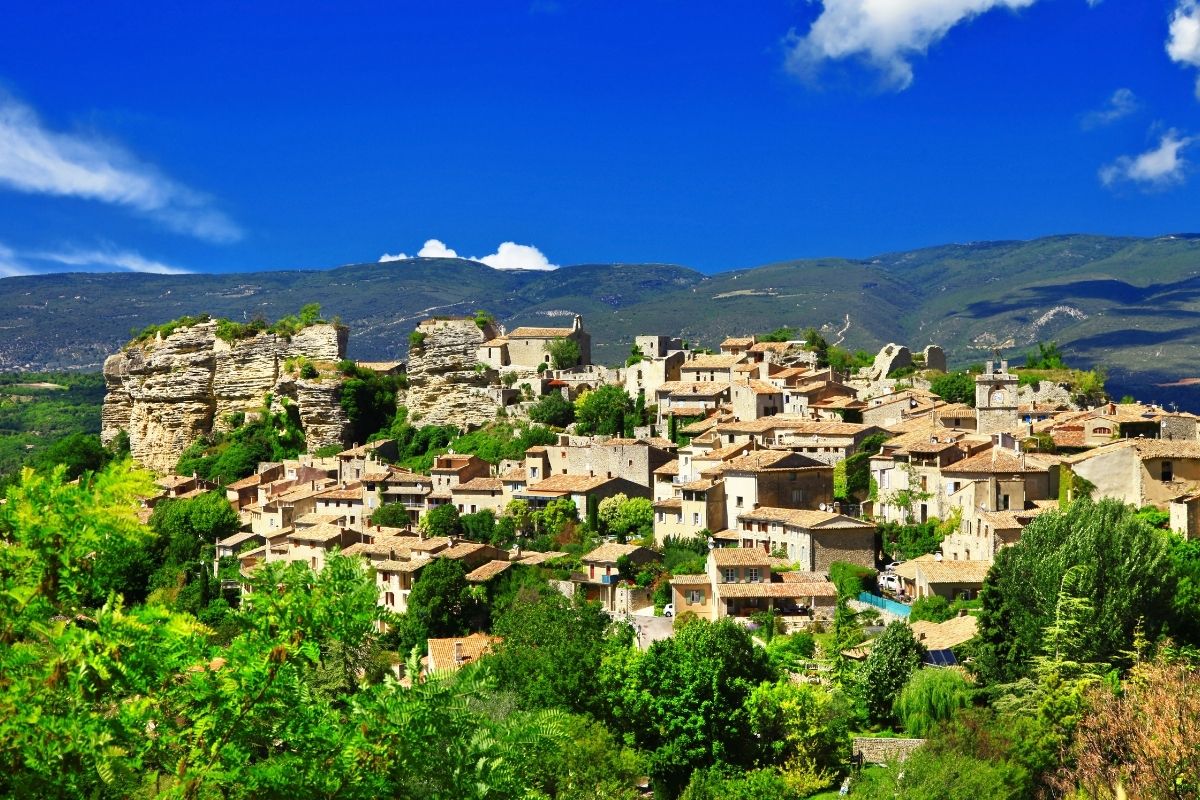
Elevated panoramic view of Saint-Saturnin village featuring a historic stone church with a tall spire, surrounded by terracotta rooftops and a lush green valley in Provence.

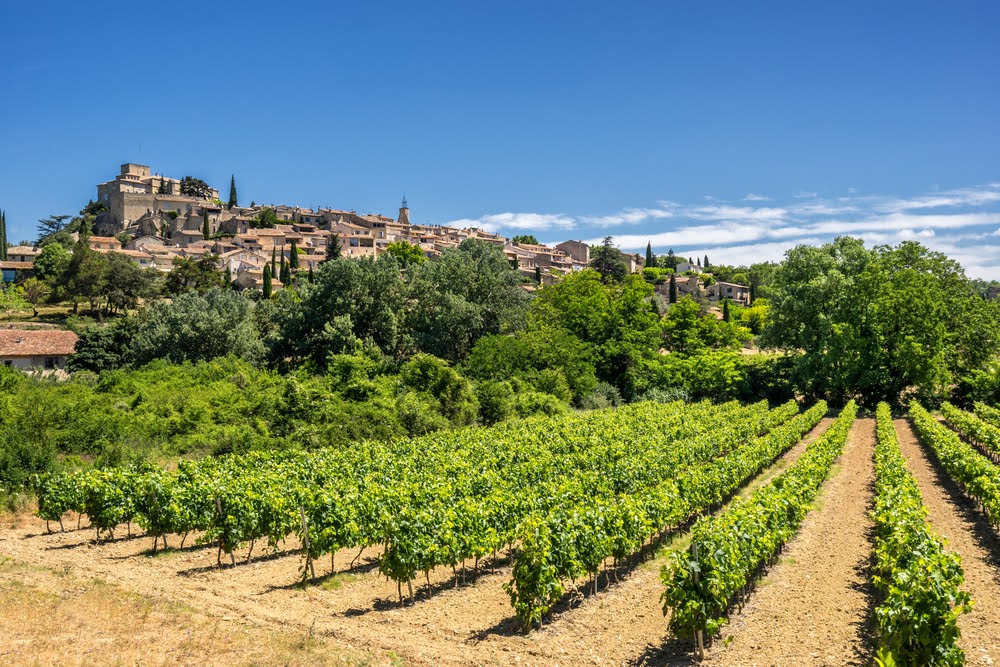
Provence sits in the southeast corner of France, stretching from the Rhône River in the west to the edge of the Alps in the east, with the Mediterranean along its southern border. Officially it forms the larger part of the Provence-Alpes-Côte d’Azur region (PACA), and it includes cities like Marseille, Aix-en-Provence, Avignon and Arles.

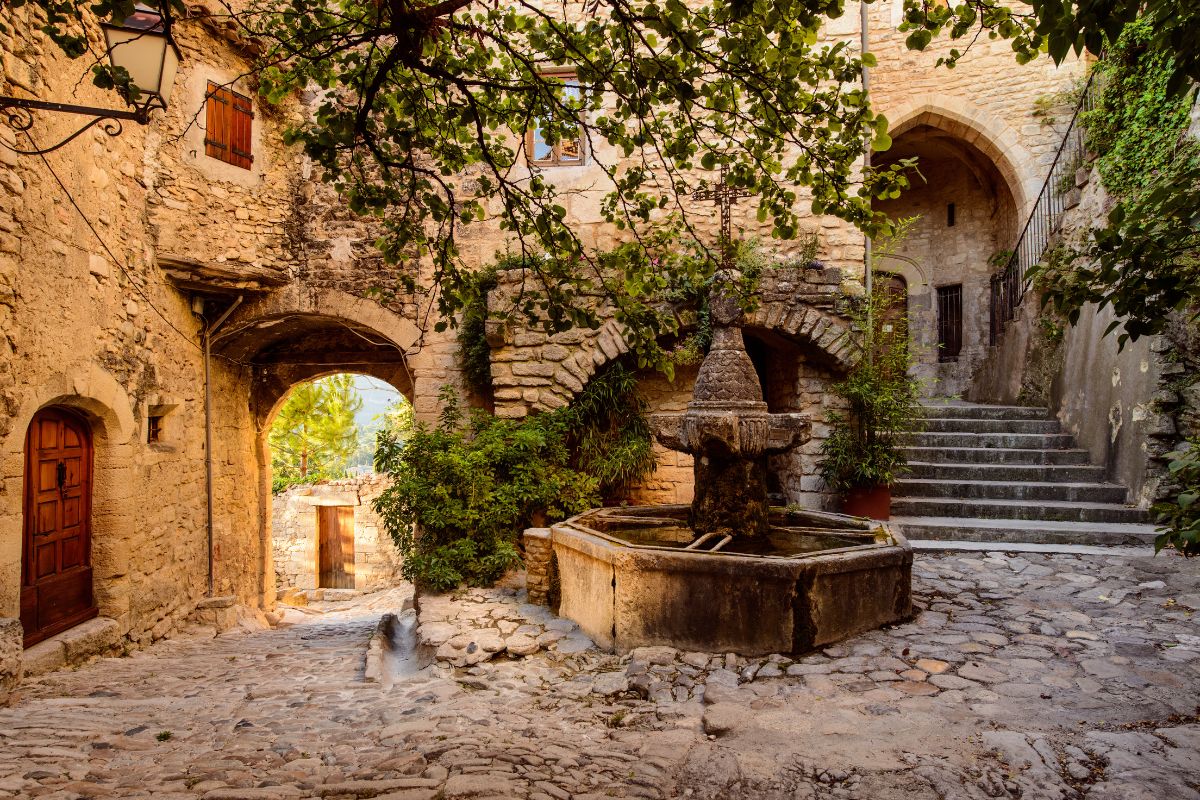
When most travelers say “Provence,” though, they usually mean the inland heart of it: the Vaucluse, the Luberon hills, the plateaus of lavender and the vineyards around Mont Ventoux. That’s the Provence of stone villages and market squares, and it’s roughly an hour north of Marseille or three hours by high-speed train from Paris to Avignon or Aix.

A practical point we wish someone had told us early: Provence is bigger and more varied than it looks on a map. The coast, the Luberon and the Alpine foothills feel like different places, and trying to see all three in a week tends to mean seeing each of them through a car window.

Technically, the region also includes the Côte d’Azur, from Saint-Tropez along the coast to Nice and Menton on the Italian border. But ask most people, locals included, and they’ll tell you the Riviera is something else entirely.

Provence and the Côte d'Azur: Two Different Worlds

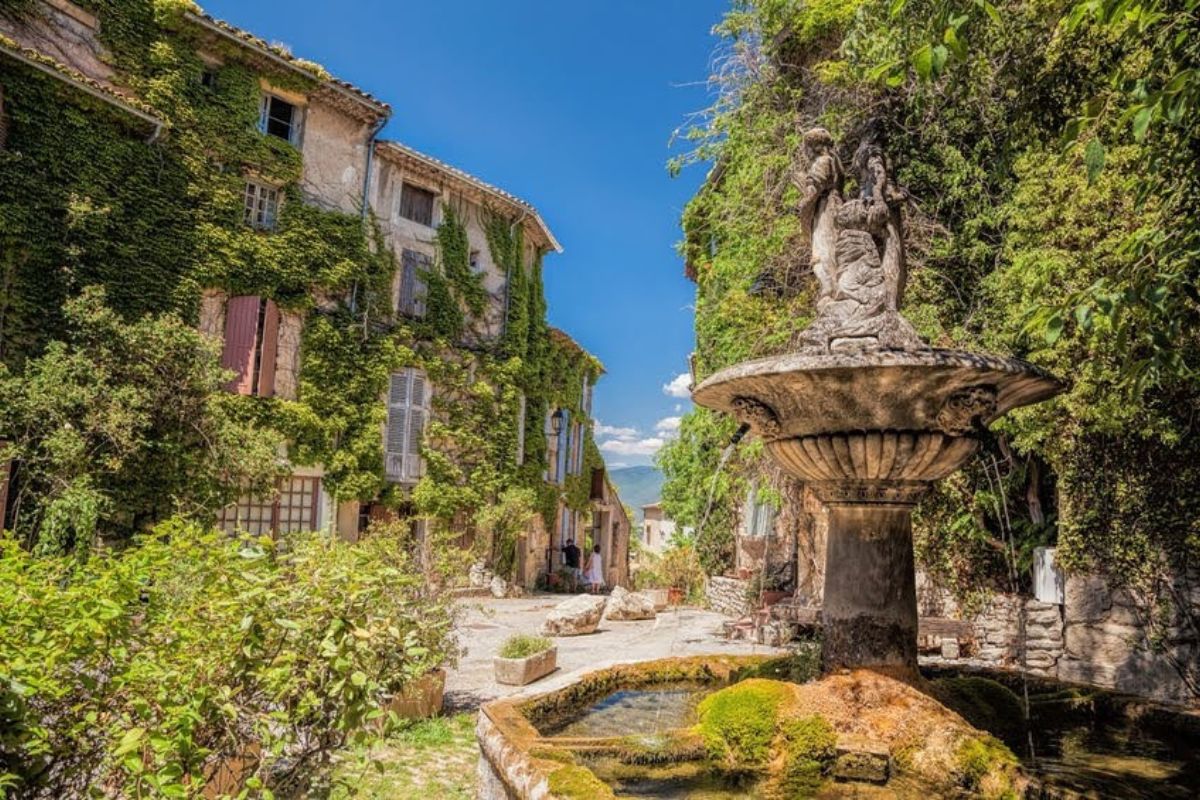
Ivy-covered stone houses and a moss-covered stone fountain in the village of Saignon in the Luberon

On paper, the French Riviera is part of Provence. The official region is even named for it: Provence-Alpes-Côte d’Azur. In practice, very few people use the two names interchangeably, and after twenty years here we understand why.

The Riviera has its own identity, built over a century and a half of glamour, grand hotels and seaside promenades. The name “Côte d’Azur” itself was coined in the late nineteenth century, just as the coast was becoming a winter retreat for European aristocracy, and that sense of occasion has never really left. Nice has its Promenade des Anglais and a distinctly Italian-influenced old town. Cannes has the film festival and the Croisette. Antibes has its old ramparts and superyachts moored below them, Saint-Tropez its harbor and beach clubs, and Menton its lemon groves and faded Belle Époque elegance. Monaco, sitting in the middle of it all, is a separate country altogether.

Inland Provence beats to a different drum. The Luberon is about stone villages, farmers’ markets and lunches that follow the seasons. The Riviera is about the sea, the city and the evening. Both are wonderful, but they answer different questions about what you want from a trip. I remember a guest once telling us, a little sheepishly, that she’d booked three nights in Nice because she assumed it was “just down the road” from Gordes. It’s closer to three hours by car, and the two feel even further apart than that.

That doesn’t mean you have to choose. Nice’s airport is one of the main gateways to the south of France, and many travelers happily combine the two: a few days by the sea, then a longer stretch inland to slow down. The trick is treating them as two distinct chapters of the same trip rather than trying to see the Riviera as a day out from the Luberon.

What Is Provence Known For?

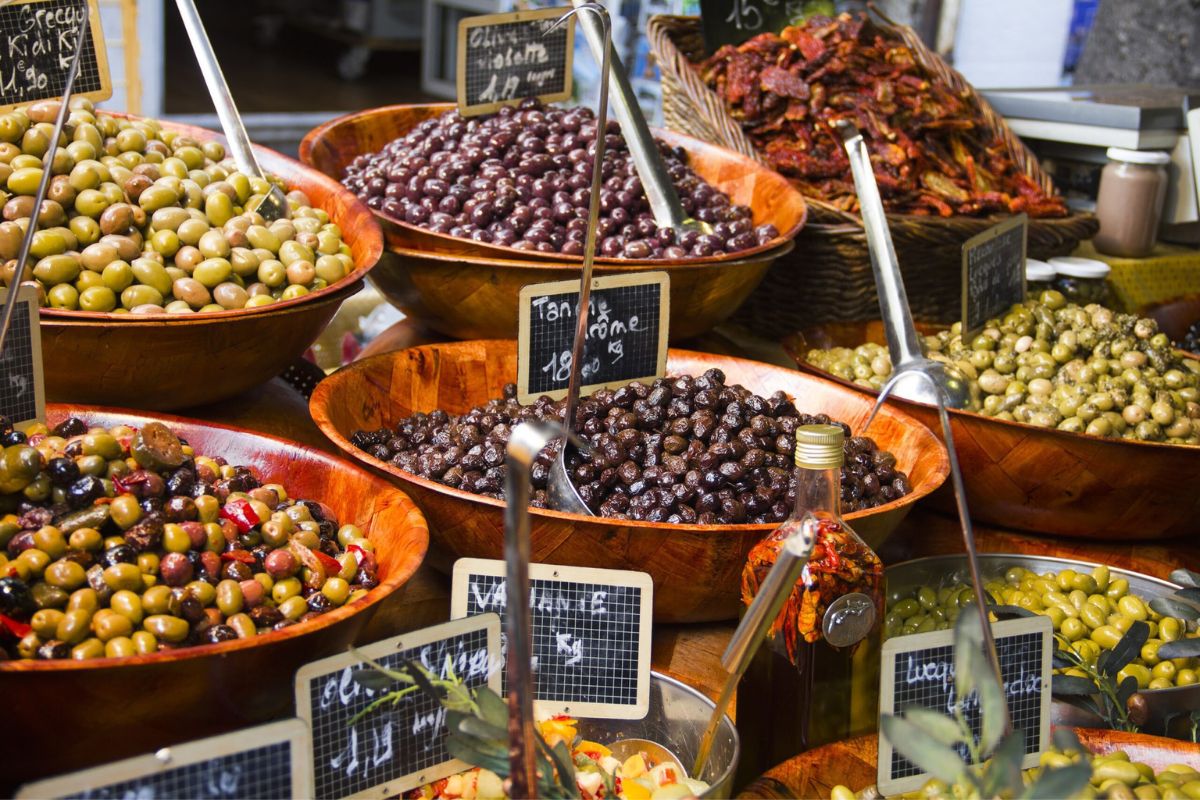
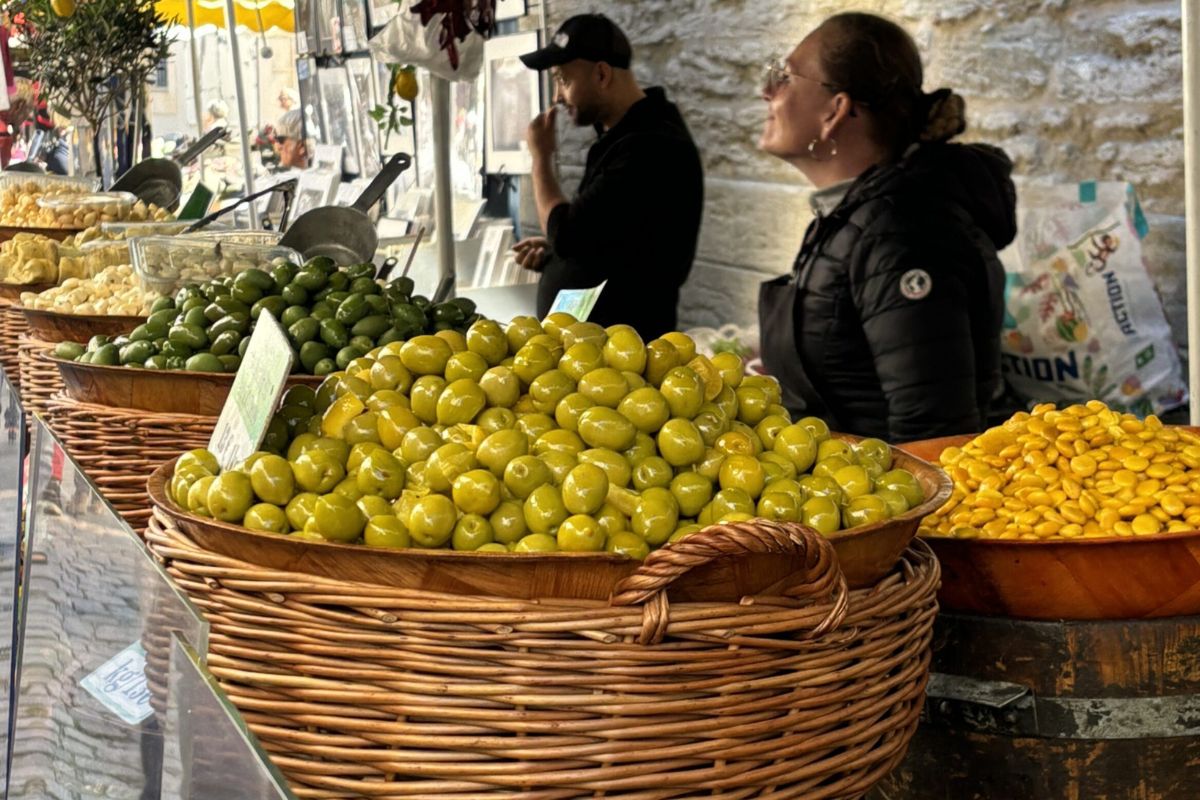
Large wooden bowls overflowing with assorted green, purple, and black olives on display at a Provençal market stall.

Ask ten people and you’ll get lavender, rosé, markets and light. They’re right, but those are the surface. What Provence is really known for is a way of living that has been shaped for centuries by the land and the seasons.

You see it in small things. Farmers at the Coustellet market won’t sell you tomatoes in April because they aren’t ready yet, and they’ll tell you so. Restaurants change their menus when the first asparagus arrives or the last figs are picked. Lunch is treated as the main event of the day, not a gap between activities.

Beyond that, the region is known for:

  • Perched villages like Gordes, Bonnieux and Roussillon in the Luberon, and Les Baux-de-Provence, which sits on its rocky spur above the olive groves of the Alpilles.
  • Lavender, which carpets the Valensole plateau and the fields around Sault and the Abbaye de Sénanque in early summer.
  • Wine, from the famous reds of Châteauneuf-du-Pape and Gigondas to the pale rosés of the Côtes de Provence and the quieter, very good bottles of the Luberon.
  • Weekly markets, which are still where locals actually shop.
  • Roman heritage in Arles, Orange and nearby Nîmes, and the Pont du Gard just across the Rhône.
  • The light, which drew Cézanne, Van Gogh and many others, and which still changes the look of the same hillside from morning to evening.

When to Visit Provence

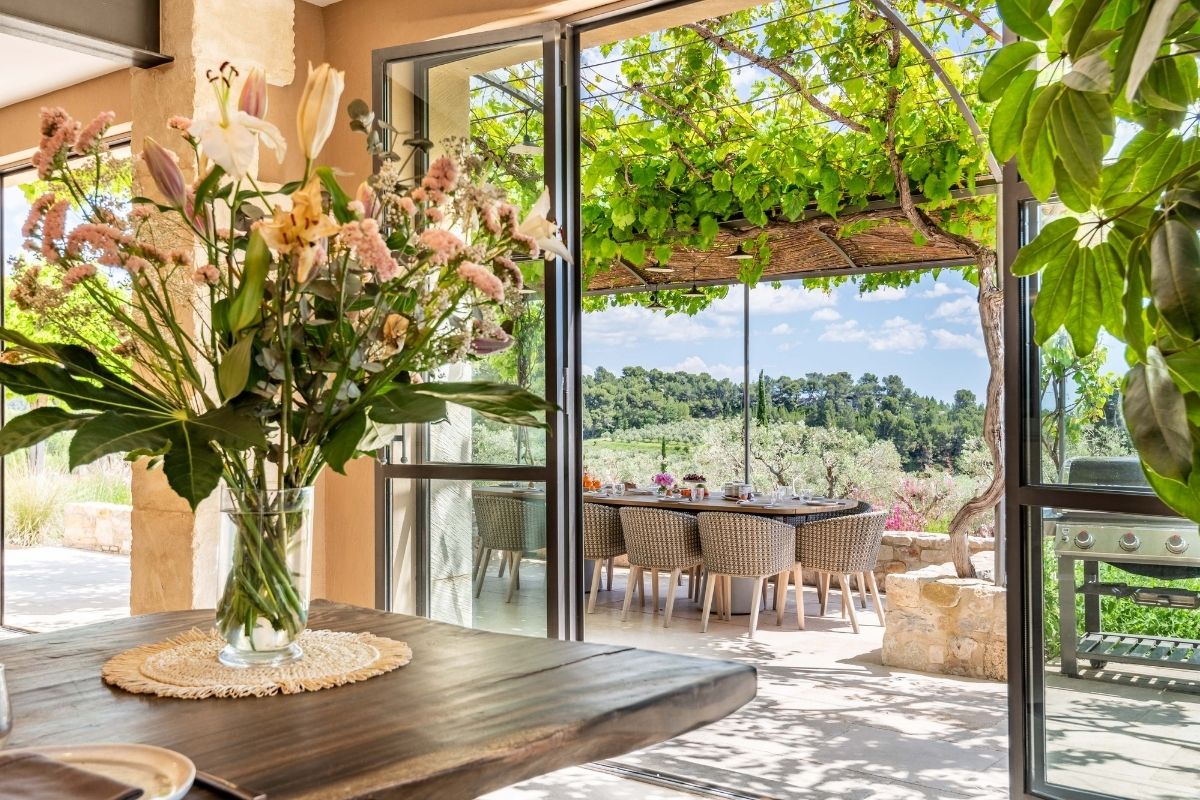
Open glass doors leading from a villa dining room to a vine-covered terrace with an outdoor table overlooking olive groves

There isn’t a wrong season here, but each one offers a different Provence, so it’s worth being honest about what you want from your trip.

Spring (April to early June) is our quiet favorite. The hills are green, cherry orchards bloom in the Luberon, markets fill with asparagus and early strawberries, and the villages are lively without being crowded. Evenings can still be cool, so pack a layer.

Summer (late June to August) is Provence at full volume. Lavender peaks from roughly late June to mid-July, the Festival d’Avignon takes over the city in July, and the cicadas start singing as the heat rises. It’s also the busiest and hottest time, with midday temperatures often in the mid-30s °C. We plan summer days around the heat the way locals do: markets and walks early, a long lunch in the shade, and outings again once the evening light softens.

Autumn (September to October) is harvest season, and for many people the best balance of the year. The grapes come in, the olive harvest follows later in the autumn, the sea is still warm, and the crowds have thinned. September in particular has a golden, settled quality that we look forward to every year.

Winter (November to March) is quiet, sometimes windy when the mistral blows, and many restaurants and shops in small villages close for part of it. It suits travelers who want Provence as a place to live for a while rather than to see: truffle markets, empty village lanes and cold, bright days.

If you are torn, choose the season that matches the pace you want, not the one in the photographs. A trip in May with time to wander will often leave a deeper impression than a packed week in July.

For the full picture, see our month-by-month guide and temperatures in Provence.

The Best Things to Do in Provence

Whether it’s your first time in Provence or your tenth visit, there’s always something new to discover. From hidden villages and exceptional wineries to culinary adventures and breathtaking landscapes, these are the experiences we recommend again and again. When you book a villa with Only Provence, our concierge team can arrange any of them for you.

1. Wander a Morning Market

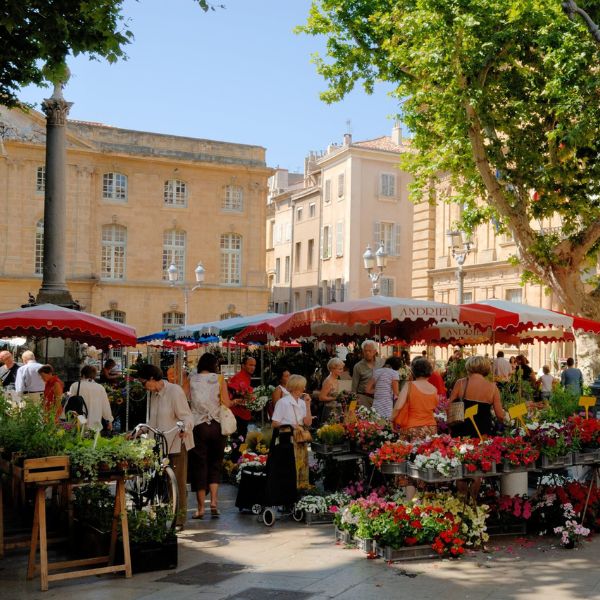
Provence’s markets overflow with cheese, wine, honey, olives, tapenade, nougat and soap, alongside local artisan goods and classic linen clothing. From the sprawling markets of Arles, Aix and Avignon to the smallest ones in village squares across the Luberon and the Alpilles, a morning at market is Provence at its most generous.

  • Where: Every village, on its own day. See our market schedule.
  • Best time: Year-round, mornings only; arrive early.
Colorful flower stalls under red umbrellas at a morning market in Aix-en-Provence

2. See the Lavender in Bloom

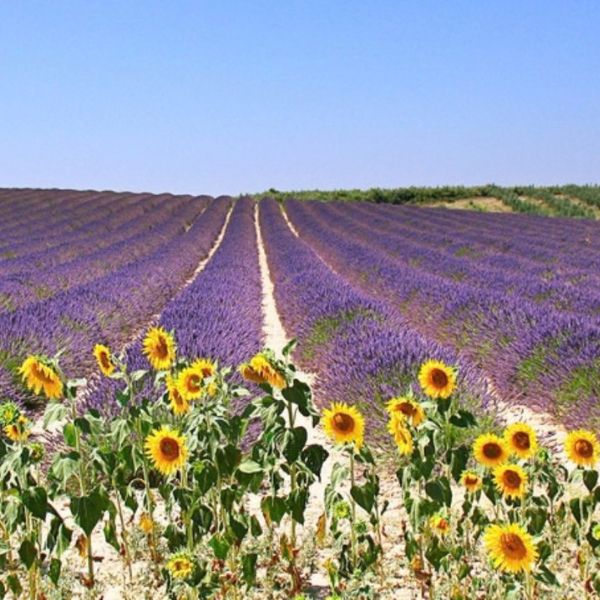
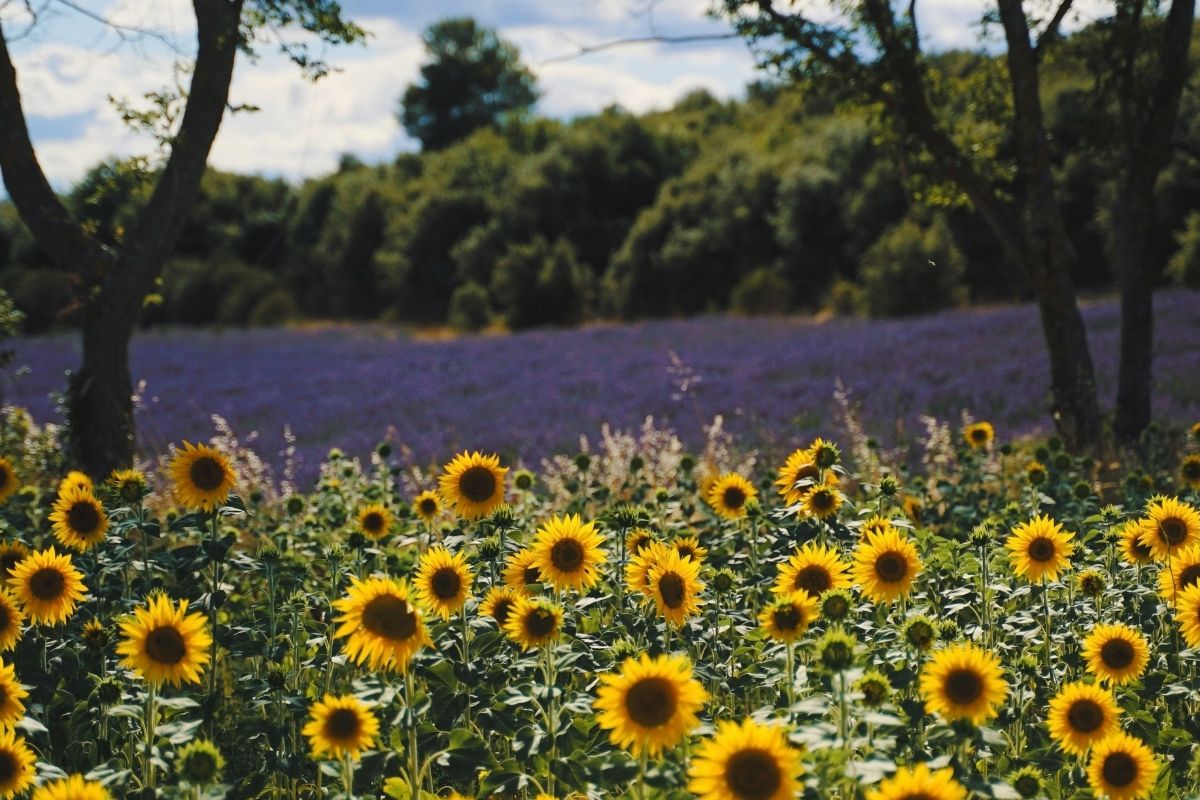
Nothing says Provence quite like row after row of purple stretching toward the horizon, humming with bees. The Abbaye de Sénanque near Gordes and the Valensole Plateau are the famous views, but some of the loveliest fields are the ones you stumble upon on a back road.

  • Where: The Luberon and the Valensole Plateau.
  • Best time: Late June to mid-July. See our lavender guide.
Rows of purple lavender in bloom with sunflowers in the foreground on a clear summer day in Provence

3. Taste the Wines of Provence

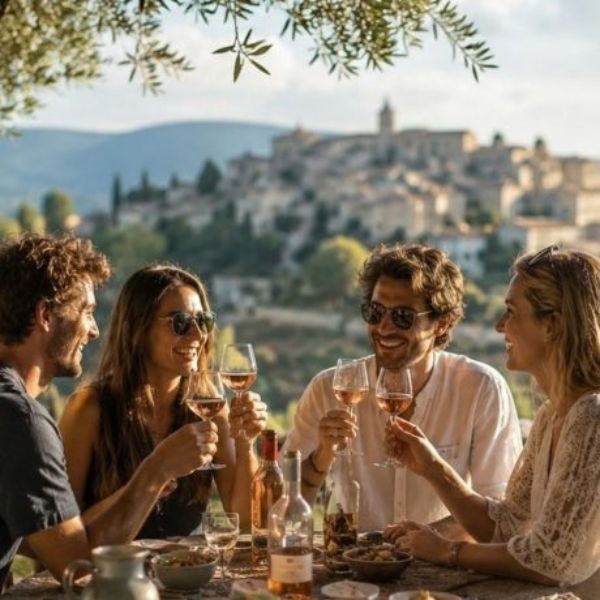
Provence is France’s biggest rosé producer, but its winemaking goes back to the Greeks, who planted vines here in the 5th century BC. Alongside beloved names like Châteauneuf-du-Pape and Gigondas, visit Château La Coste near Aix, where biodynamic wines meet an art walk featuring Tadao Ando, Louise Bourgeois and Frank Gehry.

  • Where: The Luberon, the Rhône Valley and around Aix. See our recommended wineries.
  • Best time: Year-round; September and October for the harvest.
Friends toasting with glasses of Provençal rosé on a terrace overlooking a hilltop village

4. Explore the Hilltop Villages of the Luberon

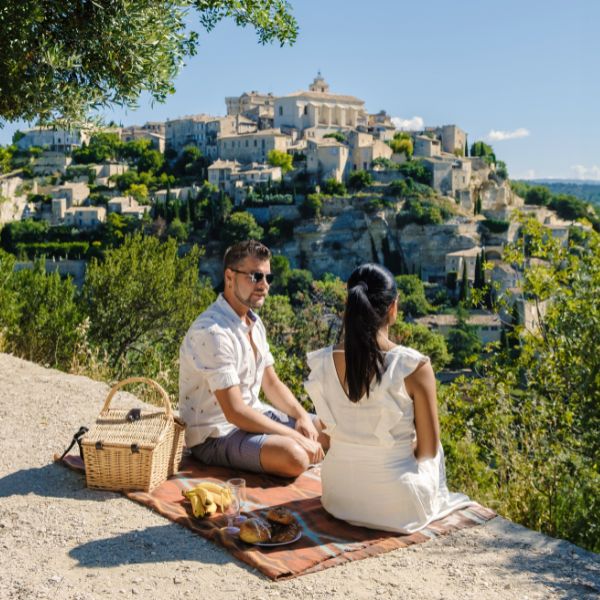
Perched on their hillsides of honey-colored stone, the villages of the Luberon are Provence at its most photogenic. Gordes cascades down its hilltop, Roussillon glows with ochre, and Ménerbes, Bonnieux and Lourmarin each reward an unhurried afternoon of wandering, followed by a drink on a shady terrace.

Couple enjoying a picnic on a hillside overlooking the hilltop village of Gordes in the Luberon

5. Discover Buoux, Provence's Hidden Gem

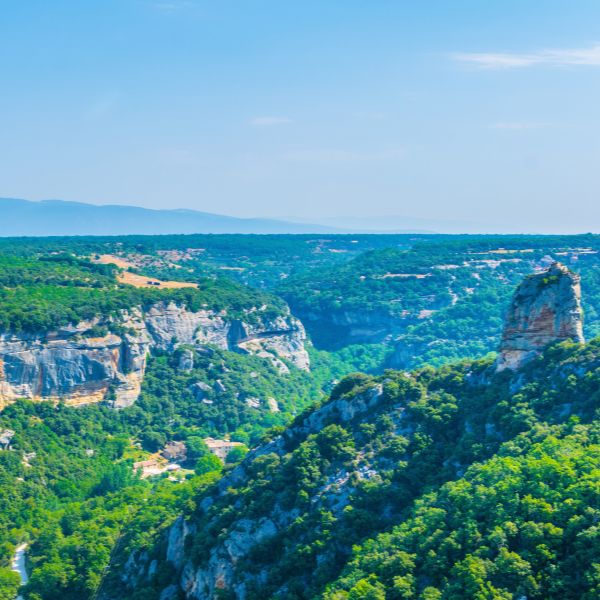
While travelers flock to Gordes and Lourmarin, Buoux remains one of the Luberon’s best-kept secrets. Tucked among rugged hills, this ancient village is made for hiking, rock climbing and slow wandering, and the medieval ruins of Fort de Buoux look out over the valley from high above.

  • Where: Southern Luberon, near Apt. See our guide to Buoux.
  • Best time: Spring and fall, when the walking is coolest.
Wooded valley and limestone cliffs around Buoux in the Luberon, with a rocky pinnacle rising above the trees

6. Step Into Art at Carrières des Lumières

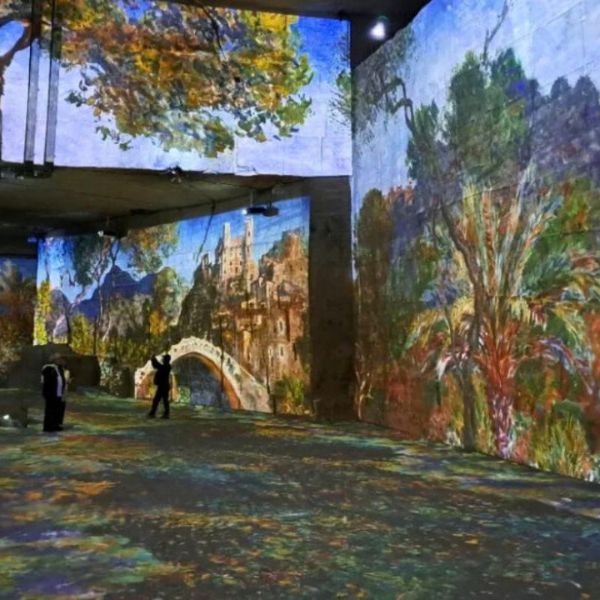
Inside a former limestone quarry in Les Baux-de-Provence, the Carrières des Lumières brings iconic works of art to life, projected larger than life with music across towering rock walls. Afterwards, climb up to the medieval citadel above the village, where the views stretch across the Alpilles.

  • Where: Les Baux-de-Provence, Alpilles.
  • Best time: Year-round; a perfect choice for a rare cloudy day.
Visitors surrounded by giant impressionist paintings projected onto the stone walls of Carrières des Lumières

7. Follow Van Gogh in Saint-Rémy-de-Provence

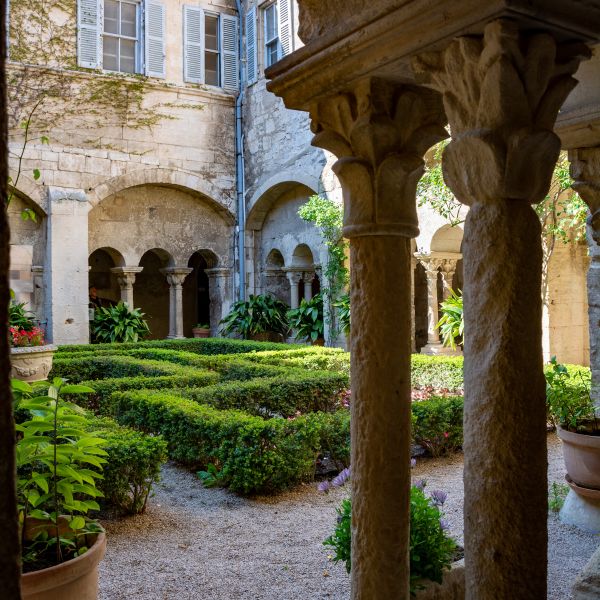
Saint-Rémy inspired Van Gogh and still captivates artists and travelers. Visit Saint-Paul de Mausole, the peaceful monastery where he painted some of his most celebrated works, then walk among the Roman ruins of Glanum and Les Antiques in the olive groves before browsing the town’s galleries and Wednesday market.

Stone cloister and boxwood garden at Saint-Paul de Mausole, where Van Gogh painted in Saint-Rémy-de-Provence

8. Walk Through Roman Provence

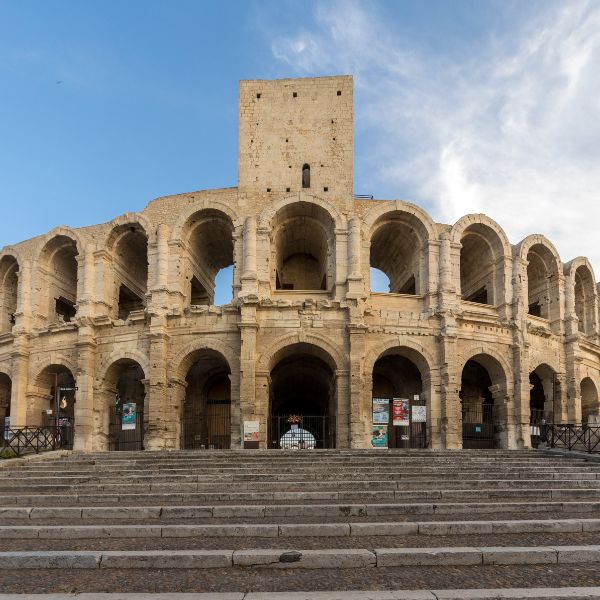
The Romans left Provence some of the best-preserved monuments in Europe. The amphitheater in Arles still hosts events, the Théâtre Antique in Orange still stages opera beneath its ancient stage wall, and the Pont du Gard, just across the Rhône, is breathtaking in person.

  • Where: Arles, Orange, Nîmes and the Pont du Gard.
  • Best time: Spring and fall; go early in summer.
Two-tiered stone arches and medieval tower of the Roman amphitheater in Arles under a blue sky

9. Take a Private Tour of the Camargue

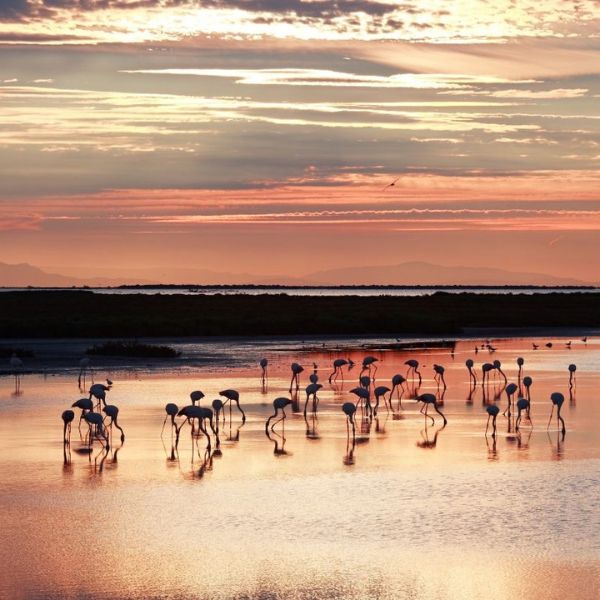
In the wild Camargue, pink flamingos wade across shimmering salt flats and white horses roam the marshes of the Rhône Delta. Explore by boat, meet the horses at a traditional ranch, or manade, and finish in Aigues-Mortes, a medieval walled town ringed by pink salt marshes.

  • Where: South of Arles. See our private tours.
  • Best time: Spring and fall for birdlife.
Pink flamingos wading in the shallow waters of the Camargue at sunset

10. Cycle, Hike or Golf Through the Countryside

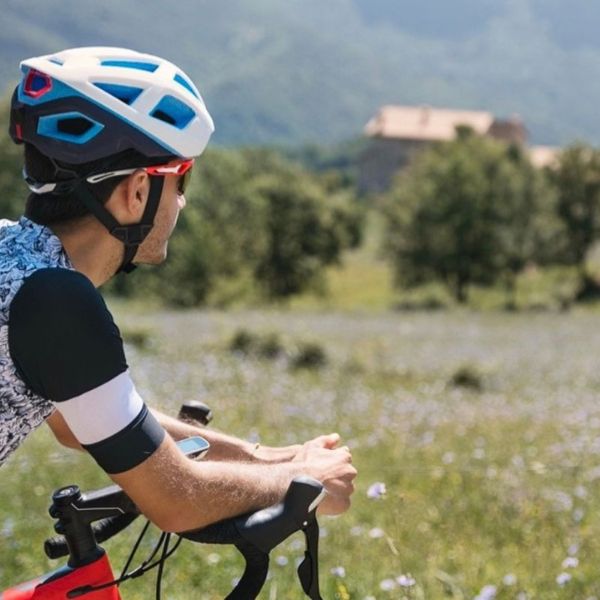
A well-established trail network links village to village across the Luberon and the Alpilles, drawing hikers and cyclists from around the world. With e-bikes, the wine route from Bonnieux to Ménerbes is within anyone’s reach, seasoned riders can take on Mont Ventoux, and several world-class golf courses await.

  • Where: The Luberon, the Alpilles and Mont Ventoux. See our hiking trails and golf courses.
  • Best time: April–June and September–October.
Cyclist pausing beside a wildflower meadow with a stone farmhouse in the Provençal countryside

11. Catch a Summer Festival

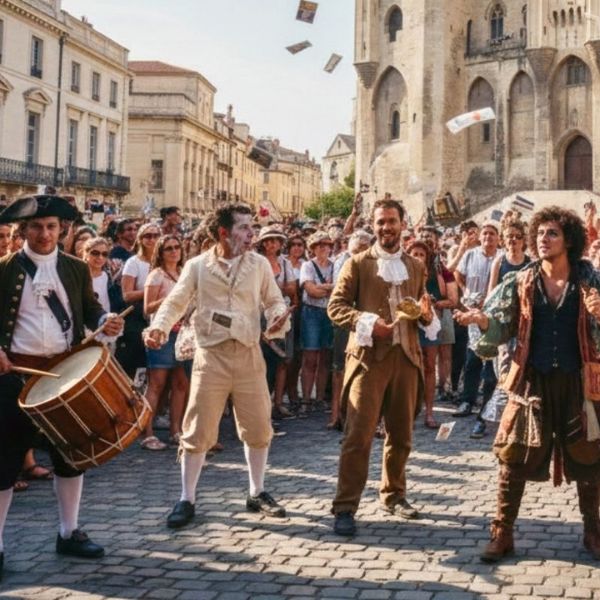
Provence has drawn artists from Cézanne to Van Gogh and Picasso, and its summers are full of festivals. Aix hosts an internationally celebrated opera festival and Avignon its renowned theater festival, while smaller concerts fill village squares across the region.

Costumed street performers with a drum entertaining crowds outside the Palais des Papes during the Avignon festival

12. Book a Michelin-Starred Dinner

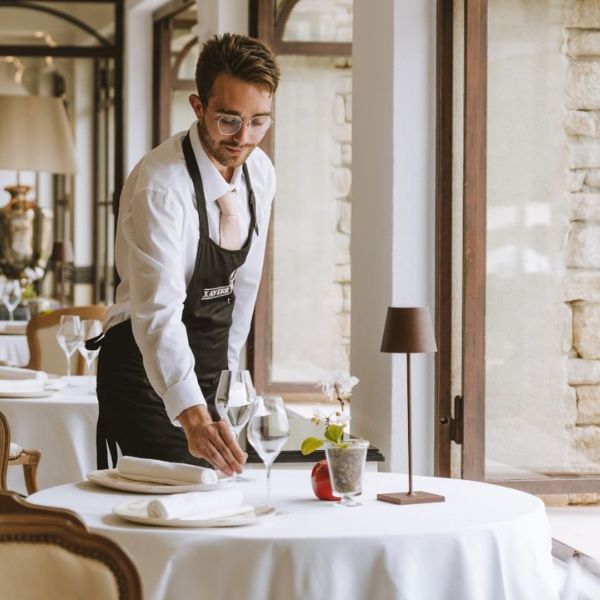
Provence knows how to put on an evening. From the Michelin three-star L’Oustau de Baumanière in Les Baux to riverside tables in L’Isle-sur-la-Sorgue, some of France’s finest restaurants sit in villages barely bigger than a square and a church.

Waiter setting a white-linen table in an elegant fine-dining restaurant in Provence

13. Enjoy a Private Chef Evening at Your Villa

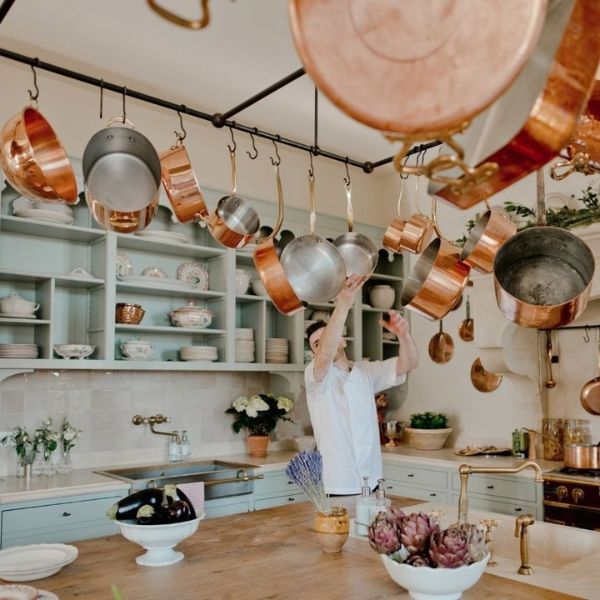
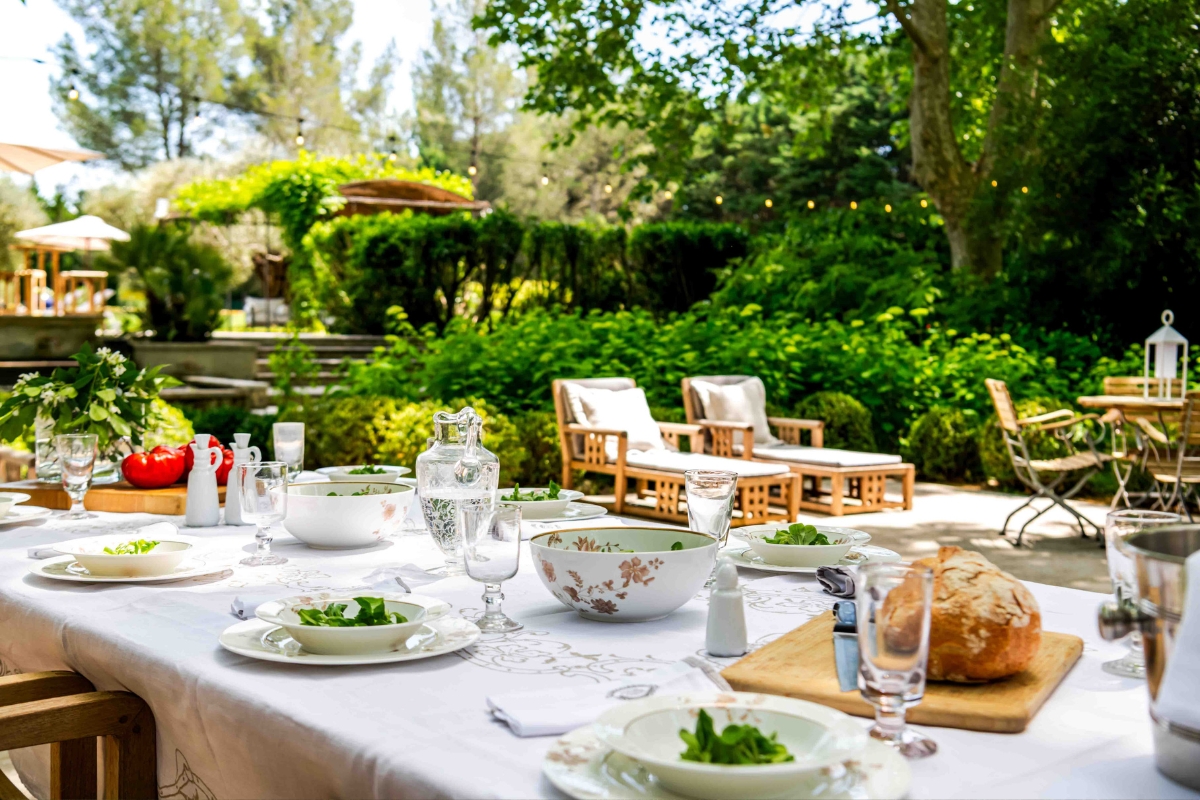
Sip a chilled rosé on your villa’s sun-drenched terrace while a private chef prepares a Provençal meal for you and your guests. The chef handles everything, from choosing fresh produce at the market to plating each dish, leaving you free to enjoy Provence at its most delicious.

Private chef in a villa kitchen with hanging copper pans, fresh artichokes and eggplants on the counter

Plan Around the Markets

Provençal markets are the easiest way into local life, and each village has its day. A few favorites:

  • L’Isle-sur-la-Sorgue on Sunday (and Thursday), where the food market mingles with antiques along the river.
  • Coustellet farmers’ market on Sunday mornings, where everything is sold by the people who grew it.
  • Lourmarin on Friday and Apt on Saturday, both lively and generous.
  • Gordes on Tuesday, small but beautifully set.
  • Saint-Rémy-de-Provence on Wednesday, one of the best in the Alpilles.

Go early, bring a basket, and buy for lunch rather than for souvenirs. A melon from Cavaillon, goat cheese from a nearby farm and bread still warm from the baker make a better meal than most restaurants can offer, and they give the day its shape.

Getting Around and Where to Stay

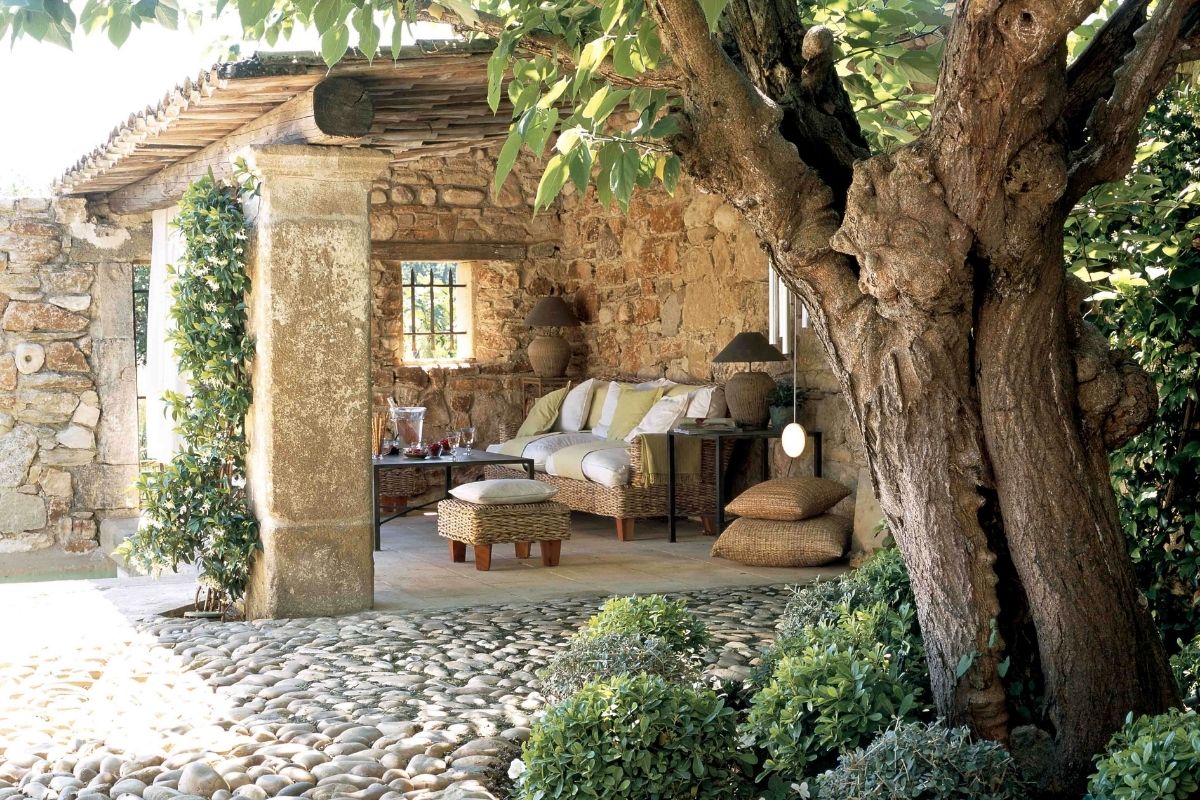
Covered stone terrace with wicker sofa and cushions beside an old olive tree and a pebbled courtyard

A car is close to essential for inland Provence. Buses between villages exist but are infrequent, and the best places are often at the end of a narrow road. The high-speed train serves Avignon, Aix and Marseille well if you are arriving from Paris, and car hire is easy at each station.

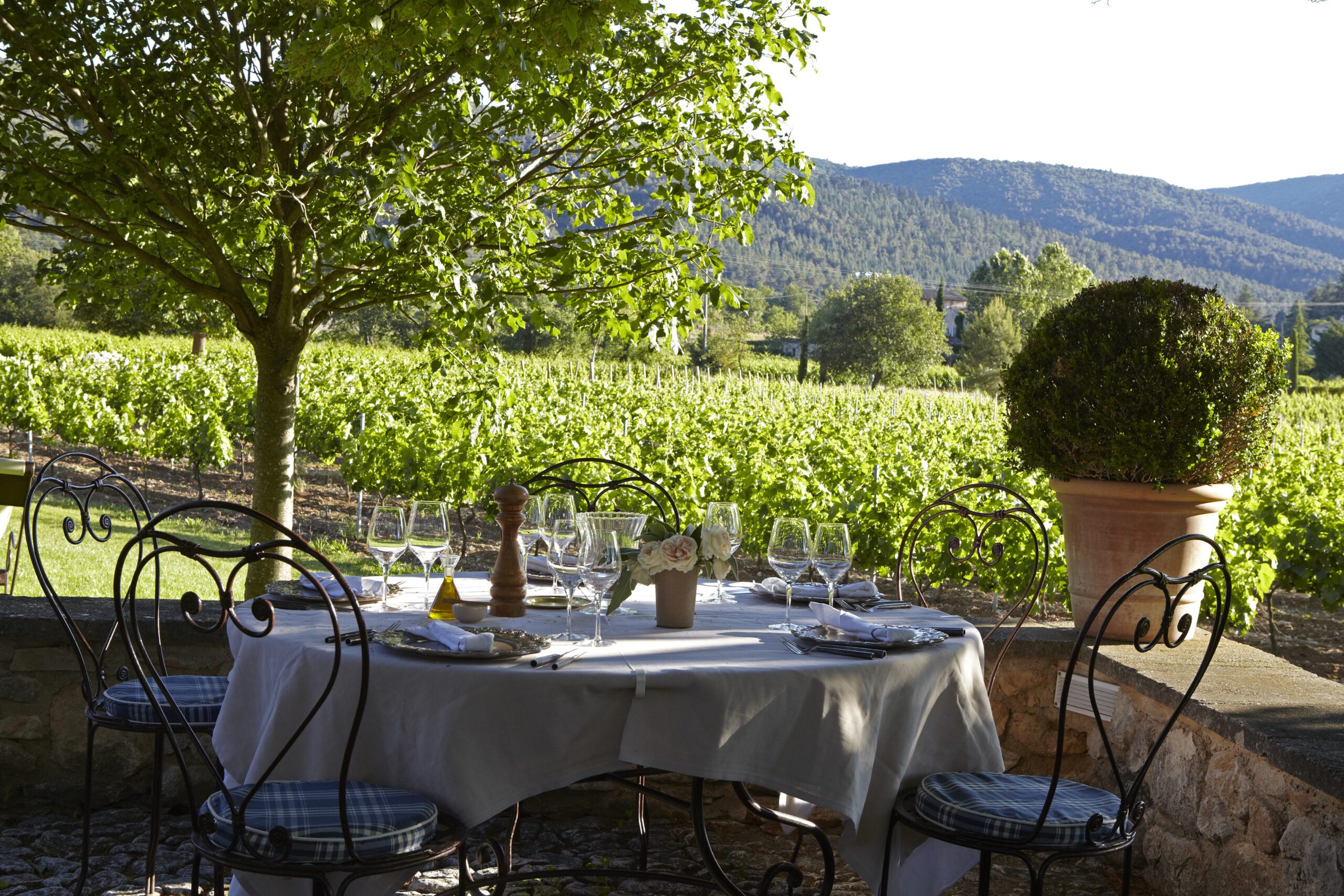
For where to stay, we’d suggest choosing one base and staying put rather than moving every few nights. The Luberon works well for most travelers, since it puts villages, markets and vineyards within easy reach and keeps the coast and cities to day-trip distance. The Alpilles, around Saint-Rémy-de-Provence, is an equally good choice if you’d rather be closer to Arles, Avignon and the Camargue, and it has a slightly wilder, more open feel. Whichever you choose, a house with a table outside, where you can bring home what you bought at the market that morning, changes the whole rhythm of a trip. We have seen it happen with our guests many times: the days they remember most are rarely the busiest ones.

Two Ways to Experience Provence with Only Provence

For more than twenty years, we’ve helped guests find their own version of this life, and over that time we’ve learned that people come to Provence wanting different things. Some want a beautiful house and the freedom to shape their days themselves. Others want the thinking done for them, so they can simply arrive and let the week unfold. So we offer two ways in.

1. A private villa, with as much or as little help as you'd like.

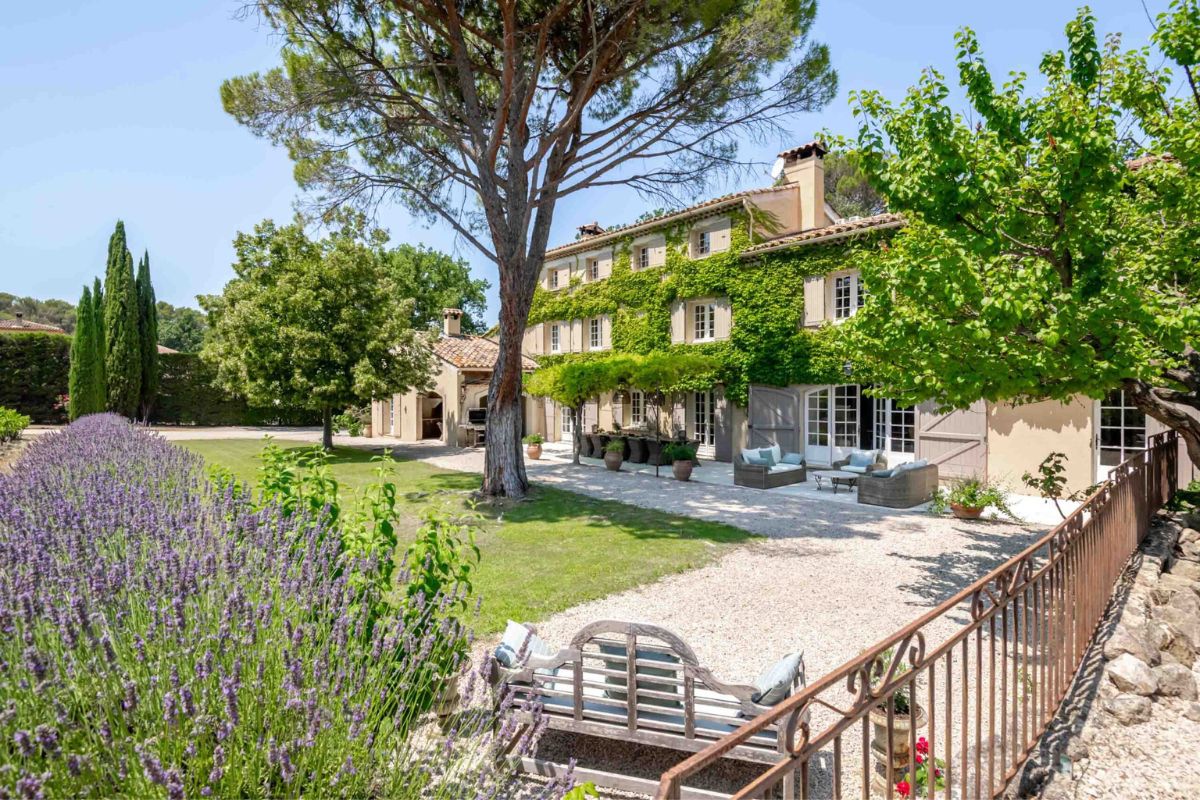
A traditional Provençal stone villa with an ivy-covered facade, featuring a gravel patio with lounge seating, a large pine tree, and blooming purple lavender in the garden.

Our collection of villas has been chosen slowly, one house at a time, for character as much as comfort: old stone, shaded terraces, gardens that smell of rosemary in the afternoon heat. Many guests want nothing more than the keys and a few good recommendations. Others ask us to arrange a private chef for a long dinner under the plane trees, a tasting at a family domaine we know well, a morning with a local guide in the villages, or a cooking class built around that day’s market. We’re happy either way. The villa is yours, and so is the pace.

2. An all-inclusive retreat week.

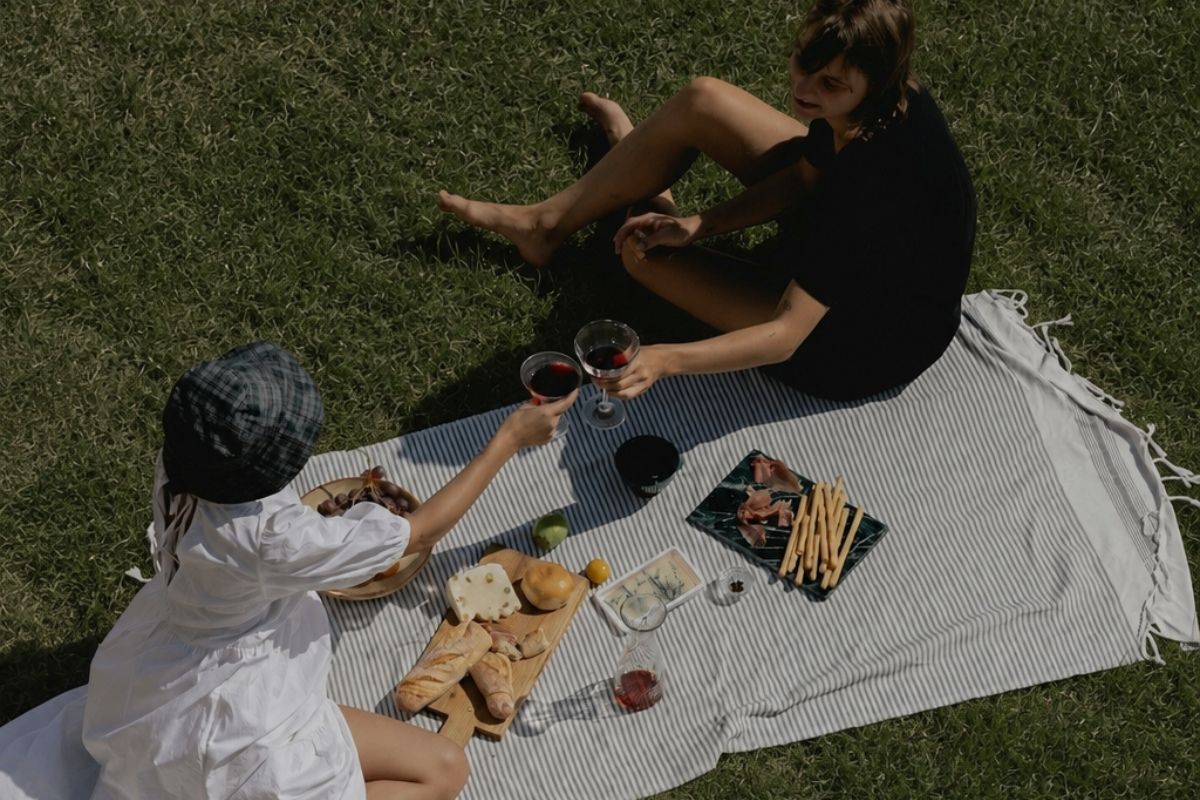
Overhead view of two friends toasting with red wine during a picnic on a grassy lawn, sitting on a striped blanket with baguette, cheese, and charcuterie.

Every season in Provence has its own light, food and rhythm, which is why we created our small-group retreats in Provence, one for each season. We’ve named them The Art of Retreat because they bring together everything we’ve learned about living well in Provence into a single, fully arranged stay.

Guests stay in an eighteenth-century bastide set on working vineyards in the Luberon, with almost every meal, experience and detail taken care of. Each retreat follows a season: a spring wellness reset in May, a summer week devoted to la vie provençale in June, a harvest-season retreat of vines and tables in September, and a village-to-village walking pilgrimage in October. They are designed for people who want to go deeper than a holiday usually allows, with time for conversation, rest and real connection to the place and the people who shape it.

Which one suits you usually comes down to a simple question: do you want Provence as your setting, or as your guide? There’s no wrong answer.

What Provence Will Teach You

We came here, like many people, for the beauty. We stayed because Provence slowly changed what we thought a good day looked like. It taught us to slow down and notice the beauty in life, and to honor the traditions that focus on this. Provence truly rewards the travelers who give it time, and most of us could use a little more practice at living that way, wherever we happen to be.

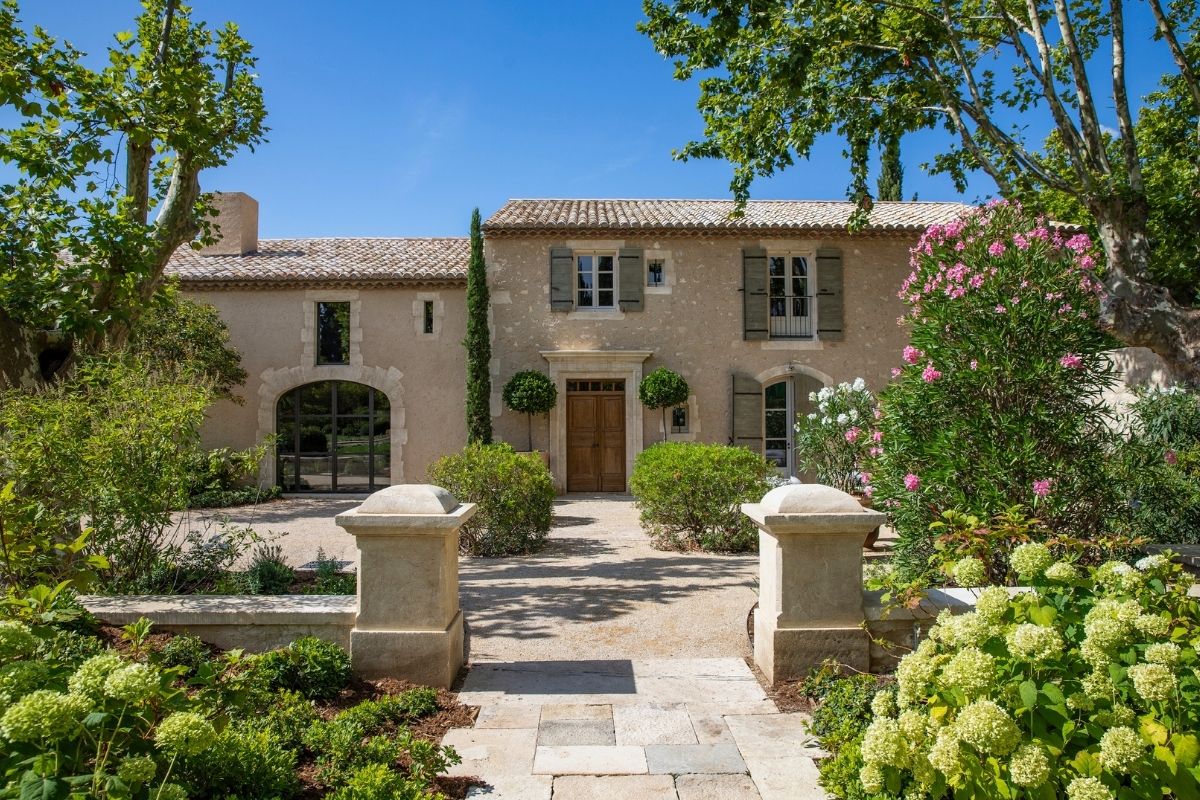
Stone Provençal villa with green shutters and a gravel courtyard, framed by plane trees, pink oleander and white hydrangeas

Frequently Asked Questions About Provence, France

A week gives you time to settle into one area and take a few day trips. Ten days to two weeks lets you slow down properly and add the coast or the Verdon. Here is what one week in Provence can look like from a villa.

Officially, yes. The Côte d’Azur, including Nice, Cannes, Antibes and Saint-Tropez, belongs to the Provence-Alpes-Côte d’Azur region. In practice, most people think of it as its own destination, with a glamorous seaside character quite different from the villages, markets and vineyards of inland Provence. Many travelers combine the two, spending a few days on the coast and a longer stay inland, but it’s worth planning them as separate parts of the trip, since Nice is around three hours by car from the Luberon.

For most travelers, May, June and September offer the best balance of weather, crowds and things to do. Late June to mid-July is best for lavender.

It can be, particularly in summer and in the best-known villages. Markets, picnics and staying in one place for longer help keep costs reasonable.

Not to get by, but a few words go a long way, especially in markets and small restaurants. A simple “bonjour” when you walk into a shop is considered basic courtesy.

Recent Articles You Might Enjoy

A distinct collection of luxury villa rentals and real estate for sale in the South of France

- offering all comforts and amenities - pool, housekeeping, and chef services.

© 2026 Only Provence

Jumping the Picket Fence Light Through the Cracks

Only Provence co-founder Lydia Dean writes about their experiences raising a family, building a business in Provence, and later combining the love of travel with giving back in "Jumping the Picket Fence". In 2021, she published "Light Through the Cracks," a continuation of her journey, much of which has been based in Provence. Both books are available Amazon, Amazon.uk, and Amazon.Fr.